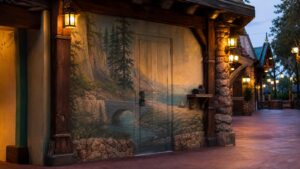
From shimmering portals tucked inside enchanted forests to endless corridors twisting beneath ancient spellbound kingdoms, fantasy and fictional passages are the gateways to realms where imagination overrides every rule of reality. These hidden routes aren’t bound by the limits of stone or mortar—they bend time, fold dimensions, and reveal worlds that exist just out of sight. When you step into a fictional passage, you step into possibility itself. These legendary pathways have sparked wonder for generations. Secret doors disguised as ivy-covered archways lead to forgotten kingdoms; glowing runes unlock stairways that shift beneath your feet; moonlit tunnels guide heroes toward prophecies waiting to unfold. Every passage is a narrative pulse, a promise that something extraordinary lies on the other side. This page gathers the most iconic and creatively imagined hidden routes across fantasy literature, films, games, and myth-inspired storytelling. Here, you’ll discover the symbolism, magic systems, narrative significance, and world-building techniques behind the passages that have captured our collective imagination. Open the door. The adventure is already waiting.
A: Yes. Even mysterious doors feel more satisfying when readers sense consistent logic behind when, how, and for whom they work.
A: It can. Rotating destinations by time, key, mood, or random chance creates rich storytelling opportunities and tension.
A: Add costs, limits, or side effects: energy drain, political consequences, time shifts, or risks of arrival in a hostile zone.
A: Strong sensory details—temperature shifts, odd echoes, unusual smells, or colors—plus an emotional beat that marks the crossing.
A: No. Mundane but cleverly engineered routes can feel just as wondrous and can ground your magic in believable architecture.
A: Use foreshadowing: cracked runes, frightened locals, conflicting legends, or objects thrown through that return… changed.
A: Definitely. Treat it like a major project involving teachers, lost blueprints, rare ingredients, and political or cosmic permission.
A: Portals are locations with personality; teleports are usually personal effects. Portals invite exploration, sabotage, and shared use.
A: Create an in-world registry, secret map, or gatekeeper faction that catalogs them—helpful for you and intriguing for readers.
A: Only if travel feels consequence-free. As long as each passage changes stakes, relationships, or information, abundance can add depth instead of confusion.

Secret Entrances in Amusement Parks
Secret entrances in amusement parks help preserve themed worlds while supporting staff access, ride operations, maintenance, safety, and guest flow.
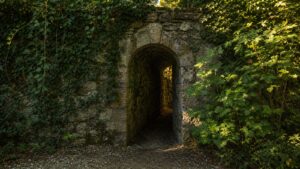
Myths and Legends of Secret Passages Around the World
Myths and legends of secret passages endure because they turn architecture into evidence of escape, power, romance, fear, and hidden knowledge.
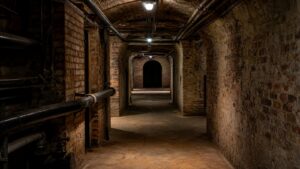
Urban Legends About Secret Underground Tunnels
Urban legends about secret underground tunnels grow from real infrastructure, hidden histories, local fear, and the strange appeal of unseen city routes.

Concealed Doors in Hollywood Movies
Concealed doors in Hollywood movies turn architecture into suspense, comedy, danger, transformation, and visual shorthand for hidden worlds.

Iconic Concealed Doors in Spy Films
Concealed doors in spy films turn access, identity, danger, gadgets, lairs, and misdirection into memorable cinematic architecture.

Concealed Entrances in James Bond’s World
Concealed entrances in James Bond’s world combine luxury, danger, spectacle, control, and the polished fantasy of secret access.

Concealed Doorways in Superhero Hideouts
Concealed doorways in superhero hideouts protect identity, create dramatic reveals, and turn ordinary places into secret bases.

Concealed Doors in The Matrix and Sci-Fi Cinema
Concealed doors in The Matrix and sci-fi cinema turn thresholds into symbols of reality, control, access, systems, and awakening.

How Set Designers Create Concealed Doors for Film
Set designers create concealed doors for film by balancing camera angles, scenery, actor movement, safety, and story timing.
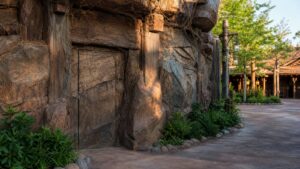
Concealed Entrances in Theme Parks
Concealed entrances in theme parks help hide operations, protect show illusion, manage guest flow, and make attractions feel immersive.
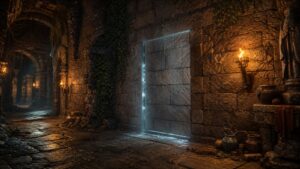
Concealed Doors in Video Games: Unlocking Hidden Levels
Concealed doors in video games reward curiosity, teach players to read spaces, and turn hidden levels into memorable discoveries.
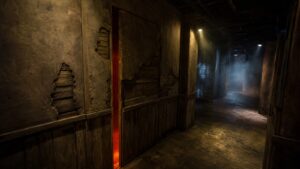
Concealed Doors in Haunted Attractions
Concealed doors in haunted attractions control scares, actor movement, reset timing, guest flow, and the unsettling feeling that walls may open.
