Cities Are Built on Visible Streets and Invisible Routes
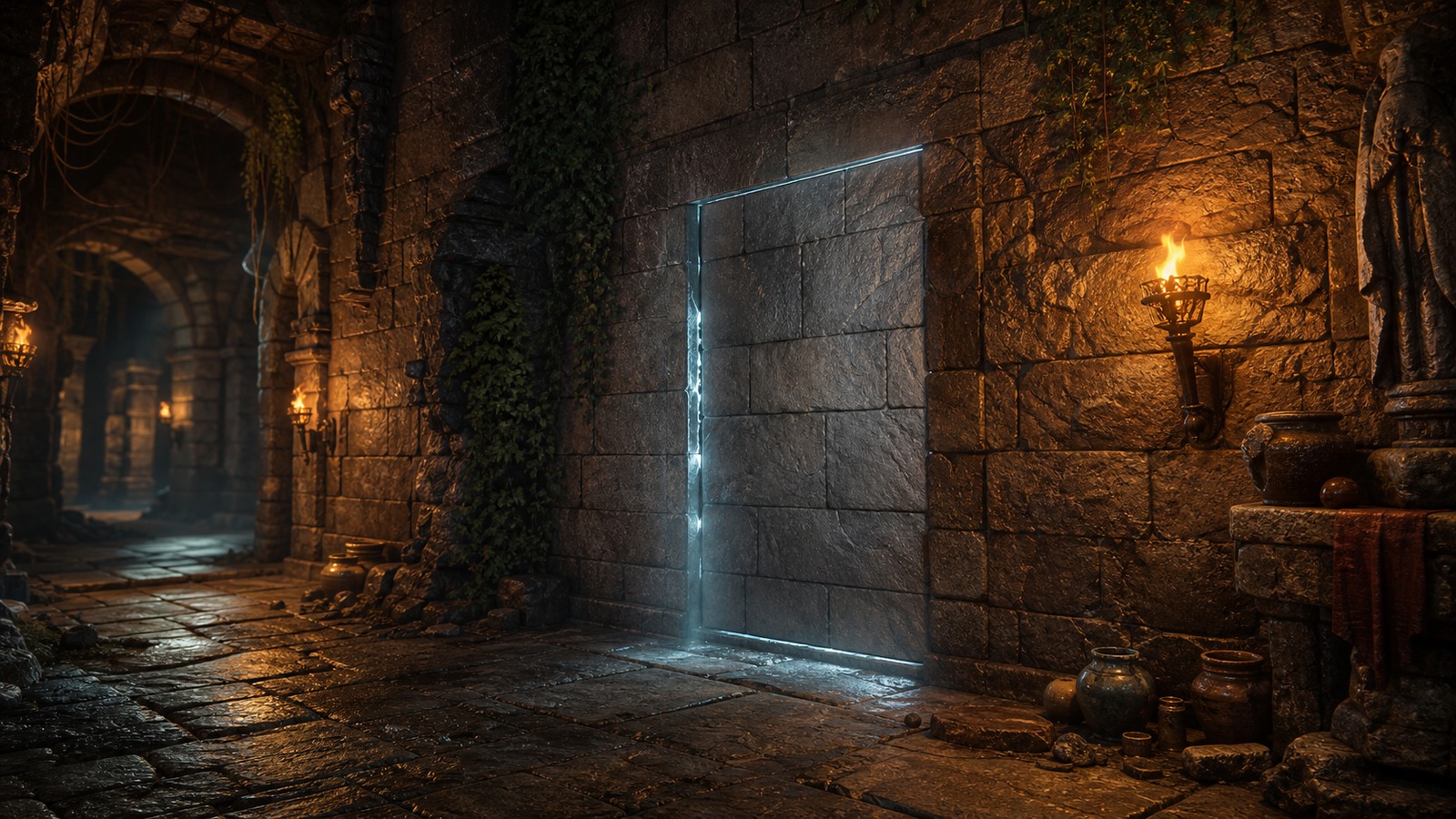
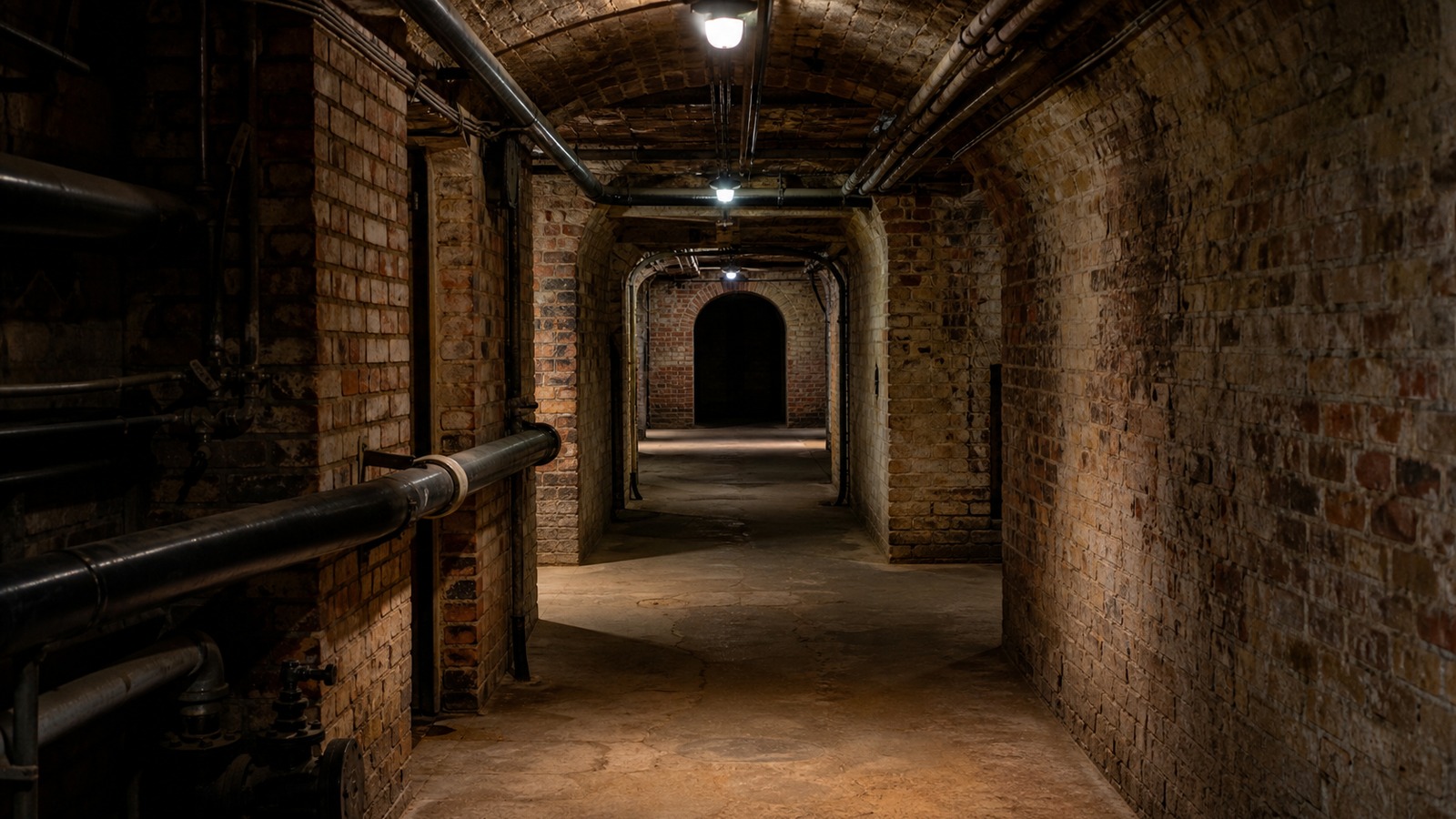
Urban legends about secret underground tunnels thrive because cities really do contain hidden systems. Below sidewalks and behind storefronts are basements, utility corridors, subway works, service passages, storm drains, old vaults, abandoned platforms, and infrastructure most residents never see. Those real spaces make larger stories feel plausible. A short cellar connection becomes a rumored network. A disused station becomes an elite escape route. A utility tunnel becomes evidence of a hidden city beneath the city. The legend grows where architecture, secrecy, and imagination overlap.
A: Cities contain real hidden infrastructure that makes larger stories plausible.
A: No, but they often exaggerate distance, purpose, or connections.
A: That era already suggests hidden drinking, smuggling, and basement activity.
A: It sits near daily commuters while remaining out of public view.
A: No. Unknown underground spaces can be unsafe and legally restricted.
A: Maps, permits, engineering records, surveys, and physical clues can help.
A: They express suspicion about private access and hidden influence.
A: Yes. Local routes can reveal real work patterns and urban history.
A: Engineering limits, property records, and documented building history.
A: Research them responsibly while respecting safety, property, and evidence.
Real Infrastructure Feeds the Rumor
Many tunnel legends start with real infrastructure. Steam tunnels, service corridors, transit works, pedestrian passages, storm drains, utility vaults, and basement connections are all part of urban life. Most people rarely enter them, so they become easy canvases for speculation. The less visible a space is, the more narrative weight it can carry.
That does not mean every rumor is false. Cities do have forgotten passages, sealed stations, old delivery routes, and unexpected underground rooms. The problem is scale. A real twenty-foot connection can become a mile-long network in retelling, especially when the story links dramatic locations.
Urban tunnel legends often exaggerate by connecting places people already associate with power or vice: courthouses, hotels, theaters, government buildings, bars, banks, ports, and old entertainment districts. The geography of rumor is rarely random.
Prohibition Stories Are Especially Sticky
In many North American cities, underground tunnel legends are tied to Prohibition-era drinking, smuggling, gambling, or hidden nightlife. Some are grounded in real basement rooms and service routes. Others grow because the era already feels secretive, urban, and theatrical.
A back stair, coal chute, delivery passage, or connected cellar can easily become a bootlegger tunnel in local memory. The story may preserve a kernel of truth while adding distance, danger, and glamour.
Abandoned Transit Has Mythic Power
Closed platforms, unused subway shells, old streetcar tunnels, and sealed pedestrian passages make powerful urban legends because they are hidden inside systems people still use. Commuters may pass near them every day without knowing. That closeness makes the secret feel intimate.
Underground Stories Explain Unequal Access
Some tunnel legends suggest that powerful people have routes ordinary citizens do not. Rumored passages connect mansions to banks, city halls to private clubs, hotels to theaters, or government buildings to escape points. These stories express suspicion about privilege as much as curiosity about architecture.
Whether or not a specific route exists, the pattern is revealing. People use hidden tunnels to imagine how influence moves out of sight. The tunnel becomes a physical metaphor for unequal access, private arrangements, and decisions made away from public streets.
That is one reason the legends persist even when evidence is weak. They feel emotionally true to people who believe cities contain hidden layers of power. The architecture becomes proof of a social feeling.
Smuggling Legends Need Practical Geography
Ports, rivers, borders, rail yards, warehouse districts, and old market streets often attract smuggling tunnel stories. The setting helps the rumor because hidden movement would make practical sense. Goods, alcohol, contraband, or people might need routes away from official inspection.
Still, practical geography does not prove a specific tunnel. A city can have a plausible waterfront and no hidden network at all. Responsible interpretation asks for maps, construction records, building surveys, and physical evidence.
Short Routes Become Long Networks
Urban legends like length. A short basement connection is interesting, but a tunnel from the hotel to the courthouse is better. A service passage under one block is useful, but a citywide maze is unforgettable. Each retelling can stretch the route toward a more dramatic destination.
This expansion is not just exaggeration for its own sake. Long tunnels connect places with meaning. They turn separate buildings into a secret system and make the city feel deliberately encoded.
The best way to evaluate a legend is to ask whether the claimed route makes engineering sense. Distance, grade, soil, utilities, water table, ventilation, property lines, and construction cost all matter. A story that ignores those constraints may be more symbolic than factual.
Even then, the symbol can be useful. It reveals how people imagine the city beneath their feet.
Safety Should End Casual Exploration
Rumored tunnels are not invitations to trespass. Underground spaces can contain bad air, unstable masonry, water, electrical hazards, biological contamination, confined-space risks, and legal restrictions. A legend may be fascinating from the sidewalk, but entering unknown infrastructure can be dangerous.
Evidence Often Shrinks the Story
Maps, archives, engineering drawings, insurance records, historic photographs, and building surveys often reduce a dramatic tunnel legend to a smaller truth. That can feel disappointing until the smaller truth is understood. A delivery tunnel, drainage route, or utility corridor can tell a rich story about work, infrastructure, and urban growth.
Evidence does not have to destroy the legend’s value. It can refine it. Instead of a secret citywide passage, the real discovery may be a specific cellar route used by a business, a forgotten pedestrian shortcut, or a sealed transit remnant. Those stories are more grounded and often more revealing.
The key is to let the city be interesting without forcing it to be impossible.
Why Cities Need Hidden Layers
Cities require hidden layers because public life depends on unseen work. Utilities move below streets. Deliveries enter from service doors. Transit systems need tunnels, platforms, and maintenance rooms. Old buildings retain cellars and vaults because changing them is expensive. The visible city is only the public face of a much larger system.
Urban legends exaggerate this truth, but they do not invent it. They take real hidden labor and turn it into a story about mystery, power, danger, or forbidden movement.
Good Tunnel Stories Are Local
The most useful tunnel legends are specific to place. They mention a particular block, industry, hotel, station, or waterfront. They can be checked against construction history, geography, and local memory. Generic claims about huge secret networks are less valuable than grounded stories that invite careful research.
Local specificity also helps preserve history. A rumor may lead someone to old maps, oral histories, or forgotten building records. Even if the tunnel is shorter than claimed, the investigation can recover real urban memory.
That is the best outcome: curiosity becomes documentation rather than trespass or fantasy.
The Tunnel Is a Story About the City
Urban legends about secret underground tunnels endure because they make cities feel layered. They suggest that the public street is only one version of reality, and that another route exists below, behind, or between the buildings. That idea is powerful because urban life already contains visible and invisible worlds.
Curiosity Works Best Above Ground
The safest and most rewarding way to engage these legends is through records, guided tours, museums, local historians, architecture, and responsible documentation. A person can learn a great deal by studying maps, basements, building ages, street grades, and old photographs without entering unsafe spaces.
That approach preserves both wonder and care. The city remains mysterious, but not because evidence is ignored. It remains mysterious because even verified infrastructure can be astonishing when viewed with attention. Secret tunnel legends are strongest when they lead to better questions about how the city was built, who moved through it, and why some routes stayed out of sight.
The Hidden City Is Part Fact and Part Feeling
The emotional force of urban tunnel legends comes from the fact that cities already divide experience unevenly. A visitor sees storefronts and sidewalks. A maintenance worker knows service rooms, locked grates, basements, utility shafts, and routes that keep public life functioning. A transit engineer reads the city differently from a commuter, and a night-shift cleaner may know thresholds that office workers never notice. The idea of a hidden city is therefore not entirely fantasy. It is a dramatic version of real differences in access and knowledge.
That is why debunking a legend should not flatten the city. If a rumored tunnel turns out to be a delivery corridor, that discovery still matters. It shows how goods moved, how workers avoided public rooms, how buildings connected to infrastructure, and how urban systems adapted over time. The smaller explanation may be less sensational than the rumor, but it often brings more people back into the story.
The best urban tunnel writing keeps both truths in view. Cities have real unseen layers, and people add meaning to those layers through rumor. A responsible reader can enjoy the suspense of a sealed stair or basement arch while asking how the route was built, who used it, and whether the claimed connection makes sense. In that balance, the tunnel legend becomes more than a spooky anecdote. It becomes a way to understand how public life depends on hidden work.
A Better Map Includes the Unseen
Urban tunnel legends are useful when they push people toward a better map of the city. That map includes not only streets and landmarks, but also service alleys, loading rooms, cellars, vaults, transit remnants, drainage systems, and the labor routes that rarely appear in tourist descriptions. The legend may begin with a rumor, yet the investigation can lead to real civic knowledge.
This kind of curiosity is generous because it notices people and systems that public stories often ignore. The tunnel does not have to be a grand secret network to matter. A short passage below a block can reveal how restaurants received supplies, how theaters moved equipment, how hotels separated guests from staff work, or how utilities were threaded through a crowded district. Once those hidden layers are understood, the city feels less like a flat surface and more like a living machine with memory below its polished rooms.
The Rumor Is Often Asking Who the City Serves
Many tunnel legends are really questions about access. Who gets a private route? Who moves unseen? Who works below the public floor while others enjoy the visible city? Even when the literal tunnel is exaggerated, those questions can be worth asking. They point toward the social structure of urban space.
A careful answer may involve workers rather than villains, infrastructure rather than conspiracy, and maintenance rather than romance. That answer can still be powerful. It restores the hidden city to the people who actually kept it running.
When viewed this way, the best tunnel legends do not end with a single yes or no. They become invitations to read the city more honestly, including the routes, rooms, and labor that public architecture usually hides. A rumored passage may shrink under investigation, but the city can grow more complex at the same time. The story begins as a mystery below ground and ends as a fuller account of how urban life is supported, serviced, protected, and remembered. That fuller account is often better than the rumor because it gives the hidden city real workers, dates, materials, and reasons instead of leaving it as a vague shadow. The tunnel becomes less sensational, but the city becomes more alive. That trade is usually worth making for anyone who loves cities and the stories underneath them, too.