Hollywood Uses Concealed Doors as Instant Storytelling
Concealed doors in Hollywood movies work because audiences understand them almost immediately. A wall opens, a bookcase swings, a panel slides, or a fireplace reveals a passage, and the scene changes without much explanation. The door tells viewers that the ordinary room has another layer. It can signal danger, wealth, comedy, secret knowledge, criminal planning, old inheritance, spy craft, or supernatural possibility. In film, a concealed door is rarely just a piece of architecture. It is a story cue that lets the camera move from what characters think they know into what the movie has been hiding.
A: They create visual surprise and move the story into a hidden layer quickly.
A: Some are plausible, but many exaggerate movement, weight, speed, or silence.
A: They combine hidden knowledge, visual camouflage, and a familiar room type.
A: Light tells viewers whether the hidden space feels inviting, dangerous, or strange.
A: Yes. Sudden entrances and exits make hidden doors useful for timing and confusion.
A: The film plants clues that make the reveal logical after the fact.
A: Not usually. Daily use, safety, and durability matter more.
A: They can borrow attention to mood, timing, lighting, and room identity.
A: Clicks, rumbles, and silence give the reveal emotional weight.
A: A concealed door works when it makes the world feel deeper.
The Reveal Gives the Scene a Turn
A concealed door is useful in film because it creates a visible turn in the scene. Characters may be trapped, suspicious, bored, or confident, and then the room changes. The reveal can redirect the plot in a single movement. The audience does not need a speech explaining that another world exists; the wall opening does the work.
That movement is also easy to read from across a theater. A gap appears, light spills from another space, a panel shifts, or a shelf moves against expectation. Film is a visual medium, and concealed doors give directors a clean image for surprise.
The best reveals are timed to character emotion. A door opening too early can feel like decoration. A door opening at the exact moment of fear, suspicion, discovery, or betrayal can make the whole room feel alive.
Genres Use Concealment Differently
In a comedy, a concealed door may produce confusion, mistaken identity, or a fast exit. In a thriller, it may create vulnerability. In a mystery, it can become evidence. In a fantasy film, it may invite wonder. The same architectural device changes meaning depending on the genre around it.
That flexibility explains why Hollywood returns to concealed doors so often. They are easy to adapt. A bookcase can be funny in one scene and ominous in another. A panel can hide a villain, a treasure, a laboratory, a servant route, or a private retreat.
Set Designers Build for Camera Logic
A concealed movie door must work for the camera, not only for a fictional building. The opening needs to be legible from the chosen angle, timed with the actor’s movement, and safe for repeated takes. The disguise may look perfect from one side and be completely practical backstage.
Light Makes the Hidden Space Legible
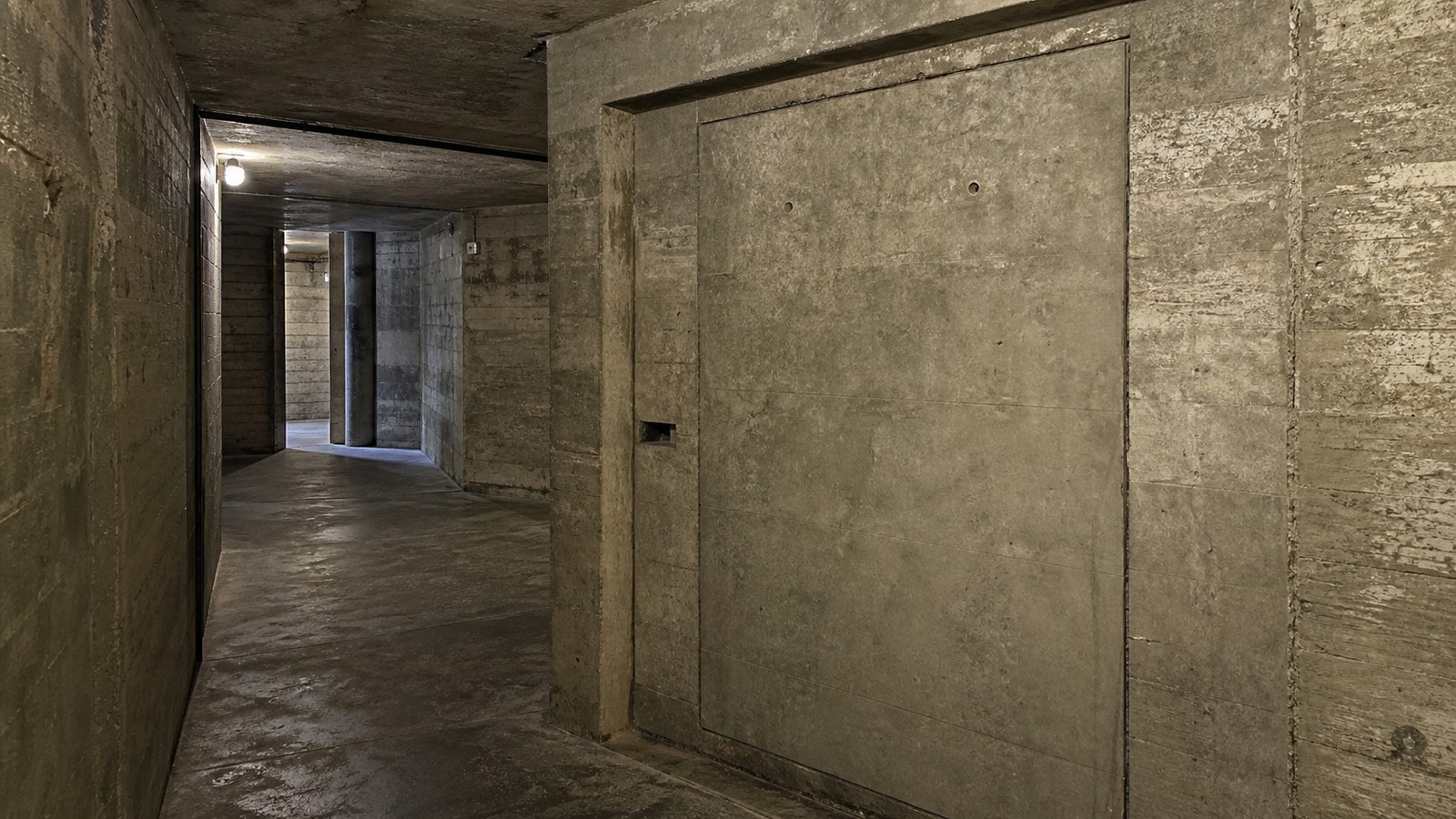
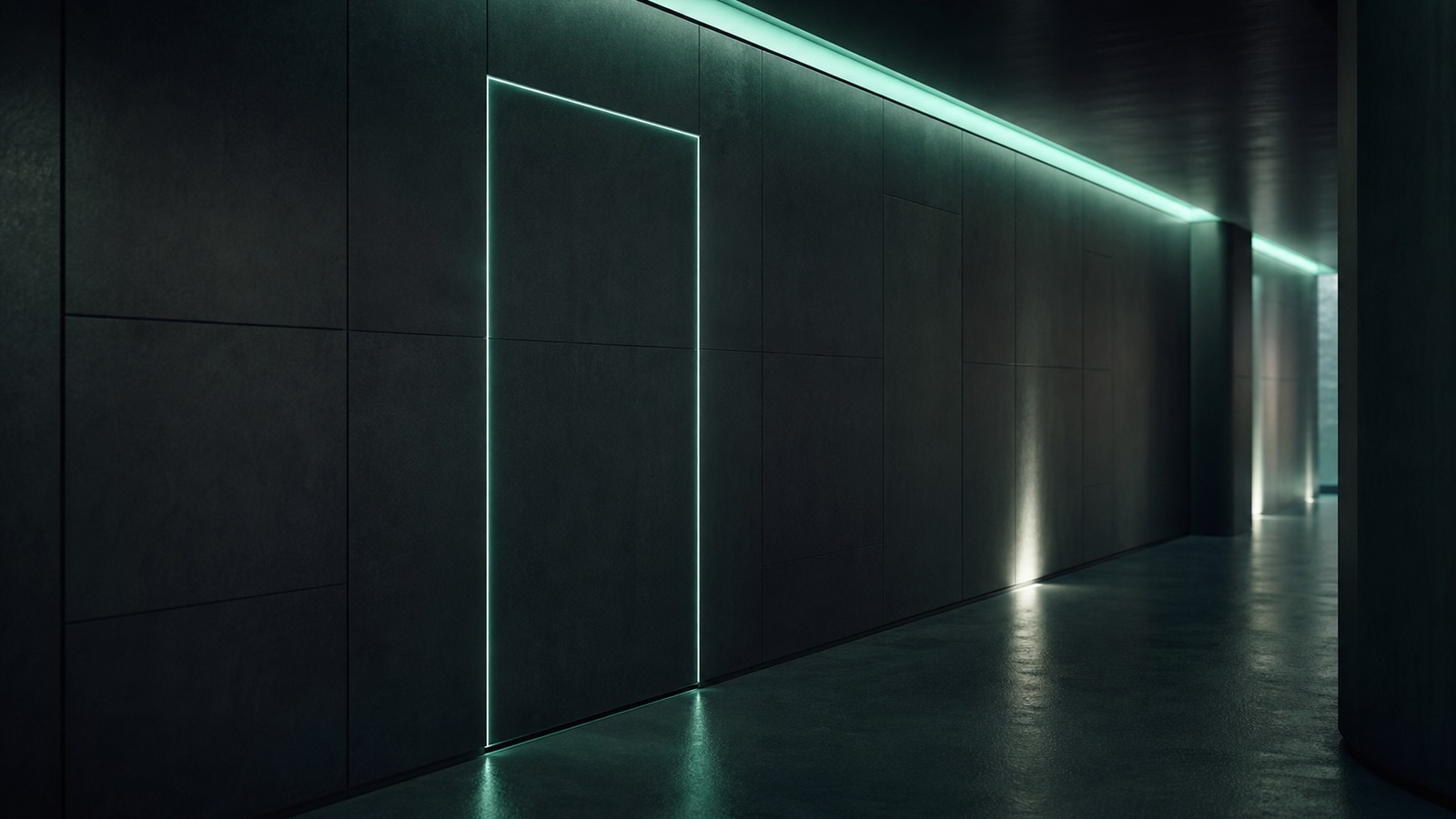
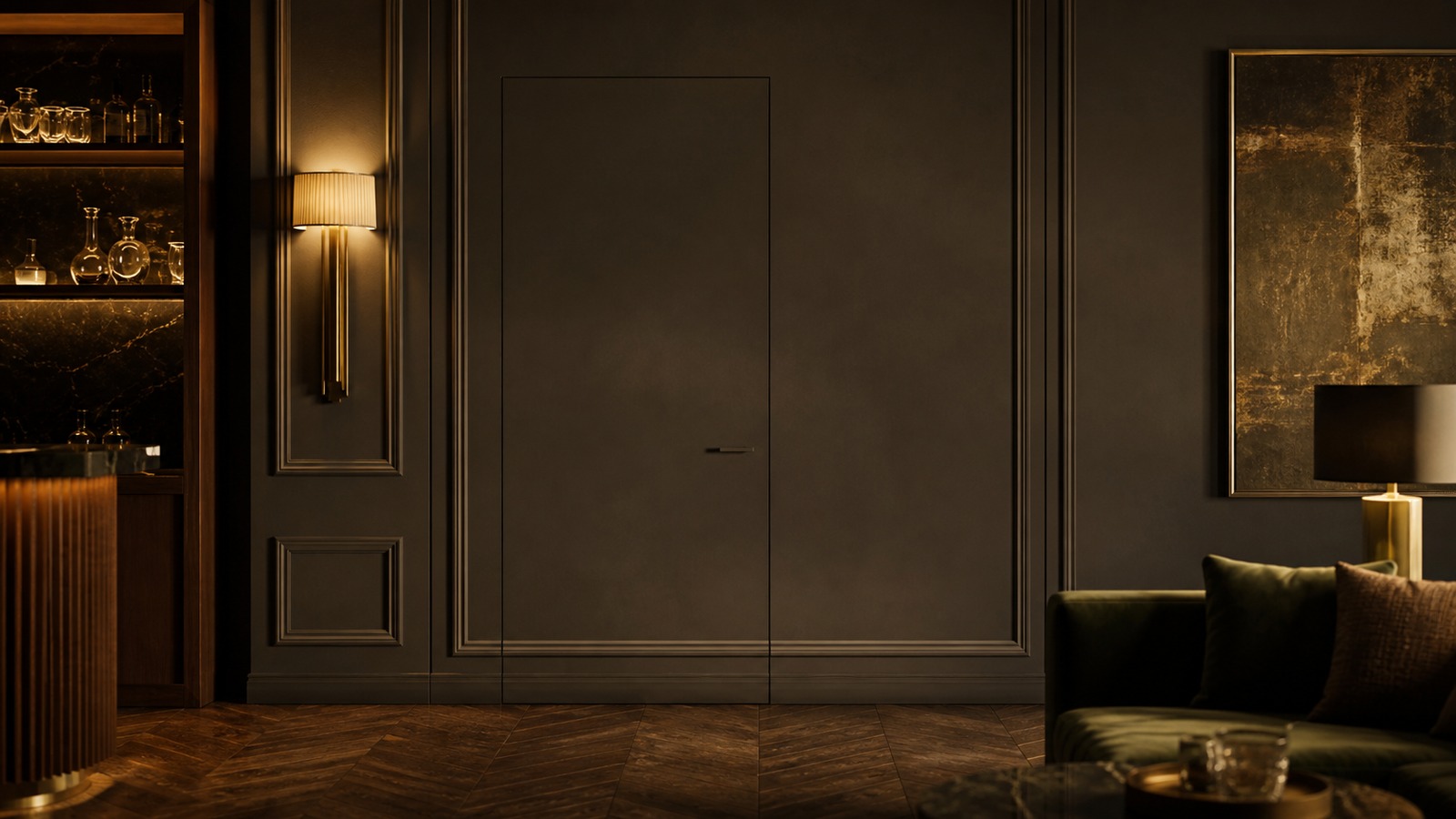
When a concealed door opens in a movie, light often tells the audience how to feel. Warm light may make the hidden room inviting. Cold light can suggest danger or secrecy. A hard line of brightness behind a dark panel can make the reveal feel dramatic before anything inside is visible.
This lighting is part of the storytelling. The door is not only opened; it is introduced. Cinematographers can use contrast, shadow, haze, color, and reflection to make the threshold read as safe, forbidden, luxurious, comic, or uncanny.
Real concealed doors can learn from that idea without becoming theatrical. A hidden home office, pantry, or lounge may benefit from lighting that makes the reveal feel intentional and comfortable. The door should not open into a dull afterthought.
Concealed Doors Show Who Has Control
In movies, the character who knows the concealed door often has power. They know the house better, control the escape route, understand the villain’s lair, or possess family knowledge others lack. The hidden door becomes a sign of access.
Sometimes that access is heroic. Sometimes it is sinister. Sometimes it is absurd. Either way, the doorway changes the balance between characters because one person understands the room differently from the others.
This is why concealed doors pair so well with suspense. A room is never neutral once someone may be hiding behind it, watching through it, or leaving through it.
Control can also shift away from the character who built the secret. If another person discovers the door, the hidden advantage reverses. Hollywood loves that reversal because it turns architecture into a contest: the same concealed route that protected one character can expose them a scene later.
Comedy Loves the Sudden Exit
Concealed doors are not only dramatic. Hollywood comedies use them for fast entrances, secret chases, awkward escapes, and rooms that behave like puzzles. A character can vanish through a wall, appear where they should not, or misunderstand the geography of a house.
Mysteries Turn Doors Into Clues
In mystery films, a concealed door changes the evidence. It can explain how someone entered a locked room, moved unseen, hid an object, or observed a conversation. The door becomes part of the logic the audience must solve.
That is why mystery concealed doors need fairness. If the reveal matters to the plot, the film often plants small visual hints: an odd shelf, a draft, a repeated sound, an unusual wall thickness, or a character who knows too much about the room. The viewer may not notice at first, but the clue should make sense later.
Good design can do the same in real spaces. A hidden door does not always have to be invisible from every angle. Sometimes the pleasure is in noticing the seam after the reveal and realizing it was there all along.
Hollywood Often Exaggerates the Mechanism
Movie doors can slide silently, open impossibly fast, or carry heavy shelves with effortless grace. Real concealed doors have to deal with weight, hinges, clearances, latches, floors, fire safety, and maintenance. Film can compress those problems because the mechanism only needs to work for the scene.
That exaggeration is not a flaw when viewers understand the genre. A movie may want the hidden door to feel magical, sinister, or sleek. Practical realism matters only when the film asks the audience to believe in a grounded world.
The Best Movie Doors Fit the Room’s Personality
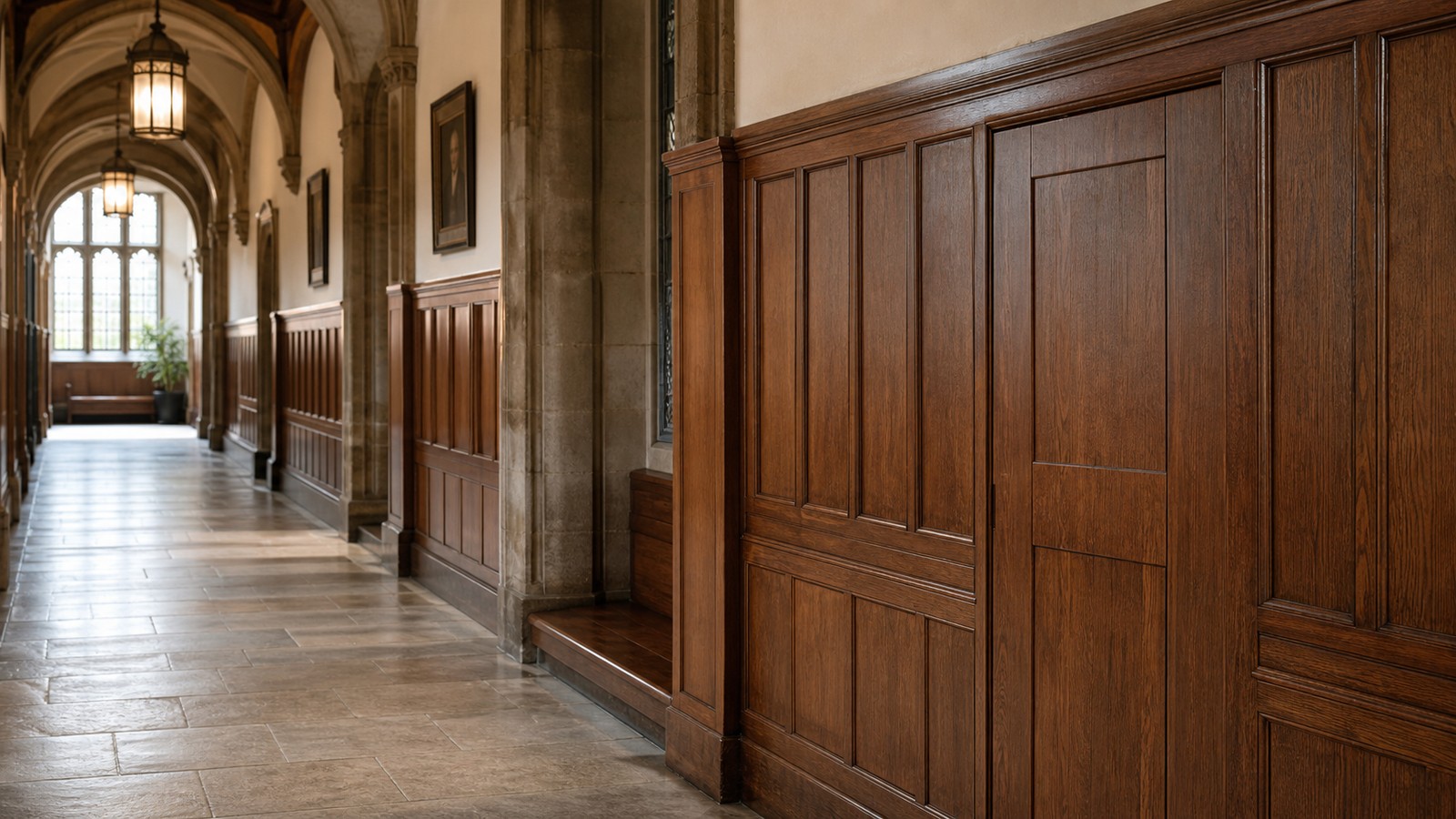
A concealed door in a Hollywood film works best when it feels like the room would naturally hide it. A library suggests bookcases. A mansion suggests paneling. A laboratory suggests clean sliding surfaces. A theater suggests backstage trickery. A rustic house may hide a floor hatch or cupboard passage.
When the disguise belongs to the room, the reveal feels satisfying rather than random. The audience senses that the hidden door was part of the world before the camera found it.
This is also the strongest lesson for residential design. A concealed door should borrow the room’s existing language. If the space is quiet and modern, the hidden door should be quiet and modern. If the room is traditional, the disguise should come from trim, shelves, or panel rhythm.
Sound Sells the Reveal
The sound of a concealed movie door matters. A soft click, heavy rumble, faint latch, hollow scrape, or sudden silence can shape the audience’s response. Even a visually simple door can feel powerful when the sound design gives it weight.
Concealed Doors Help Movies Move Between Worlds
Hollywood uses concealed doors because they let a film move between worlds without leaving one location. The drawing room becomes a passage. The office becomes a command center. The museum becomes a vault. The ordinary set expands into something larger.
That spatial expansion is economical and emotional. It makes the world feel deeper while keeping the audience grounded in a familiar room. The door says there is more here, and the film proves it by crossing the threshold.
Movie Lessons Can Improve Real Hidden Doors
Real homeowners and designers should not copy Hollywood mechanics blindly, but they can borrow Hollywood judgment. Think about the reveal, the lighting, the hand movement, the sound, and the relationship between the hidden room and the visible space. A concealed door is an experience, not only a construction detail.
The difference is that real doors must keep working after the reveal. They need safe operation, sensible hardware, durable finishes, and a reason to exist beyond surprise. Hollywood can celebrate the moment. Real design has to support daily use.
The best residential concealed doors therefore combine cinematic pleasure with practical calm. They give the room a little drama without forcing the homeowner to live inside a prop.
The Wall Opens Because the Story Needs Depth
Concealed doors remain useful in Hollywood because they make hidden depth visible. A film can talk about secrets for an hour, but a wall opening lets the audience feel secrecy in an instant. That is the enduring power of the device.
Whether the movie is funny, frightening, glamorous, or strange, the concealed door delivers the same basic promise: the visible room is not the whole truth. For cinema, that is almost irresistible. It gives the camera a threshold, the character a choice, and the audience the pleasure of discovering that the story had another room waiting all along.
The Movie Door Must Serve the Cut
A concealed door in film also has to serve editing. The reveal may provide a transition, a punchline, a scare, or a shift from dialogue to action. When the door opens, the scene can cut to a reaction, a new angle, a hidden room, or an object that changes the stakes. The architecture gives the editor a clean hinge between beats.
This is one reason movie concealed doors often feel more decisive than real ones. The film chooses exactly when the audience sees the seam, hears the latch, and understands the route. Real life is messier, but the cinematic version teaches a useful design lesson: the reveal should have a point of view. The person opening the door should know what experience they want to create.
In a home, that might mean a pantry that makes a kitchen feel calmer, a media room that opens with warm light, or a library door that turns an office into a pleasant discovery. The movie version is heightened, but the principle is grounded. A concealed door is strongest when it creates a meaningful before and after.
Hollywood Keeps the Device Fresh Through Context
The concealed door has lasted in Hollywood because the context keeps changing. A hidden bookcase in an old mystery, a sliding panel in a modern thriller, a comic trapdoor in a farce, and a sleek wall in a science-fiction film may all use the same basic idea, yet each one feels different because the room, genre, lighting, and character stakes are different. The door is reusable because it is not tied to only one emotion.
That flexibility is the real lesson. A concealed door becomes tired only when it is treated as a trick without context. When the threshold grows from the story world, it can feel fresh again. The audience does not simply see a wall open. It sees a room confess that it has been withholding something, and that confession remains one of cinema’s most dependable pleasures.
The Reveal Is Small but Economical
That economy is why filmmakers keep reaching for the device. A concealed door can reveal character, redirect plot, deepen setting, and create suspense in seconds. Few props or architectural details can do so much narrative work with one movement, especially when the room has been waiting for it.