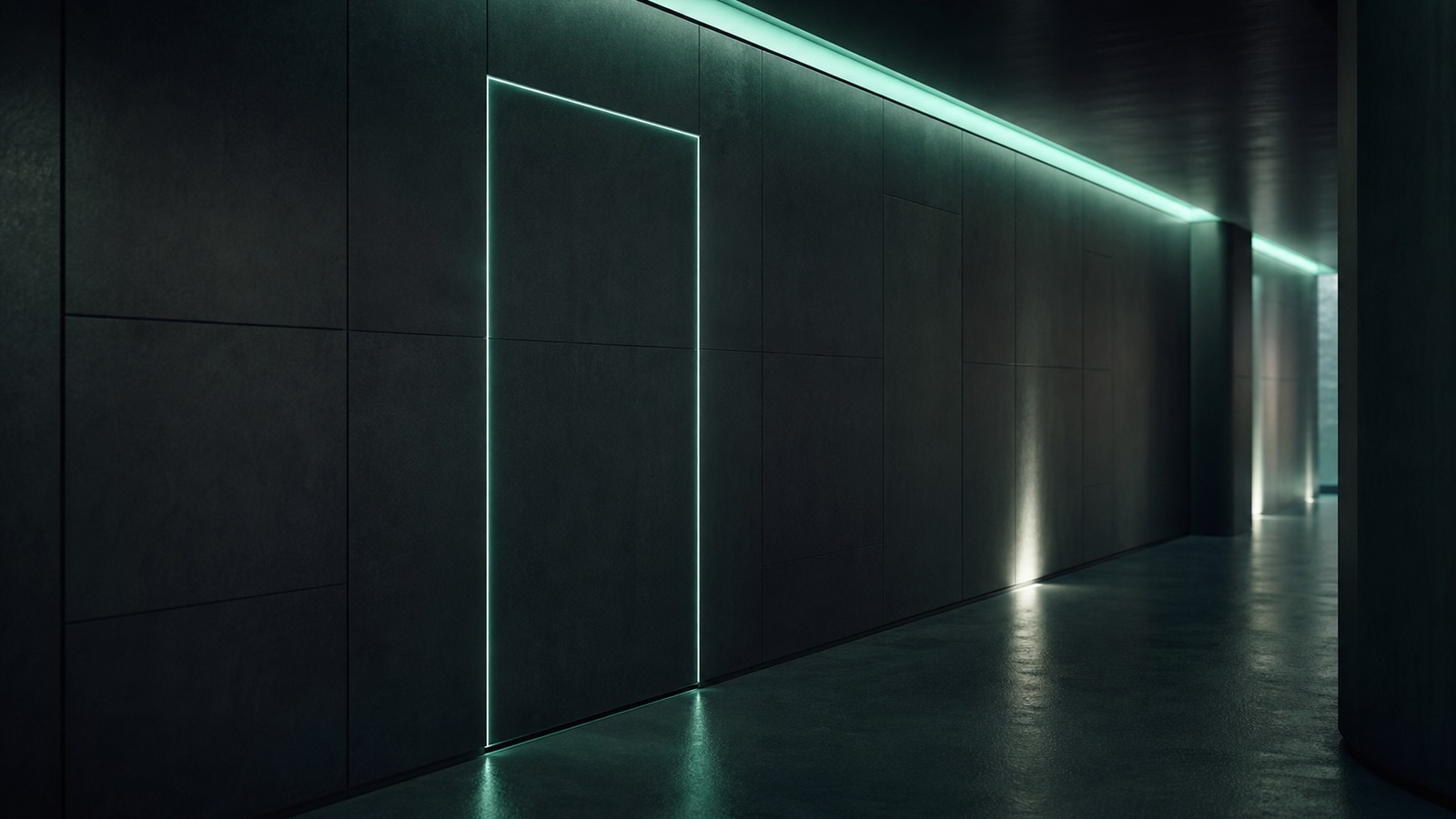
Theme Parks Hide Doors to Protect the World
Concealed entrances in theme parks are less about private mystery and more about maintaining a carefully built illusion. Guests are meant to feel as if they have entered a jungle outpost, castle street, spaceport, haunted village, or cartoon town, even though every land depends on staff routes, service doors, emergency access, ride control, storage, maintenance, and performer movement. A visible utility door can puncture that world quickly. A well-concealed entrance lets the park keep working while the story remains intact.
A: They protect immersion while allowing staff, performers, and services to move.
A: No. Many are clearly marked backstage while visually softened for guests.
A: They use scenic texture, shadow, props, and placement to break up scale.
A: Yes, but they must remain compliant and understandable when needed.
A: A door in a crowded path can create risk, curiosity, or visual disruption.
A: Often, because invisible circulation helps appearances feel timed and natural.
A: Hide useful access in a way that supports the whole room experience.
A: Slams, carts, and mechanical noise draw attention even when the surface blends in.
A: Yes. Heavy use and weather make durability essential.
A: Concealment works best when it preserves an experience while supporting operations.
Backstage Access Has to Be Everywhere
A theme park is a public show layered over a working facility. Employees need to move behind restaurants, attractions, shops, parade routes, costume areas, kitchens, mechanical rooms, and storage spaces. The more immersive the guest area feels, the more carefully those entrances have to disappear.
Concealed access does not mean the park is trying to be mysterious for its own sake. It means operations cannot stop. Food must be delivered, performers must enter on cue, technicians must reach equipment, and supervisors must respond to issues without turning every themed street into a service corridor.
The hidden entrance is therefore a bridge between two realities. On one side is the guest-facing story. On the other is the practical system that keeps the story running.
Scenery Gives Doors a Cover Story
The best theme-park doors borrow from the world around them. A staff entrance may look like a barn plank wall, temple stone, ship hatch, market stall, rock face, palace panel, or futuristic service port. The disguise works when it seems to belong to the environment before anyone wonders whether it opens.
Guest Flow Shapes the Placement
Hidden entrances cannot be placed only where they look pretty. They have to work with crowd movement. A door that opens into a busy queue, parade path, or photo spot can create confusion and risk. Designers study where guests pause, where strollers collect, where lines turn, and where sightlines are strongest.
Sometimes the best concealment is not a perfect disguise but a smart location. A service door tucked into a bend, shadow, or transition zone may need less visual camouflage because guests are naturally looking somewhere else.
Attractions Use Concealment for Timing
Inside attractions, concealed entrances help performers appear at the right moment, maintenance teams reach scenes, and emergency routes stay accessible. A hidden panel in a themed wall might allow an actor to step into a room between ride vehicles. A service hatch might let staff reset effects without walking through the guest path.
Timing is everything in these spaces. A visible staff movement can spoil a scare, reveal a mechanism, or break the pacing of the experience. Concealed entrances let the show breathe without showing every backstage breath.
They also help attractions recover. When something needs attention, staff can often reach the area from a route guests do not see. That keeps the operation calmer and the story less fragile.
Emergency Access Still Comes First
No themed disguise can outrank safety. Emergency exits, fire routes, accessibility requirements, staff response points, and evacuation paths must remain functional and code compliant. The design challenge is to keep those routes clear and recognizable to the people who need them while avoiding unnecessary visual intrusion for guests.
Texture Helps Large Doors Disappear
Theme parks often need big concealed openings for carts, equipment, performers, or maintenance vehicles. Large doors are hard to hide on a flat surface, so scenic texture becomes important. Rockwork, layered trim, overlapping signs, shutters, crates, awnings, and deep shadows can break up the scale.
Scale management is one of the quiet arts of themed design. The door may be wide, but the guest should read the area as scenery first. The more the surrounding world explains the details, the less the entrance calls attention to itself.
Sound and Smell Can Betray a Door
A concealed entrance may look perfect and still fail if sound or smell gives it away. A kitchen door hidden in a village wall can reveal itself through food smells, rolling carts, or sudden noise. A maintenance door near a ride scene can announce itself with mechanical clatter.
Theme-park designers think beyond the visual surface. Seals, vestibules, acoustic treatment, door closers, and operational habits can help preserve the illusion. A disguised entrance should behave like part of the world, not just look like it.
This is especially important in quiet themed areas. Guests notice contrast. A hidden door that slams every five minutes becomes more visible than a plain door that behaves politely.
Performers Need Invisible Routes
Character performers, actors, guides, musicians, and scare teams often rely on hidden routes to appear naturally in the world. The guest may experience a surprise entrance, a perfectly timed greeting, or a character who seems to belong in the scene. Behind that moment is a circulation plan.
Maintenance Entrances Must Age Well
Theme-park doors are touched, opened, cleaned, repaired, and weathered constantly. A scenic paint finish that looks convincing on opening day has to survive thousands of uses. Hinges, thresholds, gaskets, and latches need maintenance access without destroying the disguise.
This is where theme-park concealment differs from a one-time theatrical set. The door must keep disappearing after sun, rain, crowds, cleaning, repainting, and operations. Durability is part of the illusion.
Some Doors Are Hidden in Plain Sight
Not every concealed entrance is meant to be invisible. Some are disguised as ordinary themed doors that guests mentally ignore because they seem to belong to shops, cottages, offices, or prop buildings. The entrance is visible, but its backstage purpose is concealed.
This approach can be more reliable than extreme hiding. A door that looks like a natural part of a themed street can be easy for staff to use and easy for guests to overlook.
The strongest parks often combine both strategies: fully hidden access where the illusion requires it, and believable ordinary doors where the world can absorb them.
Residential Designers Can Learn From the Discipline
Theme parks show that concealed doors work best when they support a larger experience. In a home, that might mean hiding storage to calm a hallway, concealing a pantry to preserve a kitchen wall, or placing a hidden office behind millwork that already suits the room.
The Guest Should Never Feel Tricked by Safety
Concealment in a park should create wonder, not confusion during a serious moment. Emergency signage, staff access, and evacuation logic have to remain clear to the right people. The guest-facing illusion and operational clarity must coexist.
That balance is harder than it appears. The park wants to hide its machinery, but it cannot hide responsibility. Good design keeps the magic intact while making sure trained staff can act quickly.
This is one reason the best hidden entrances are designed in partnership with operations, safety, and maintenance teams. Scenic designers can make a panel disappear, but the people who use it every day know whether it opens fast enough, clears traffic, and remains understandable under pressure. The illusion is stronger when practical users trust it.
Hidden Entrances Keep the Show Alive
Concealed entrances in theme parks prove that hidden doors are not always about secrets in the dramatic sense. They can be about continuity. They allow people, supplies, maintenance, performers, and safety systems to move through a place without interrupting the guest’s emotional journey.
When they work well, visitors do not think about them at all. They simply feel that the world is complete. The street stays charming, the attraction stays immersive, the character appears on time, and the service operation remains invisible. That quiet success is the point. A theme park hidden entrance is less a puzzle than a courtesy to the story everyone came to inhabit for a while.
Transitions Are Prime Hiding Places
Theme parks often place concealed entrances near transitions because guests are already adjusting their attention. A path may move from bright exterior to darker queue, from open plaza to narrow alley, from restaurant patio to service corner, or from one themed land to another. These edges are useful because the guest’s eye expects change. A disguised door can blend into that shift without becoming a focal point.
Transitions also help with sound, smell, and crowd behavior. A vestibule behind a scenic door can reduce kitchen noise. A staff route near a bend can keep a costumed performer from crossing a long exposed sightline. A maintenance panel in a queue pre-show can be reached when the room is cleared between cycles.
The principle is subtle but powerful. Concealment is not only about making a surface look convincing; it is about choosing where guests are least likely to interrogate the surface. Good themed design uses attention as a material.
Weather Makes Concealment a Long-Term Problem
Outdoor theme-park entrances face sun, rain, wind, heat, cold, cleaning, and constant use. A painted scenic panel can fade differently from fixed wall sections. Swelling materials can create new gaps. Hardware that worked quietly during installation can begin to squeak after a season of operation.
That means the hidden entrance has to be designed for repair. Crews need access to hinges, closers, gaskets, and locks without destroying the scenic finish. A beautiful disguise that cannot be maintained will eventually reveal itself through wear. Durable concealment is not frozen in place; it is a system that can be refreshed while the park keeps welcoming guests.
Staff Training Completes the Trick
Even a beautifully concealed entrance can fail if people use it carelessly. Staff need to know when to open it, how to block guest views, how to close it quietly, and how to report damage before the disguise deteriorates. The entrance is part of a routine, not only a design feature. When crews treat it consistently, guests continue to read the themed surface as part of the world.
Concealment Makes the Park Feel Generous
The hidden entrance ultimately serves the guest by keeping distraction low. Visitors are free to photograph facades, enjoy queues, watch characters, and move through lands without constantly seeing the industrial support behind them. That does not mean the support is unimportant. It means the park has done the courteous work of organizing reality so the fantasy can stay generous.
For designers outside themed entertainment, that generosity is a useful idea. A concealed door should not merely prove cleverness. It should remove friction, preserve a room’s intention, and make the visible experience feel more complete.
In that sense, theme parks treat concealment as hospitality. They hide what would distract guests while keeping everything essential close enough to function. The visible world feels richer because the practical world has been respectfully organized behind it, carefully, patiently, and with daily operational humility for every busy operating day.
That richness is easy to miss because success is quiet. Guests remember the land, not the staff door that never pulled focus. Hidden entrances earn their keep by letting the intended memories rise to the surface, especially in places where a single exposed service moment can make an otherwise convincing world feel suddenly thin again.