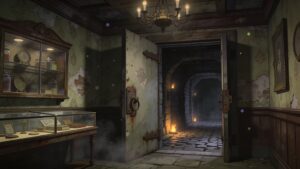
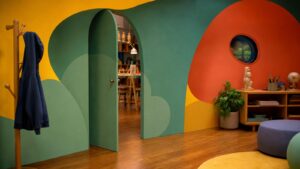
Hidden doors have long been one of television’s most irresistible storytelling devices—quietly transforming ordinary rooms into gateways of mystery, power, and surprise. In TV shows, these concealed entrances don’t just hide spaces; they hide secrets, identities, and entire plot twists waiting to be revealed. A simple bookshelf, wall panel, mirror, or fireplace suddenly swings open, and viewers instantly know something important is about to happen. From secret doors that protect forbidden knowledge to invisible doors that vanish into flawless set design, hidden entrances are visual clues that reward sharp-eyed fans. Flush-mount doors blend seamlessly into modern interiors, while disguised doors masquerade as everyday furniture or architectural details. Some lead to hidden interior rooms filled with intrigue, others open to concealed exterior exits perfect for dramatic escapes or covert arrivals. Across genres—crime dramas, sci-fi epics, fantasy sagas, and psychological thrillers—hidden doors help define characters and worlds. They symbolize control, secrecy, intelligence, and survival. This page explores the many types of hidden doors seen on television, breaking them down by style, function, and storytelling impact, and revealing how these secret passages quietly shape some of TV’s most unforgettable moments.
A: Some are functional; many are lightweight set illusions.
A: Often no—locks are simulated for filming.
A: Yes, but real-world codes must be followed.
A: They’re instantly recognizable and dramatic.
A: Rarely without modern construction methods.
A: Sometimes, with crew just off-camera.
A: Not usually—audio is controlled separately.
A: Clean visuals sell the illusion.
A: Frequently, with new finishes applied.
A: Almost always in TV storytelling.