


Secret Doors in History: Castles, Palaces, and Hidden Tunnels
Secret doors in history reveal tales of intrigue, survival, and ingenuity. From medieval castles with hidden escape routes to palaces with concealed chambers, these passageways protected rulers, aided spies, and inspired legends. They embody both practicality and mystery, showing how architecture shaped power and secrecy. Exploring them today connects us to centuries of stories hidden behind stone walls and wooden panels.

How Disney Parks Use Secret Doors and Tunnels
Discover how Disney parks hide the machinery of magic with secret doors, backstage routes, and tunnels that keep every themed world seamless.

Underground Cities and Their Hidden Entrances
Underground cities depended on hidden entrances that controlled movement, protected communities, and made below-ground life possible.
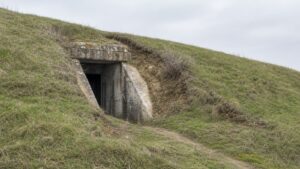
Military Bunkers and Their Concealed Entrances
Military bunker entrances reveal how concealment, terrain, protection, logistics, and disciplined access shape hardened architecture.
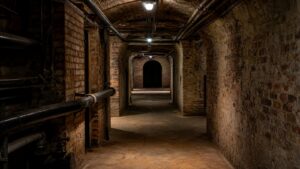
Urban Legends About Secret Underground Tunnels
Urban legends about secret underground tunnels grow from real infrastructure, hidden histories, local fear, and the strange appeal of unseen city routes.
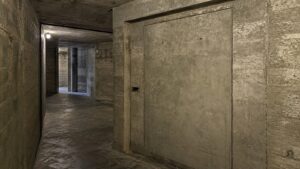
Concealed Doors in World War II Bunkers
Concealed doors in World War II bunkers were shaped by camouflage, blast protection, restricted access, ventilation, supply movement, and survival under attack.
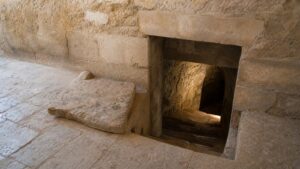
Concealed Entrances in Underground Cities
Concealed entrances in underground cities helped communities manage defense, ventilation, storage, daily movement, emergency retreat, and secrecy from the surface.