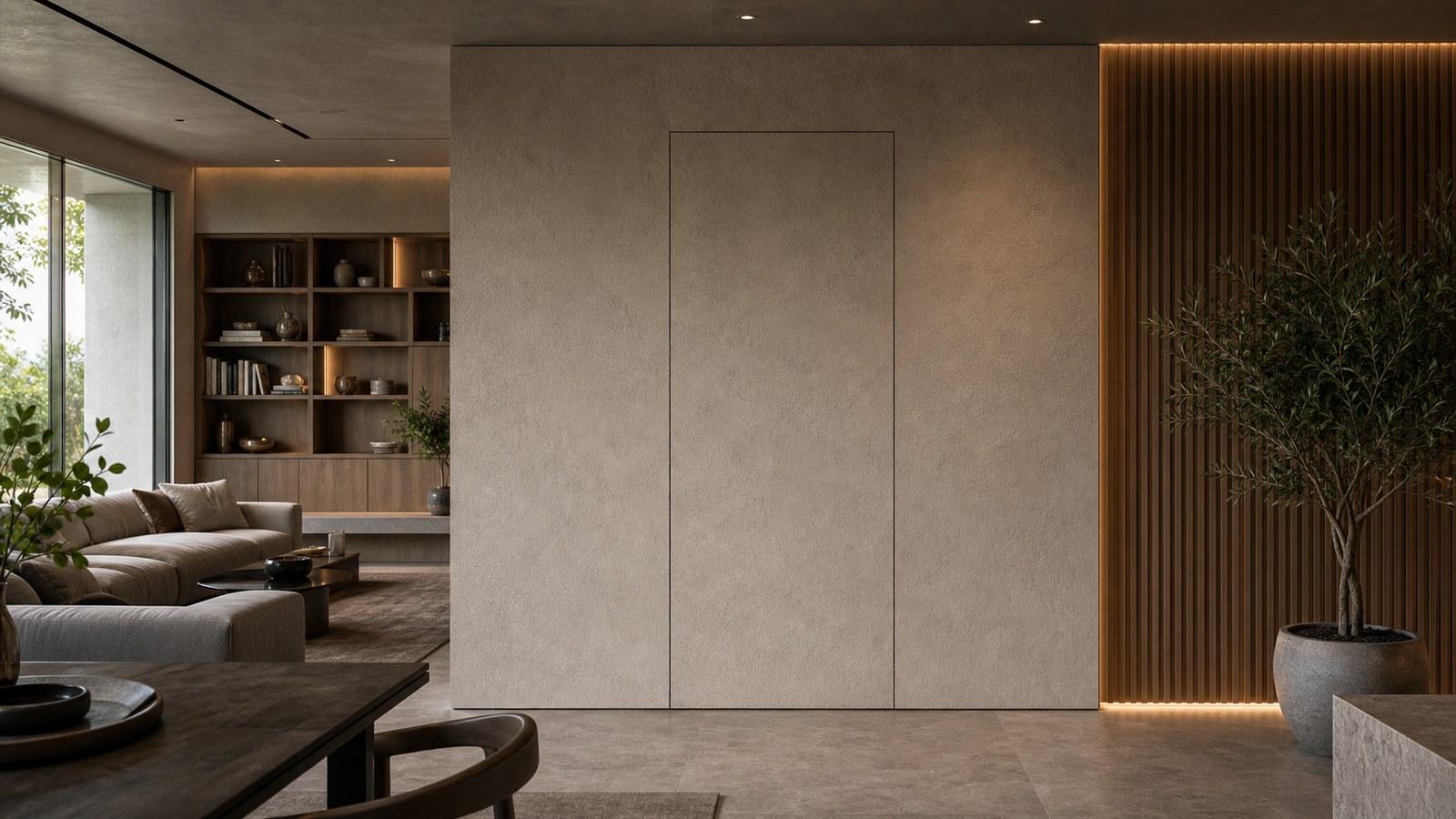
Hidden doors have always captured human imagination. From medieval castles with concealed chambers to secret passages in classic literature, the concept of a disguised entrance resonates with mystery, sophistication, and excitement. Today, hidden doors are no longer just whimsical novelties or elements reserved for the wealthy elite. They have found their place in modern homes, where sleek lines, minimalist aesthetics, and multipurpose design demand solutions that are both functional and visually captivating. The idea of concealment aligns perfectly with contemporary architecture. As homeowners gravitate toward clutter-free interiors and seamless transitions between spaces, hidden doors provide the perfect blend of utility and surprise. They preserve visual harmony while concealing practical spaces such as pantries, offices, or private retreats. The allure lies not just in their mystery but in their ability to merge aesthetics with functionality in a way that feels intentional and refined.
A: “Hidden” describes the look; “frameless” refers to mud-in jamb kits that visually erase trim.
A: Dead-flat/matte in the same color and batch as the wall; avoid grazing lights at the seam.
A: Yes—plan for blocking, drywall/plaster repair, and precise finish matching.
A: Pivots suit tall/heavy doors; concealed hinges seal better and keep hardware invisible.
A: Not always—push-to-open latches or micro edge-pulls keep faces clean; follow accessibility needs.
A: Solid cores, perimeter gaskets, and multi-point latching provide real acoustic gains.
A: Re-skim with plaster/microcement or overlay with panels/slats that continue across the leaf.
A: From kit frames to custom millwork systems; size, finish, and hardware drive pricing.
A: Simple flush retrofits: a couple of days; complex pivot panel walls: multi-trade, 1–3+ weeks.
A: Annual alignment checks, seal refresh, touch-up paint on edges, and hinge/bearing lubrication.
Why Modern Homes Embrace Hidden Doors
In modern residential design, open floor plans and integrated living areas dominate. Yet even in the most open environments, there is a growing demand for privacy, discretion, and creative storage solutions. Hidden doors deliver on all three. By disappearing into walls, cabinetry, or built-ins, they support the clean, uninterrupted lines that define contemporary interiors. At the same time, they offer an element of personalization that turns a house into a unique, story-filled home.
Designers and architects increasingly view hidden doors as opportunities to push creativity. Instead of adding another ordinary doorway, they create an unexpected moment—one that simultaneously enhances the home’s efficiency and enriches the homeowner’s daily experience. For those who value design ingenuity, hidden doors are the perfect way to blend luxury with purpose.
The Rise of Seamless Integration
What sets modern hidden doors apart from their historical counterparts is the emphasis on seamless integration. Rather than drawing attention to themselves, these doors vanish into the architecture. They are designed to disappear, leaving behind the illusion of unbroken surfaces, smooth walls, or uninterrupted cabinetry. The hiddenness itself becomes the design statement, demonstrating craftsmanship and attention to detail.
Seamless hidden doors are made possible by advances in concealed hinges, pivot systems, and flush-to-wall installations. These technologies allow doors to open smoothly without visible frames or handles. Homeowners can enjoy the drama of a concealed entrance without sacrificing performance. The result is a door that is as functional as it is magical, merging modern engineering with timeless intrigue.
Hidden Doors in Living Rooms and Lounges
The living room is often the heart of the home, a space where design is meant to impress and comfort simultaneously. Hidden doors here can add intrigue without disrupting the flow. A bookcase door in a lounge can conceal a private office or library, transforming a familiar gathering space into one filled with discovery. Paneled wall doors are particularly effective, blending into decorative wainscoting or modern wall treatments so guests never notice their existence.
These doors provide homeowners with the ability to keep certain rooms—such as media rooms, game spaces, or storage closets—out of sight until needed. The living room becomes more than a place to relax; it becomes a stage where design surprises unfold. Hidden doors in lounges serve as both conversation starters and practical features, offering a sophisticated twist on everyday living.
Kitchen Designs with Hidden Elegance
Kitchens are the hub of activity in most homes, and yet they often require clever solutions to manage storage and maintain style. Hidden doors here have become increasingly popular for concealing pantries, service areas, and utility rooms. A pantry disguised as a cabinet door blends effortlessly into the cabinetry, ensuring that even large storage spaces remain hidden from view.
The beauty of hidden doors in kitchens lies in their ability to maintain sleek aesthetics. For example, a wall of cabinetry may conceal not just dishes and cookware but also an entire room stocked with appliances and supplies. This level of concealment preserves the kitchen’s design integrity, keeping surfaces uncluttered and stylish. For entertaining, hidden doors in kitchens allow hosts to keep the functional aspects of preparation out of sight, elevating the dining experience into one of elegance and sophistication.
Bedrooms and Personal Retreats
Bedrooms are spaces of intimacy and rest, and hidden doors can heighten the sense of sanctuary. Many homeowners use them to create private retreats within their bedrooms—perhaps a reading nook, a meditation space, or a concealed dressing room. A mirror door in a bedroom, for example, provides the practical function of reflecting light while also disguising an entry to a private closet.
For children’s rooms, hidden doors spark joy and imagination. A disguised entry leading to a playroom becomes the stuff of childhood fantasy, encouraging creativity and storytelling. For adults, hidden bedroom doors emphasize serenity and discretion, making it possible to retreat from daily life into a space that feels truly private and personal.
Bathrooms and Dressing Areas with Subtle Luxury
Bathrooms and dressing areas are ideal locations for hidden doors, particularly in homes that emphasize spa-like design. A panel that looks like part of a wall can open to reveal a luxurious dressing room, or a mirror can disguise a secondary bathroom entrance. These features allow homeowners to keep certain areas discreet, maintaining a sense of understated luxury.
In larger master suites, hidden doors create fluid transitions between spaces. Instead of obvious doorways interrupting the layout, hidden entries preserve the clean flow of the design. This subtle integration elevates the suite into something more than functional—it becomes a personal retreat defined by elegance and sophistication.
Hallways and Transitional Spaces
One of the most overlooked opportunities for hidden doors lies in hallways and transitional spaces. Hallways are often utilitarian in nature, but with the addition of hidden doors, they can become magical corridors of discovery. A wall panel in a hallway may conceal a storage closet, laundry room, or office, keeping the transition areas sleek and uncluttered.
In modern homes, hallways often act as galleries for art or design features. Hidden doors here ensure that practical needs do not detract from the beauty of the space. By maintaining uninterrupted walls, hallways can achieve the elegance of an art museum while still offering all the functionality homeowners require.
Home Offices and Work-from-Home Solutions
As remote work becomes increasingly common, home offices have become essential. Yet many homeowners prefer to keep their workspaces hidden when not in use. A hidden door leading to an office allows professionals to maintain separation between work and personal life. When the door is closed, the office disappears, keeping the home environment uncluttered and stress-free.
These hidden offices are especially valuable in smaller homes where space is at a premium. By disguising a workspace behind a paneled wall or bookcase, homeowners can maintain living areas without sacrificing functionality. The act of closing a hidden door at the end of the workday creates a powerful mental separation, helping individuals truly disconnect and relax in their homes.
Wine Cellars, Bars, and Entertainment Spaces
Few features delight guests more than a hidden entertainment space. A door disguised as cabinetry in a dining room might lead to a private wine cellar, while a panel in a lounge might conceal a bar. These hidden doors add an element of showmanship to entertaining, creating experiences that are both sophisticated and unforgettable.
For homeowners who enjoy hosting, hidden entertainment spaces allow them to surprise guests with unique features. A casual evening can suddenly transform into a tasting experience or a private gathering in a concealed room. These hidden spaces are not just about utility—they are about creating memorable moments that elevate the home into something extraordinary.
Security and Peace of Mind
While much of the appeal of hidden doors lies in their beauty and creativity, they also serve serious security functions. Many homeowners install hidden doors to conceal safe rooms, vaults, or secure storage for valuables. Unlike traditional security measures, hidden doors rely on discretion rather than obvious protection. A well-designed hidden entrance blends so seamlessly into its surroundings that intruders never suspect its presence.
These secure hidden spaces provide homeowners with peace of mind. Whether protecting family members during emergencies or safeguarding valuable collections, hidden doors combine practicality with subtlety. Security does not have to be stark or intimidating; in modern homes, it can be elegant, refined, and nearly invisible.
Modern Materials and Advanced Mechanisms
The sleekness of modern hidden doors is made possible by innovations in both materials and mechanisms. Flush-to-wall doors rely on concealed hinges and magnetic latches that ensure smooth, quiet operation. Pivot hinges allow large, heavy doors to open gracefully without visible support. Engineers and designers have developed mechanisms that make it possible for hidden doors to function flawlessly while maintaining their disguise.
Materials also play a critical role. Engineered woods, composite panels, and durable laminates allow doors to match surrounding walls or cabinetry with precision. Finishes can be customized to mirror paint colors, wood grains, or even textured wall coverings. This level of adaptability ensures that hidden doors are not merely add-ons but integral parts of the architecture itself.
Technology and the Future of Hidden Doors
The future of hidden doors is increasingly shaped by smart home technology. Biometric scanners, fingerprint locks, and smartphone-controlled mechanisms are making their way into concealed door designs. These features not only enhance security but also add a futuristic layer to the timeless concept of secret entrances.
Imagine a hidden door that opens only with voice activation, or one that slides seamlessly into place with the wave of a hand. These possibilities are no longer science fiction but realities being implemented in cutting-edge homes. The fusion of traditional intrigue with modern technology ensures that hidden doors will remain a staple of innovative residential design for years to come.
Hidden Doors in Commercial and Public Spaces
Although hidden doors are most often associated with residential homes, their use in commercial and public spaces has grown. Restaurants, boutique hotels, and entertainment venues frequently use hidden doors to enhance guest experiences. A speakeasy bar hidden behind a bookcase or a private dining room concealed by a mirror panel creates moments of discovery that patrons never forget.
For homeowners inspired by these applications, the commercial use of hidden doors offers valuable lessons. They demonstrate how design can be theatrical without being ostentatious, and how everyday spaces can be transformed into adventures. Borrowing from hospitality and entertainment design, homeowners can bring a sense of surprise and delight into their own residences.
The Emotional Dimension of Hidden Doors
More than any other architectural feature, hidden doors tap into human emotions. They evoke curiosity, wonder, and nostalgia. Stepping through a disguised entrance feels like entering a story, a secret world within one’s own home. That emotional resonance makes hidden doors more than functional—they become deeply personal.
For families, hidden doors are often cherished as playful features that foster imagination. For adults, they symbolize sophistication and individuality. The emotional impact is universal: hidden doors remind us that homes can be more than functional shelters. They can be places of adventure, magic, and personal expression.
Final Reflections: Where Design Meets Discovery
Hidden doors in modern homes represent the ultimate intersection of sleek design and timeless intrigue. They preserve the seamless lines of contemporary architecture while adding layers of creativity, security, and emotional impact. Whether disguised as cabinetry in a kitchen, a mirror in a bedroom, or paneling in a hallway, they elevate homes into experiences rather than just spaces.
The best hidden doors achieve more than concealment—they spark curiosity, create stories, and offer moments of discovery that enrich daily life. In a modern world that prizes efficiency and elegance, hidden doors prove that mystery still has a place in design. They are not simply doors; they are invitations to explore, reminders that even in sleek and seamless spaces, magic can be found just behind the wall.