


Secret Doors in History: Castles, Palaces, and Hidden Tunnels
Secret doors in history reveal tales of intrigue, survival, and ingenuity. From medieval castles with hidden escape routes to palaces with concealed chambers, these passageways protected rulers, aided spies, and inspired legends. They embody both practicality and mystery, showing how architecture shaped power and secrecy. Exploring them today connects us to centuries of stories hidden behind stone walls and wooden panels.

Secret Doors in Medieval Castles
Step inside the hidden world of medieval castles, where secret doors, concealed passages, and private chambers shaped survival, power, and mystery.

Secret Doors in Ancient Temples
Secret doors in ancient temples reveal how sacred buildings controlled access, protected objects, guided ritual movement, and shaped awe.

Secret Doors in Museums You Didn’t Know Existed
Museum secret doors can hide conservation labs, storage rooms, staff routes, historic architecture, and security functions without breaking the gallery experience.
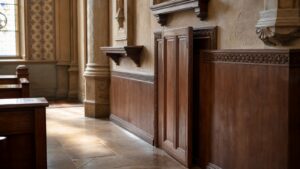
Secret Doors in Religious Architecture
Secret doors in religious architecture often support ritual movement, storage, clergy access, safety, music, maintenance, and preservation.

Secret Doors in Famous Libraries
Secret doors in famous libraries feel natural because books, shelves, archives, staff routes, and rare materials already create layers of access.

The Evolution of Secret Doors from Ancient to Modern Times
The evolution of secret doors shows how changing needs, materials, hardware, security, taste, and technology shaped concealed access over time.

How Secret Doors Were Used in WWII
Secret doors in WWII were practical tools for hiding people, protecting supplies, supporting resistance, and managing danger in ordinary buildings.