How Concealed Doors Add Suspense in Horror Films
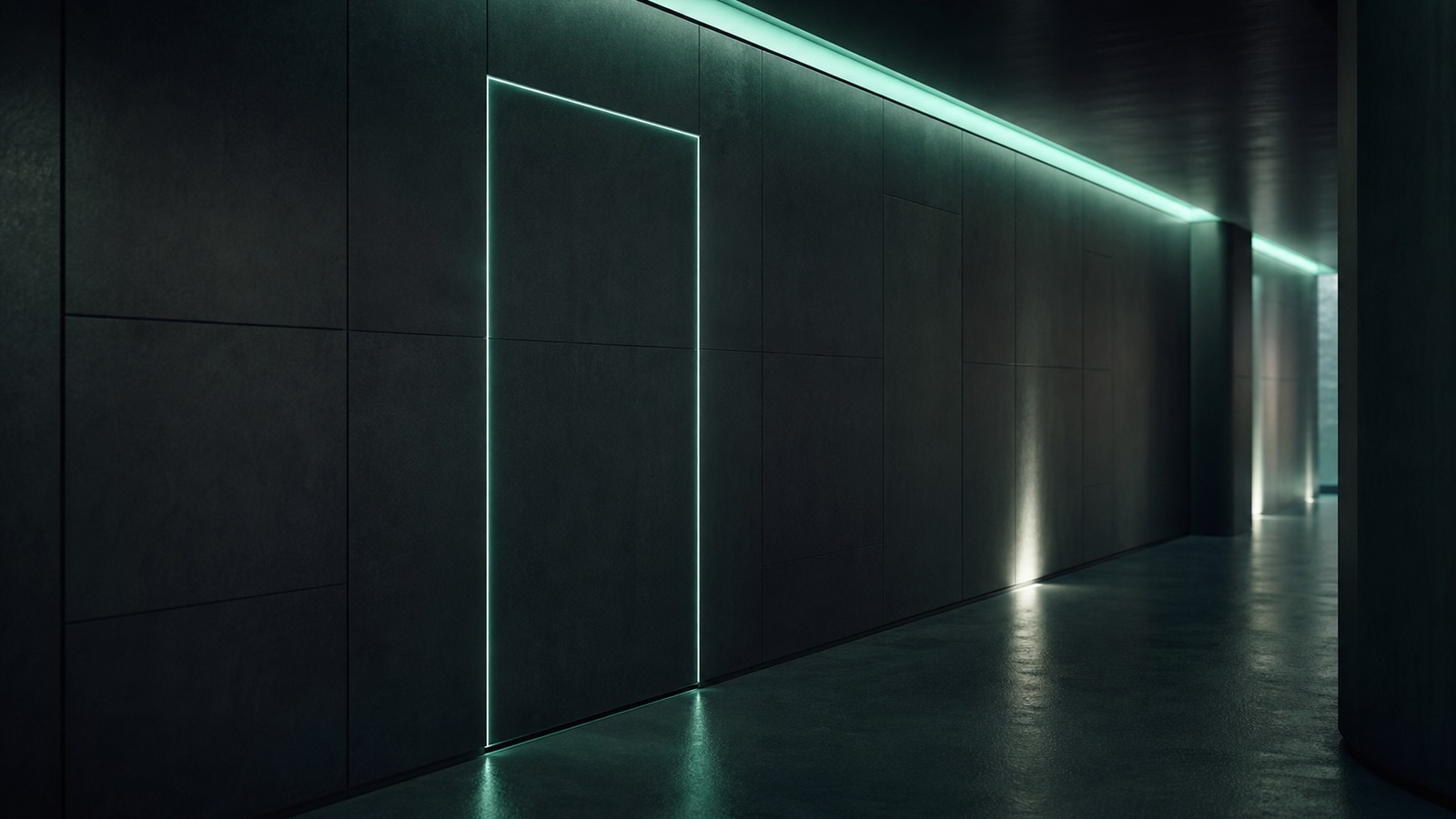
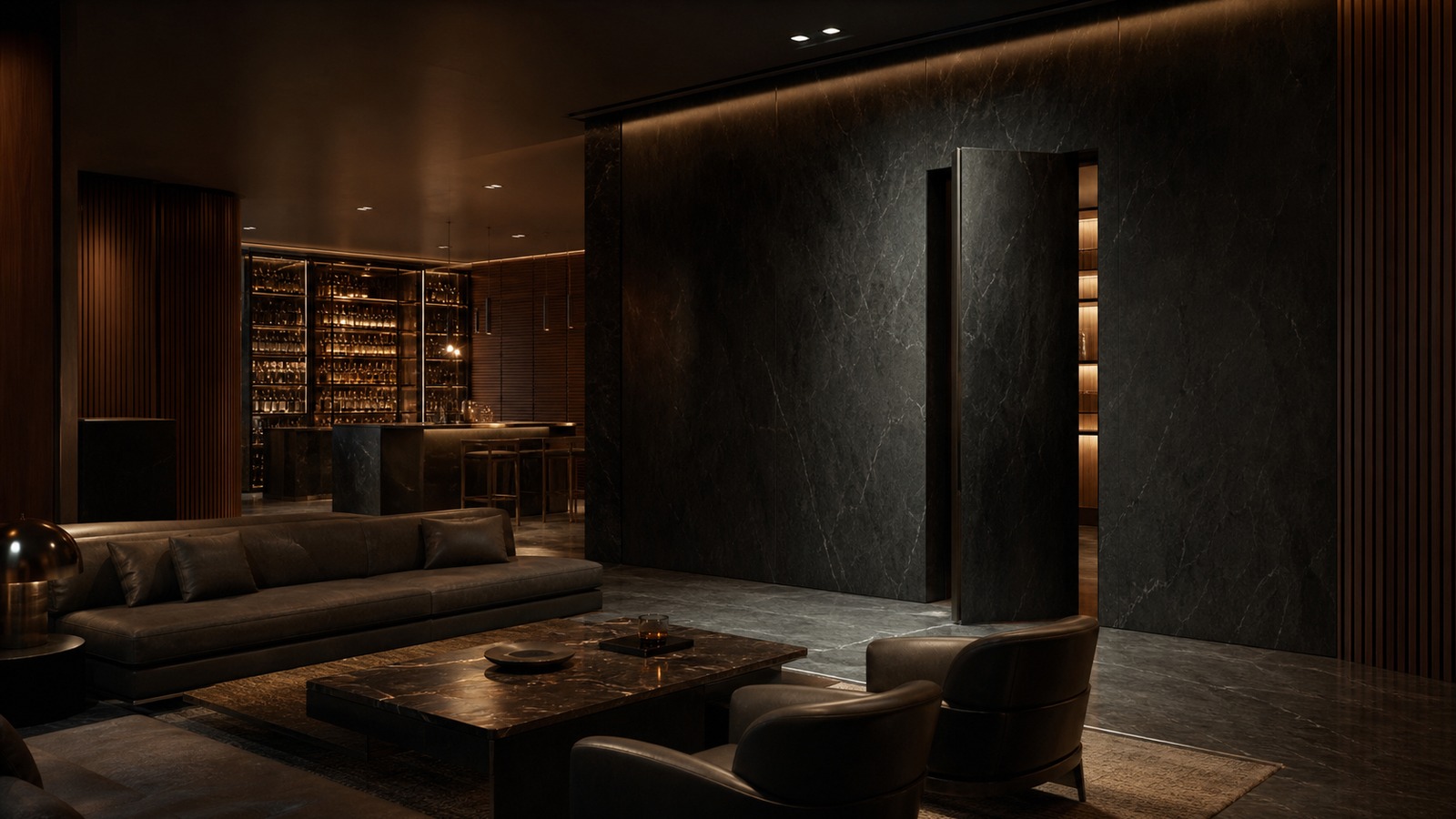
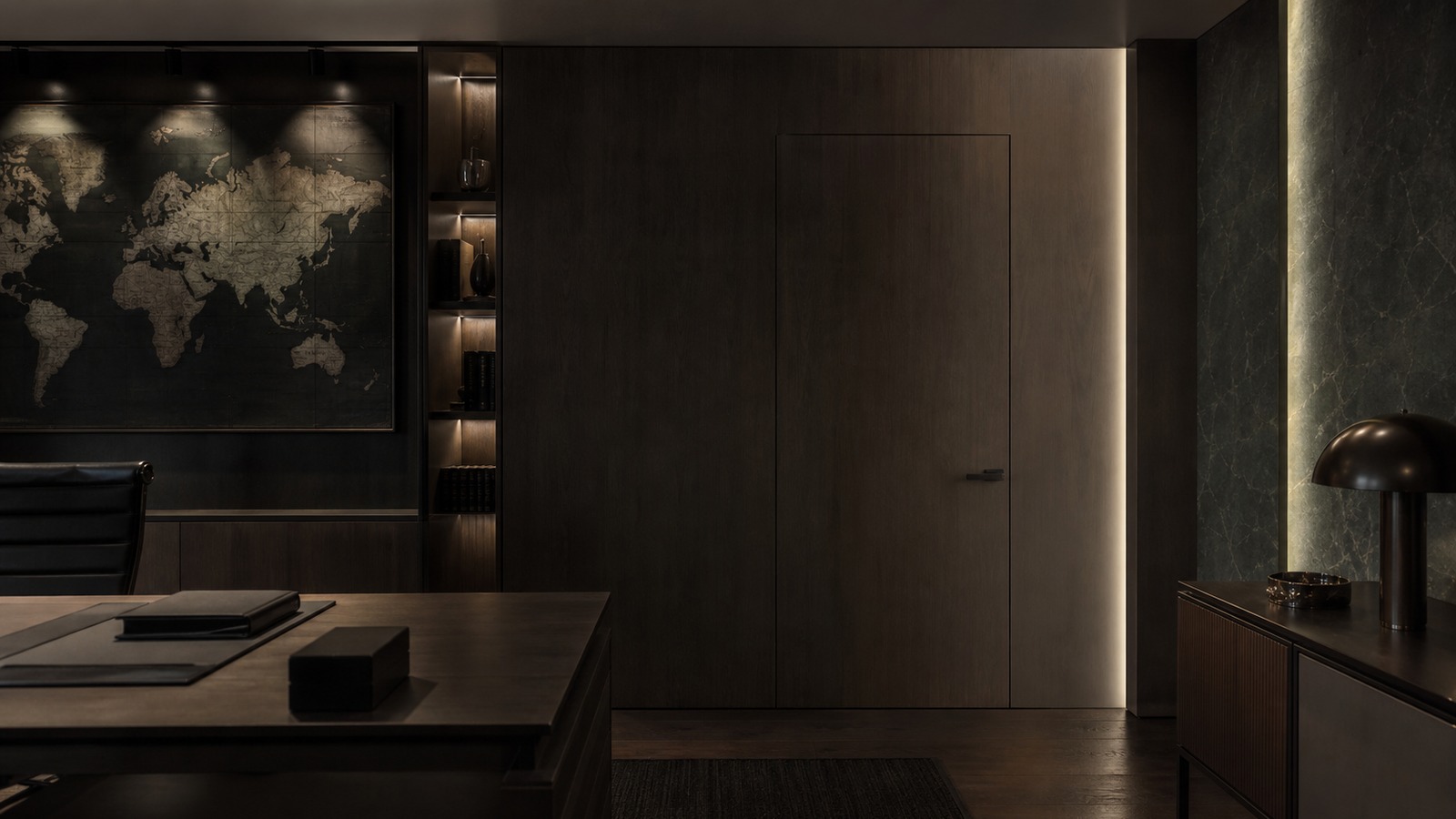
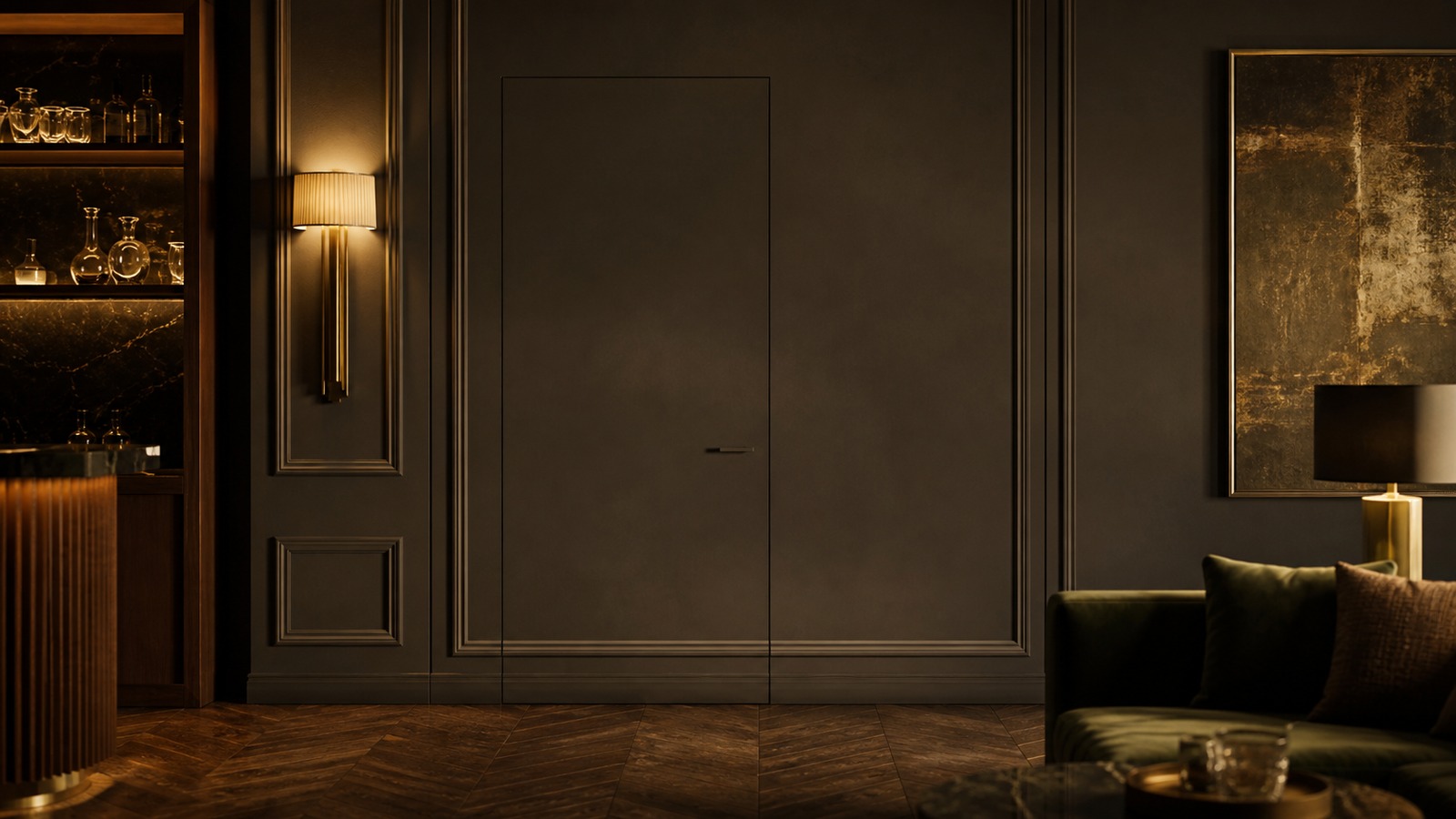
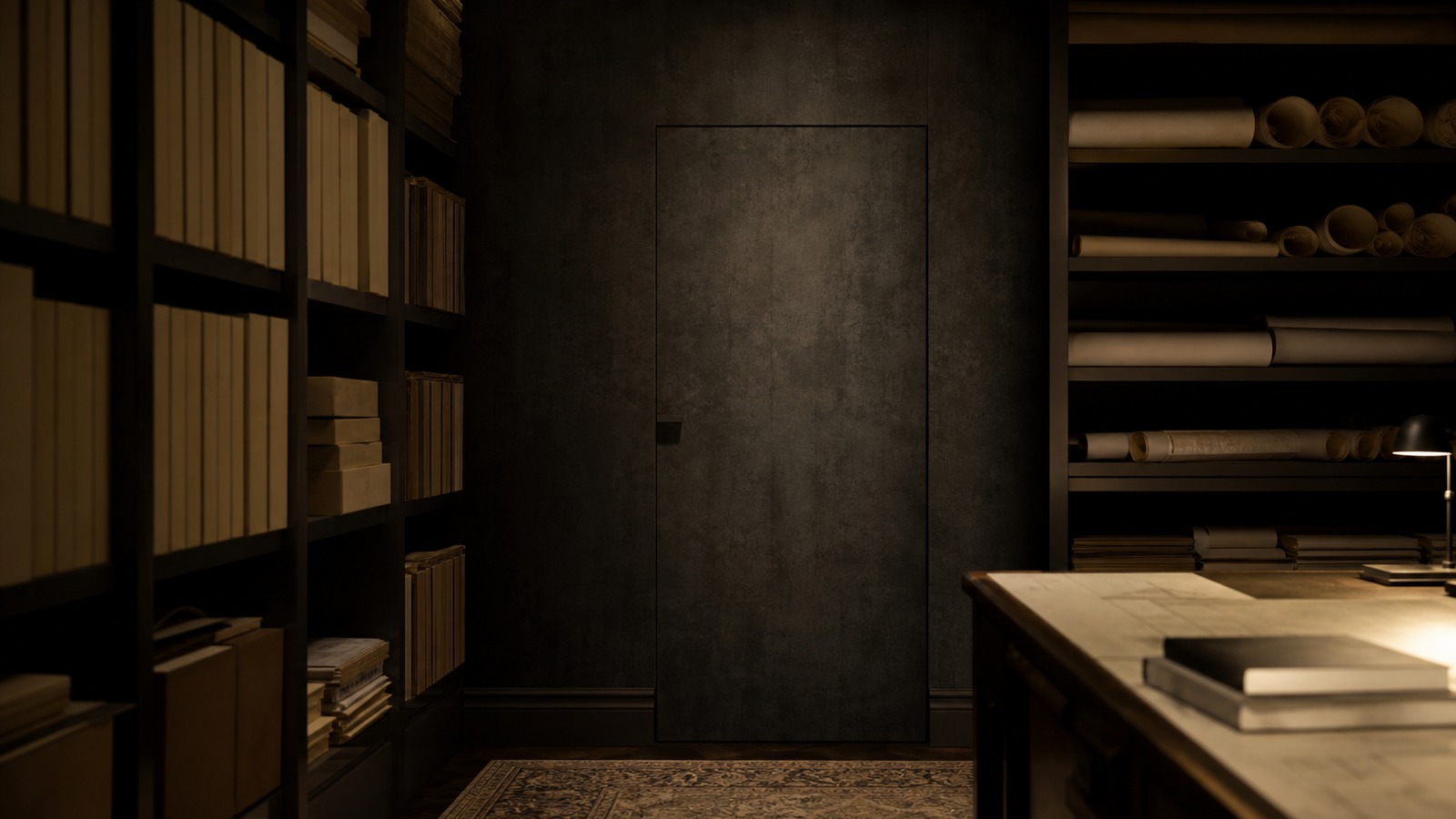
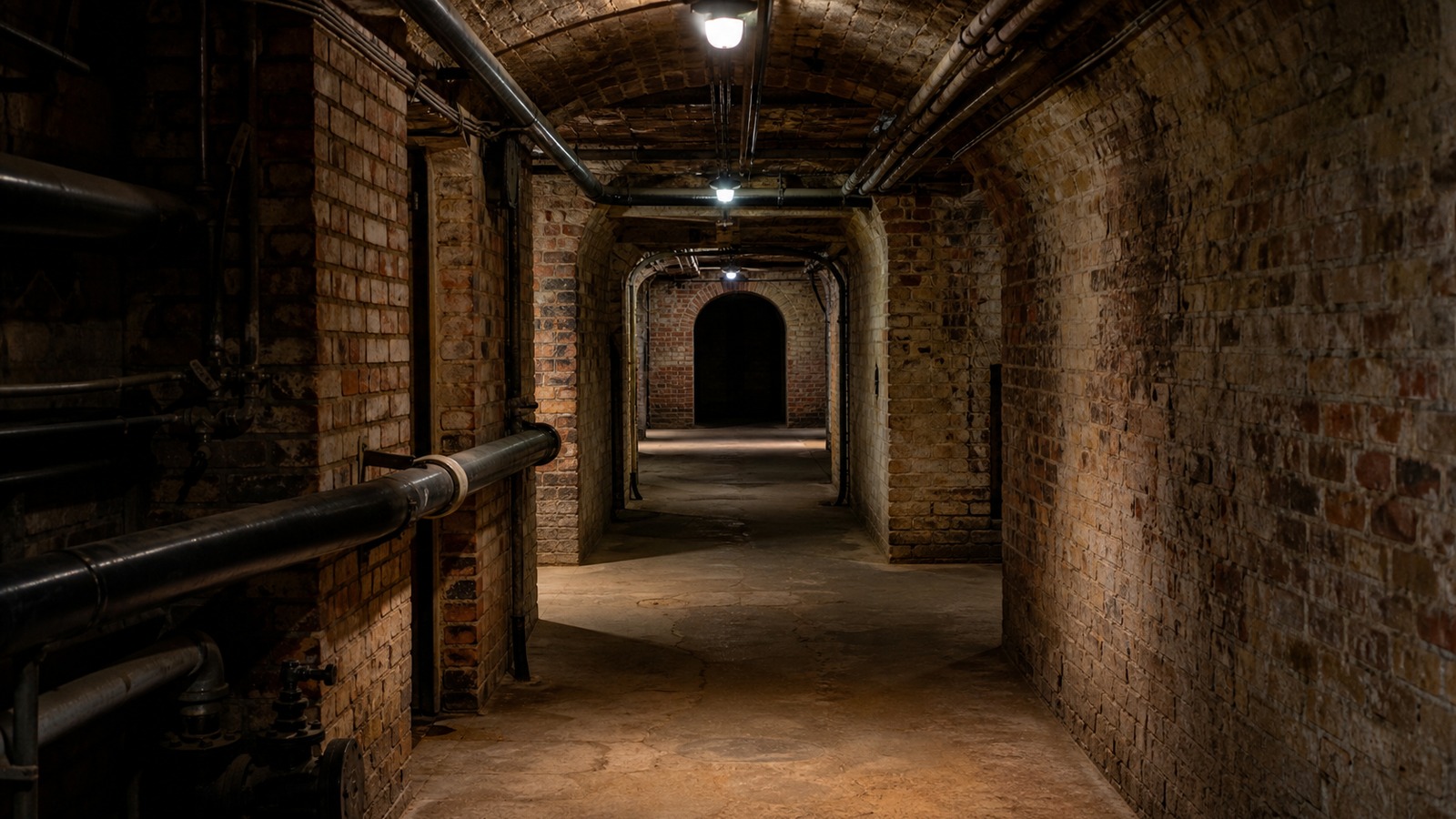
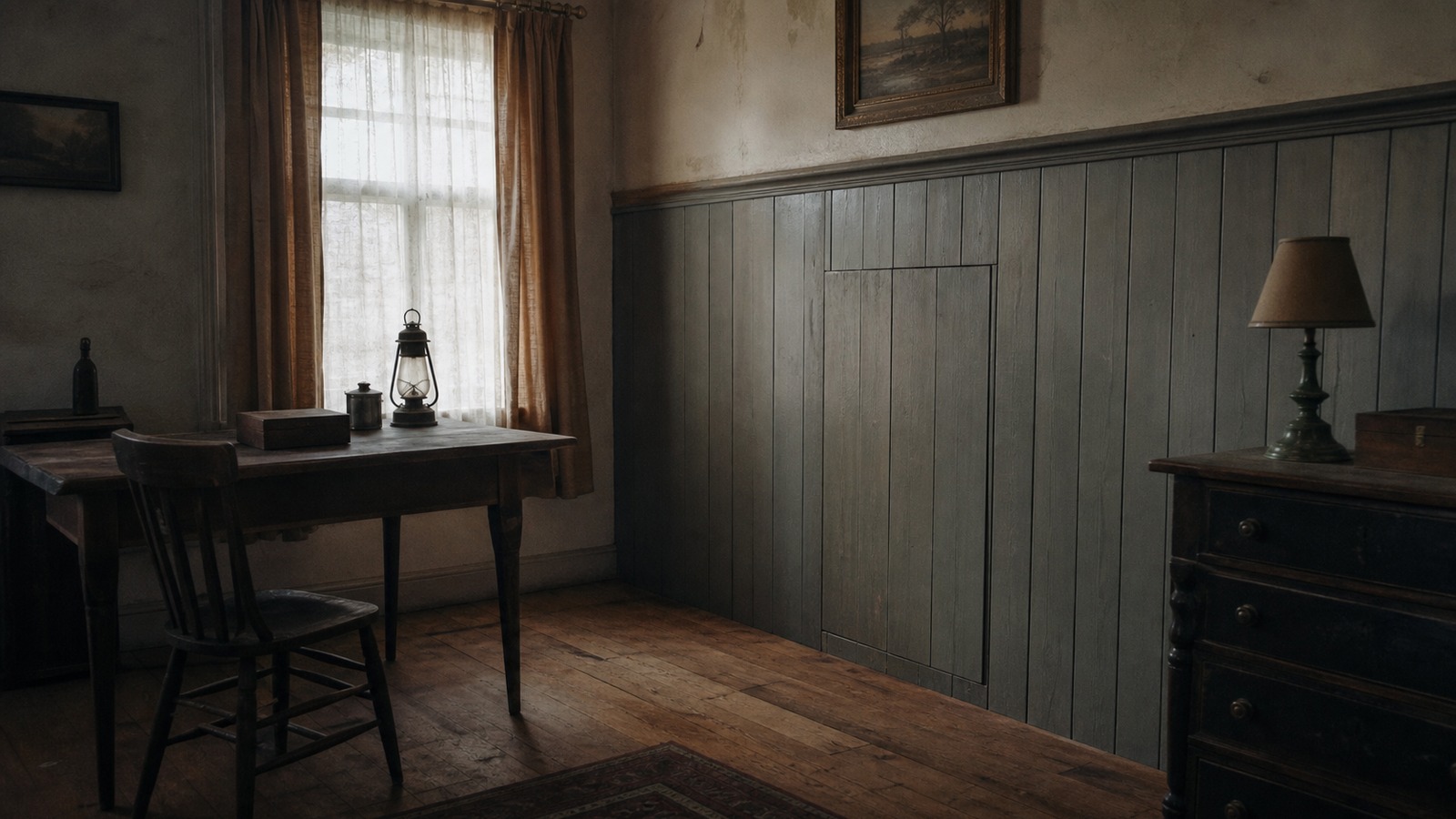
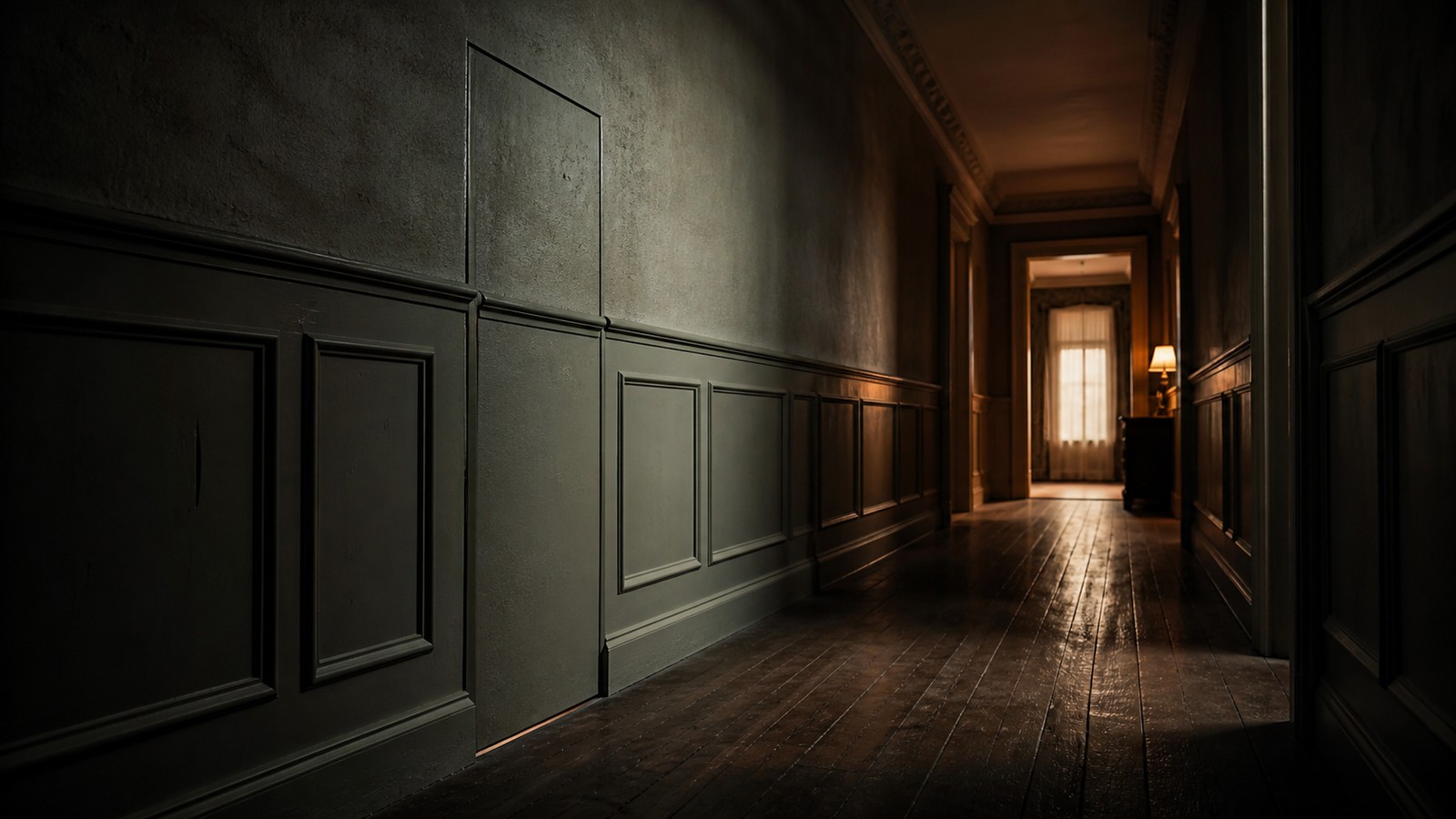
Concealed doors add suspense in horror films by making rooms unstable, routes uncertain, and the threat harder to locate.

Where Secrets Are Built Into the Walls
Concealed doors add suspense in horror films by making rooms unstable, routes uncertain, and the threat harder to locate.
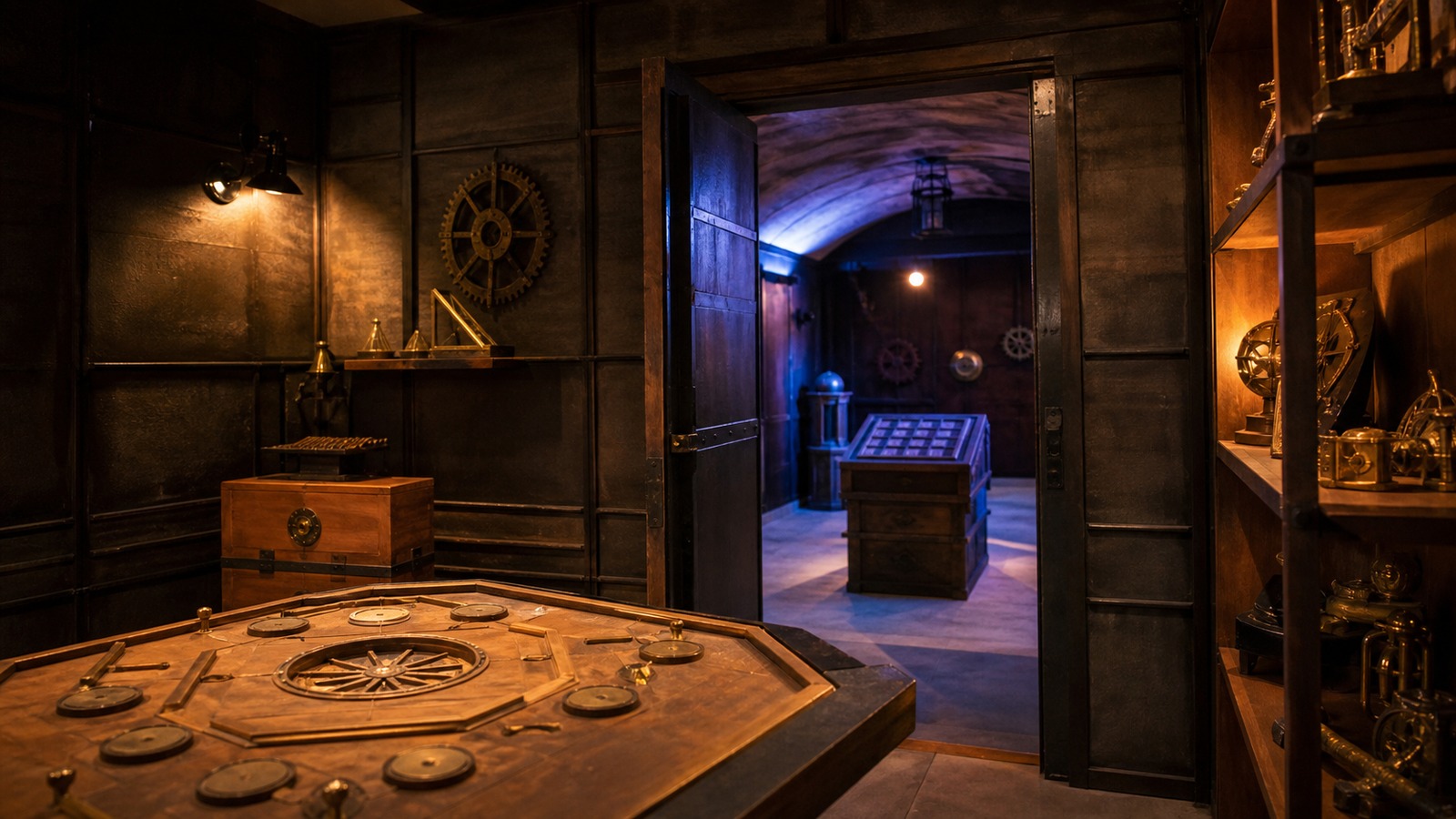
Concealed doors in escape rooms turn puzzles into movement, giving teams memorable reveals while demanding fairness, safety, and reliable reset.
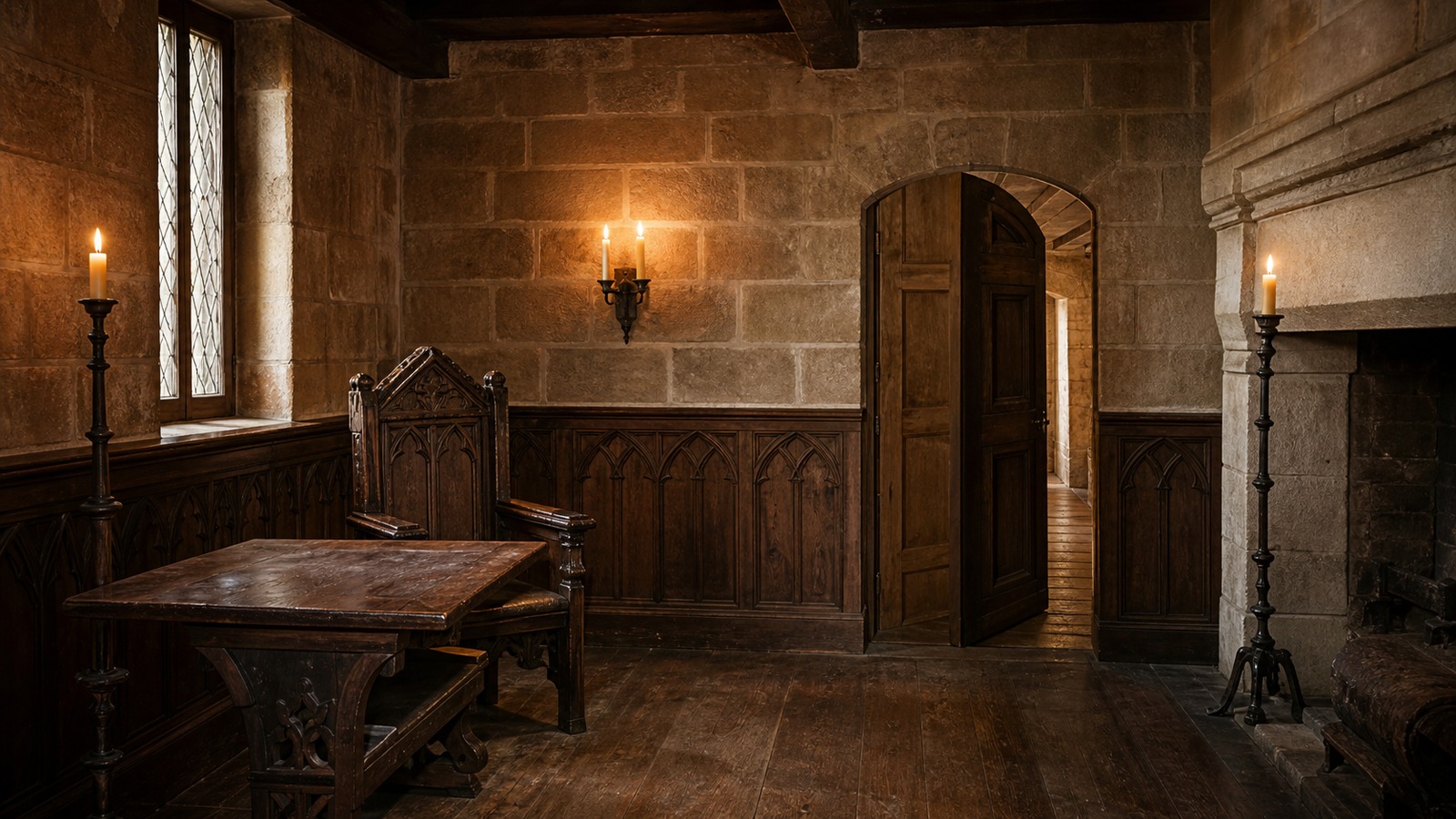
Concealed doors in medieval castles and palaces reflected defense, servants’ work, royal privacy, storage, worship, escape, and household power.
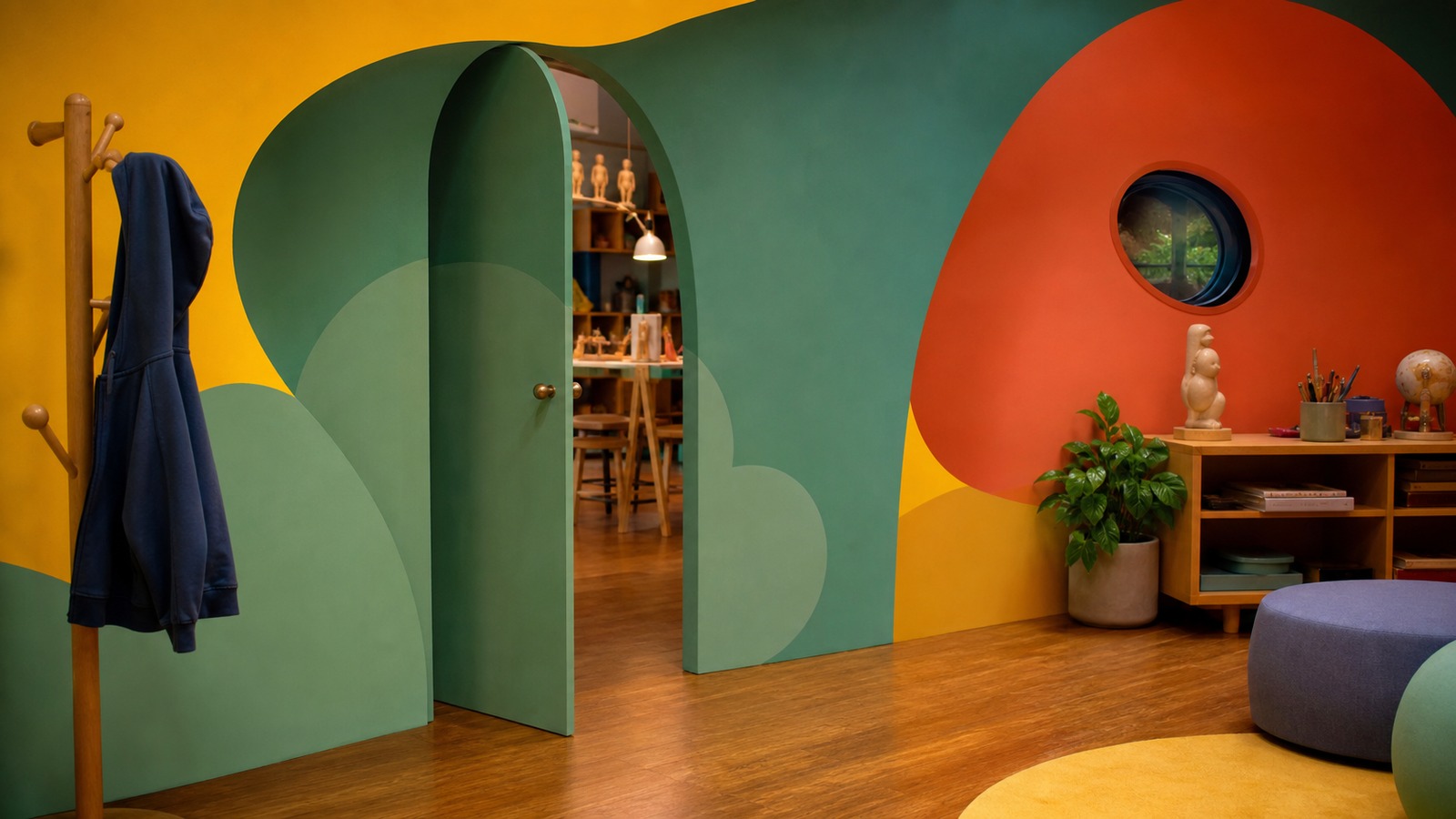
Concealed entrances in cartoons and animated shows use timing, exaggeration, visual clues, and impossible mechanics to make secrecy playful.
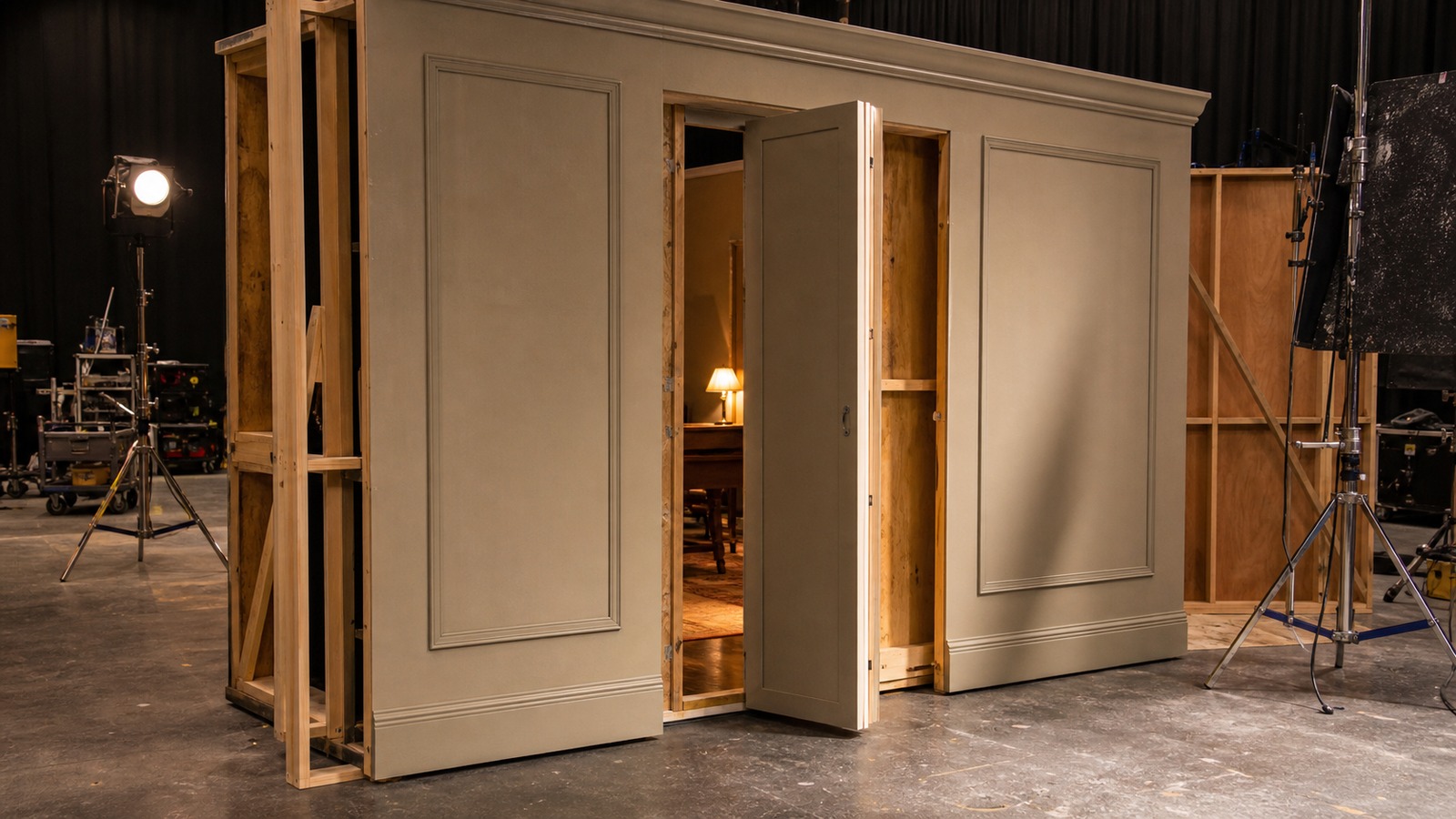
Set designers create concealed doors for film by balancing camera angles, scenery, actor movement, safety, and story timing.
Concealed doors in The Matrix and sci-fi cinema turn thresholds into symbols of reality, control, access, systems, and awakening.
Concealed entrances in James Bond’s world combine luxury, danger, spectacle, control, and the polished fantasy of secret access.
Concealed doors in spy films turn access, identity, danger, gadgets, lairs, and misdirection into memorable cinematic architecture.
Concealed doors in Hollywood movies turn architecture into suspense, comedy, danger, transformation, and visual shorthand for hidden worlds.
Secret doors appear in conspiracy theories because hidden thresholds make abstract suspicion feel physical, cinematic, and emotionally convincing.
Urban legends about secret underground tunnels grow from real infrastructure, hidden histories, local fear, and the strange appeal of unseen city routes.
Secret doors in WWII were practical tools for hiding people, protecting supplies, supporting resistance, and managing danger in ordinary buildings.