Wartime Secrecy Was Often Built From Ordinary Rooms
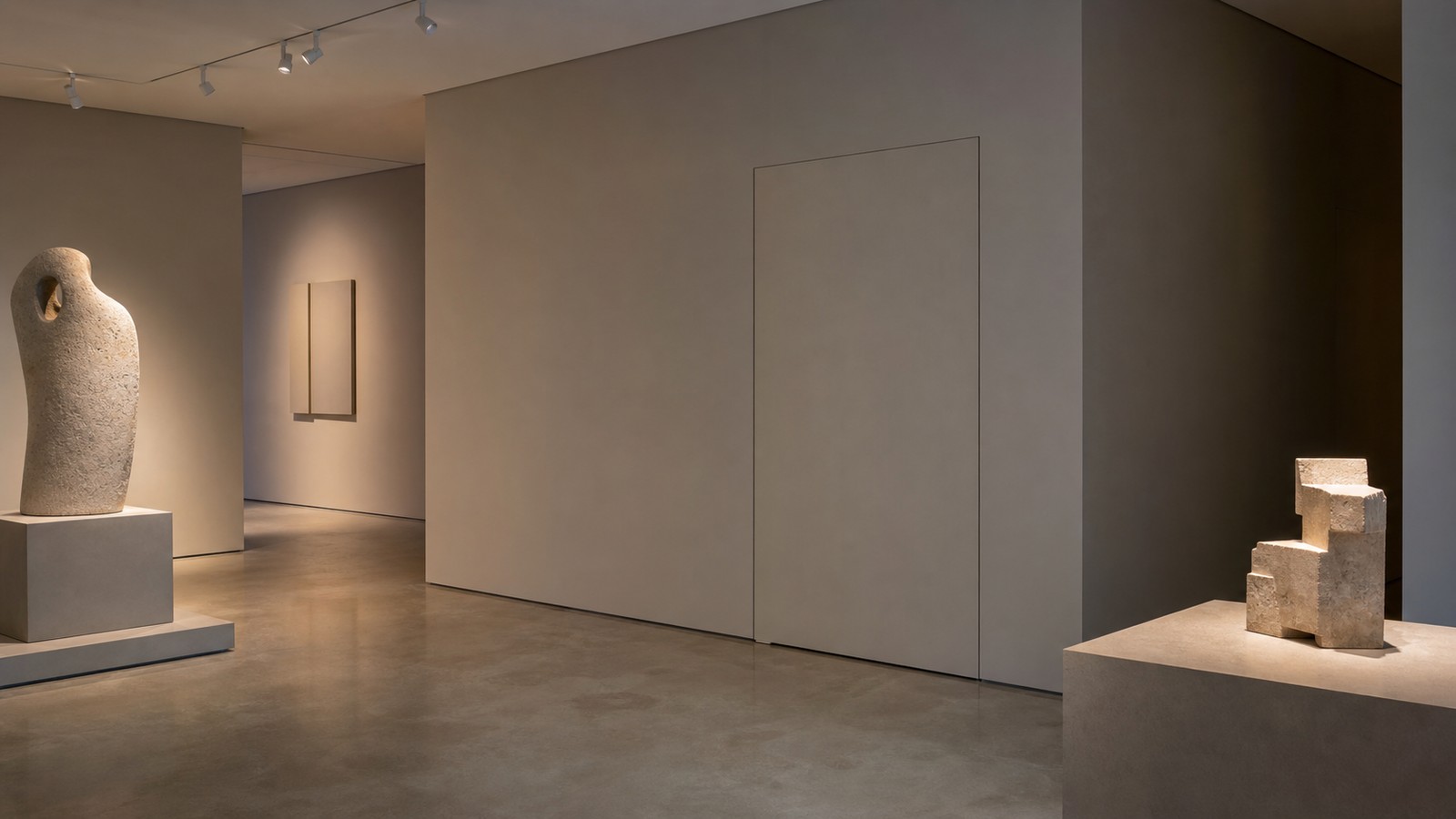
Secret doors used during World War II were rarely the elaborate mechanisms imagined in adventure fiction. In many cases, they were improvised thresholds inside homes, shops, barns, offices, churches, attics, basements, and workshops. A panel might hide a person in danger, a small storage space might protect papers or radios, and a disguised opening might help someone move between public and private areas without attracting attention. Their importance came from urgency. When occupation, surveillance, bombing, rationing, and persecution changed everyday life, ordinary buildings had to carry extraordinary responsibilities.
A: No. Many were modest panels, hatches, cupboards, or adapted household features.
A: They could protect people, papers, radios, supplies, messages, or routes.
A: Normal-looking rooms helped the disguise feel less suspicious during daily life.
A: No. Some concealed small storage spaces or short movement routes.
A: They are tied to danger, persecution, resistance, and survival.
A: Yes. Materials and evidence can be damaged by careless restoration or tourism.
A: It fits the building's routine and avoids creating obvious clues.
A: Noise, dust, access time, and ordinary appearance all became important.
A: They can preserve truth, but they should be checked against evidence.
A: Concealment can become an act of protection when ordinary safety collapses.
Hidden Doors Protected People First
The most serious wartime hidden doors were connected to human safety. Families, resistance helpers, religious communities, and sympathetic neighbors sometimes adapted buildings to shelter people who were being hunted or displaced. The hidden entrance could be small, uncomfortable, and frightening, but it created a chance to survive a search or delay discovery.
These spaces should never be romanticized as clever puzzles. They were often cramped, dangerous, and emotionally exhausting for the people inside and the people protecting them. The door was only one part of a larger network of courage, fear, secrecy, and risk.
That human context matters because it keeps the topic grounded. A concealed panel from this period is not interesting only because it is hidden. It is important because it shows how architecture can become part of moral action when public systems fail.
Resistance Work Needed Quiet Storage
Resistance activity could depend on hidden storage for documents, identity papers, maps, small printing materials, radios, messages, tools, or supplies. A secret door did not have to lead to a room. Sometimes a panel behind shelving or inside a wall cavity was enough to keep dangerous materials out of sight during a search.
Improvisation Shaped Many Wartime Designs
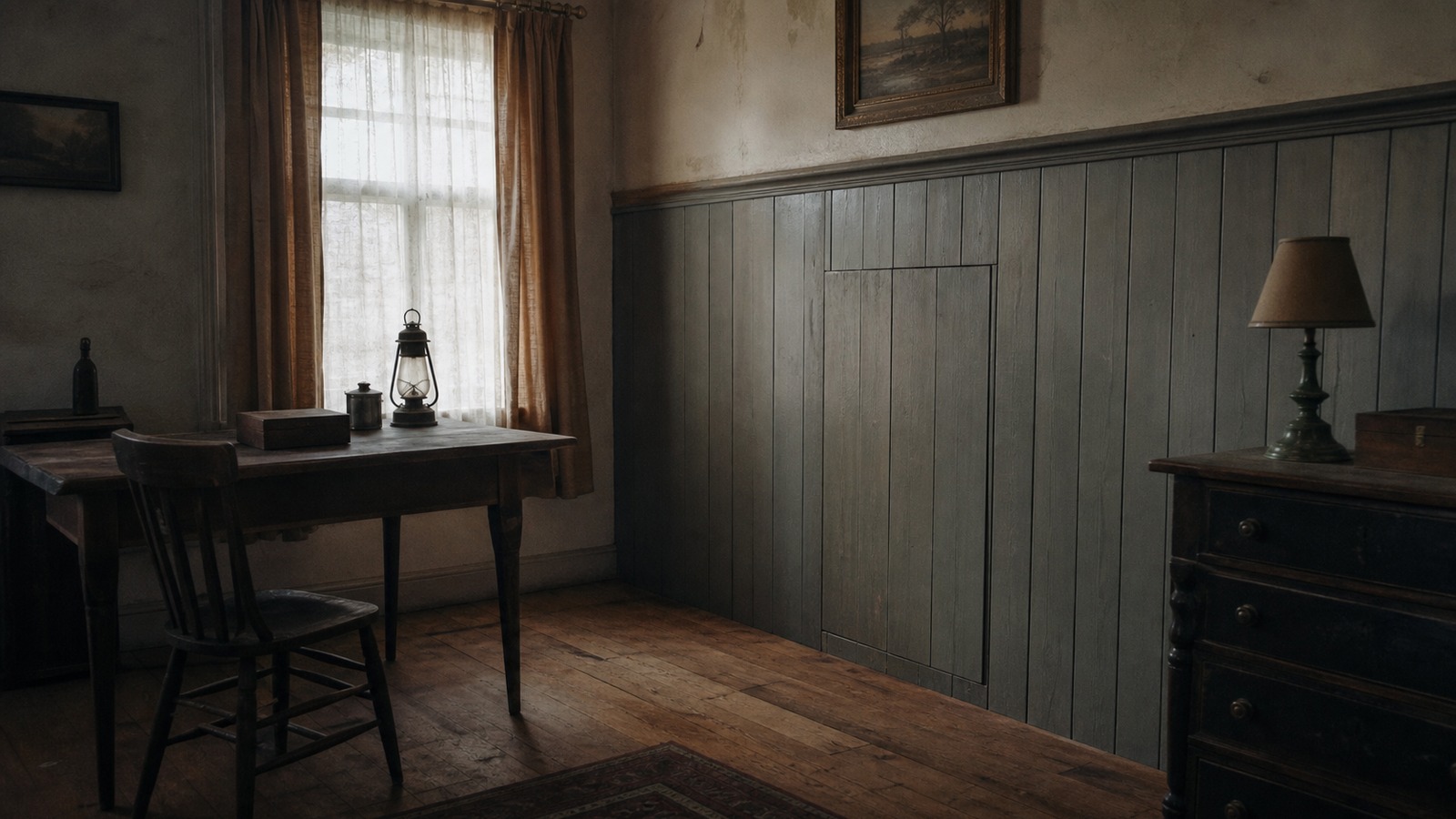
Wartime concealment was usually constrained by what people had available. Builders and occupants used existing cabinetry, cellar doors, floorboards, attic hatches, false backs, stacked goods, loose bricks, and paneled walls. A successful hidden door had to blend with the habits of the building, not announce itself as a special project.
This made ordinary wear useful. A scuffed threshold, dusty shelf, or cluttered storeroom could look more convincing than a perfect new panel. The hidden entrance had to belong to a lived-in environment where searchers expected disorder, storage, and repair.
Attics and Basements Carried Different Risks
Attics offered separation from street-level activity, but they could be difficult to reach, hard to heat, and dangerous during bombing or fire. Basements provided mass and sometimes access to cellars or adjacent buildings, but they could be damp, exposed to searches, or connected to utilities that brought outsiders nearby. Choosing where to hide an opening was therefore a practical decision, not only a matter of imagination.
The best location depended on noise, light, ventilation, access, search patterns, and the routines of the household. A hidden door that was visually convincing could still fail if movement to reach it was too conspicuous. Wartime secrecy had to consider the whole route, not just the final panel.
That is why many stories of wartime hiding places focus on daily discipline. People had to manage footsteps, food, waste, documents, air, and silence. The secret door helped, but the life around it made concealment possible.
False Normalcy Was Part of the Disguise
A hidden wartime entrance often depended on the surrounding room looking normal. A kitchen had to remain a kitchen. A shop had to continue serving customers. A barn had to appear agricultural, and an office had to look like a place of ordinary paperwork. The more normal the setting felt, the less pressure the door had to carry by itself.
Some Doors Supported Movement Rather Than Hiding
Not every WWII secret door was a static hiding place. Some supported movement through courtyards, cellars, interior corridors, service stairs, or neighboring properties. Discreet access could help people avoid checkpoints, leave a building through a less visible route, or move supplies without using the most watched threshold.
These movement routes were often local and modest. A short passage between buildings could matter more than a long mythical tunnel if it bypassed the danger immediately outside the front door. The value of the hidden route came from timing and context.
Searches Changed the Architecture of Fear
Wartime searches turned domestic details into high-stakes architecture. A wardrobe, cupboard, wall panel, loose floorboard, or cellar hatch could become a boundary between safety and exposure. The people using these spaces had to think like both residents and observers: what would look ordinary, what would seem suspicious, and what might draw a second glance?
This pressure shaped how hidden doors were built and used. A panel that required too much movement could make noise. A hatch that left dust disturbed could create a clue. A room that suddenly smelled different could betray its use. Concealment depended on small material habits.
Those details help explain why wartime hidden doors should be discussed with care. The subject belongs to history, memory, and ethical courage, not to casual thrill seeking. The most meaningful question is how people used limited means to protect life and truth under extreme pressure.
In that light, even a rough door can be profoundly moving. Its craft may be simple, but its purpose was not.
After the War, Hidden Doors Became Evidence
Some wartime hiding places were preserved, documented, or rediscovered after the war. A concealed panel could become evidence of a family’s risk, a community’s resistance, or a person’s survival. The door changed from active protection to historical witness.
That shift is powerful. During the war, a hidden entrance was meant not to be seen. Afterward, seeing it can help people understand the conditions that made concealment necessary. The same door moves from secrecy to testimony.
Preservation Requires Restraint
Historic wartime hiding places can be fragile. Wood moves, plaster cracks, hinges corrode, and surrounding rooms are altered by later owners. Preservation should avoid turning these places into theatrical attractions. The goal is to protect evidence and memory without flattening them into entertainment.
Good interpretation explains the building, the danger, and the people involved. It does not need to exaggerate the mechanism. A simple panel, a narrow crawl space, or a hidden cupboard can speak strongly when its context is handled with respect.
Photographs, oral histories, architectural surveys, and careful conservation can help preserve the story. So can acknowledging what is unknown. Not every wartime hidden door has a complete record, and uncertainty should not be filled with easy drama.
Modern Hidden Rooms Can Learn Humility
Contemporary hidden doors often emphasize delight, privacy, storage, or design elegance. Wartime examples remind us that concealed architecture has also carried fear and responsibility. That contrast does not make modern secret doors wrong; it simply asks designers and readers to recognize the range of meanings hidden access can hold.
The WWII Door Was a Boundary of Risk
In World War II, a secret door could divide public danger from private hope. It might hide a person, protect a radio, conceal documents, or give someone a chance to move without being seen. The mechanism was often modest because the real complexity lived in the social world around it: trust, silence, rationing, surveillance, and fear.
That is why these doors remain so affecting. They show that architecture is never only material. Under pressure, a wall can become a promise, a shelf can become a shield, and a hidden threshold can become a small act of resistance. The story of wartime secret doors is therefore not about cleverness alone. It is about what people asked ordinary buildings to do when ordinary safety disappeared.
Memory Gives the Door Its Weight
The lasting meaning of WWII hidden doors comes from memory. A concealed opening may look plain to someone who does not know the story, but once the context is understood, every scrape and awkward joint becomes charged. The door asks viewers to imagine waiting, listening, trusting, and hoping inside a space never meant for comfort. That emotional weight is why these examples deserve careful language. They are part of design history, but they are also part of human history, and the two cannot be separated.
When readers encounter a preserved wartime hiding place, the most respectful response is attention. Notice the room around it, the route to reach it, the difficulty of staying hidden, and the courage required to build or use it. The secret door did not end the danger, but it made survival more possible. That is enough to make even the simplest panel unforgettable.
That attention can also change how people understand ordinary rooms. A cupboard, attic stair, cellar hatch, or paneled wall may look domestic and plain, yet wartime history shows how quickly familiar architecture can become a tool of protection. The hidden door asks us to remember that courage often worked through small materials close at hand.
The Quietest Details Can Carry History
Wartime hidden doors remind us that the most important architectural details are not always the grandest ones. A hinge, latch, loose board, shelf depth, or awkward crawl space can hold more moral significance than an ornamental facade. That is especially true when the people using the space had no luxury of ideal design. They worked with limited materials, limited time, and the constant fear that an ordinary sound or visible seam could expose everything.
For modern readers, this history can deepen respect for hidden-door design without turning danger into style. It shows that concealed access has a wide emotional range. In one home, a hidden door may protect a quiet office or pantry. In another historical context, a similar idea may have protected lives. Holding those meanings together makes the subject more serious and more humane. The WWII secret door belongs to that larger understanding: architecture can delight, but under pressure it can also shelter memory, trust, and survival.
Ordinary Materials Became Moral Tools
The most sobering lesson is that ordinary materials became moral tools. A shelf, plank, curtain, brick, or latch could participate in protection when people chose to use the building that way. The hidden door was not brave by itself; people made it brave through the risks they accepted and the care they repeated daily. That distinction keeps the architecture in proportion. It was a mechanism, but also a trace of human decisions made under pressure, and that is why the subject still feels urgent rather than merely historical.
The Lessons Are Human Before They Are Technical
Modern readers may be tempted to ask how the doors worked, but the more important question is how people lived around them. A concealed opening was only effective when meals, movement, conversation, cleaning, and ordinary appearances were coordinated around it. Secrecy was a daily practice carried by many small choices.
That human scale is what makes WWII hidden doors so memorable. They were not grand monuments, but they can teach as much as monuments do. They show how a building can become part of courage when people use its familiar corners, boards, and rooms to protect someone else under threat nearby.