A Hidden Door Makes Suspicion Feel Physical
Secret doors play a recurring role in conspiracy theories because they turn an abstract feeling into a visible object. Suspicion about power, secrecy, corruption, privilege, or hidden knowledge becomes easier to imagine when it has a doorway. The secret door suggests that ordinary reality has a second layer, one available only to insiders. That image is powerful even when the evidence is weak. It gives the story a threshold, a place where the believer imagines crossing from public explanation into concealed truth.
A: They make abstract suspicion feel like a physical hidden threshold.
A: No. It only proves that access or visibility was controlled.
A: Changed layouts leave sealed routes whose original purpose is forgotten.
A: Photos can create mood while captions attach unsupported claims.
A: Records, construction history, practical use, and documented context.
A: Yes. Privacy, safety, archives, maintenance, and service all require restricted access.
A: It offers the feeling of seeing a hidden layer others missed.
A: It gives invisible suspicions a concrete stage.
A: Yes, when evidence remains more important than the thrill of suspicion.
A: Separate the door as a symbol from the door as documented evidence.
Architecture Gives the Theory a Stage
Conspiracy theories often depend on invisible relationships: private meetings, hidden motives, secret networks, or suppressed information. A secret door gives those invisible ideas a stage. It lets the story point to a wall, basement, tunnel, room, or passage and say that secrecy is not only social but architectural.
This is why buildings associated with power attract these stories. Government offices, clubs, banks, old hotels, laboratories, mansions, religious institutions, and entertainment venues already feel layered with restricted access. A rumored hidden door makes that restriction seem more deliberate and dramatic.
The Door Becomes Proof Before It Is Proven
In weak conspiracy thinking, the possibility of a hidden door can be treated as evidence that one exists. A sealed opening, service corridor, old stair, or locked room becomes proof of a larger story before its actual purpose is investigated. The architecture is asked to confirm suspicion rather than explain itself.
Real Secrecy Makes False Stories Plausible
Part of the challenge is that real secrecy exists. Buildings do contain restricted rooms, secure storage, staff entrances, archival spaces, private circulation, and mechanical areas. Some institutions do withhold information for legitimate or illegitimate reasons. Because secrecy is not imaginary, exaggerated stories can borrow its credibility.
The responsible response is not to pretend every hidden door is harmless or meaningless. It is to ask better questions. What is documented? Who had access? What practical function did the room serve? Does the claimed story fit the building, timeline, engineering, and records? Evidence should lead the interpretation.
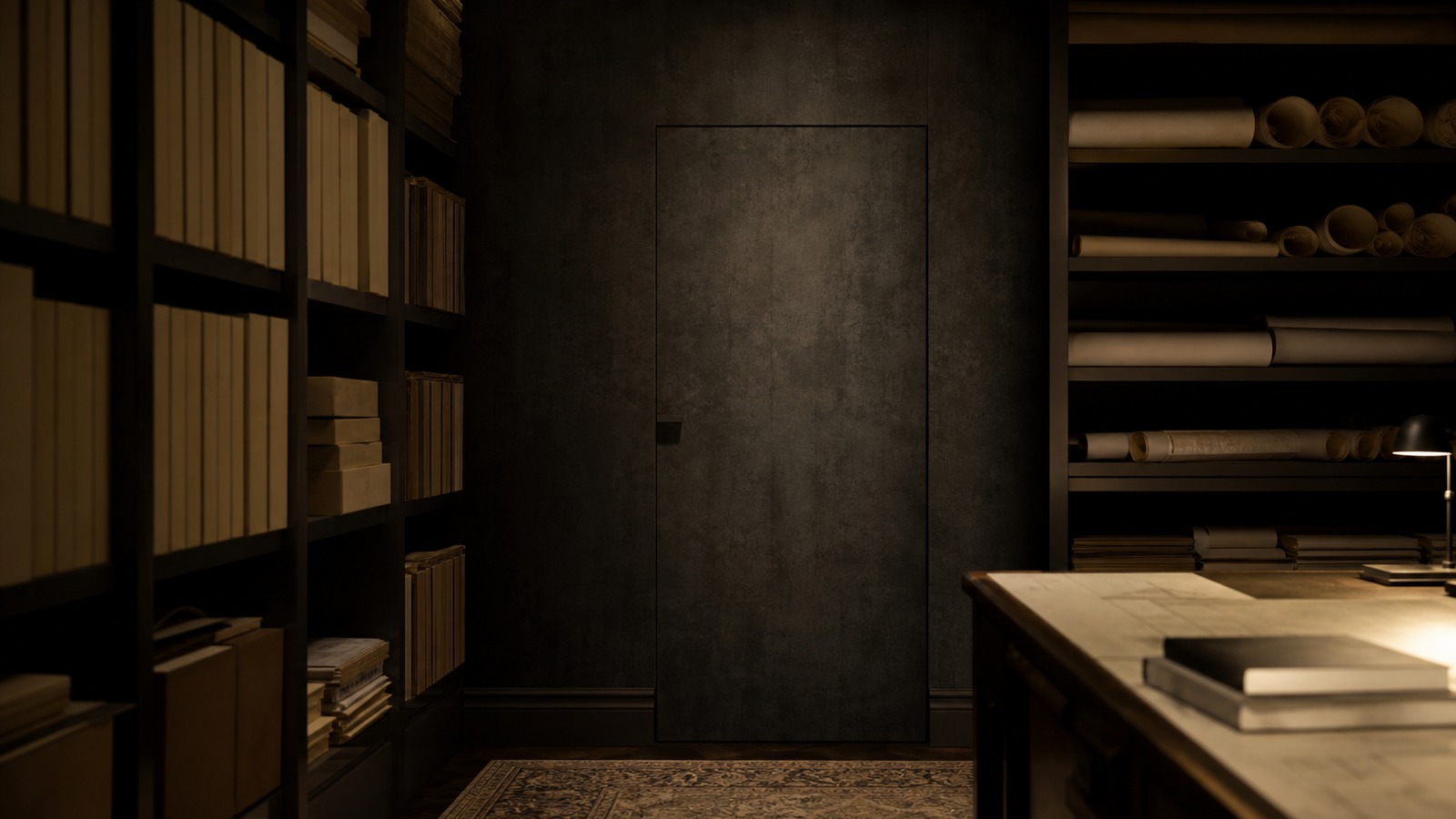
This matters especially online, where a photo of a locked panel can be separated from context and attached to a much larger claim. The visual is real, but the explanation may not be.
Hidden Doors Offer a Clean Narrative Shape
A secret door creates a simple story structure. There is an outside world, an inside world, a barrier, and a revelation. That shape is satisfying. It promises that confusion can be resolved by finding the threshold and opening it.
Real life is rarely that neat. Political, social, and institutional problems are usually distributed across people, incentives, records, habits, and systems. A hidden door can distract from that complexity by making secrecy feel localized in one dramatic place.
Forbidden Access Feels Like Special Knowledge
Conspiracy theories often offer the emotional reward of knowing what others supposedly do not. A secret door intensifies that reward. It suggests entry into a hidden room of truth, a place beyond the naive public view. The believer becomes someone who notices the seam while others walk past the wall.
That feeling can be intoxicating because it combines discovery with status. The hidden door is not only a clue; it is a symbol of being awake to concealed reality. This symbolic function helps explain why secret doors appear even when the physical claim is vague.
The same emotional structure appears in harmless mystery stories and escape rooms. The difference is that conspiracy theories attach the thrill to real people, institutions, and accusations. That makes evidence and restraint more important.
Curiosity is healthy when it remains accountable. It becomes risky when the desire to find a hidden door matters more than whether the door supports the claim.
Old Buildings Are Easy to Misread
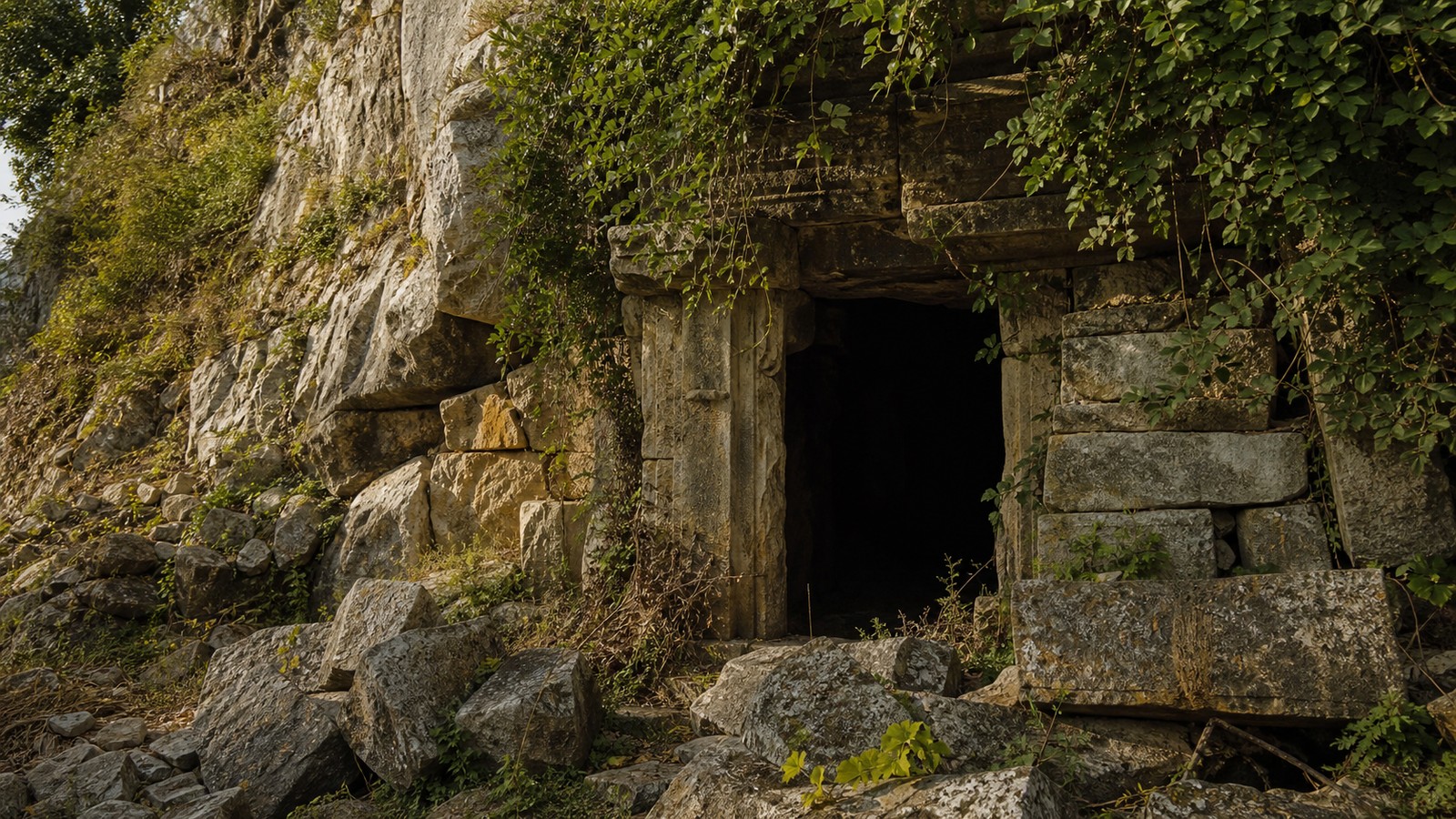
Old buildings contain sealed doors, odd corridors, blocked fireplaces, abandoned dumbwaiters, obsolete service stairs, and strange basement rooms. These features can look suspicious to people who do not know the building’s history. A practical change from 1920 can be reinterpreted as a present-day secret.
Conspiracy Stories Flatten Ordinary Labor
Many restricted doors exist because buildings require workers: cleaners, cooks, guards, archivists, technicians, delivery staff, maintenance crews, and administrators. Conspiracy narratives may erase that ordinary labor and recast service routes as evidence of hidden elites. The people who actually used the doors disappear from the story.
Restoring those practical contexts can make the architecture more humane. A staff corridor in a hotel may reveal service history. A locked archive may protect fragile records. A maintenance hatch may simply allow repairs. Not every threshold is a portal to secret power.
That does not mean every institution deserves trust without question. It means critique should be aimed accurately. Real accountability comes from records, witnesses, policies, money trails, and documented actions, not from treating every hidden doorway as a symbol of guilt.
Visual Media Amplifies the Hidden Door
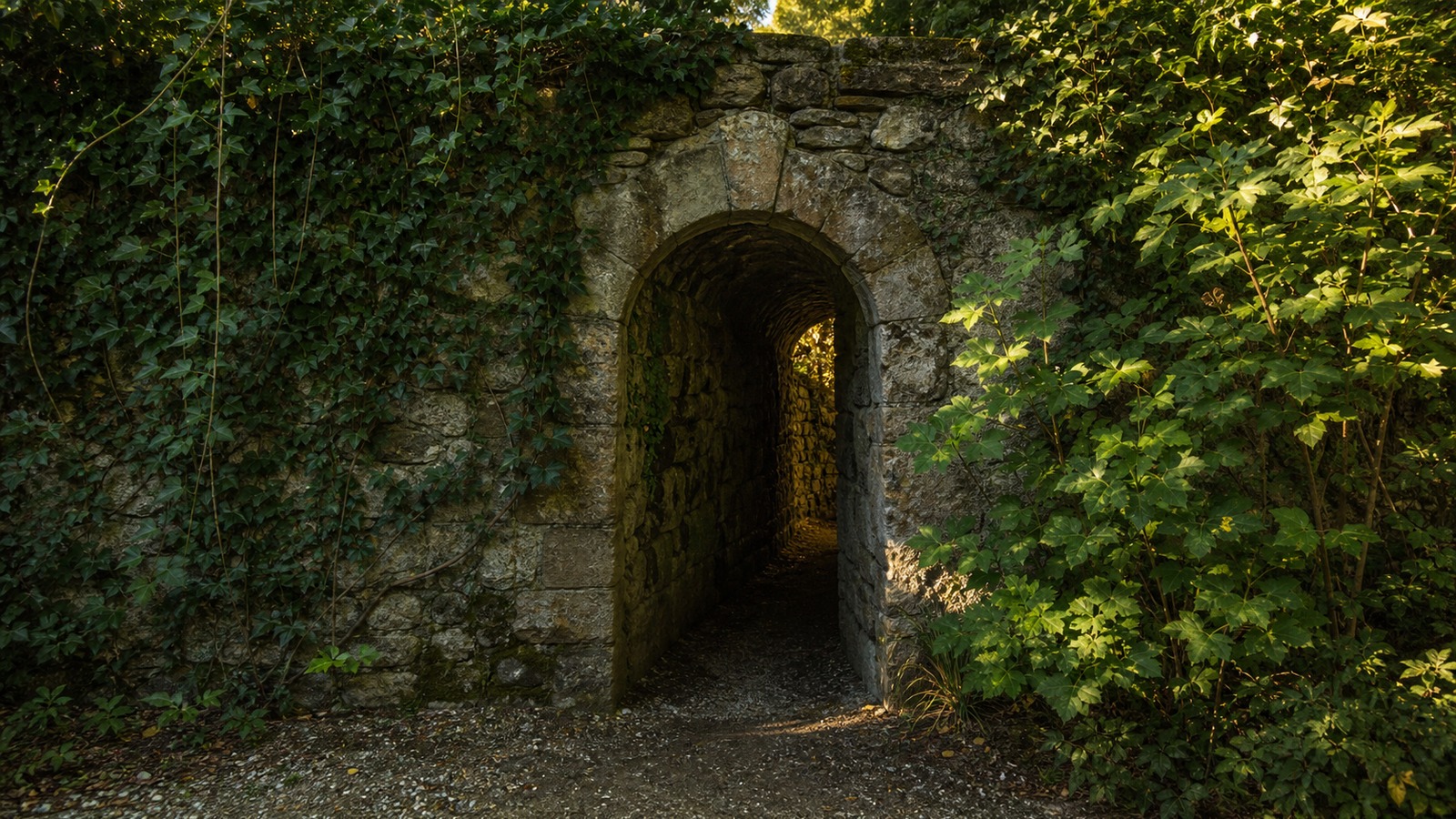
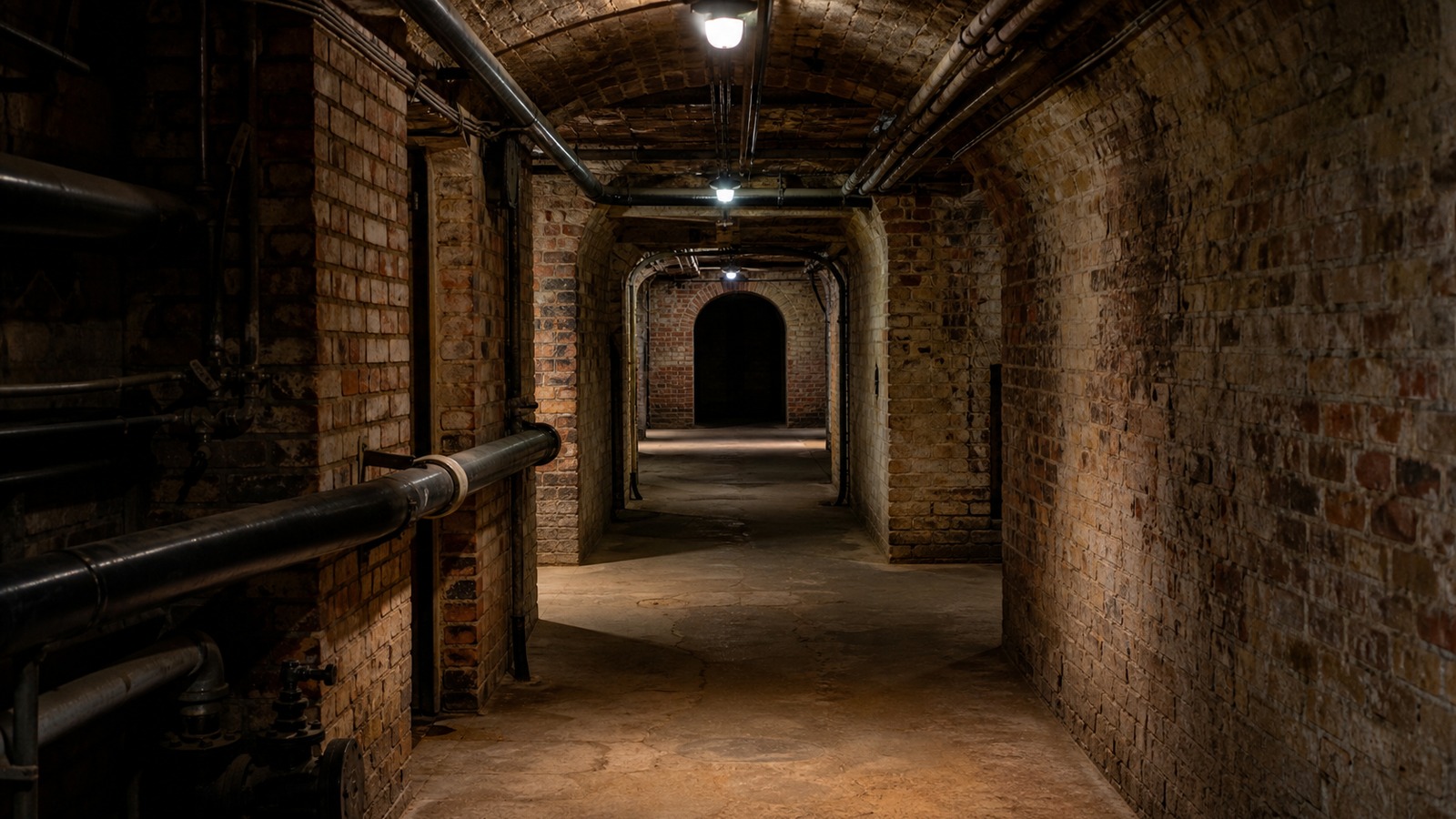
Photos and videos make secret-door claims spread quickly. A dark corridor, old tunnel, or concealed panel can feel persuasive because it looks cinematic. The viewer receives mood before context. By the time the practical explanation arrives, the image may already have done its work.
Captions can make this worse by asserting connections the image does not prove. A basement door becomes an entrance to a secret network. A service tunnel becomes evidence of a hidden organization. The architectural feature is real; the story attached to it may be invented.
Healthy Skepticism Still Allows Wonder
It is possible to enjoy secret doors without slipping into conspiracy thinking. Hidden architecture can be historical, beautiful, practical, playful, or mysterious. The key is to let evidence set the boundary. A strange door can be intriguing without becoming proof of a grand hidden system.
Healthy skepticism asks what else might explain the feature. It looks for records, construction logic, ordinary maintenance needs, and the simplest context that fits the evidence. It also stays willing to revise the story when better information appears.
This approach protects wonder because it prevents mystery from hardening into certainty too quickly. The building remains interesting, and the reader remains fair.
The Secret Door Is a Powerful Metaphor
Even when a conspiracy claim is unsupported, the secret door metaphor reveals something real about human perception. People sense that public life has hidden layers: private decisions, restricted rooms, backstage labor, and information they cannot access. The doorway gives that feeling a form.
Evidence Should Decide the Story
The best way to think about secret doors in conspiracy theories is to separate symbol from evidence. As symbols, hidden doors express suspicion, exclusion, and the desire for revelation. As evidence, they need documentation, context, and careful explanation. Confusing those two roles leads to bad conclusions.
A secret door can be real and still not mean what a theory claims. It can be ordinary, practical, old, protective, decorative, or legally restricted. The presence of concealment does not automatically prove wrongdoing. It proves only that something was designed not to be immediately visible.
That distinction keeps curiosity responsible. It allows readers to appreciate hidden architecture while resisting the pull of stories that turn every threshold into accusation.
Better Questions Make Better Mysteries
The healthiest way to approach a suspicious hidden door is not to stop asking questions. It is to improve the questions. Instead of asking only what someone might be hiding, ask who built the door, when it appeared, what rooms it connected, what work happened nearby, and what records describe the space. Ask whether the route fits the building’s age, code requirements, maintenance needs, security plan, or social history. These questions do not make the story less interesting. They make it less easily manipulated.
Better questions also protect real accountability. If an institution has behaved badly, the strongest evidence will usually come from documents, testimony, money, policy, dates, and corroborated actions. A hidden door may be relevant, but it cannot carry the entire claim by itself. Treating architecture as a shortcut to certainty can distract from the harder work of proving what actually happened.
That is why secret doors deserve a careful place in public imagination. They are wonderful symbols of mystery, privacy, and layered space, but symbols are not verdicts. A reader can admire the thrill of a concealed threshold while refusing to let mood replace evidence. In that refusal, curiosity becomes stronger. It stays open to surprise without surrendering judgment.
This distinction is also fairer to architecture itself. Buildings are full of restricted thresholds because buildings are full of different jobs. A locked archive, staff passage, security vestibule, or concealed service panel may reflect ordinary responsibility rather than hidden wrongdoing. When a theory ignores that practical world, it turns every worker’s door into a dramatic accusation. Careful reading gives the door back its context before deciding what, if anything, it proves.
The Threshold Should Not Replace the Record
A secret door can be a clue, but it should never replace the record. The record includes dates, ownership, permits, maintenance logs, testimonies, maps, photographs, budgets, and documented behavior. Those sources are slower and less cinematic than a hidden panel, but they are much better at establishing truth. If the doorway matters, the record should help explain how.
That approach protects both mystery and fairness. It allows readers to remain interested in concealed architecture without letting suspicion write the conclusion in advance. A hidden door may lead to a staff room, a safe, an old stair, a private office, or a genuinely important discovery. The point is to follow evidence through the threshold, not to decide what is behind it before the door is even opened.
Suspicion Needs Proportion
Proportion is the habit that keeps curiosity useful. A locked panel in a public building deserves a different level of suspicion than a documented archive door. A sealed basement opening in an old hotel deserves investigation before accusation. A service corridor deserves to be understood as part of labor history before it is turned into a symbol of hidden control. The same architectural feature can mean different things in different contexts.
That proportional thinking does not make readers naive. It makes them harder to mislead. They can recognize that secrecy sometimes protects privacy, safety, or maintenance, while also accepting that secrecy can be abused. The question is not whether hidden doors are innocent or sinister by nature. The question is what the evidence shows in this building, at this time, for this purpose.
Handled that way, secret doors become better subjects for public discussion. They keep their mystery, but they no longer have to carry every fear people bring to them. The architecture can be read carefully, and the story can be judged on more than atmosphere. That makes the final interpretation more persuasive, whether it confirms an ordinary service route or uncovers something genuinely troubling. Proportion does not weaken curiosity; it gives curiosity a spine. It lets readers remain alert without becoming captive to the first dramatic explanation that appears. That steadiness is the difference between investigation and projection. It is also what keeps real discoveries credible when they finally arrive in public view, with context intact and fairly explained.