The Strangest Hidden Doors Ever Discovered by Accident
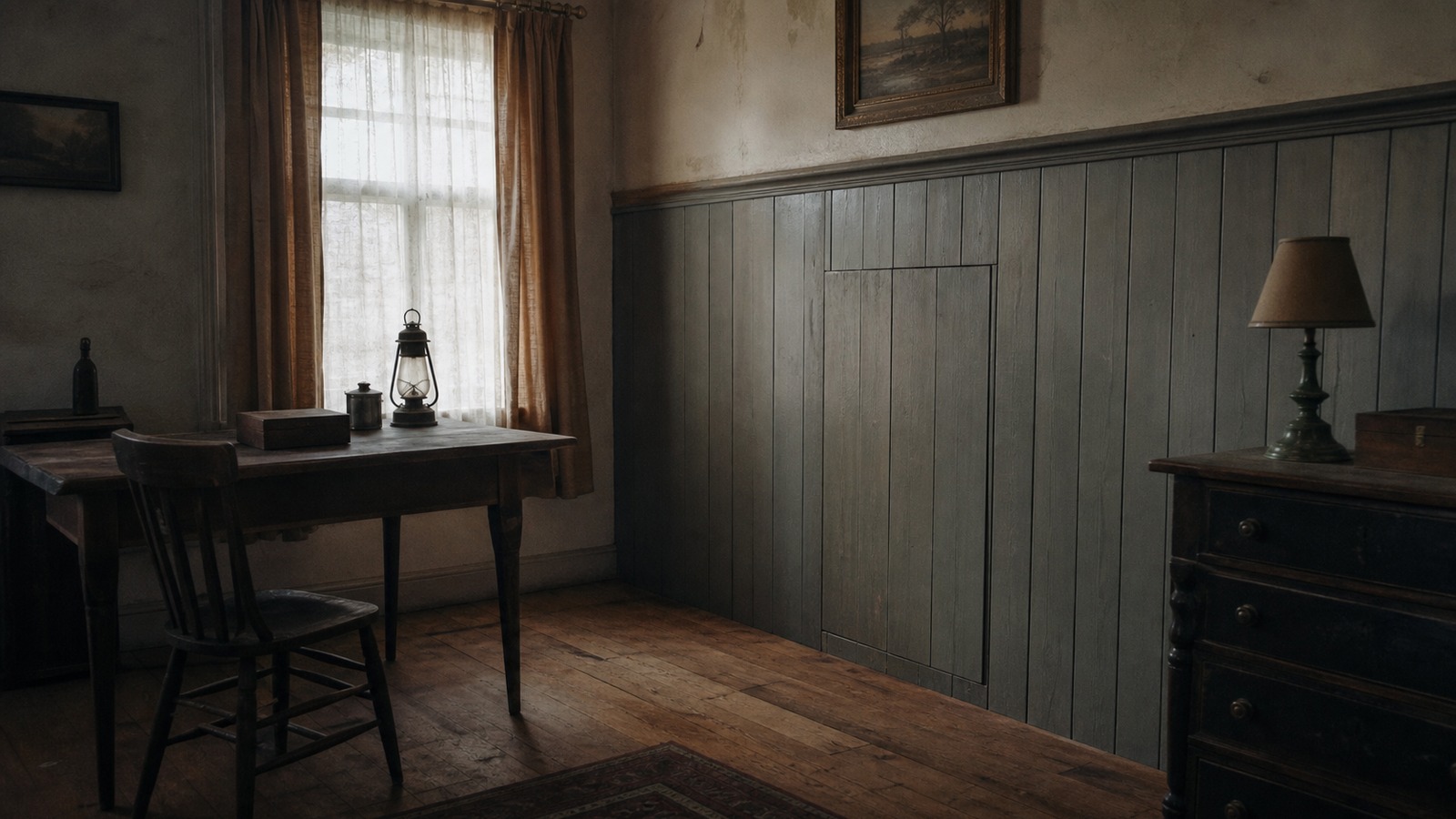
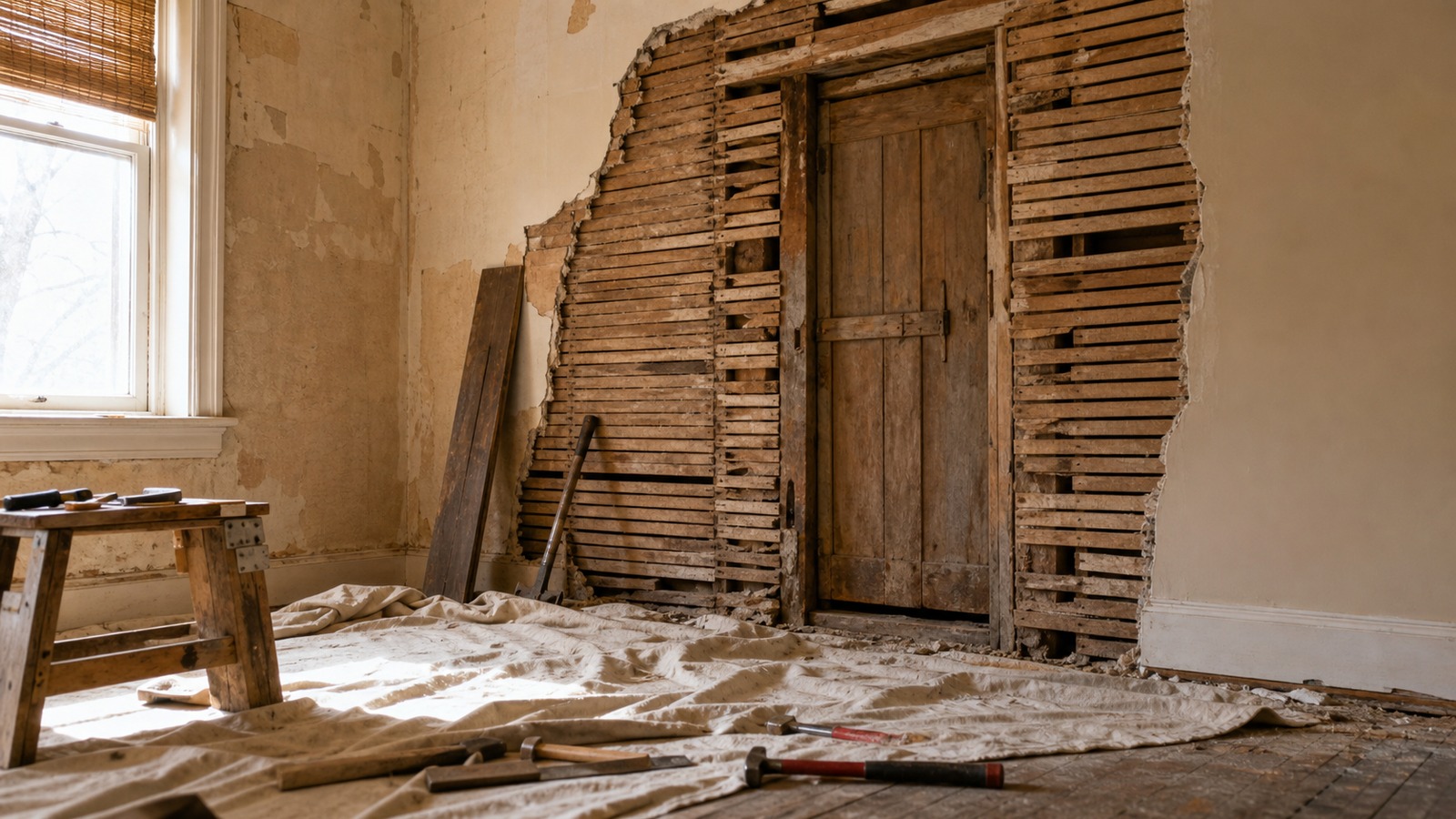
Accidentally discovered hidden doors reveal how renovations, old plans, sealed rooms, and forgotten habits can leave surprising clues inside buildings.

Where Secrets Are Built Into the Walls
Accidentally discovered hidden doors reveal how renovations, old plans, sealed rooms, and forgotten habits can leave surprising clues inside buildings.
Secret doors in WWII were practical tools for hiding people, protecting supplies, supporting resistance, and managing danger in ordinary buildings.
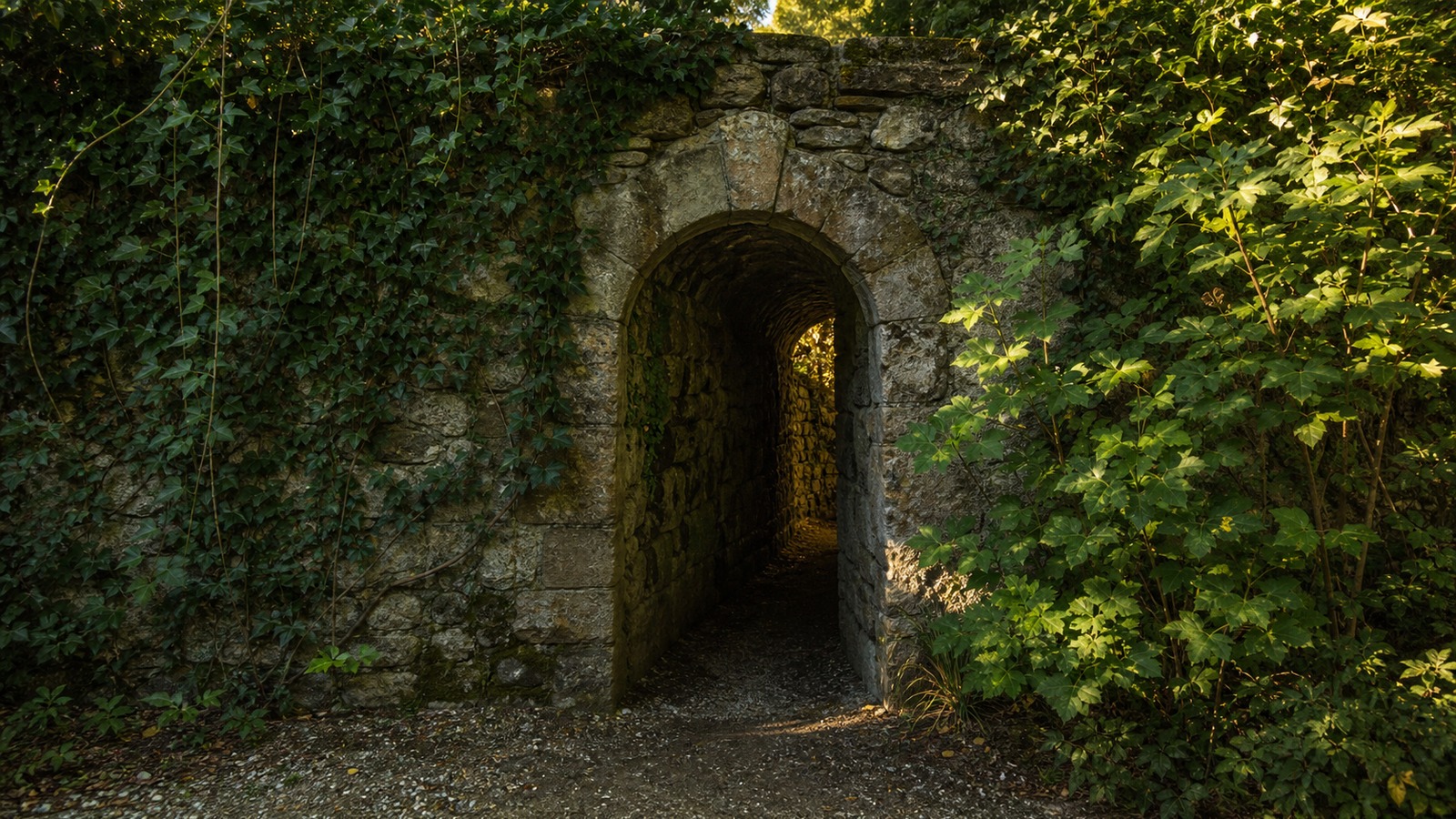
Myths and legends of secret passages endure because they turn architecture into evidence of escape, power, romance, fear, and hidden knowledge.
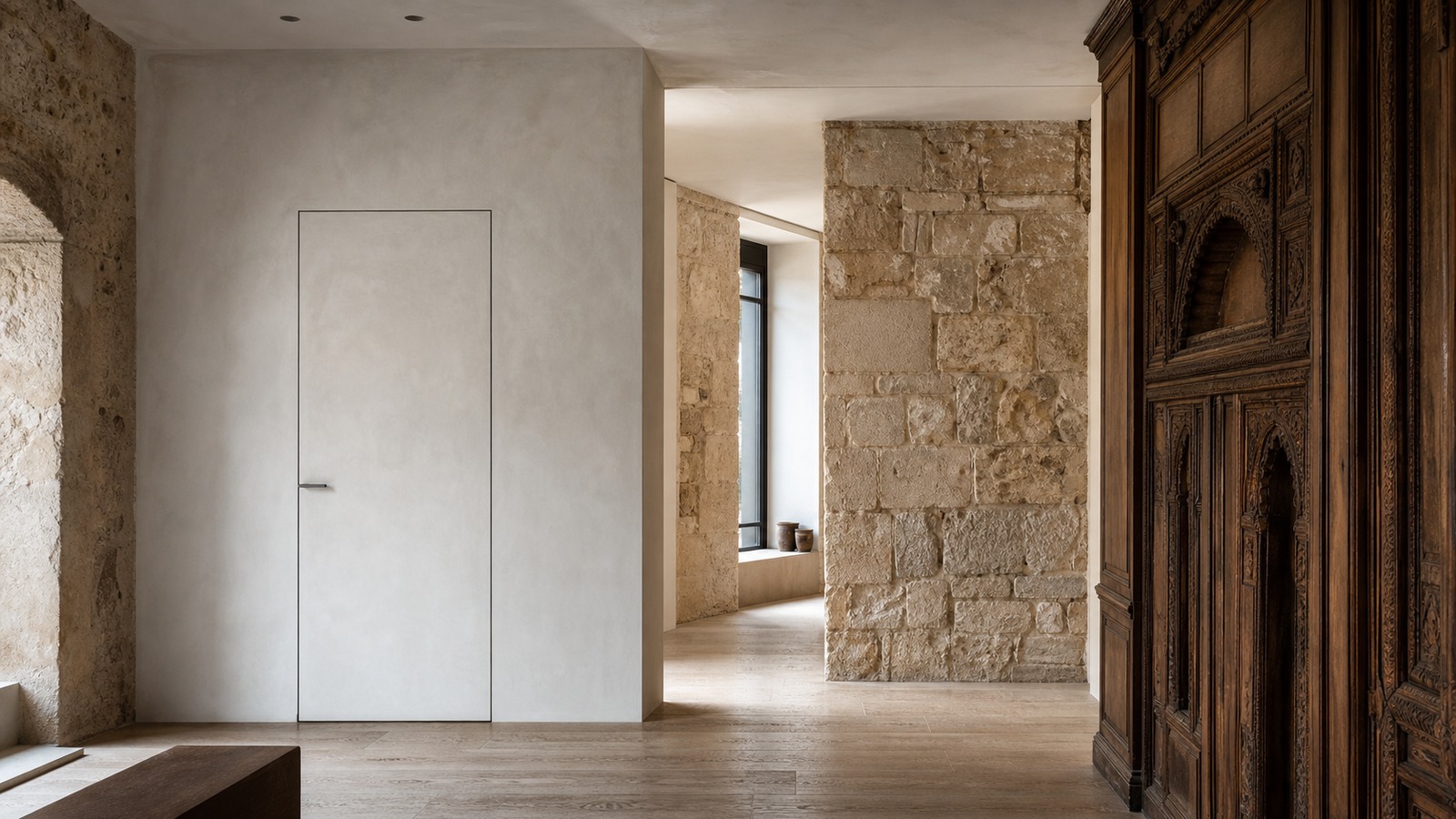
The evolution of secret doors shows how changing needs, materials, hardware, security, taste, and technology shaped concealed access over time.
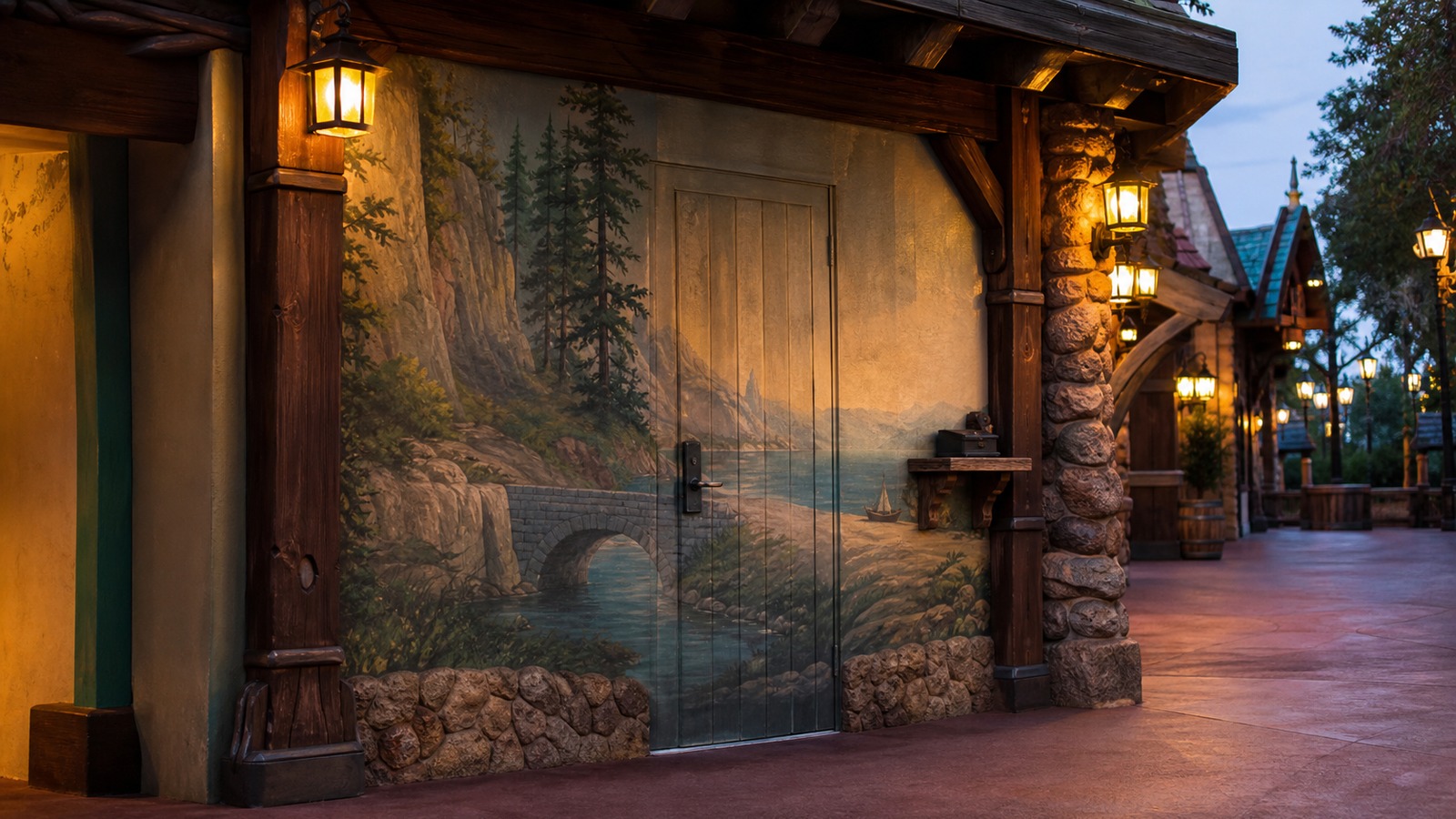
Secret entrances in amusement parks help preserve themed worlds while supporting staff access, ride operations, maintenance, safety, and guest flow.
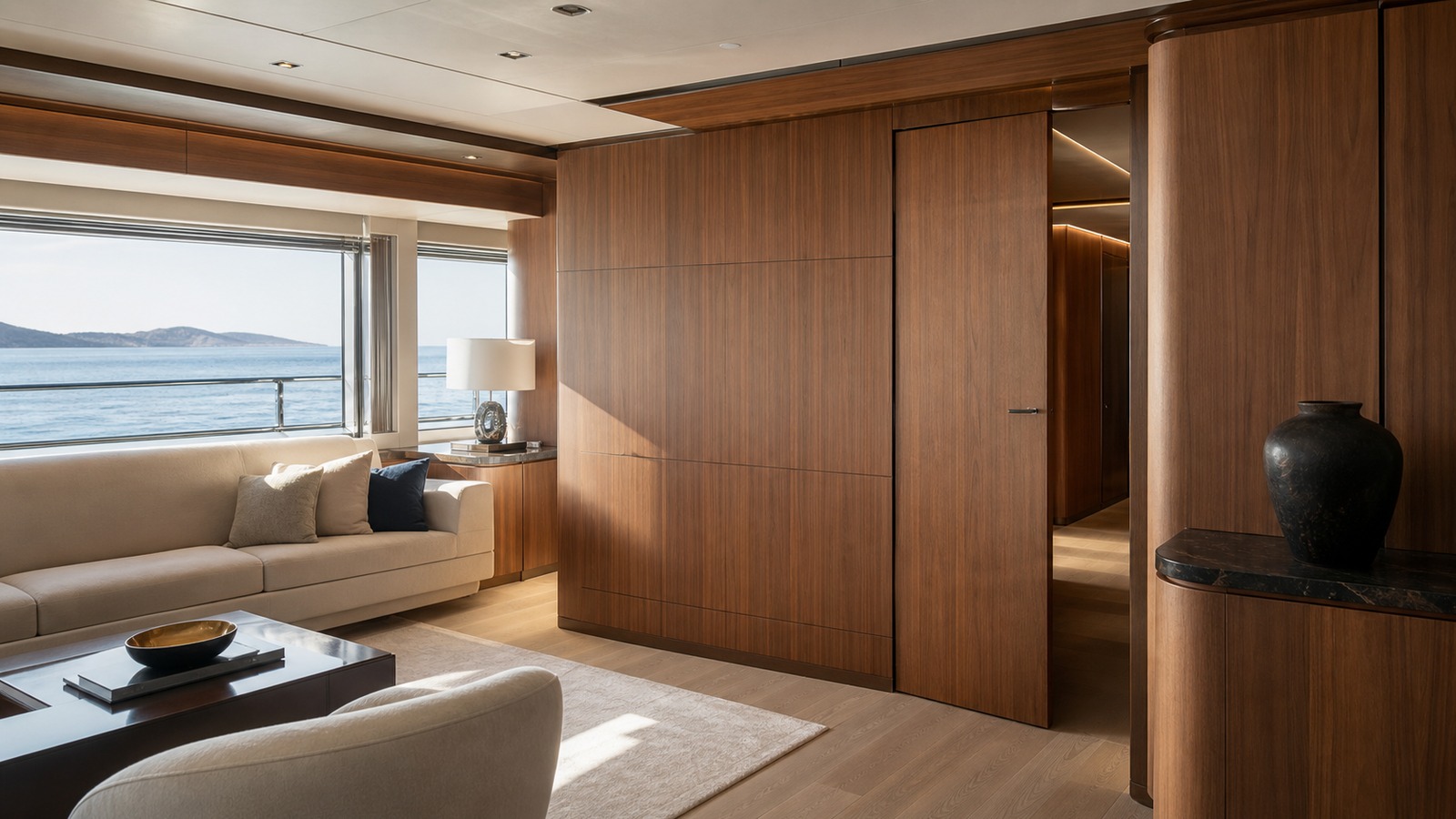
Secret doors in luxury yachts and private jets combine privacy, service flow, engineering restraint, safety, and refined design in very constrained spaces.
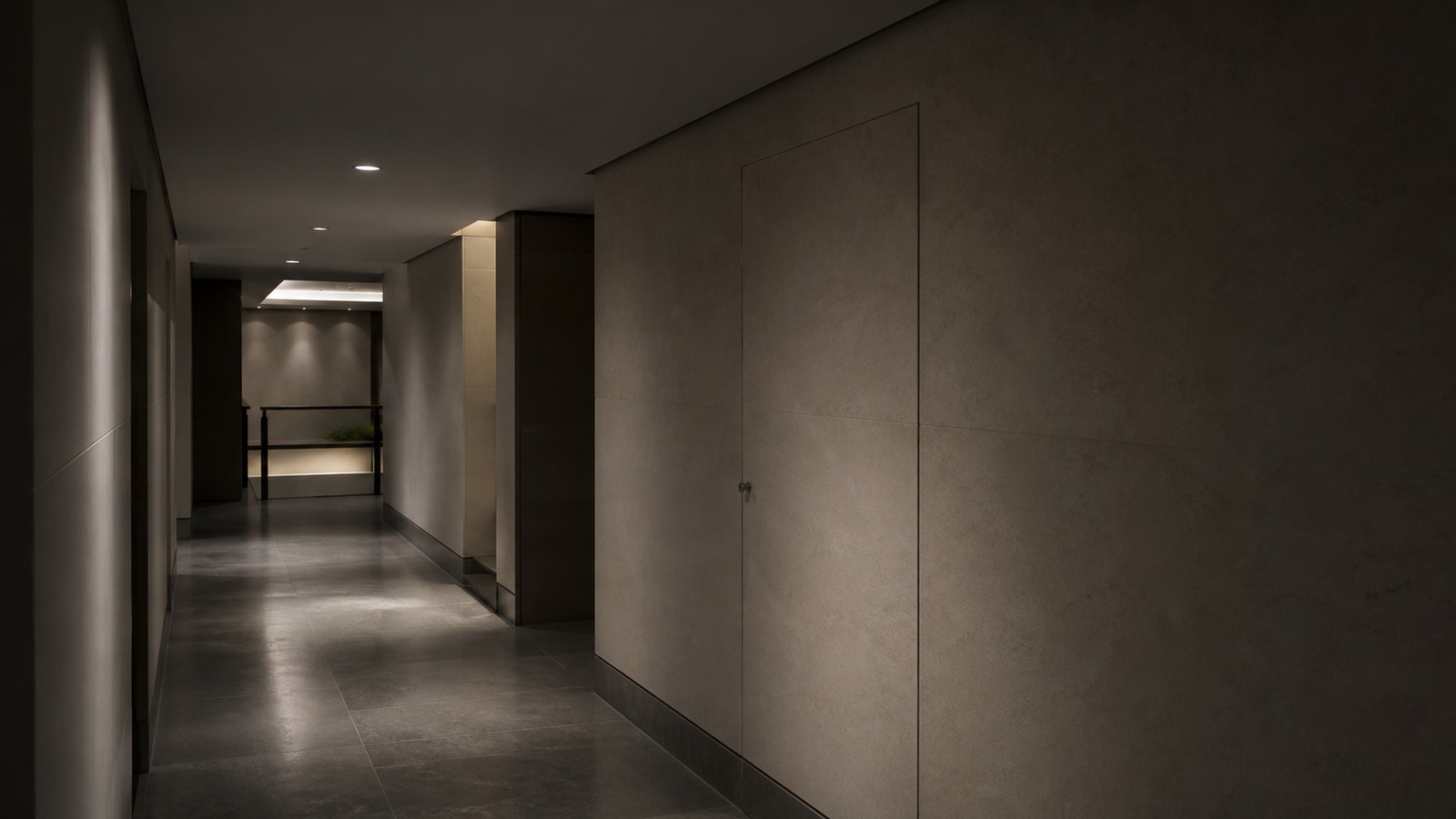
Secret entrances in spy headquarters reveal how architecture can manage discretion, identity, information control, and operational separation without cinematic excess.
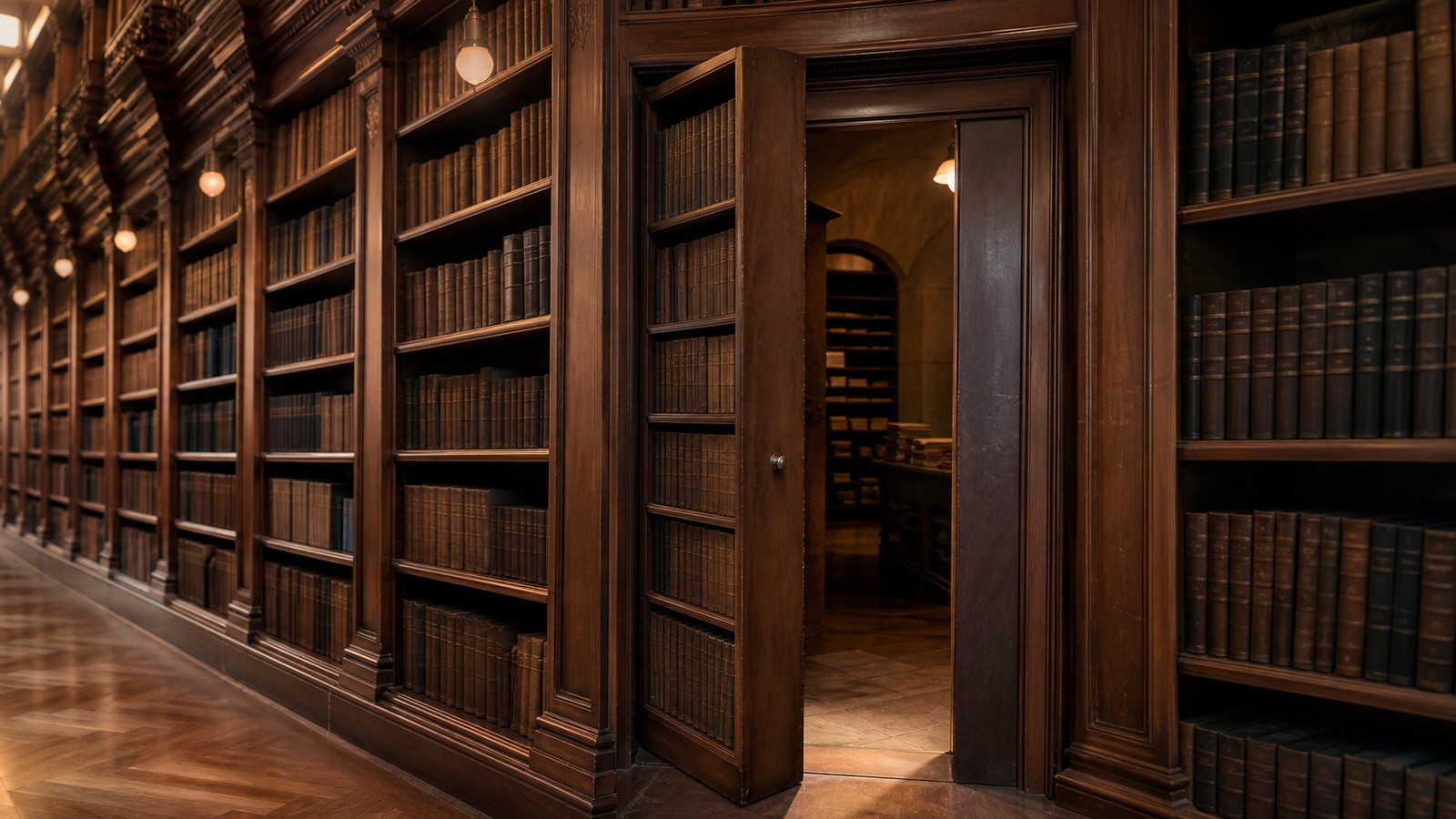
Secret doors in famous libraries feel natural because books, shelves, archives, staff routes, and rare materials already create layers of access.
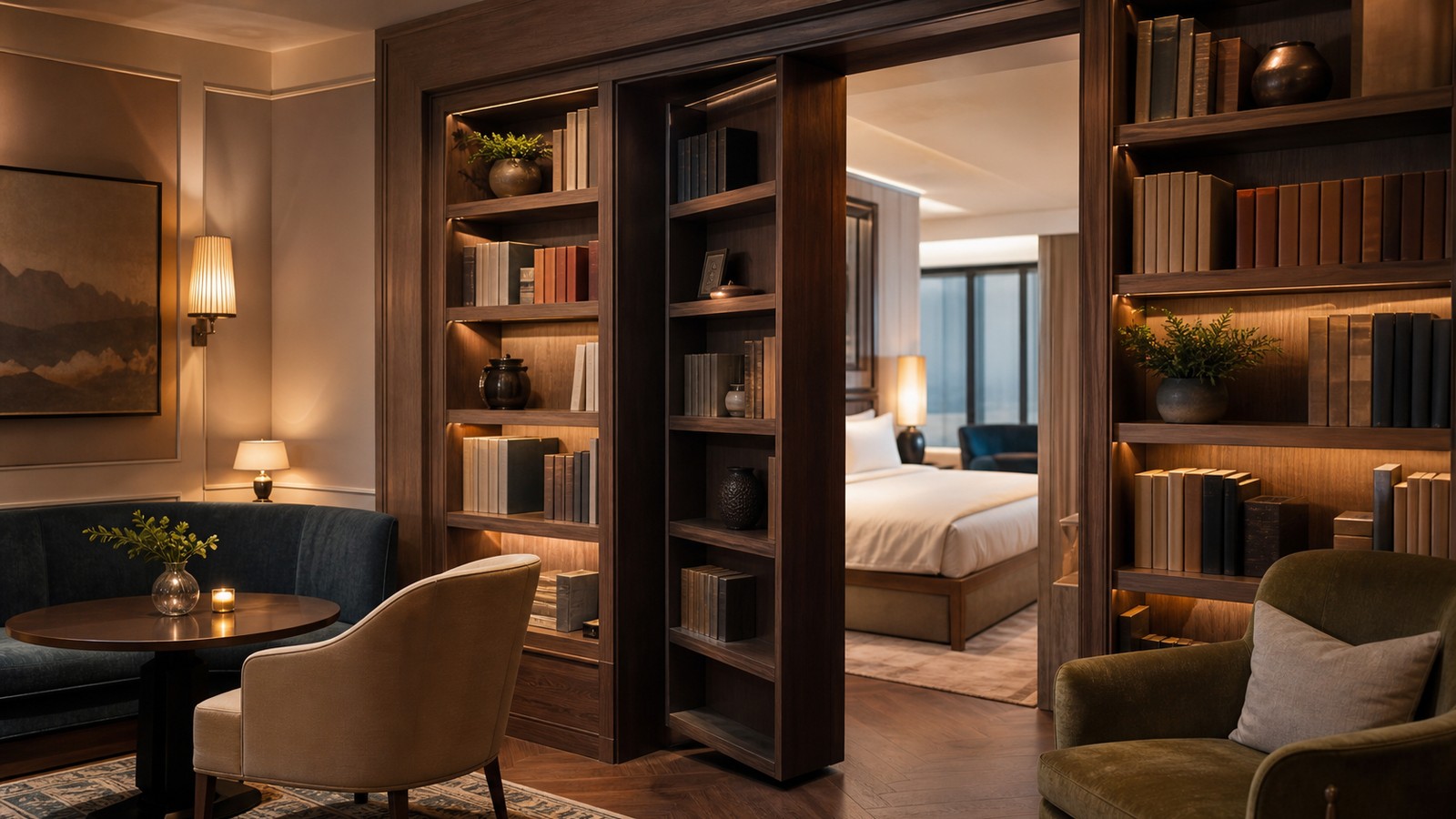
Secret hotel rooms feel cool when hidden access, hospitality, privacy, design restraint, and guest experience work together.
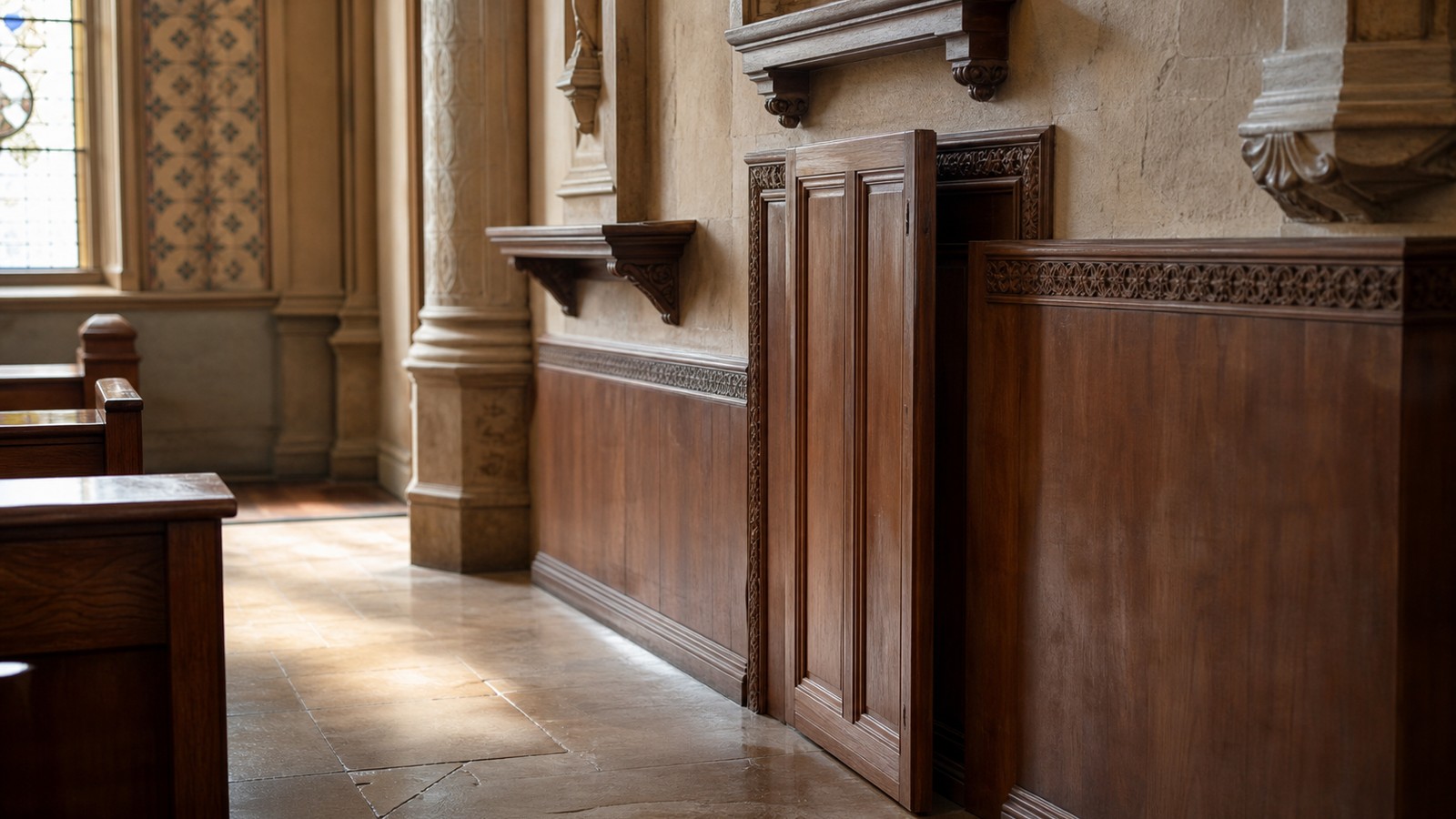
Secret doors in religious architecture often support ritual movement, storage, clergy access, safety, music, maintenance, and preservation.
Military bunker entrances reveal how concealment, terrain, protection, logistics, and disciplined access shape hardened architecture.
Everyday buildings can hide surprisingly useful secret doors because routine spaces often need storage, service routes, privacy, and later adaptation.