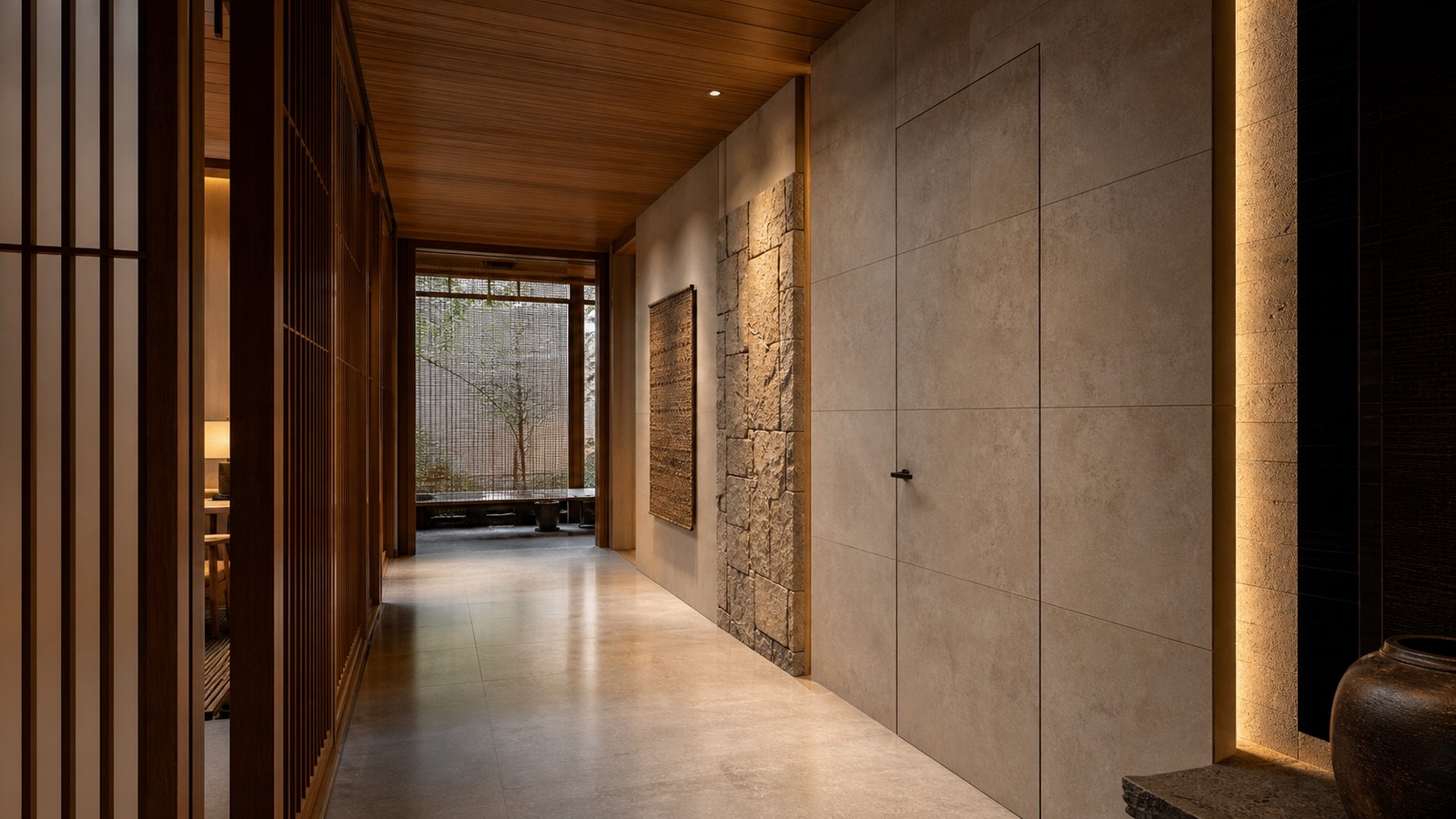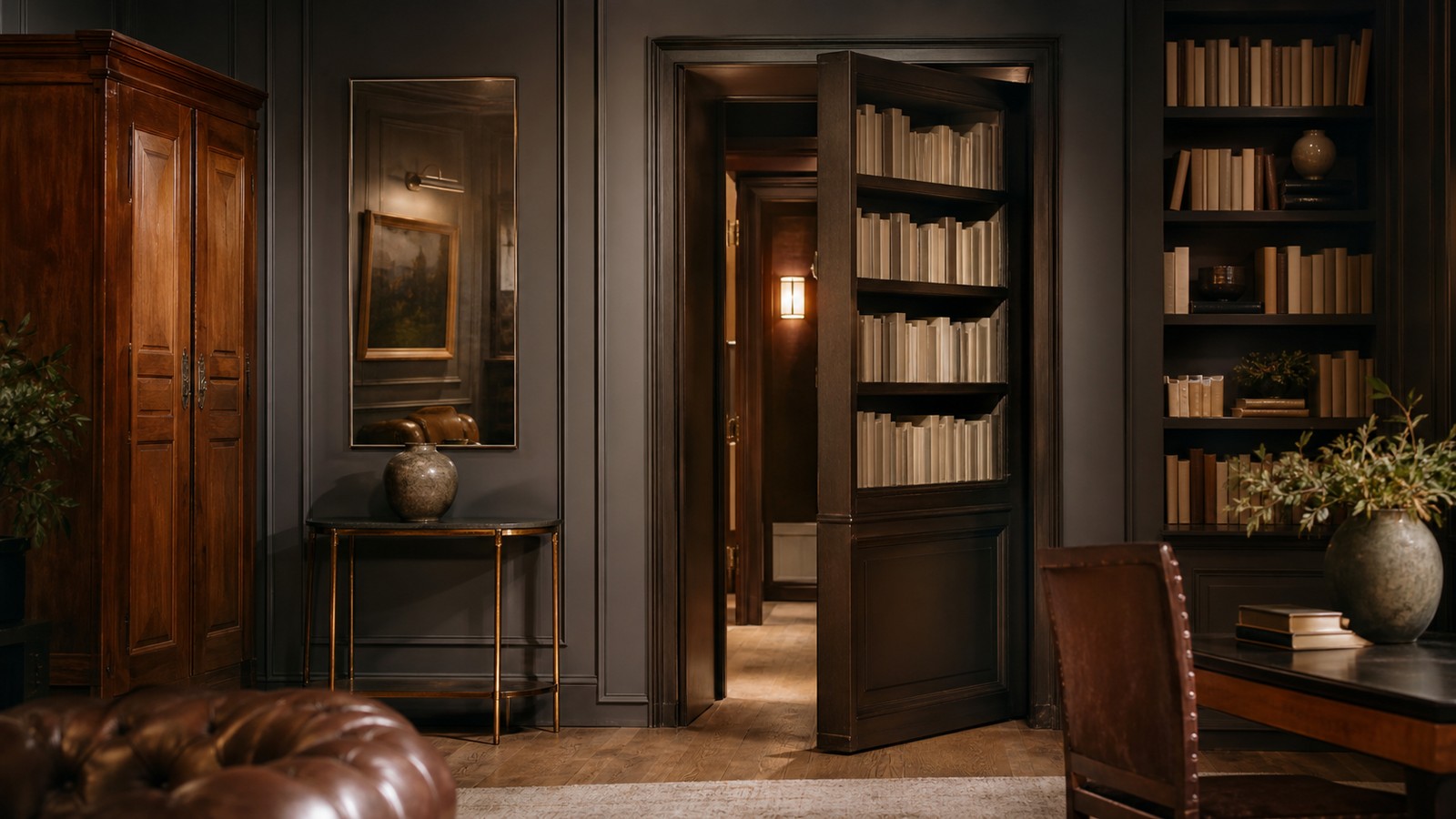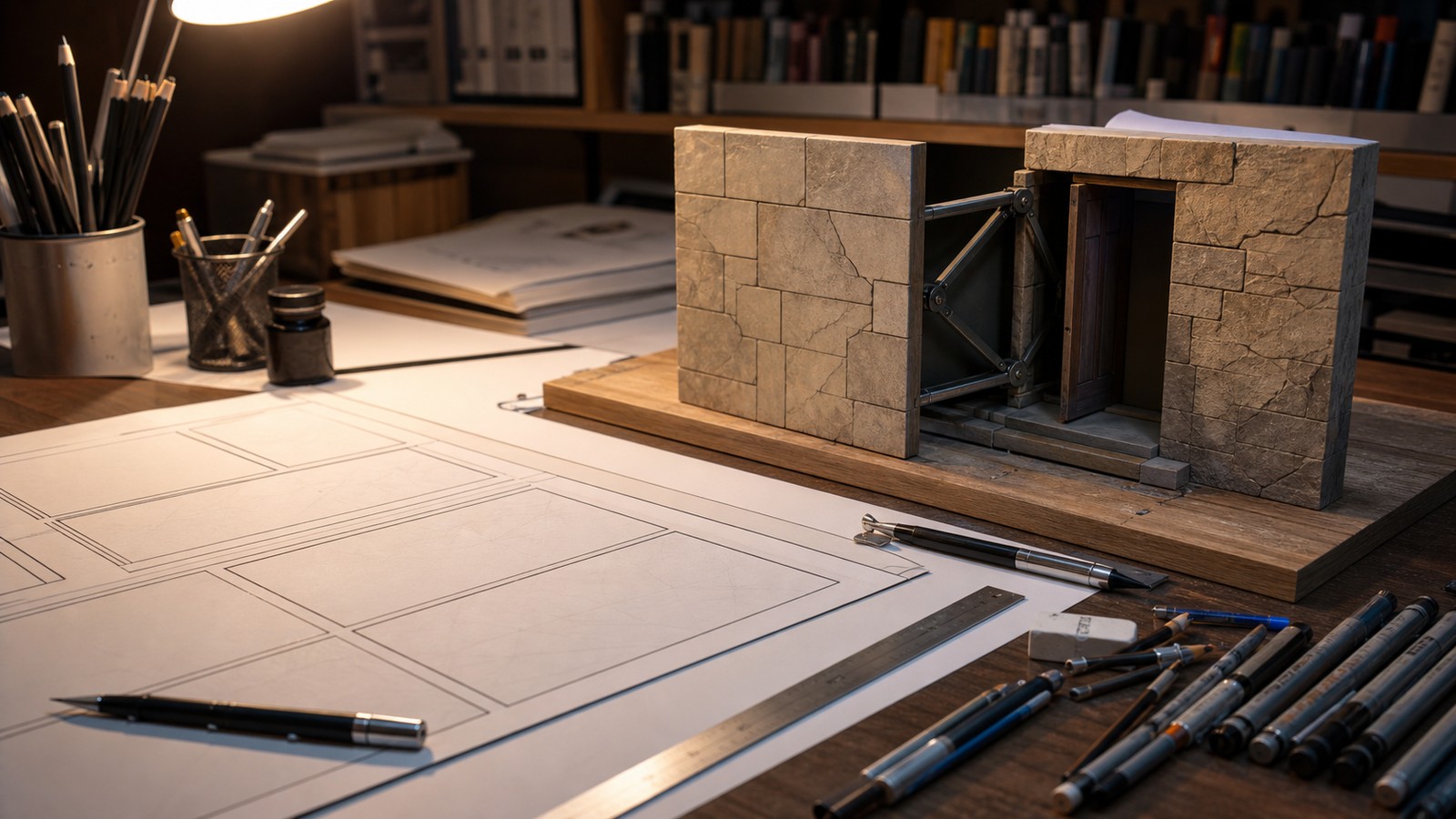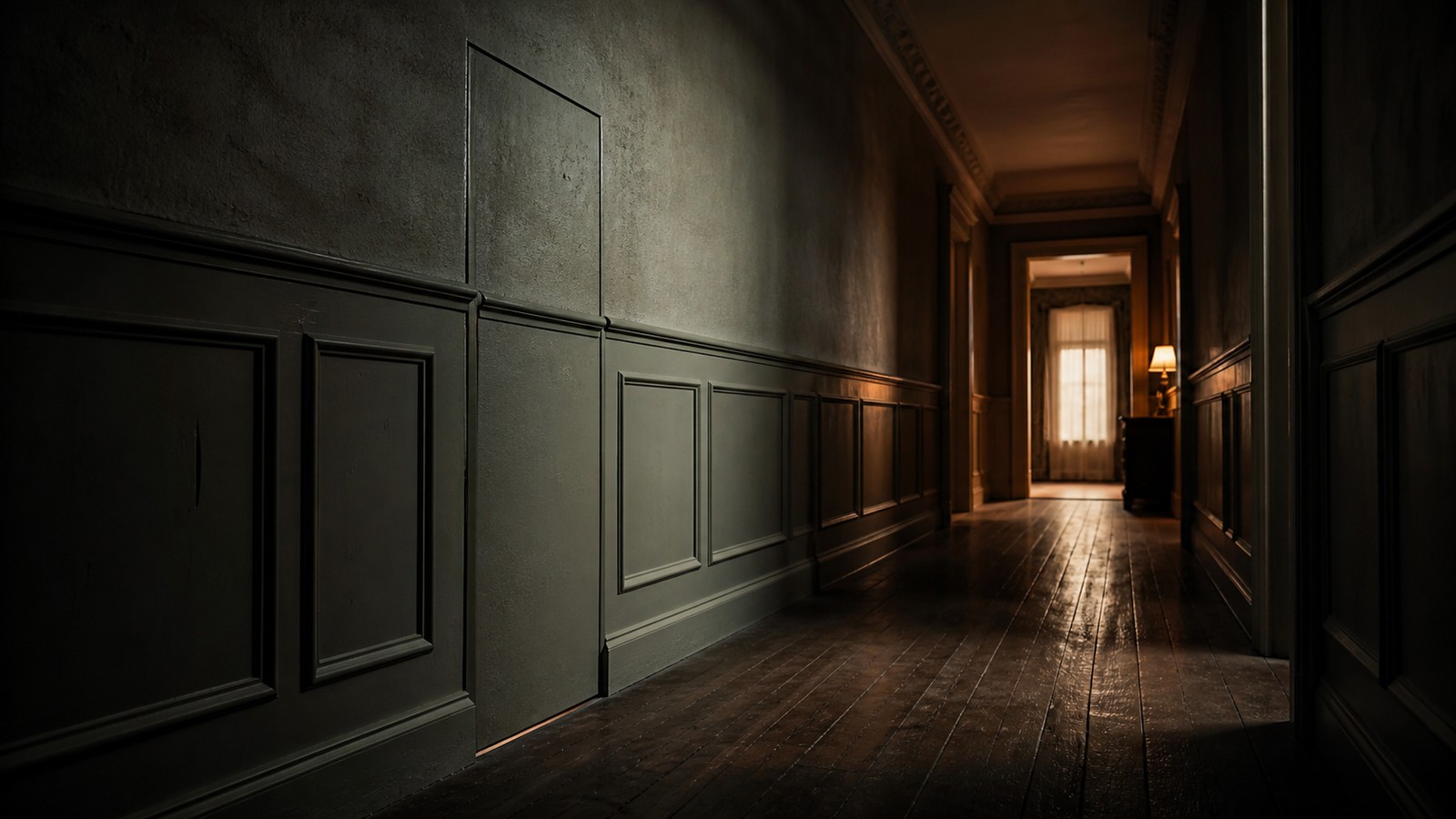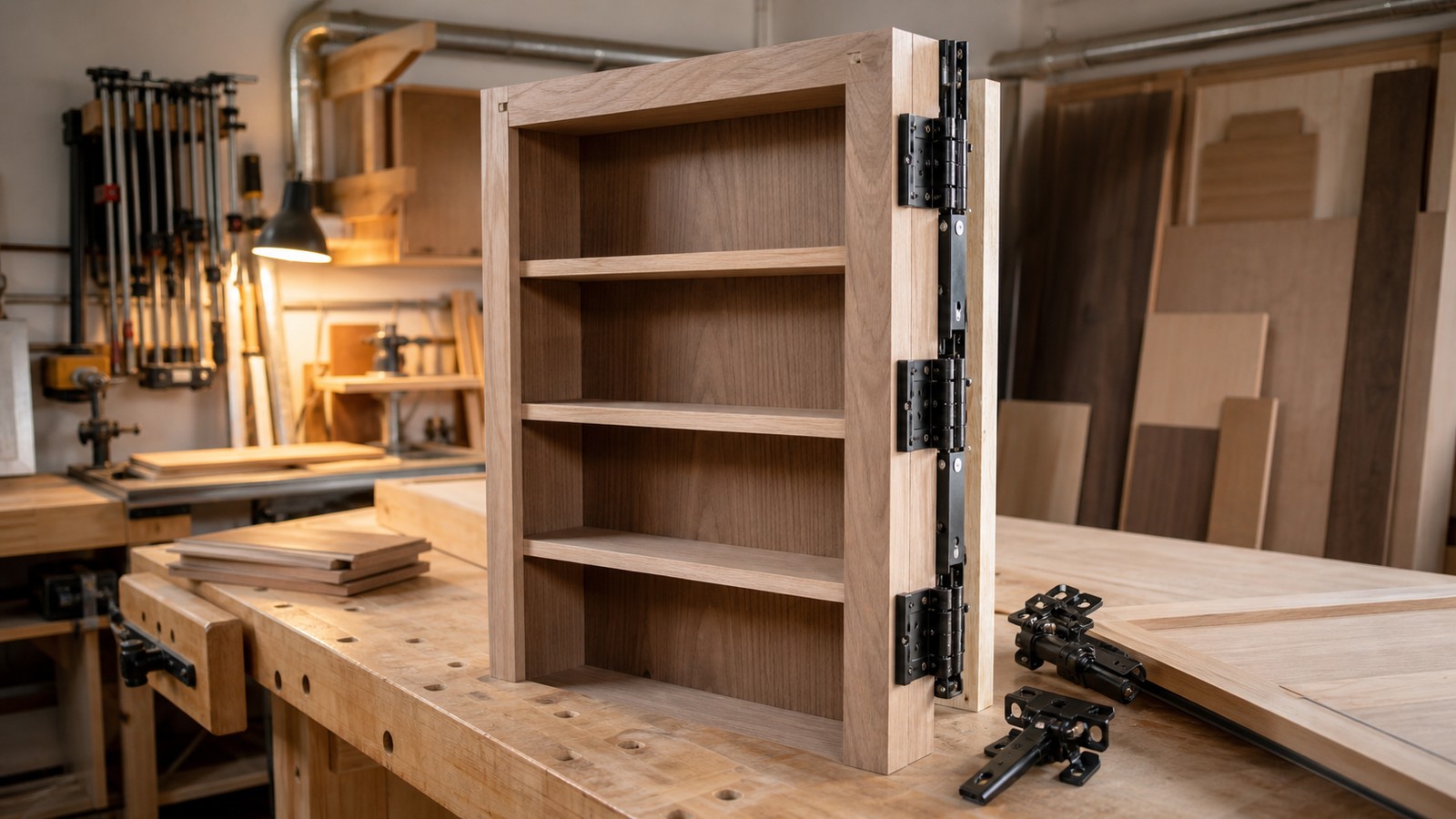
How to Build a Concealed Bookshelf Door from Scratch
Build a concealed bookshelf door from scratch with practical planning for structure, hinges, shelf weight, clearances, trim, finish, and safety.

Where Secrets Are Built Into the Walls
Build a concealed bookshelf door from scratch with practical planning for structure, hinges, shelf weight, clearances, trim, finish, and safety.
Concealed doors fascinate audiences worldwide because they connect curiosity, secrecy, safety, power, wonder, and the hope of hidden depth.
The most famous concealed doors in fiction endure because they turn thresholds into symbols of wonder, danger, secrecy, identity, and access.
Concealed entrances in comic books and graphic novels use page turns, panels, secret bases, and visual symbols to make access dramatic.
Concealed doors add suspense in horror films by making rooms unstable, routes uncertain, and the threat harder to locate.
Concealed entrances in pop culture appeal because they turn ordinary rooms, icons, props, and thresholds into promises of hidden access.
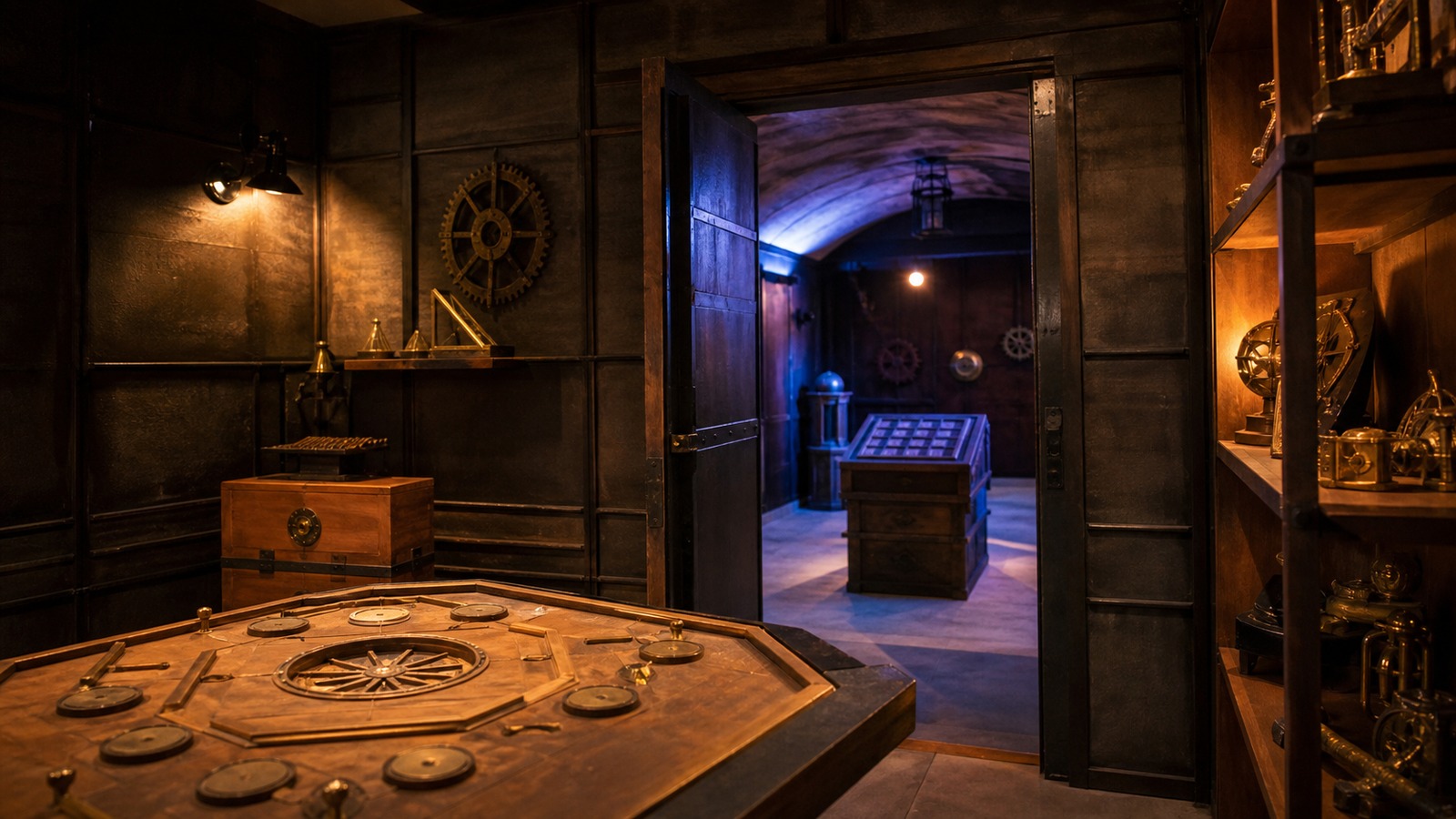
Concealed doors in escape rooms turn puzzles into movement, giving teams memorable reveals while demanding fairness, safety, and reliable reset.
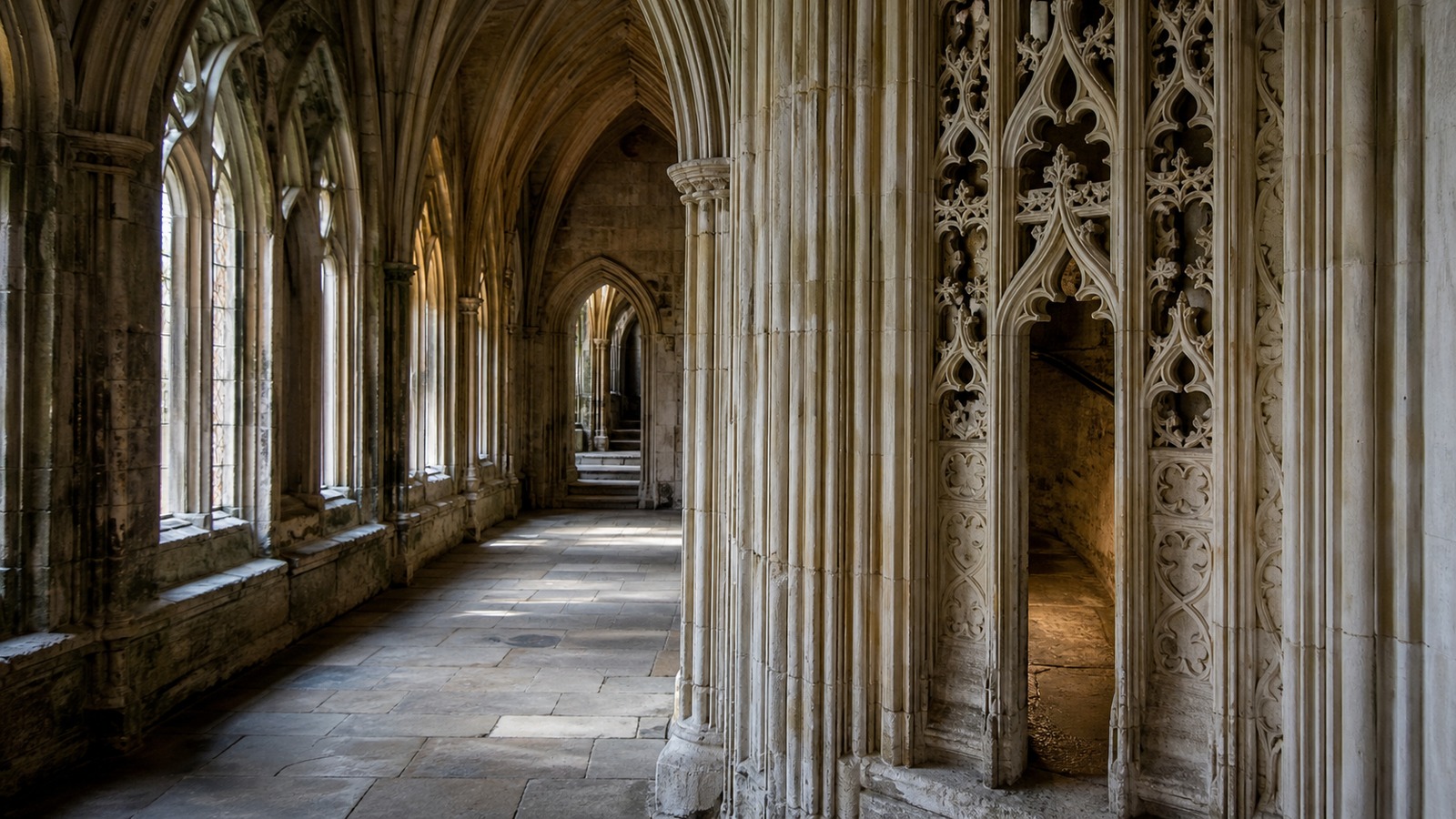
Concealed passageways in Gothic architecture blend structure, worship, service, renovation, atmosphere, and the enduring romance of hidden depth.
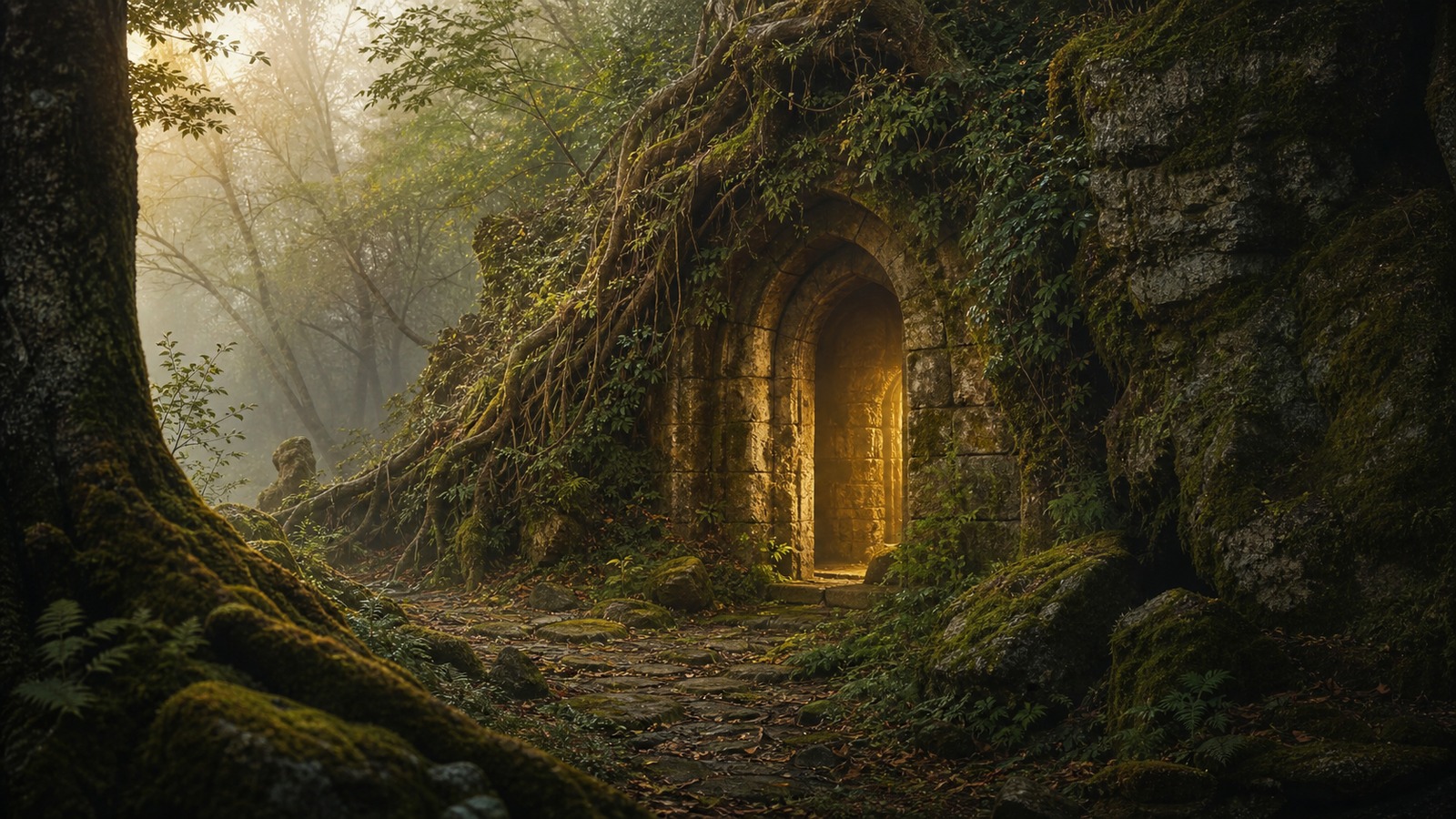
Concealed entrances in fantasy literature turn thresholds into tests, portals, protections, prophecies, social boundaries, and invitations to wonder.
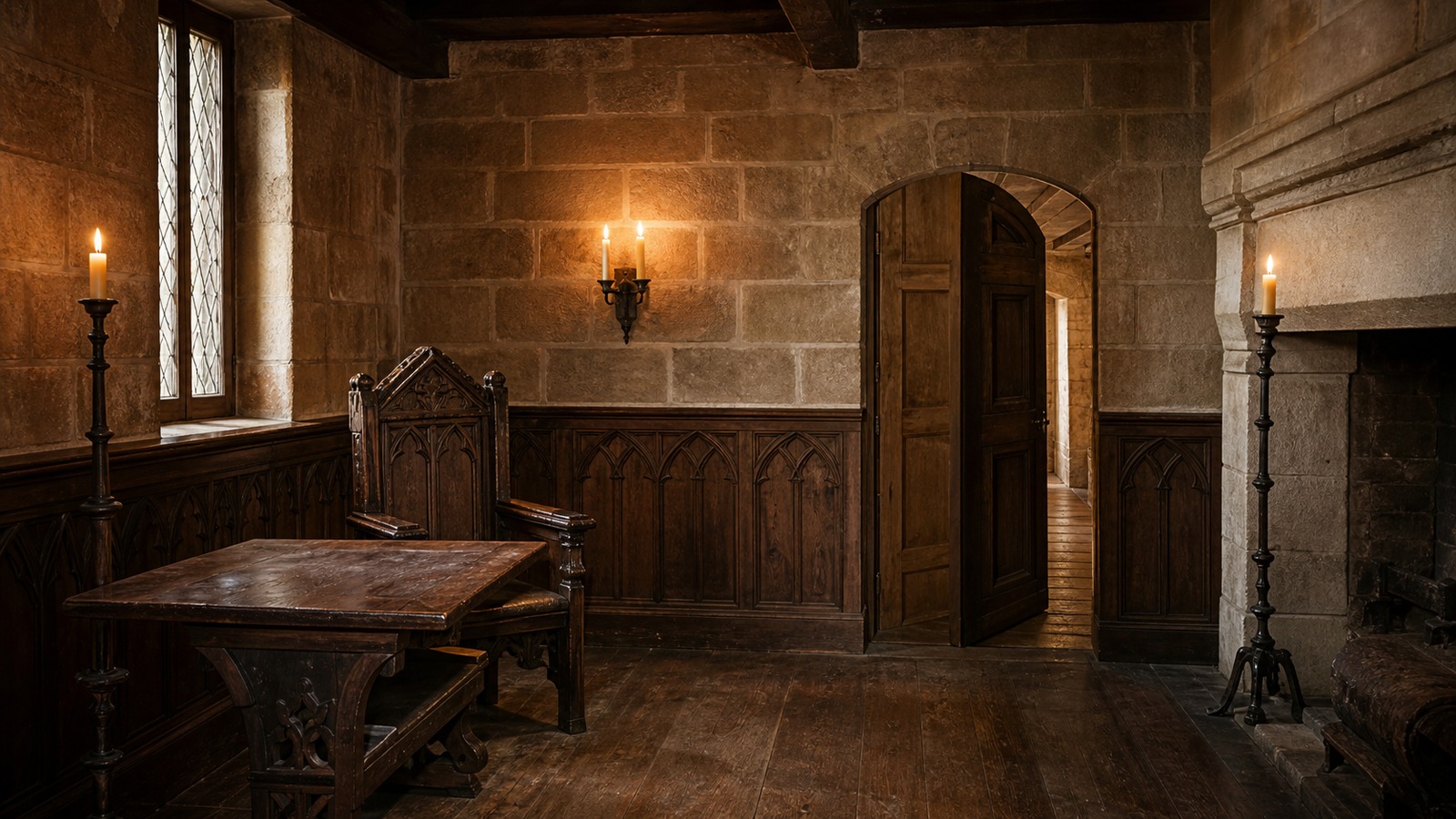
Concealed doors in medieval castles and palaces reflected defense, servants’ work, royal privacy, storage, worship, escape, and household power.
Concealed entrances in cartoons and animated shows use timing, exaggeration, visual clues, and impossible mechanics to make secrecy playful.
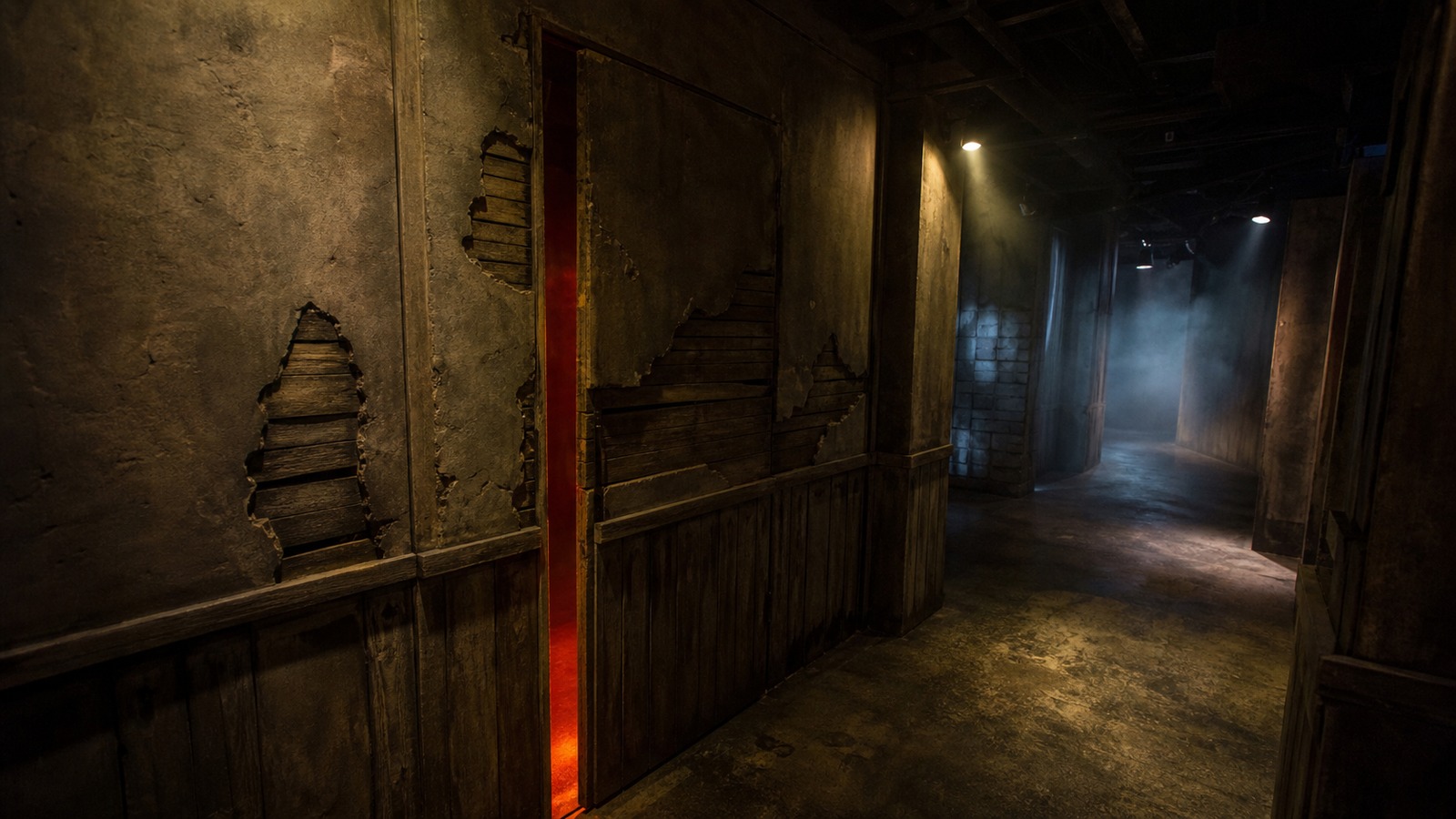
Concealed doors in haunted attractions control scares, actor movement, reset timing, guest flow, and the unsettling feeling that walls may open.