Secret Doors in Museums You Didn’t Know Existed
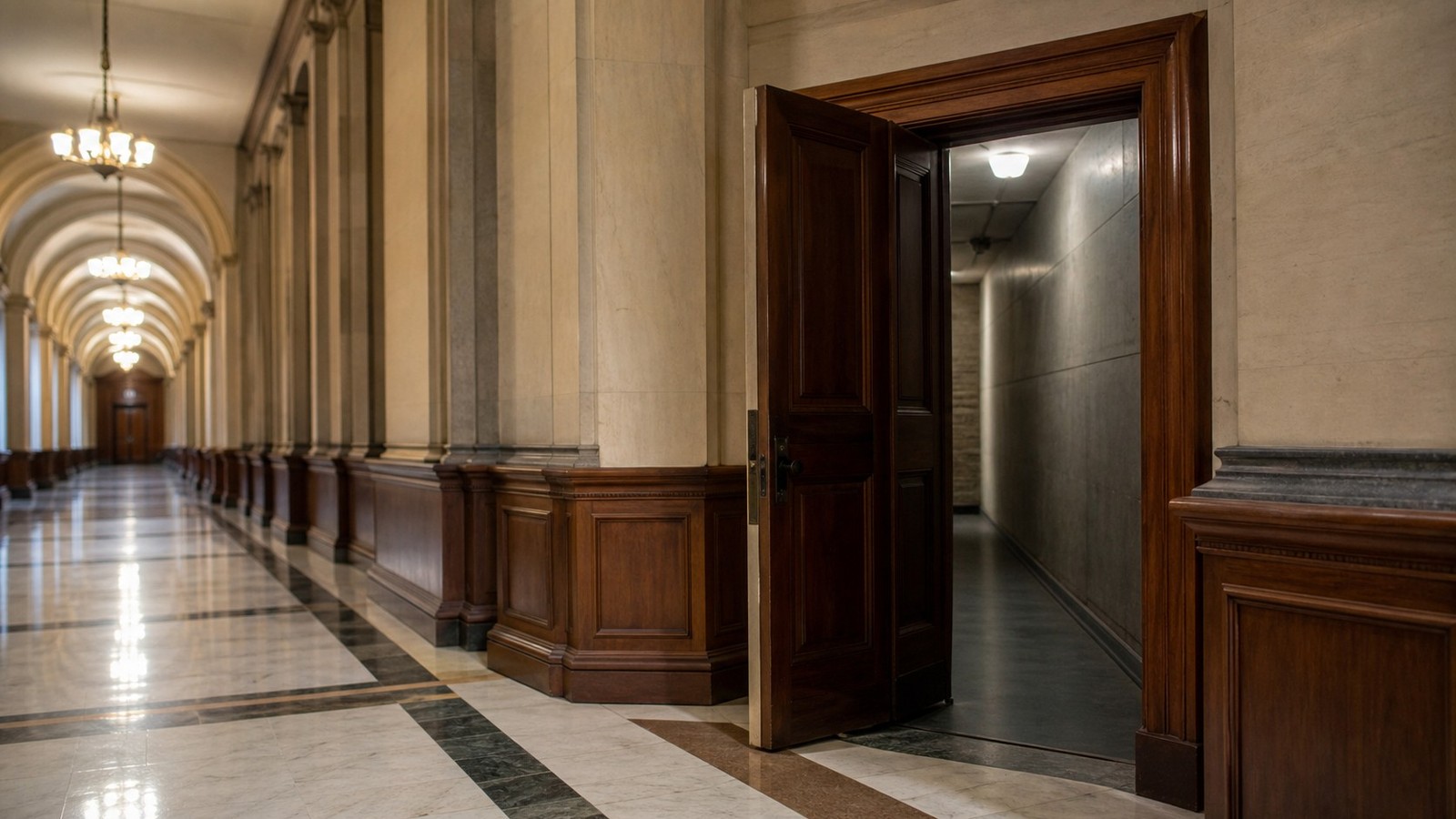
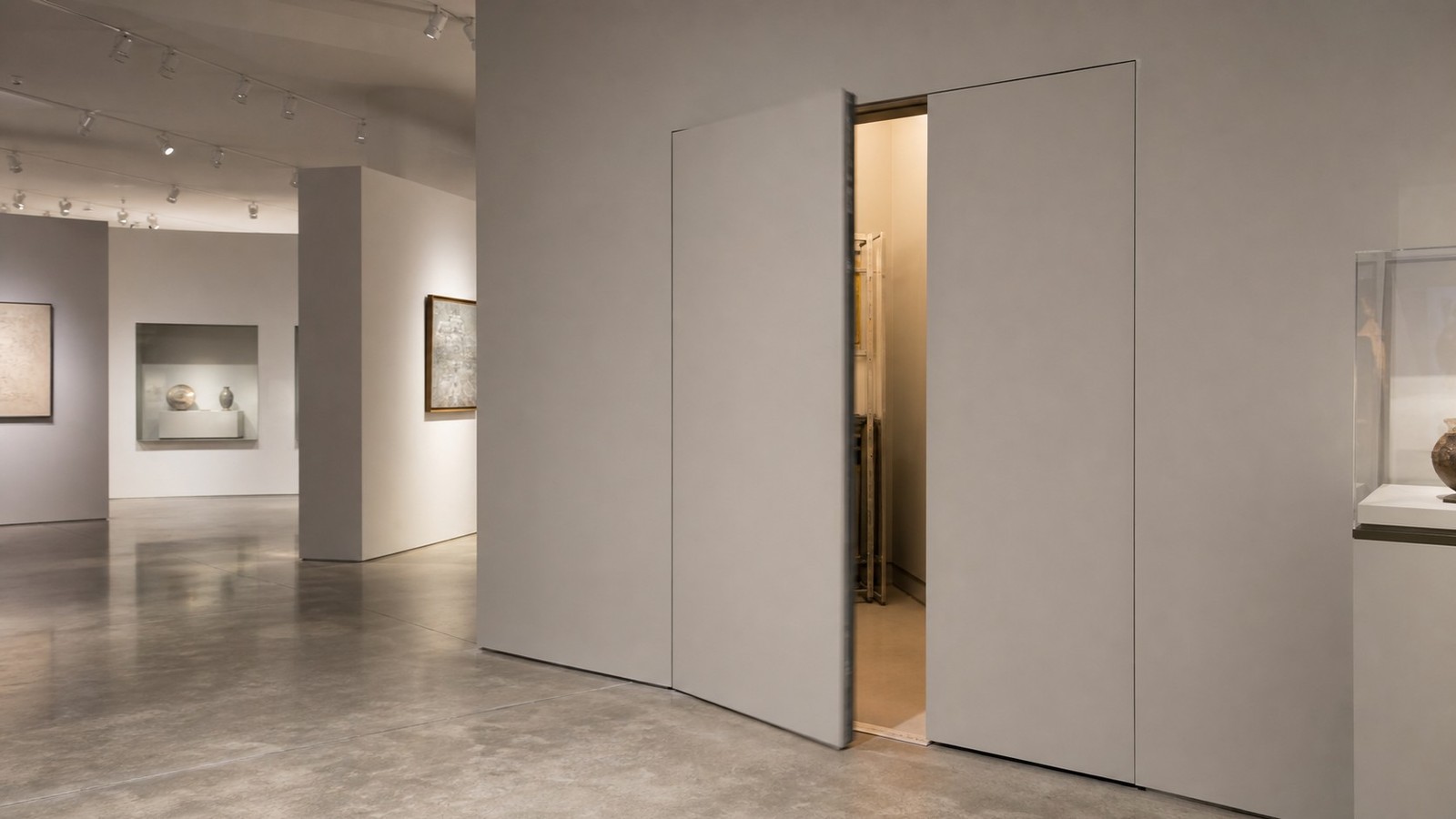
Museum secret doors can hide conservation labs, storage rooms, staff routes, historic architecture, and security functions without breaking the gallery experience.

Where Secrets Are Built Into the Walls
Museum secret doors can hide conservation labs, storage rooms, staff routes, historic architecture, and security functions without breaking the gallery experience.
Secret escape routes for world leaders show how architecture, protocol, discretion, and public trust intersect during moments of danger.
Secret doors in ancient temples reveal how sacred buildings controlled access, protected objects, guided ritual movement, and shaped awe.
Underground cities depended on hidden entrances that controlled movement, protected communities, and made below-ground life possible.
Mysterious secret doors become compelling when architecture, evidence, and human motive meet in a discovery that changes how a place is understood.
Invisible doors with custom finishes can blend into wood, plaster, lacquer, fabric, stone-look panels, wallpaper, and specialty surfaces when finish and function are planned together.
Invisible guest-room doors can make spare rooms, closets, ensuites, and multipurpose spaces feel calmer while preserving guest comfort, wayfinding, privacy, and easy use.
Invisible doors for spa and wellness spaces create calmer transitions while supporting moisture control, privacy, acoustic comfort, ventilation, cleaning, and serene material continuity.
Invisible mudroom and side-entrance doors can hide busy family access points while supporting durable finishes, weather, storage, locks, lighting, and daily traffic.
Invisible doors can blend beautifully with wallpaper or wall panels when pattern matching, seams, hardware, edges, lighting, and maintenance are planned before finishing.
Invisible garage doors are changing curb appeal by blending large vehicle openings into cladding, stone, metal, and wood facades while preserving safety and daily function.
Invisible doors that lead to hidden rooms should balance privacy, surprise, safety, egress, ventilation, lighting, purpose, security, and daily usability behind the reveal.