The Real Secret Is Controlled Movement
Secret entrances in spy headquarters are often imagined through film: sliding walls, hidden elevators, dramatic underground doors, and impossible rooms behind ordinary offices. Real intelligence architecture is usually quieter. The point is not to entertain visitors with mystery, but to manage who enters, where they go, what they can see, and how much attention their movement attracts. A secret entrance in this context is less a magic trick than a tool for compartmentalization. It separates public-facing space from protected work, and it does so with discipline rather than spectacle.
A: Real secure buildings usually value layered access and reliability over spectacle.
A: Movement, identity, schedules, documents, and meetings can all reveal sensitive information.
A: No. Active facility details and procedures should stay private.
A: It is the practice of limiting access and knowledge to the people who need it.
A: Yes. Practical routes often make the most believable discreet circulation.
A: Use hidden access for privacy, records, staff flow, and calm design rather than fantasy.
A: Movies need visible symbols that instantly tell audiences secrecy is present.
A: It is reliable, controlled, discreet, and integrated into a larger access system.
A: Only if they solve a real need and remain simple to use.
A: Discretion is often stronger than drama.
Spy Architecture Starts With Layers
A headquarters connected to intelligence work has to manage layers of access. Public reception, staff work areas, restricted offices, secure meeting rooms, archives, technical spaces, and service routes may all exist under one institutional roof. A secret or discreet entrance is one way to move between those layers without making every transition visible.
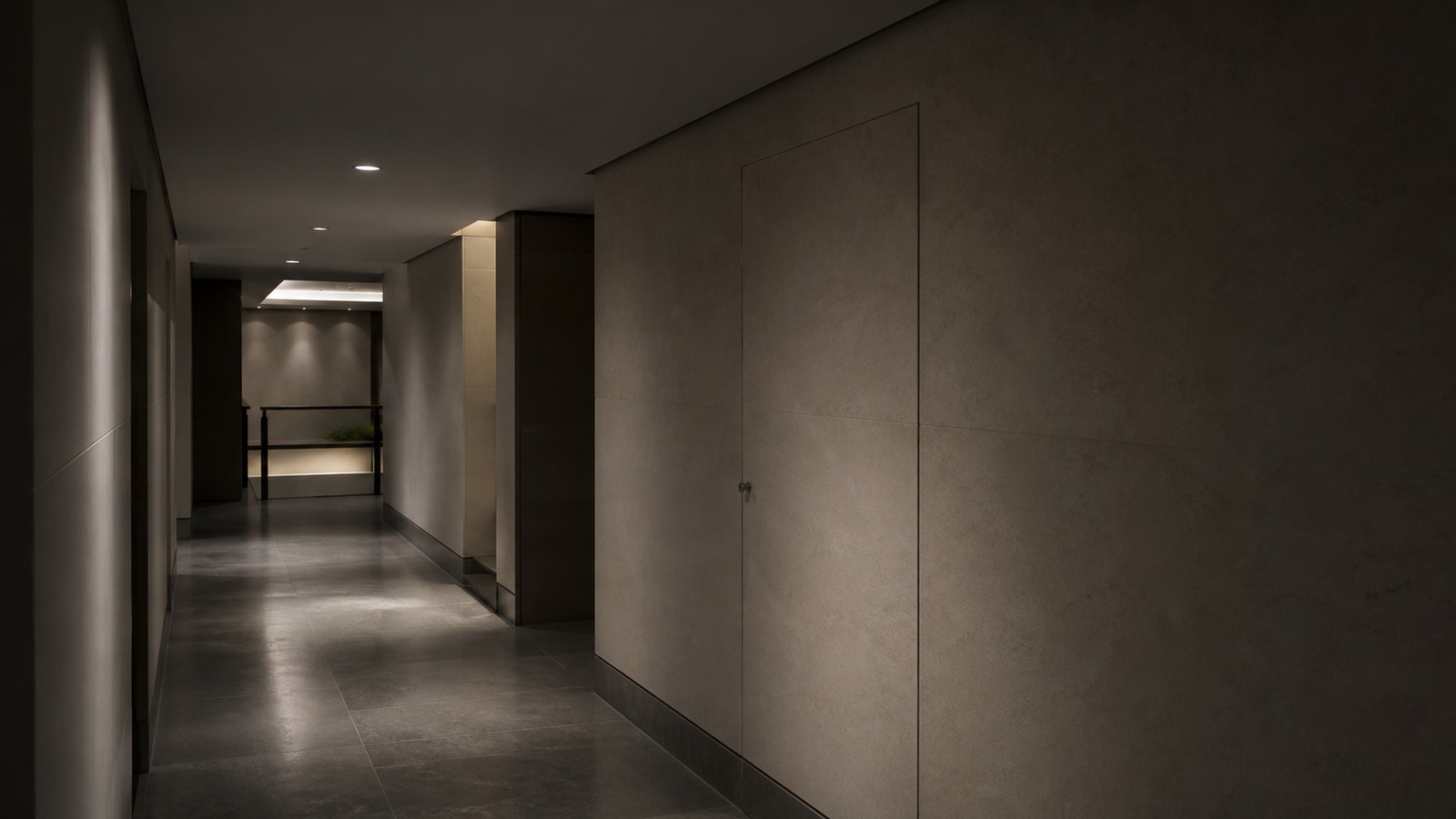
Layering does not automatically mean a dramatic hidden passage. It can mean a plain door in a controlled corridor, an entrance that blends with service circulation, a secure route away from public waiting areas, or a threshold that only makes sense to people who already belong there. The architecture is doing social sorting.
The Entrance Protects More Than People
Discreet access can protect documents, equipment, conversations, identities, and schedules. In intelligence settings, movement itself may reveal information. Who arrives, how often, through which route, and with what materials can all become meaningful to observers. A hidden entrance reduces unnecessary visibility.
This is why the topic has to be discussed at a high level. Current operational layouts and procedures should remain private. What can be explored safely is the broader design principle: buildings can hide patterns of movement when those patterns carry sensitive meaning.
The entrance is therefore part of information security. It protects the story around the work, not only the walls around the room.
Reception Areas Are Designed to Limit Knowledge
Public-facing areas in secure institutions are often designed to reveal very little. A visitor may see a lobby, waiting room, badge desk, or meeting suite, but not the circulation beyond it. Discreet internal entrances let authorized people leave the public layer without creating obvious clues about deeper zones.
Fiction Makes Everything Louder
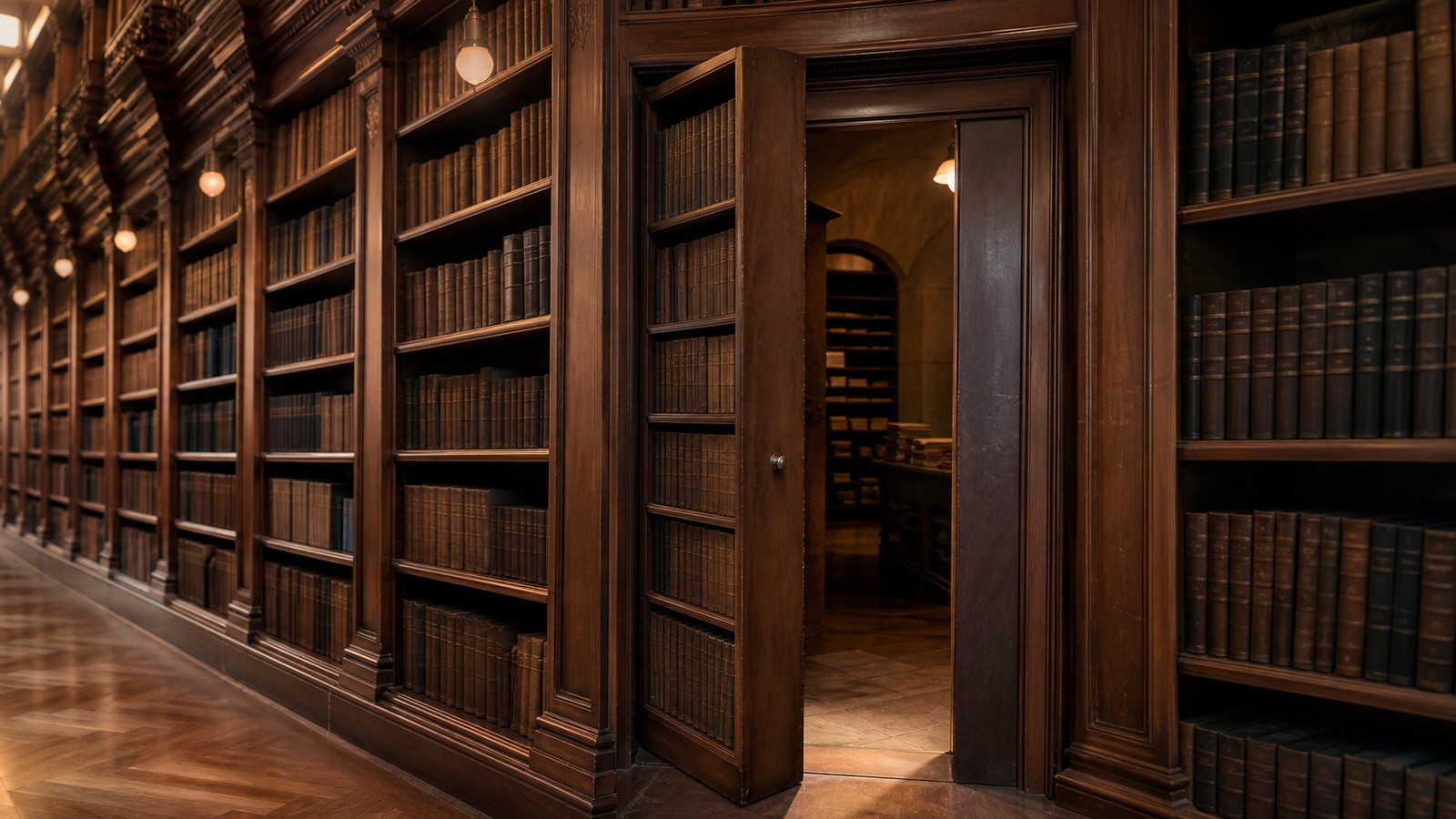
Spy films and novels turn secret entrances into visual shorthand. A bookcase opens, a panel slides, a floor drops, and the audience understands that the story has entered a hidden world. Those devices are useful for storytelling because they externalize secrecy. The building performs the plot.
Real secure architecture tends to value reliability over drama. A door that is too clever can be slow, noisy, hard to maintain, or too memorable. In a serious setting, forgettable may be better. The entrance should work every day without inviting attention from people who do not need to know it exists.
Compartmentalization Shapes the Plan
Intelligence work often depends on people knowing only what they need to know. Architecture can support that principle by separating routes, rooms, storage, and meeting areas. A discreet entrance may allow one team to reach a space without crossing another team’s area or public circulation.
This is a planning idea more than a theatrical one. Walls, doors, elevators, corridors, stairs, and access controls all create boundaries of knowledge. The secret entrance is one boundary among many.
Good compartmentalization is also humane. It can reduce confusion, protect privacy, and give staff clear expectations about where they are allowed to go. Security works best when it is understandable to the people using it.
Service Routes Can Be the Most Plausible Disguise
In many secure buildings, the most believable hidden movement happens through spaces that already look practical: loading areas, maintenance corridors, staff stairs, archive access, or equipment rooms. These routes do not need to look mysterious because they already have a reason to exist.
Ethics Matter When Discussing Secure Entrances
There is a difference between exploring design principles and exposing vulnerabilities. Articles, tours, and public discussions should avoid mapping active facilities, current procedures, or identifiable weak points. Responsible curiosity can still examine why discreet access matters without making real places less safe.
This boundary is important because spy architecture is attractive to imagination. The more secretive the subject feels, the easier it is to confuse entertainment with useful information. Good writing keeps the focus on history, fiction, broad principles, and declassified or generic examples.
What Homes and Offices Can Learn
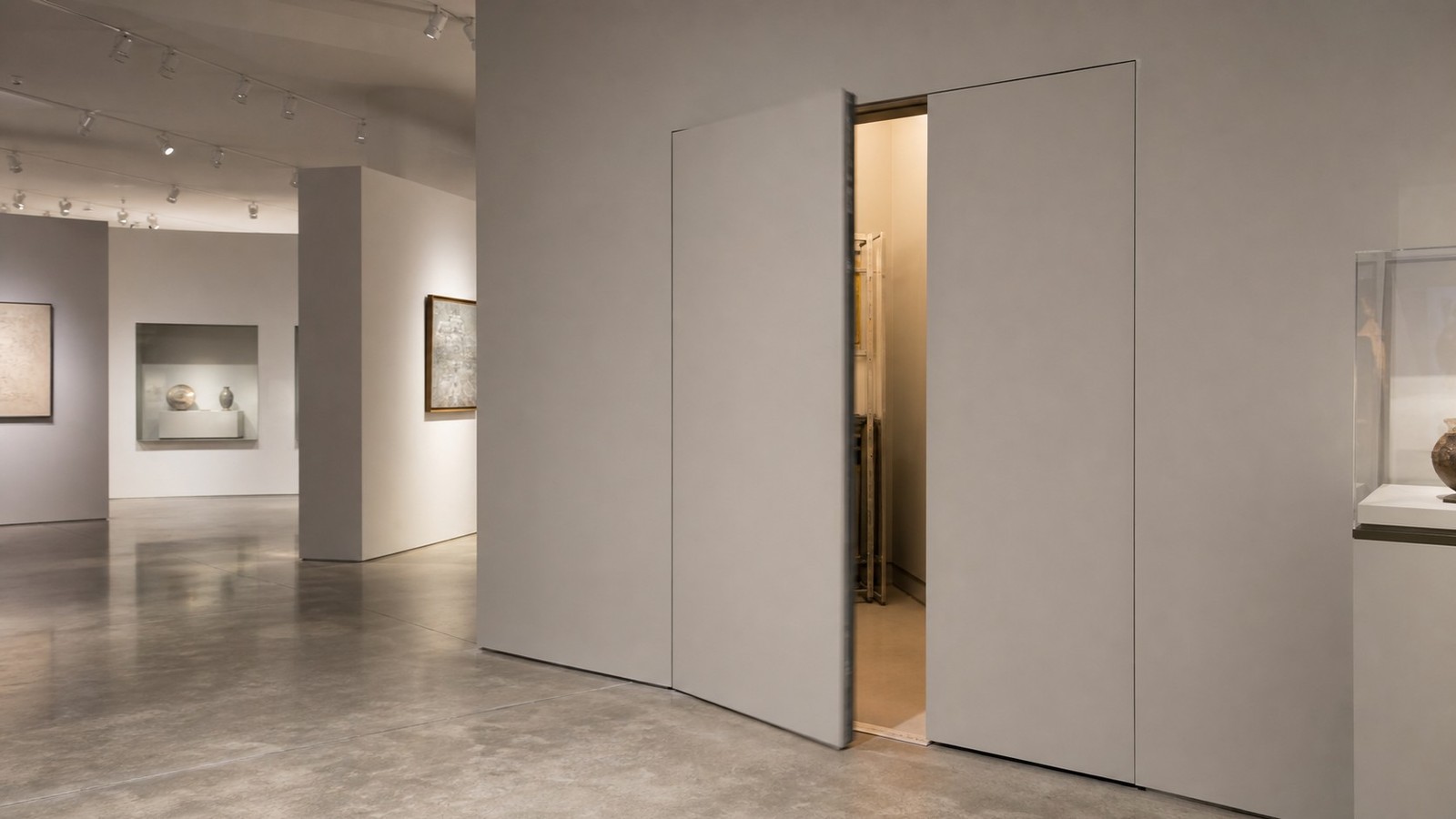
Most homes and ordinary offices do not need spy-level secrecy, but they can borrow the idea of layered access. A private office behind a bookshelf, a secure records room behind flush millwork, or a staff-only passage behind a service wall can create useful separation without making a space feel hostile.
The lesson is restraint. Design the hidden route around a real need: privacy, storage, sound control, staff flow, or visual calm. Do not let the spy fantasy push the project toward hardware that is harder to use than the problem deserves.
A good hidden entrance should be clear to the right people and dull to everyone else. That principle works as well in a small office as it does in more serious secure environments.
The Best Spy Door Is Not Trying to Impress
A secret entrance in a spy headquarters is most convincing when it does not look like one. It belongs to a wider system of controlled movement, identity, privacy, and information protection. The mystery is not the mechanism. It is the quiet discipline of a building that knows how little it should reveal.
That is why fictional spy doors remain fun but incomplete. They show the thrill of crossing into a hidden world. Real discreet entrances show something subtler: secrecy is often made from ordinary doors used with extraordinary care.
Discretion Is the Architecture
The deepest design lesson is that discretion can be architectural. It can be built into sightlines, routes, thresholds, waiting rooms, and service paths. A spy headquarters does not need every door to be exotic. It needs the right people to move without telling the wrong story to the room around them.
When viewed this way, the secret entrance becomes a quiet agreement between building and institution. It gives sensitive work a route, limits accidental knowledge, and leaves public-facing spaces calm. That is a much more durable form of secrecy than a cinematic panel that everyone remembers.
That agreement depends on ordinary design decisions that rarely look dramatic from the outside. A reception desk may face one way rather than another. A corridor may end before visitors can see a secure door. A staff route may be placed beside service rooms instead of public meeting areas. Each choice is modest on its own, but together they create an environment where discretion is normal rather than improvised.
The most successful entrance also avoids making secrecy feel like intimidation. Secure buildings still need human routines, clear wayfinding for authorized staff, maintenance access, and calm daily use. If everyone who belongs there understands the route without spectacle, the architecture has done something difficult. It has made a sensitive boundary feel composed.
Public Imagination Should Stay General
Secret entrances in spy headquarters are compelling because they sit at the edge of what the public can safely know. People are drawn to the image of a building with another building hidden inside it, a place where ordinary hallways may lead to rooms of unusual consequence. That curiosity is understandable, but responsible interest has to remain general. The useful lesson is about layers, privacy, and controlled movement, not about exposing real entrances, procedures, or present-day protective measures.
That distinction also makes the topic more interesting. Once the article steps away from tactical detail, the design questions become richer. How does a building separate public legitimacy from private work? How can an institution welcome visitors while protecting sensitive conversations? How can architecture reduce accidental disclosure without turning every surface into a warning sign? Those questions apply to embassies, research facilities, records offices, courthouses, corporate campuses, and even private homes with confidential work.
The best conclusion is therefore less cinematic and more durable. A secret entrance is not impressive because it hides behind a famous trick. It is impressive when it helps a building manage trust. It gives certain people a route, keeps unnecessary attention away from sensitive movement, and leaves the public face of the place orderly. In that sense, the real secret is not the door at all. It is the careful relationship between access, knowledge, and restraint.
Why the Ordinary Door Still Matters
The ordinary door matters because secure work still happens through repeated human habits. People arrive tired, carry files, escort visitors, meet deadlines, and move between rooms many times a day. A discreet entrance that is too clever can become a point of friction, while a well-placed ordinary door can support privacy without making every movement feel ceremonial. The architectural skill is in deciding which thresholds need to be emphasized, which should fade into routine, and which should be kept from public attention entirely.
That makes spy headquarters a useful lens for thinking about hidden doors in any serious environment. Concealment should never be the only goal. The route should make work easier, reduce unnecessary exposure, and preserve the dignity of the people using it. When a door can do that while remaining visually calm, it has moved beyond the fantasy of secrecy and into the craft of responsible design.
The Door Is Only One Part of Trust
It is tempting to treat the hidden entrance as the whole story because a door provides such a satisfying image: closed, opened, known, unknown. In secure headquarters, though, trust is distributed across many layers. Policies decide who may enter. Training tells people how to move. Badges, escorts, cameras, reception desks, and room layouts reinforce boundaries. Architecture supports that culture by making the right movement natural and the wrong movement difficult, but it cannot replace judgment. That is why the strongest secret entrance is never just a clever object in a wall. It belongs to an ethic of discretion, where people, procedures, and space all agree about what should be visible. The lesson is surprisingly practical for ordinary design. A hidden door works best when it supports a clear relationship of trust instead of pretending that secrecy alone can solve the problem. It should reduce confusion, not create a private mythology for its own sake. The better the entrance is planned, the less it demands attention from the people who use it correctly. That quiet usefulness is what separates serious secure architecture from the stagecraft that fiction understandably loves. It also explains why these doors remain compelling even when described without operational detail. They show that architecture can be discreet, ethical, and purposeful at the same time, using ordinary thresholds to protect extraordinary responsibilities. The lasting fascination is that a modest route can carry institutional seriousness without advertising it, proving that the most powerful hidden entrance may be the one that keeps everyone calmer. That kind of calm is the true signature of disciplined secure design today.