The Most Famous Concealed Doors in Fiction
The most famous concealed doors in fiction endure because they turn thresholds into symbols of wonder, danger, secrecy, identity, and access.

Where Secrets Are Built Into the Walls
The most famous concealed doors in fiction endure because they turn thresholds into symbols of wonder, danger, secrecy, identity, and access.
Concealed entrances in comic books and graphic novels use page turns, panels, secret bases, and visual symbols to make access dramatic.
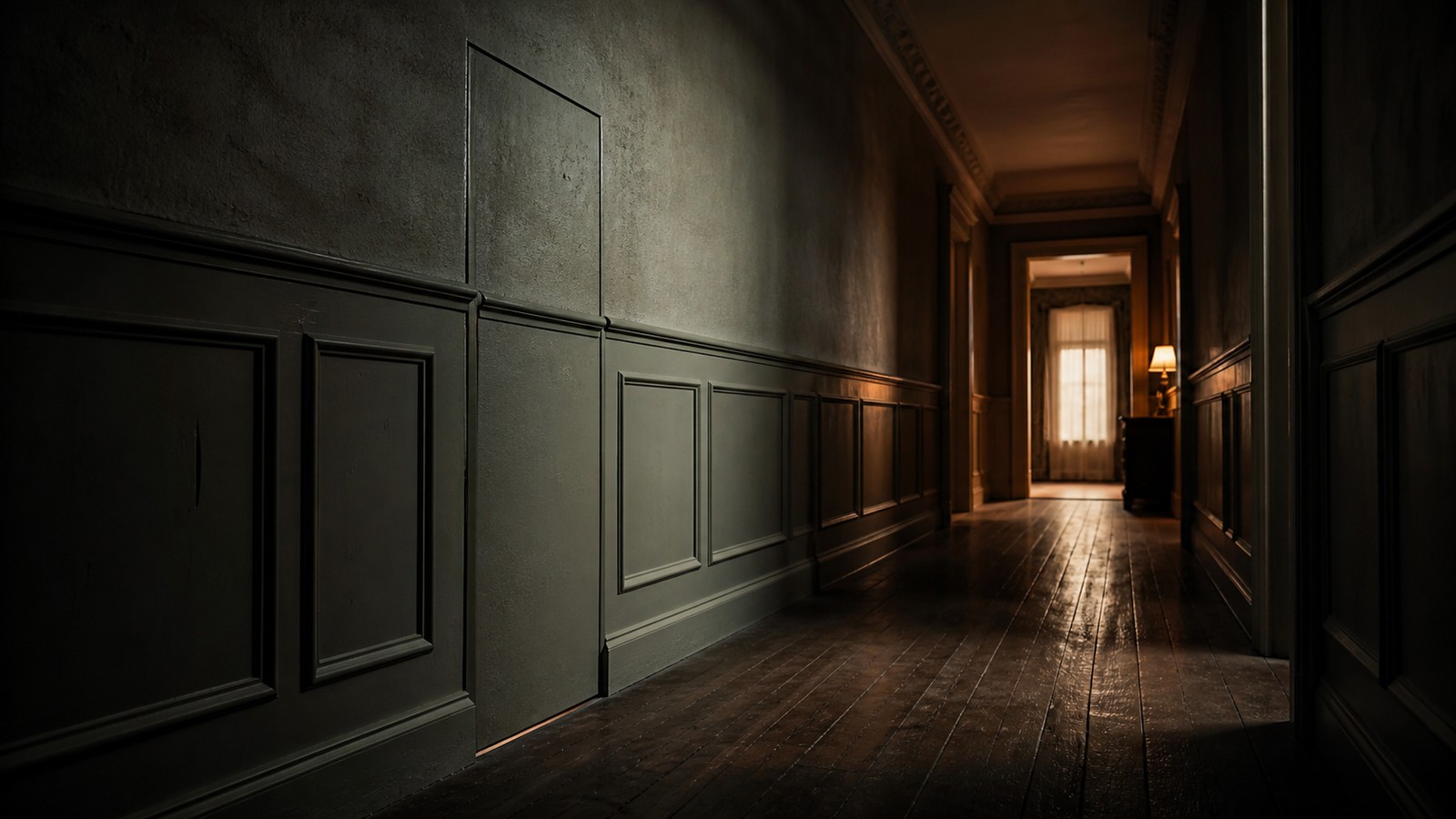
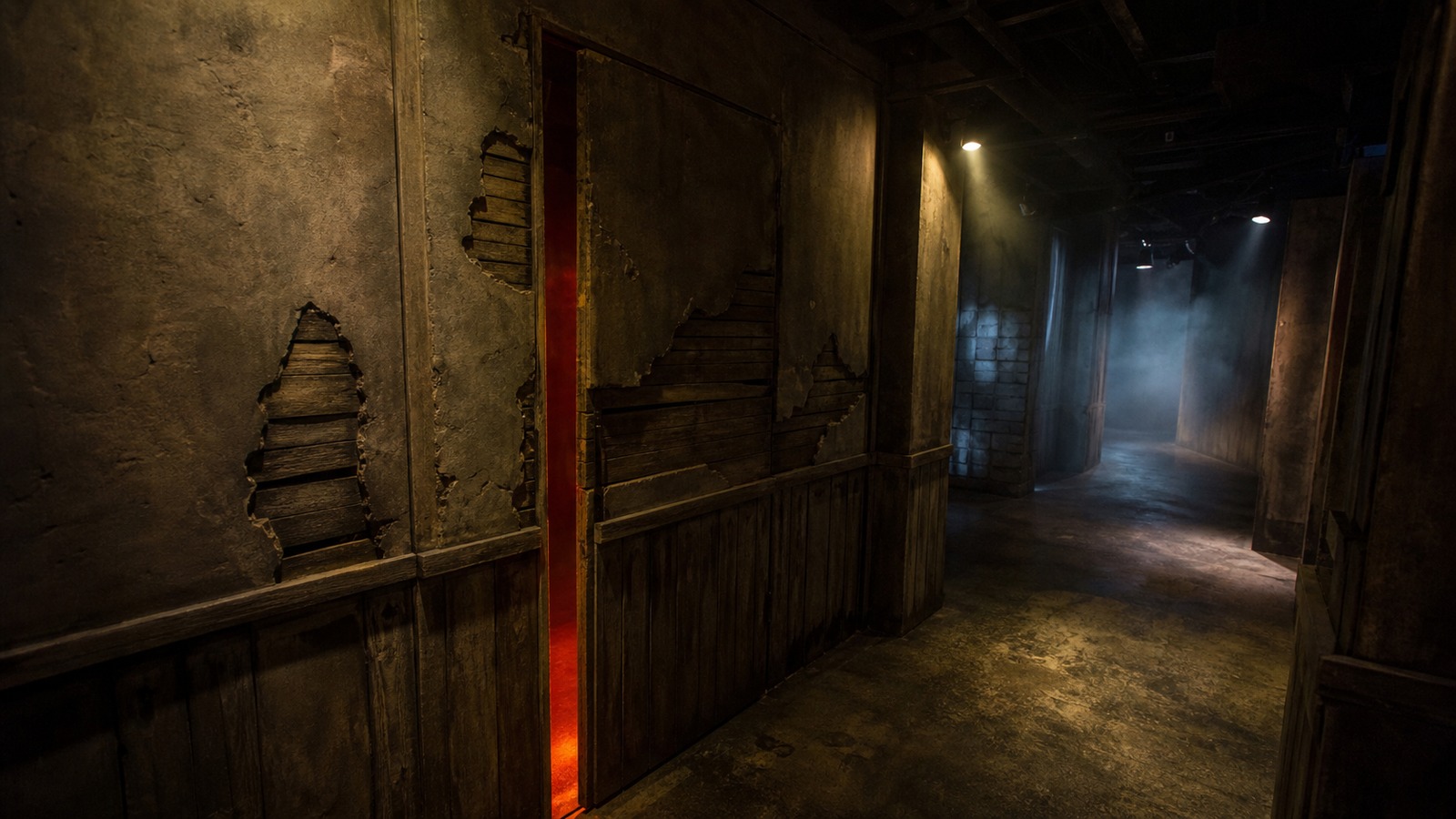
Concealed doors add suspense in horror films by making rooms unstable, routes uncertain, and the threat harder to locate.
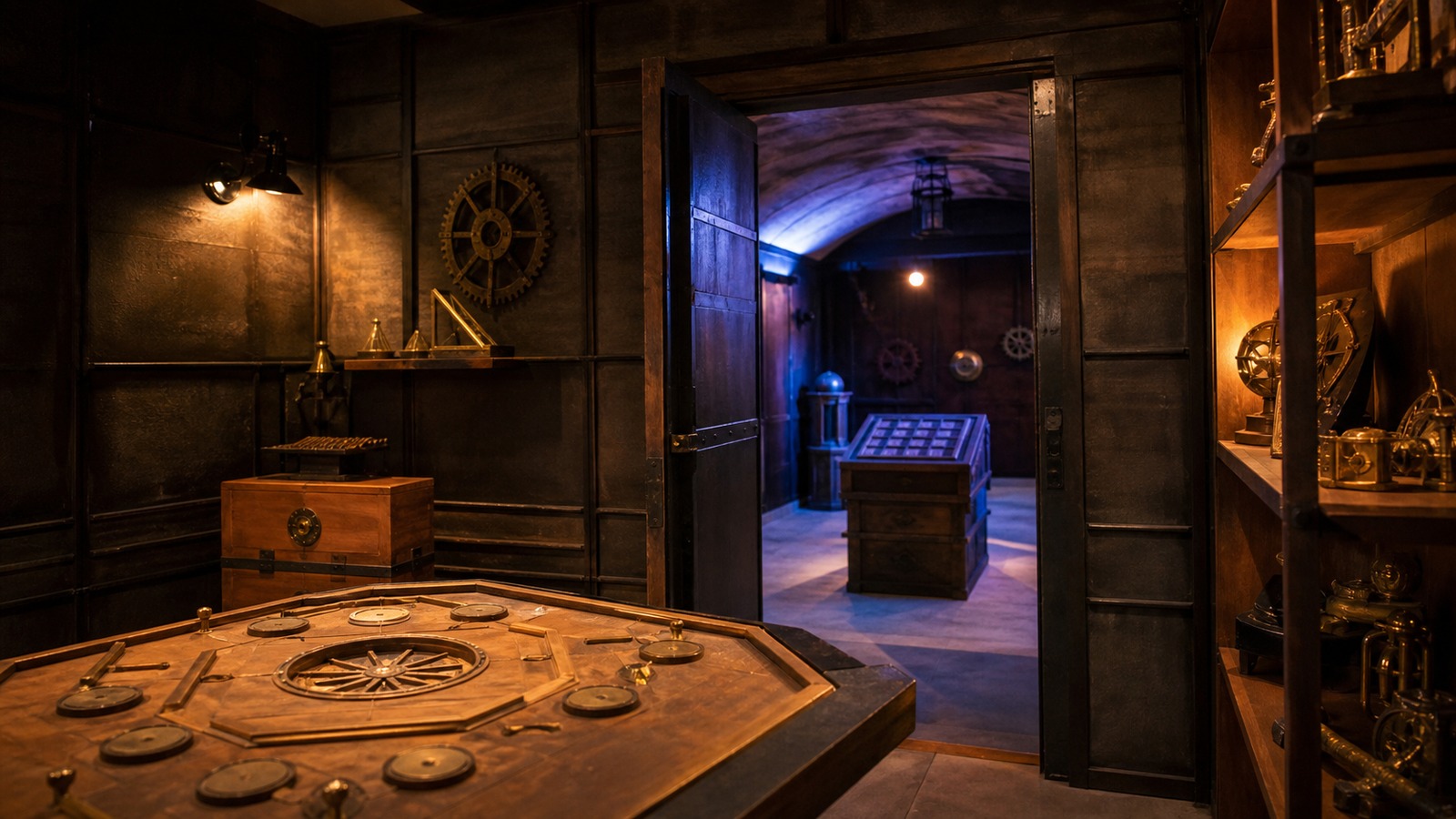
Concealed doors in escape rooms turn puzzles into movement, giving teams memorable reveals while demanding fairness, safety, and reliable reset.
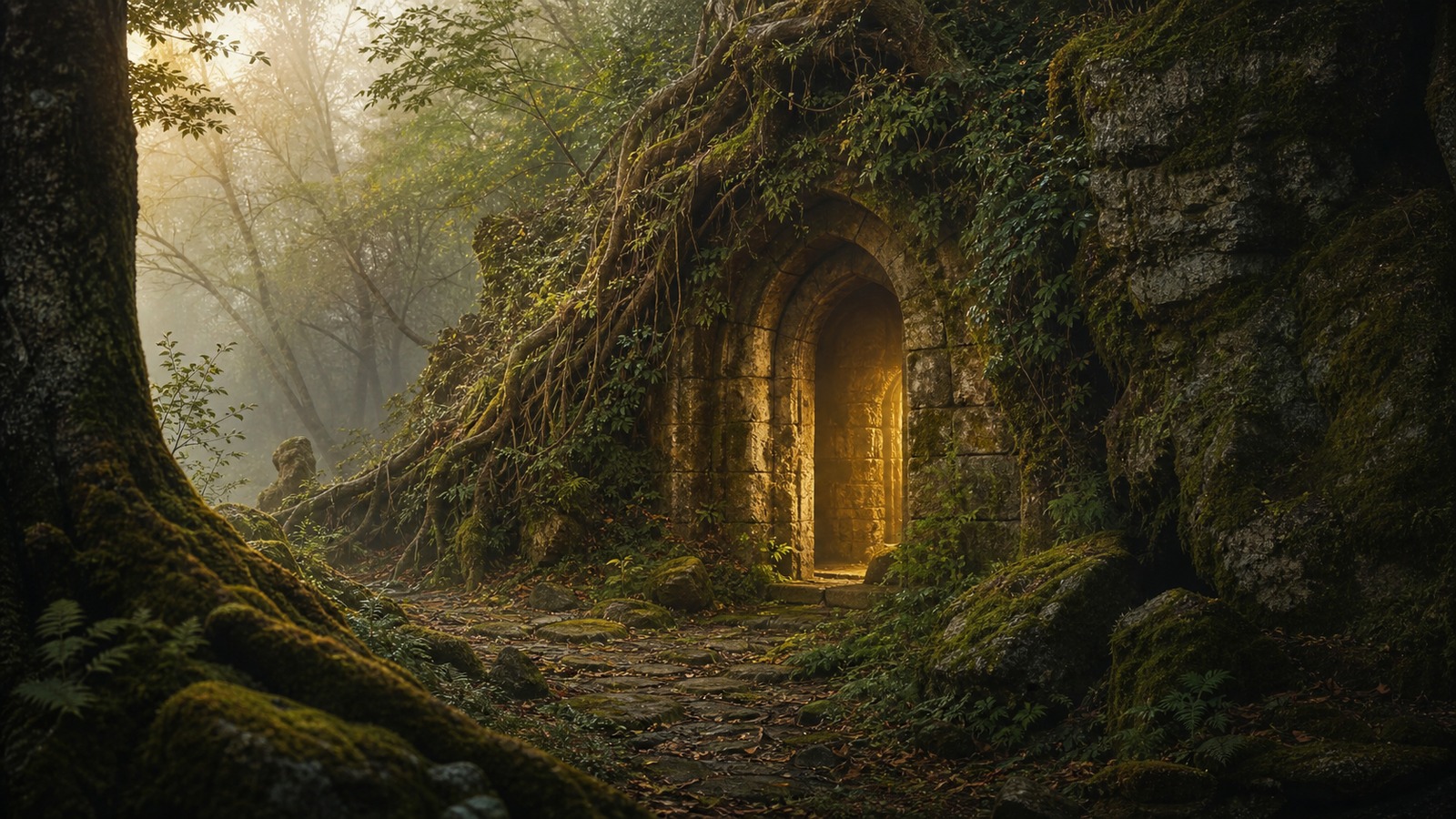
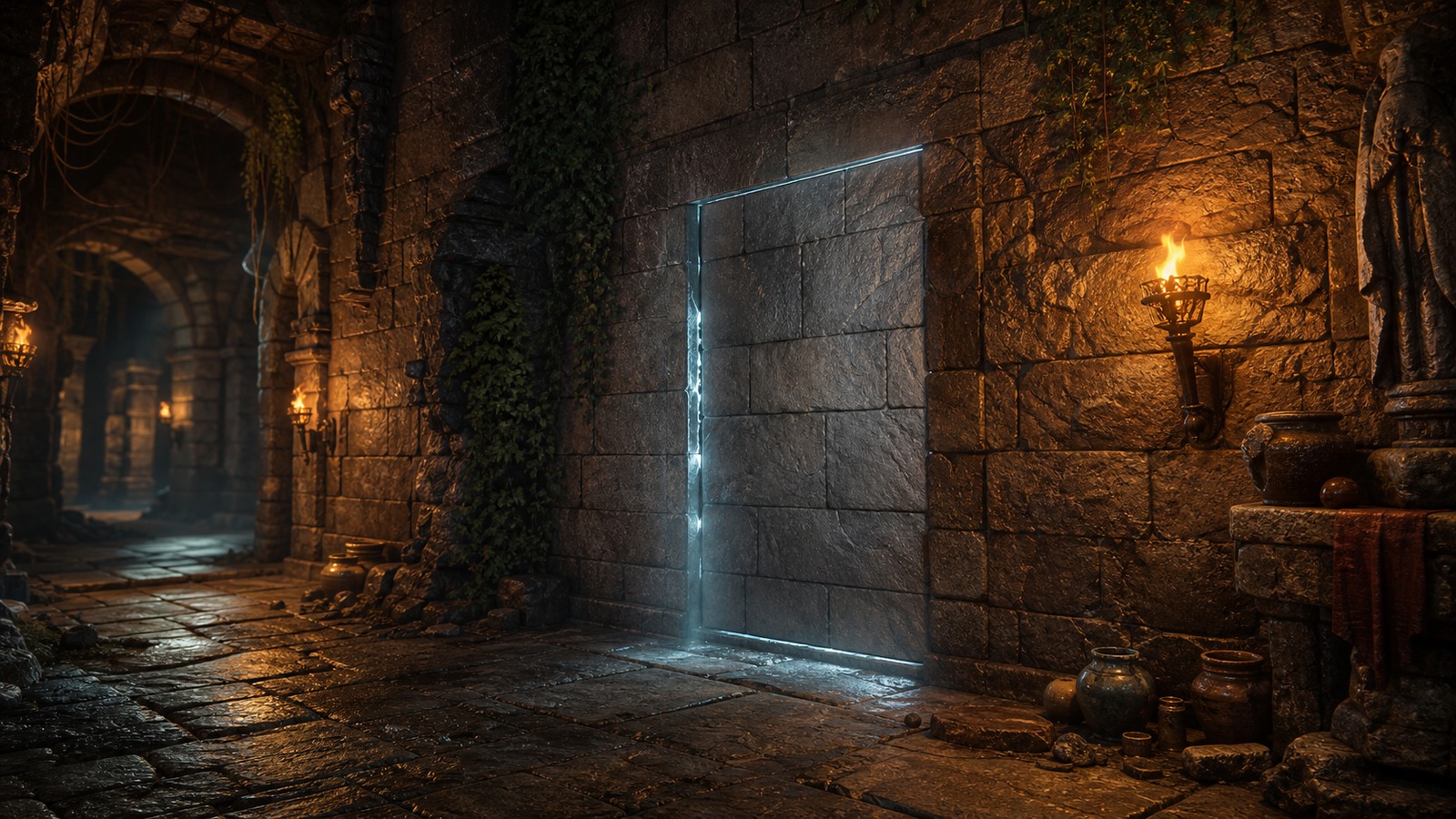
Concealed entrances in fantasy literature turn thresholds into tests, portals, protections, prophecies, social boundaries, and invitations to wonder.
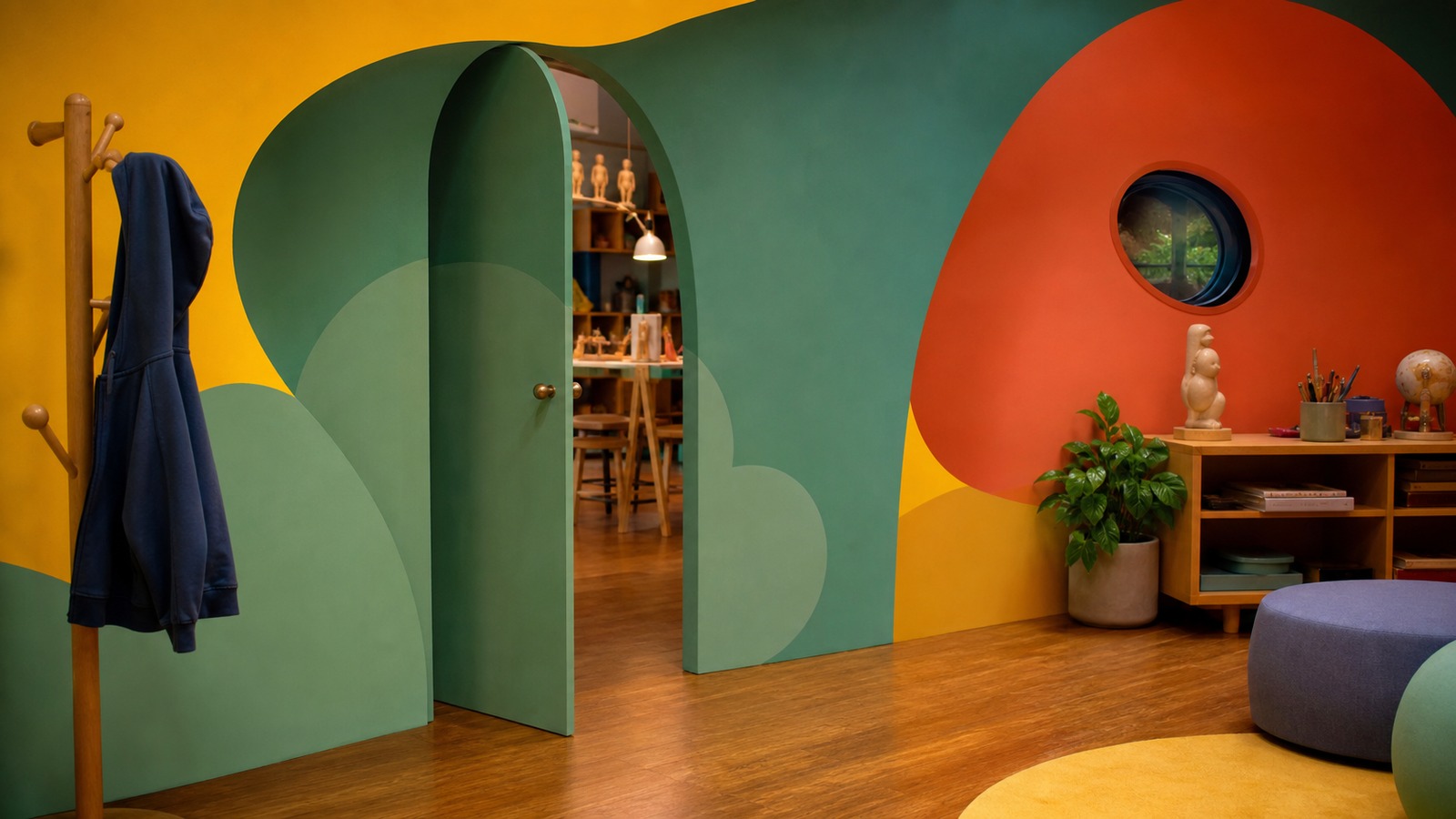
Concealed entrances in cartoons and animated shows use timing, exaggeration, visual clues, and impossible mechanics to make secrecy playful.
Concealed doors in haunted attractions control scares, actor movement, reset timing, guest flow, and the unsettling feeling that walls may open.
Concealed doors in video games reward curiosity, teach players to read spaces, and turn hidden levels into memorable discoveries.
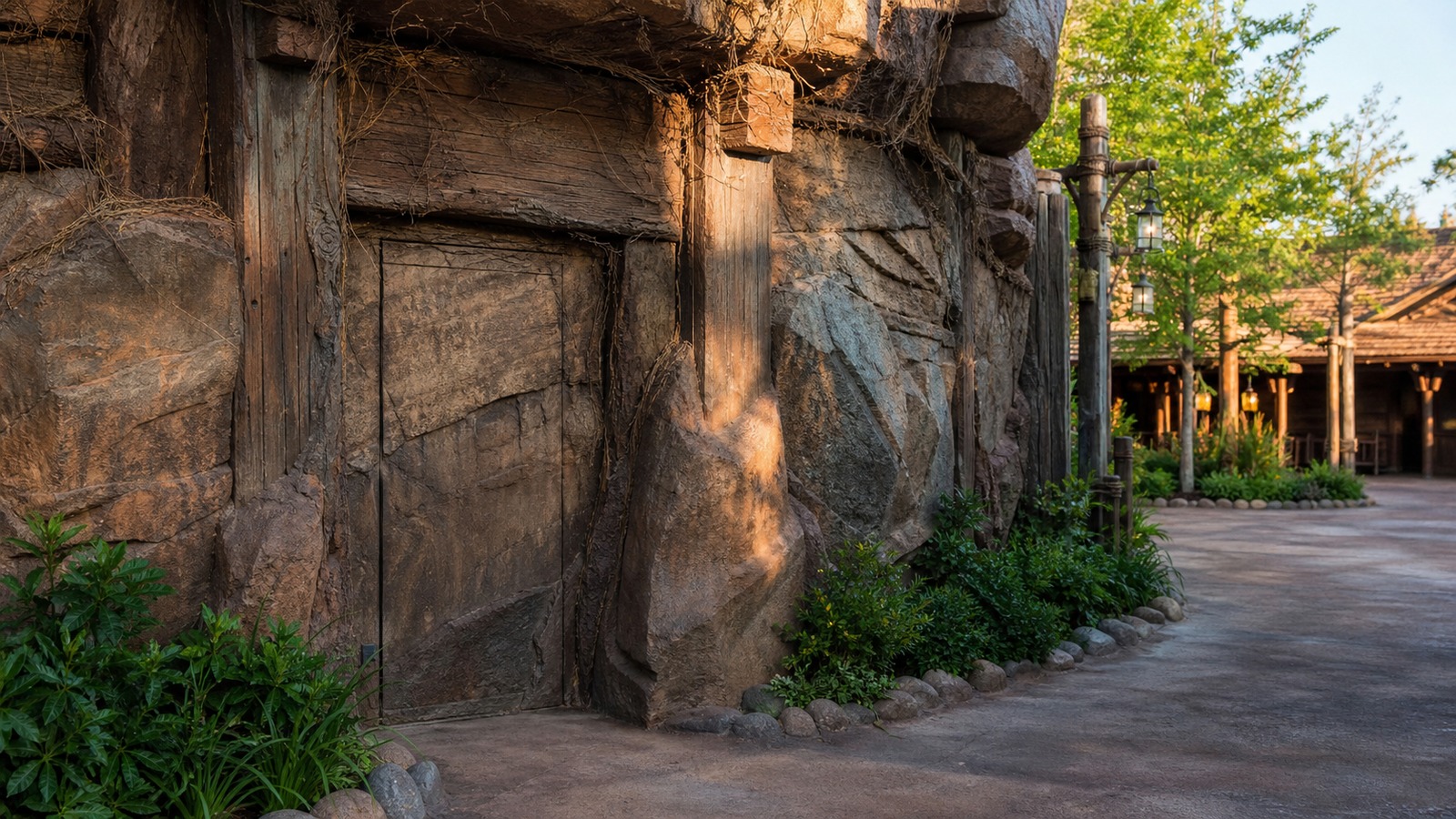
Concealed entrances in theme parks help hide operations, protect show illusion, manage guest flow, and make attractions feel immersive.
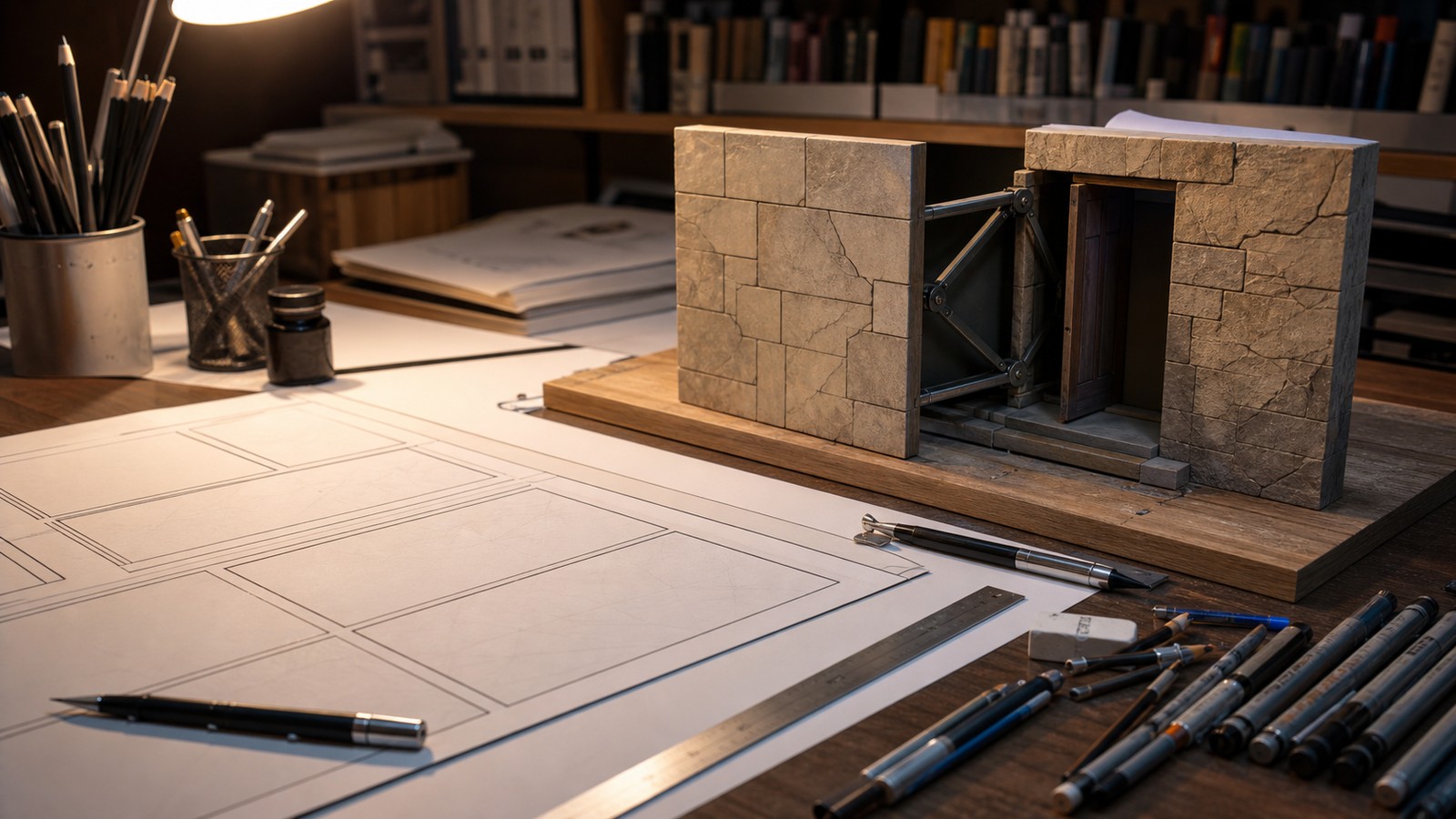
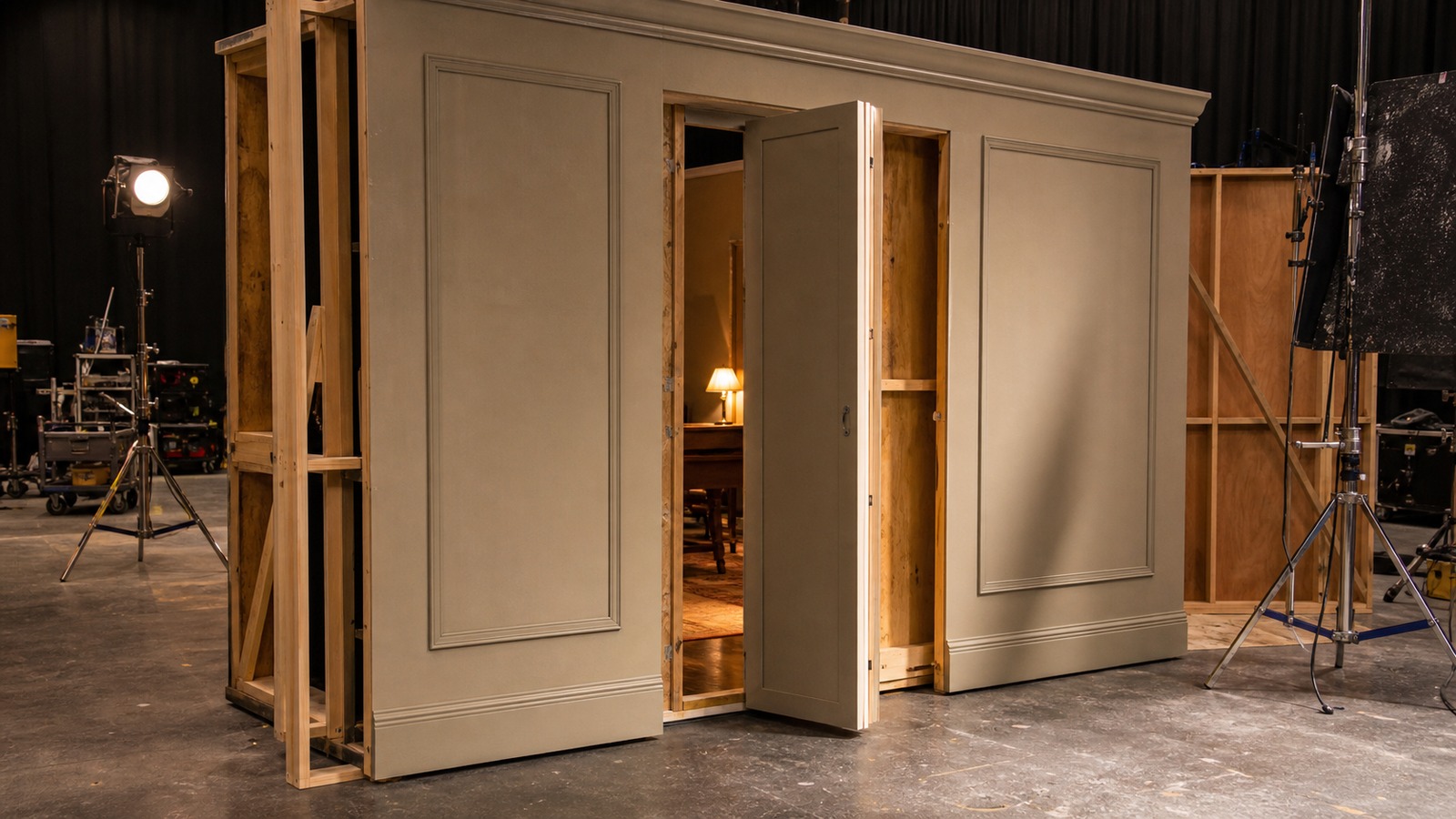
Set designers create concealed doors for film by balancing camera angles, scenery, actor movement, safety, and story timing.
Concealed doors in The Matrix and sci-fi cinema turn thresholds into symbols of reality, control, access, systems, and awakening.
Concealed doorways in superhero hideouts protect identity, create dramatic reveals, and turn ordinary places into secret bases.