Pop Culture Turns Hidden Entrances Into Instant Permission
The allure of concealed entrances in pop culture comes from the feeling that a familiar world is about to admit us into its private layer. A bookshelf opens, a wall slides, a vending machine moves, a poster hides a tunnel, or a statue reveals a control room, and the audience instantly understands that access has changed. The device is easy to read across movies, television, games, comics, novels, and theme experiences because it transforms ordinary scenery into permission. Someone knows the way in. Someone has been invited. Someone else has been left outside.
A: They make ordinary worlds feel layered, exclusive, and full of possibility.
A: It often symbolizes insider status, transformation, strategy, or secret belonging.
A: They connect knowledge, privacy, and surprise in one familiar image.
A: Yes. Comedy uses timing, misdirection, and sudden movement.
A: They remember, visit, imitate, reference, and collect them.
A: Often, especially through libraries, playrooms, bars, and theaters.
A: A clear ordinary surface, a satisfying motion, and a meaningful space beyond.
A: Yes, if it appears without story purpose or fresh context.
A: Knowing the entrance makes a character or viewer feel admitted.
A: A concealed entrance works best when it turns attention into access.
The Appeal Begins With the Ordinary Surface
Concealed entrances work in pop culture because they usually begin with something familiar. A shelf, painting, mirror, closet, fireplace, wall panel, floor hatch, storefront, or subway door already belongs to everyday life. When that surface opens, the surprise feels close to the viewer’s own world rather than trapped in distant fantasy.
This is why the device travels so well between genres. It can be funny, scary, glamorous, heroic, or romantic, but the starting point remains recognizable. The audience gets the pleasure of seeing the ordinary made unstable.
Hidden Access Feels Like Insider Status
Pop culture is full of clubs, missions, teams, lairs, secret schools, rebel cells, underground markets, and hidden rooms. A concealed entrance gives all of them a social charge. Knowing the entrance means belonging to the inside group.
That belonging can be aspirational. Viewers may not want the danger, but they enjoy the fantasy of being trusted with a route others miss. The entrance turns secrecy into status.
Even a comic reveal can use this feeling. The joke works because someone understands the world better than everyone else in the room.
Props Become Cultural Shortcuts
Certain objects have become shorthand for concealed entrances: books that trigger shelves, portraits that swing open, elevator panels that hide headquarters, and cabinets that lead to unexpected rooms. Pop culture repeats them because audiences know what they mean quickly.
Genre Decides the Emotion
A concealed entrance in a spy story promises strategy. In fantasy, it promises wonder. In horror, it threatens safety. In comedy, it invites timing. In superhero stories, it protects identity. In mystery, it changes evidence. The same architectural move takes on the emotion of the genre around it.
That flexibility keeps concealed entrances from becoming one-note. They are not tied to a single mood. They are a framework for changing access, and access can be thrilling, dangerous, exclusive, ridiculous, or sacred.
Reveals Create Shareable Moments
Pop culture thrives on moments people can describe quickly. A hidden entrance is easy to retell: the wall opened, the shelf moved, the ordinary shop led to a secret world. The image is compact and memorable.
That shareability helps the device spread. Fans remember the reveal even when they forget mechanical details. The door becomes a scene, a meme, a reference, or a design dream.
Some entrances become famous because they compress a whole world into one gesture. The reveal says more than a paragraph of exposition could.
Concealment Makes Wealth Feel Designed
Luxury pop-culture spaces often use hidden entrances to suggest control and sophistication. A private elevator, seamless panel, hidden wine room, or concealed garage can make money feel intelligent. The space does not merely own more rooms; it controls how rooms appear.
Fandom Turns Doors Into Pilgrimage Objects
Fans often seek out locations, replicas, behind-the-scenes tours, and themed spaces connected to famous hidden entrances. The threshold becomes an object of pilgrimage because it marks the point where the fictional world opened.
This is especially visible in theme parks and immersive exhibits. People enjoy standing near a door that suggests they might be admitted into the story. The physical threshold gives fandom a place to gather.
The Door Can Symbolize Transformation
Concealed entrances often appear when a character changes roles. A child becomes an adventurer, an agent begins a mission, an outsider joins a secret community, or a hero enters the headquarters. The door makes transformation spatial.
This symbolism is easy to feel. Crossing the threshold means accepting a new identity, even if the story treats the moment lightly.
That is why concealed entrances often appear near the start of a journey or at a turning point. They are built for before-and-after storytelling.
Pop Culture Loves Mechanical Confidence
Audiences enjoy hidden entrances that operate with confidence. A smooth slide, perfect rotation, dramatic rumble, or clever trigger can make the fictional world feel prepared. Someone planned this. Someone expected the moment.
Real Design Borrowed the Fantasy
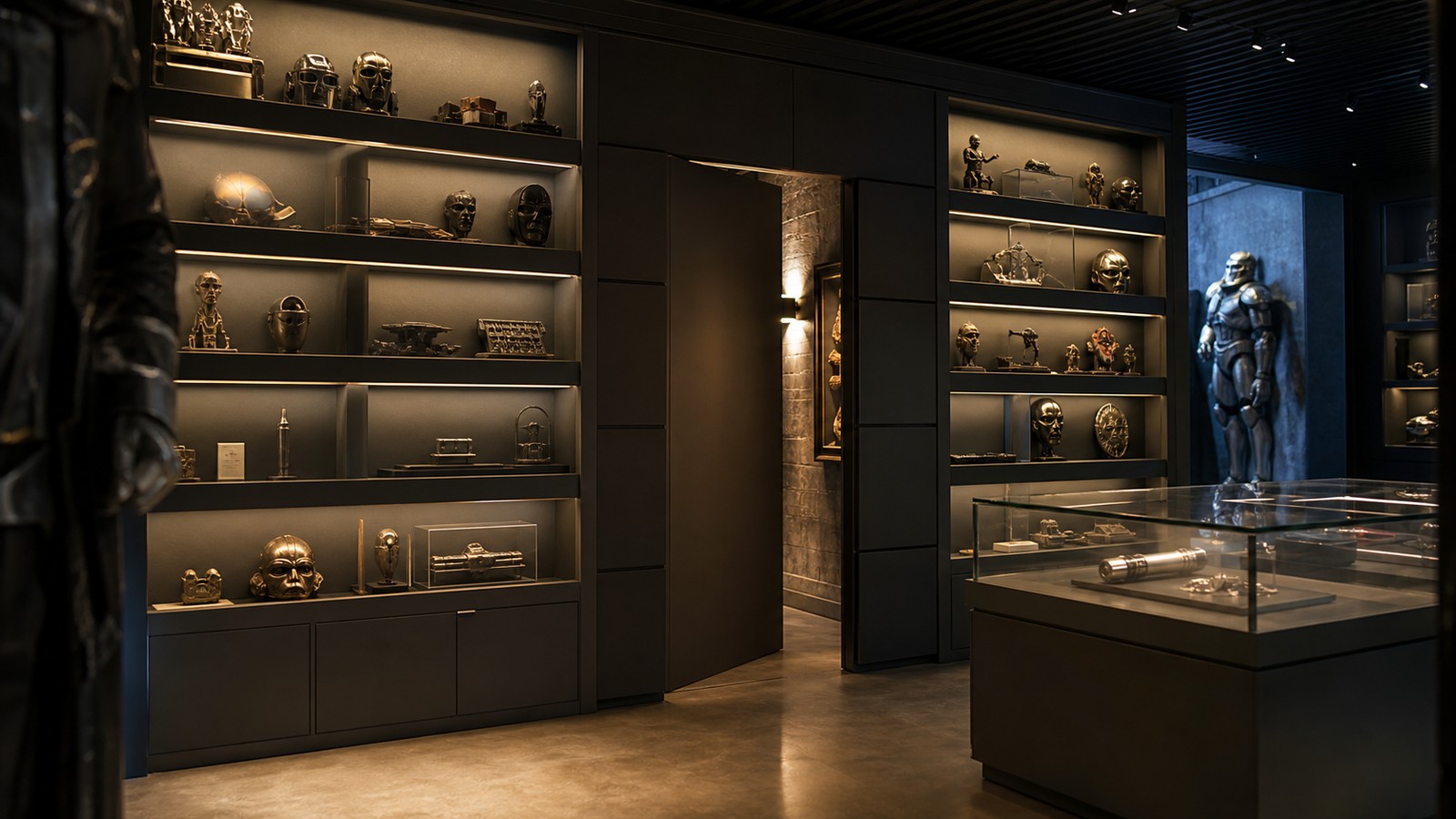
Homeowners and designers borrow from pop culture when they install hidden libraries, concealed pantries, secret playrooms, hidden bars, and disguised media rooms. The emotional appeal often comes from stories long before it comes from hardware catalogs.
The challenge is translating fantasy into daily use. A pop-culture reveal can last five seconds. A real door has to work for groceries, children, guests, cleaning, safety, and years of opening.
Famous Entrances Build Their Own Myth
Once a concealed entrance becomes iconic, people remember it as part of a larger fictional identity. The lair door, school entrance, secret alley, hidden elevator, or underground hatch becomes inseparable from the world around it.
That myth can outgrow the original scene. Later works quote it, parody it, remix it, or build new entrances in response. Pop culture becomes a conversation of thresholds.
This is why even familiar designs can feel fresh when the surrounding world changes. The hidden door is a flexible symbol.
The Allure Is Also Psychological
Concealed entrances appeal to basic curiosity. People enjoy the idea that visible reality is incomplete and that attention, knowledge, courage, or luck can reveal more. Pop culture packages that feeling into a clear image.
The Visible World Needs a Secret Layer
The popularity of concealed entrances suggests that audiences like worlds with depth. A setting feels richer when it includes routes not everyone sees. The hidden entrance is a promise that the story has reserves.
That promise can be comforting or unsettling. It says the world is not flat. There are rooms behind rooms, motives behind manners, routes behind surfaces, and communities behind public life.
That layered feeling is why concealed entrances survive even when audiences know the trope. Recognition does not ruin the pleasure; it prepares it. The viewer waits to see which surface will betray its ordinary role and what kind of private world the story has hidden inside it.
Good Concealment Has a Reason to Exist
Pop culture can get away with spectacle, but the strongest concealed entrances still have reasons. They protect identity, hide danger, preserve wonder, enable work, mark belonging, or change the plot. Without a reason, the reveal feels like decoration.
Designers can learn from that. A real hidden entrance should serve an actual use, even if the mood comes from fandom. The room beyond has to reward the reveal.
The Device Endures Because It Flatters Attention
Concealed entrances endure in pop culture because they flatter the audience’s attention. They tell us that something ordinary might open if we know how to look. The fantasy is not simply having a secret. It is being the kind of person who notices the possibility.
That is why the device remains so portable. It can live in a cartoon, thriller, game, comic, mansion, spaceship, castle, or suburban house. The surface changes, but the pleasure stays stable: the world has another layer, and for a moment, we are allowed through.
In that sense, the hidden entrance is one of pop culture’s most generous illusions. It makes the audience feel sharper, luckier, and more welcome than the characters left outside. The reward is not only a room; it is the flattering belief that attention can unlock a larger version of the world.
Modern Franchises Use Hidden Doors as Worldbuilding Tools
Large franchises rely on quick signals because they have to move audiences through complex fictional systems. A concealed entrance can explain hierarchy, technology, membership, and danger in a single sequence. The secret elevator says there is an organization. The disguised storefront says public life is a cover. The sealed chamber says old knowledge still controls the present.
This makes hidden access useful even when a story is moving fast. Instead of pausing to describe every rule, the scene lets architecture do the explaining. Viewers understand that there are passwords, routes, insiders, guards, and traditions because the entrance performs those ideas physically.
Interactive Media Makes the Audience Responsible
Games intensify the appeal by making the viewer search, test, and discover. A false wall or hidden hatch becomes a reward for curiosity rather than a reveal someone else controls. The player feels personal credit for noticing what the surface tried to hide.
That changes the emotional texture of the concealed entrance. In film, the audience witnesses permission. In games, the audience earns it through attention and risk. This is why secret doors in games often feel memorable even when their visual design is simple.
The best interactive versions also respect pacing. They hide optional rooms, alternate routes, lore, shortcuts, or safe places in ways that make exploration feel alive without making progress unfair.
Merchandise Works Because the Threshold Is Concrete
Fans can collect a character, logo, weapon, or costume, but a concealed entrance gives them a different kind of object: a gateway. Model sets, escape rooms, themed shelves, and home theater doors work because the threshold can be staged in physical space. The fan does not only remember the world; they rehearse entry into it.
The Best References Respect the Feeling, Not Just the Prop
When designers borrow from pop culture, the strongest results rarely copy a famous mechanism exactly. They translate the feeling of invitation, surprise, or private belonging into a space that actually works. A hidden pantry may not be cinematic, but it can still give a family the pleasure of a surface that opens into a useful secret.
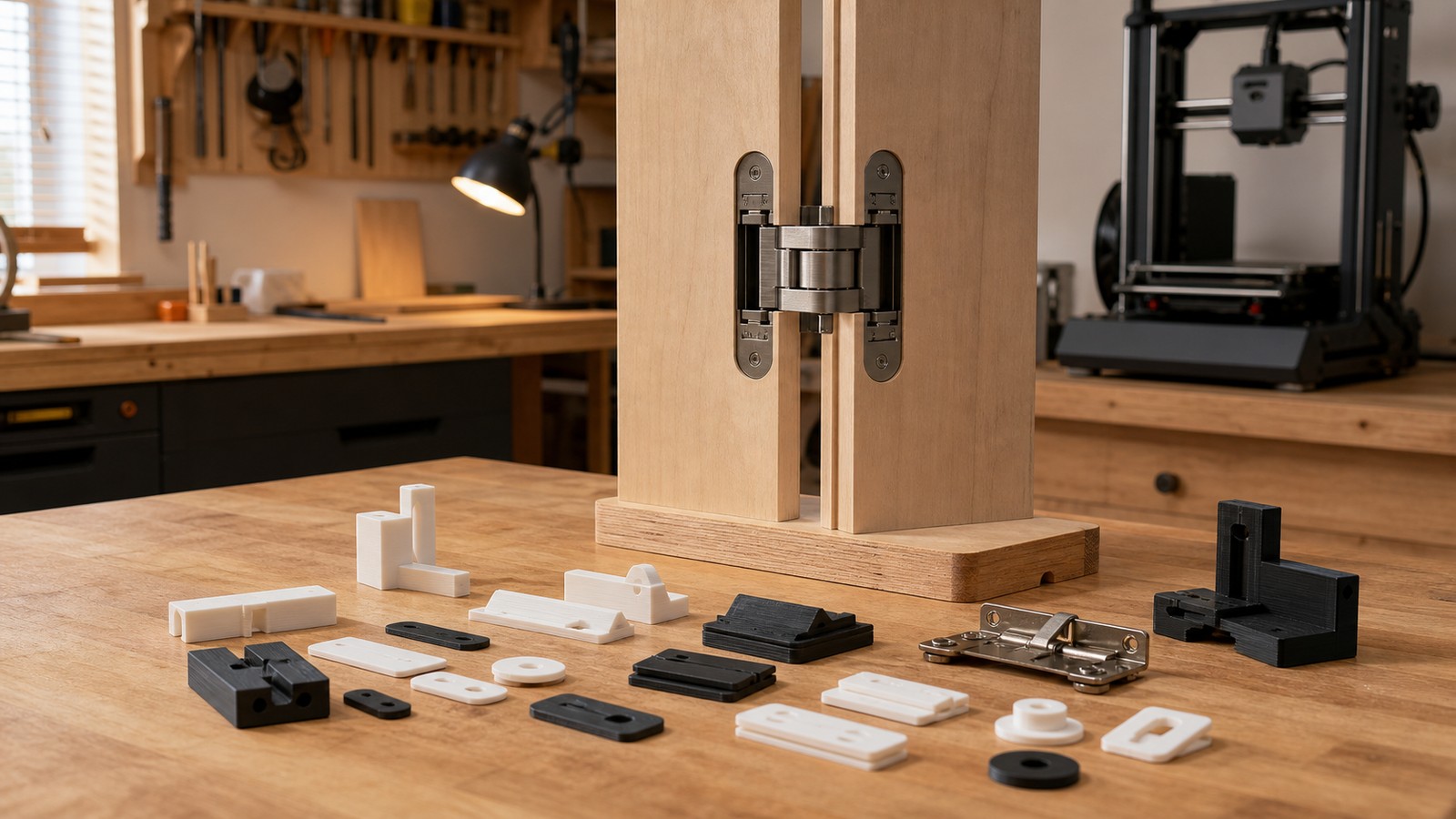
That translation matters because pop-culture doors are built for camera angles, not daily maintenance. Real thresholds need clear swing paths, reliable hinges, safe lighting, and a room worth entering. The fantasy becomes richer when it survives ordinary use.
The Lasting Allure Is Access With Emotion Attached
At their best, concealed entrances in pop culture are not only tricks of scenery. They attach access to a feeling: being chosen, finding refuge, entering danger, joining a team, or seeing a familiar world disclose its private face. The audience remembers the emotion as much as the mechanism.
That emotional attachment explains why the trope keeps returning even after decades of repetition. A hidden entrance can be remixed endlessly because each new story can connect it to a different longing. Sometimes the longing is adventure; sometimes it is privacy, rebellion, luxury, or proof that imagination still fits inside ordinary walls.
Pop culture understands that people do not merely want secret rooms. They want the moment when the ordinary surface admits that it was never ordinary at all.
That tiny admission is enough to make a whole setting feel newly charged, again and again, for old fans and first-time viewers alike.