Concealed Doors Make Hidden Depth Visible
Concealed doors fascinate audiences worldwide because they offer a simple image for a deep human idea: the visible world may not be the whole world. Across cultures, stories, houses, temples, palaces, castles, theaters, games, and films, hidden entrances suggest privacy, danger, wonder, forbidden knowledge, safety, or power. They are easy to understand even when the surrounding tradition changes. A wall opens, and everyone knows the meaning: there was more here than we were allowed to see.
A: They express curiosity, secrecy, access, protection, power, and wonder.
A: No. They can be practical, playful, protective, elegant, or frightening.
A: The visual act of a surface opening is easy to understand.
A: They can feel safe and threatening at the same time.
A: They connect to play, hideouts, imagination, and protected power.
A: Privacy, craft, design elegance, security, and nostalgia keep the appeal alive.
A: Materials, surfaces, rituals, and settings vary while the access idea remains.
A: Yes, when they serve real rooms with safe and reliable operation.
A: When the space beyond gives the reveal a clear purpose.
A: People love the possibility that visible space may contain another layer.
Curiosity Is the First Appeal
People are drawn to concealed doors because they reward curiosity. A hidden seam, strange shelf, unusual panel, or blocked passage invites the question: what is behind it? The device turns attention into possibility.
This appeal is not limited to one culture or genre. Humans like puzzles, thresholds, and incomplete maps. A concealed door combines all three in a form that can be seen at once.
Secrecy Creates Social Charge
A concealed door is rarely only about space. It is about who knows, who does not know, who is allowed in, and who is kept out. That social charge makes the device emotionally strong. Access is never neutral when it is hidden.
Stories around the world use hidden entrances to mark trusted insiders, protected families, secret societies, royal households, rebel groups, thieves, priests, spies, and magical communities.
The door becomes a boundary between knowledge groups.
Hidden Doors Offer Safety and Threat
The same concealed door can feel protective or dangerous. It may hide a safe room, escape route, sanctuary, or stored treasure. It may also hide an intruder, trap, prison, or forbidden chamber. This double meaning keeps the device alive.
Power Often Controls Access
Palaces, fortresses, temples, command rooms, and fictional lairs all use hidden access to express power. The person who controls the threshold controls movement, knowledge, and timing. Audiences understand that instantly.
This is why concealed doors often appear around leaders, villains, rulers, families with old secrets, or institutions with private knowledge. Hidden access makes hierarchy physical.
Wonder Needs a Threshold
Many cultures tell stories about hidden gardens, caves, cities, schools, treasures, spirit worlds, and sacred places. A concealed door gives wonder a threshold. It provides the moment when ordinary travel becomes entry into another kind of experience.
Without a threshold, wonder can feel vague. With a concealed entrance, wonder gains shape and timing.
The doorway tells the audience exactly when the world has changed.
Architecture Turns Secrets Into Objects
Secrets are abstract until they have a place. A concealed door lets a secret become visible without exposing its contents immediately. It turns secrecy into an object the audience can look at, approach, fear, or desire.
Audiences Enjoy Being Included
When a story reveals a concealed door, the audience is included in the secret. Even if the character is frightened, the viewer or reader receives privileged knowledge. That inclusion feels satisfying because the story has admitted us behind the surface.
This is especially powerful in visual media. The audience sees the wall open and experiences access almost physically.
Hidden Doors Make Places Feel Older
A concealed door often suggests history. Someone built it, used it, protected it, forgot it, or lied about it. Even a modern hidden door implies planning before the present scene. It gives the place a past.
This historical feeling is one reason hidden doors appear so often in old houses, castles, libraries, temples, and museums. They make architecture feel layered by time.
Audiences enjoy the sense that walls remember decisions.
The Device Works Without Translation
A concealed door is visually clear. It does not require much explanation. In film, comics, games, and theme spaces, a hidden threshold can communicate across language barriers because movement reveals meaning.
Suspense Comes From Incomplete Space
Suspense depends on what is missing from the map. If there may be another way in or out, every decision becomes uncertain. Concealed doors create that uncertainty with very little effort.
This is why they work in horror, mystery, adventure, and spy stories around the world. They make visible space incomplete.
Real Homes Make the Fantasy Touchable
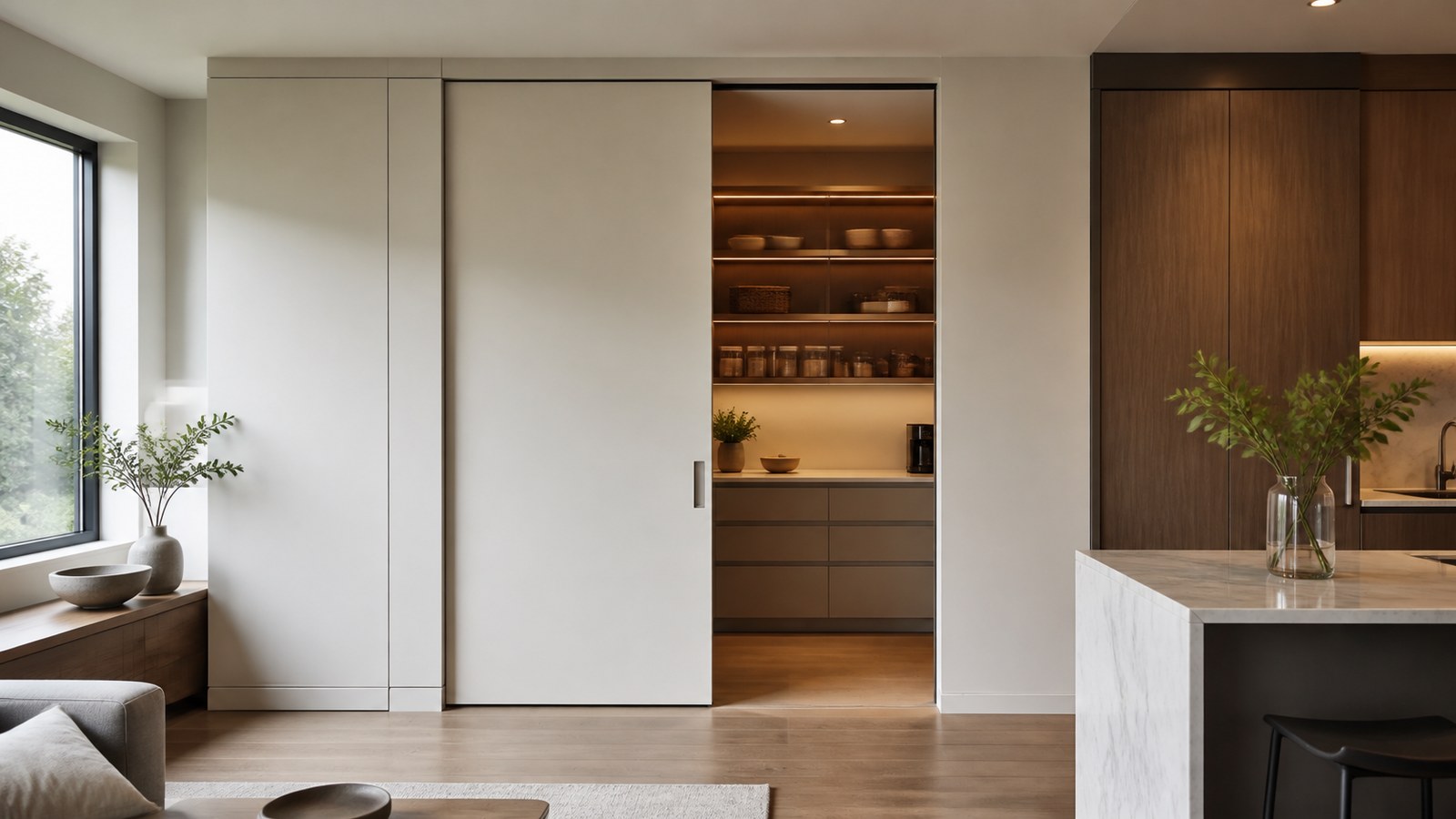
When people install concealed doors in homes, they bring a cultural fantasy into daily life. The hidden pantry, office, library, playroom, wine room, or safe space makes the idea of hidden depth practical.
The appeal is often emotional before it is functional. People want the moment of reveal. They want a room that feels a little more imaginative than a normal plan.
That emotional desire can coexist with real usefulness when the design is durable and safe.
Children Understand the Appeal Immediately
Children often love hidden doors because they connect to play: forts, hideouts, secret clubs, make-believe worlds, and places scaled to imagination. The appeal begins early because hidden access makes a child feel both protected and powerful.
Adults Keep the Fantasy for Different Reasons
Adults may love concealed doors for privacy, design elegance, security, nostalgia, craft, or the pleasure of surprising guests. The emotional core remains similar, but the use becomes more practical.
A hidden door can make a home feel ordered, personal, and slightly theatrical without becoming childish. That balance is part of its modern appeal.
Cultural Forms Change the Surface
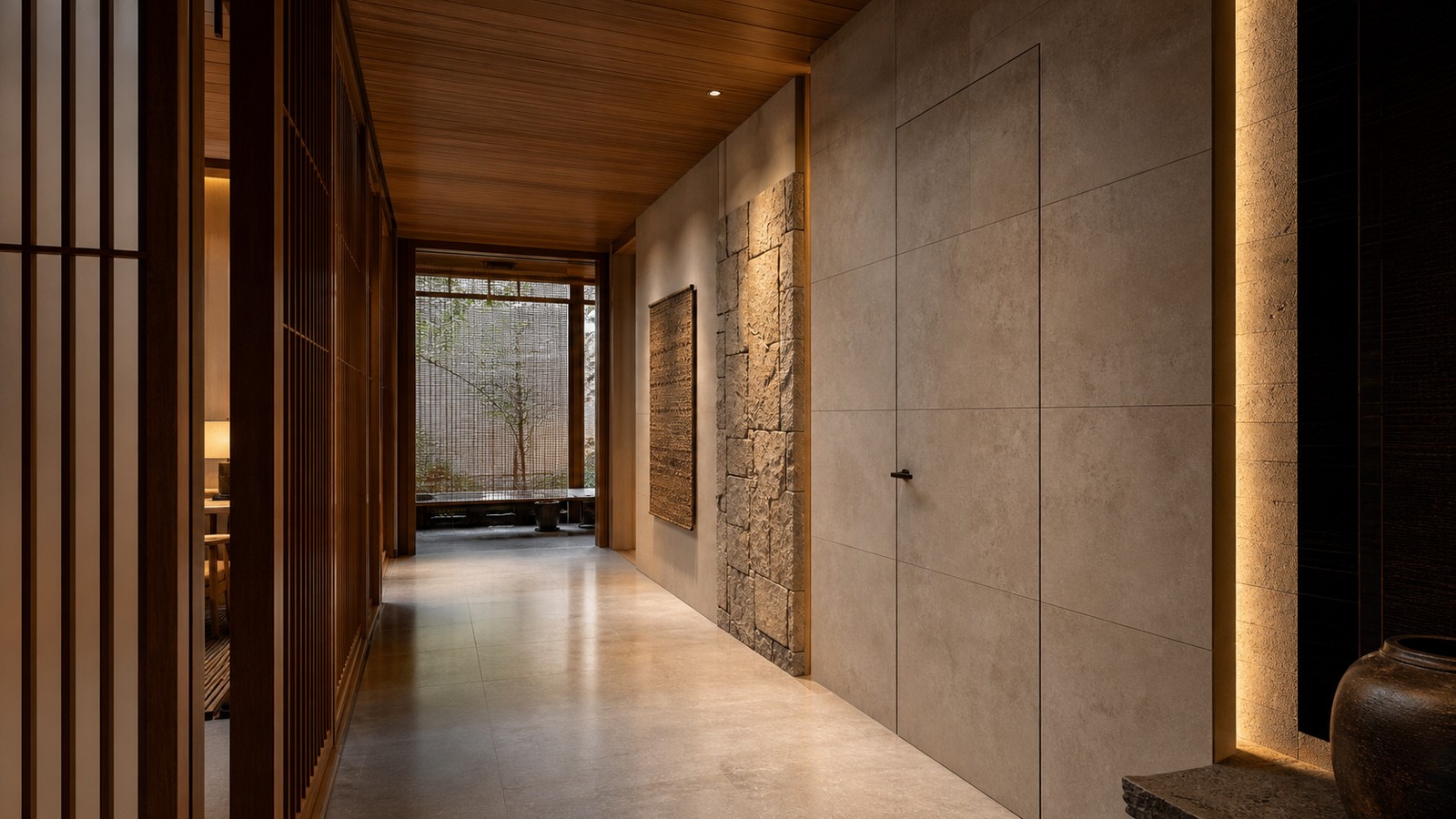
The surface of concealment changes across places and traditions. One setting may use screens, another stone, another wood paneling, another courtyard walls, another furniture, another digital access. The idea remains stable: a boundary hides a route.
This flexibility allows concealed doors to appear in global stories without feeling identical. The materials adapt to local architecture and imagination.
The emotional pattern travels because the surface can change.
The Enduring Question Is What Lies Beyond
Concealed doors fascinate audiences worldwide because they preserve a question. What lies beyond the surface? Who knows about it? Why was it hidden? What changes when it opens? Those questions are older than any one style of door.
That is why the device lasts. It gives curiosity a hinge, secrecy a shape, power a threshold, and wonder a place to begin. A concealed door is small, but it carries the possibility that the visible world has not finished speaking.
Shared Symbols Make the Device Travel
Concealed doors travel easily because they attach to symbols that many audiences already understand. Light behind a wall suggests revelation. A guarded threshold suggests authority. A child-sized opening suggests play or vulnerability. A heavy hidden panel suggests power and age.
Those symbols can be adapted without becoming identical. Different cultures may use different materials, rituals, and architectural forms, yet the act of hidden access remains readable. The audience does not need the same folklore to understand the emotional grammar of a surface that opens unexpectedly.
This adaptability keeps the device from belonging to only one period or region. It can appear in a palace, apartment, temple, bunker, comic panel, game level, or hotel lobby and still feel immediately legible.
Discovery Gives Audiences a Role
A concealed door makes audiences feel active even when they are only watching. Viewers look for seams, readers remember clues, players test walls, and visitors lean closer to shelves. The device invites participation because it implies that attention may be rewarded.
That role is deeply satisfying. The audience is not merely told that a place is secret; it is asked to notice how secrecy behaves. The reveal feels like a shared discovery between the maker and the person experiencing the story or space.
Modern Interiors Keep the Myth Practical
Contemporary concealed doors show how a symbolic idea can become useful without losing its romance. A flush pantry, hidden office, disguised closet, or concealed media room can solve clutter, privacy, or circulation problems while still carrying the thrill of hidden access.
The Fascination Deepens When Use and Meaning Align
The most satisfying concealed doors combine practical purpose with emotional meaning. A safe room feels stronger when the hidden threshold also communicates protection. A library door feels richer when it connects knowledge with privacy. A playroom door delights because the function and fantasy point in the same direction.
That alignment explains why some hidden doors feel timeless while others feel like tricks. The audience wants the reveal to matter after the surprise is over. When the room beyond has a reason, the fascination settles into memory instead of vanishing with the first opening.
Hidden Access Turns Place Into Possibility
The global fascination ultimately comes from a change in how people imagine place. A room with a concealed door is not only a room; it is a promise that space can contain more than its first explanation. That promise can belong to a child’s fort, a royal palace, a sacred chamber, a spy headquarters, or a modern apartment.
Because the idea is so simple, it can hold many different emotions without collapsing. One audience may see protection, another may see status, another may see danger, and another may see wonder. The same opening can support secrecy, beauty, fear, usefulness, and play because it begins with a universal human habit: wondering whether there is more behind what we can see.
This is why concealed doors remain powerful across media and cultures. They make hidden depth visible at the exact moment it becomes reachable, and that moment speaks before language has to explain it.
The Mystery Survives the Explanation
Even when a concealed door is explained mechanically, some mystery remains. Viewers can learn about hinges, pivots, latches, counterweights, sensors, or camouflage, yet still feel the charm of a surface that gives way. The fascination is not only in not knowing how it works. It is in wanting the world to contain intentional surprises, the kind that reward patience instead of spectacle alone.
That desire is durable because it belongs to both imagination and daily life. People want rooms to be useful, but they also want places to feel personal, layered, and alive to attention. Concealed doors satisfy both impulses at once: they organize space while preserving a little private theater. Around the world, that combination keeps the idea from becoming merely old-fashioned. It remains a compact image of hidden possibility, practical intelligence, and the joy of being admitted behind the surface, even when the audience already understands the practical hardware that makes the moment possible.
The Door Makes Attention Feel Valuable
Concealed doors also fascinate because they suggest that careful attention can change access. The person who notices the seam, remembers the clue, understands the ritual, or questions the ordinary surface receives a different version of the room. That is a flattering promise for audiences everywhere.
It turns looking into a form of agency. Instead of accepting a place at face value, the viewer, reader, player, or guest imagines searching it more intelligently. The hidden door rewards that imagined intelligence with a route, a revelation, or a protected destination.
That is why the idea keeps moving between old stories and new interiors. It tells people that spaces may still contain surprises made for those who look with care. The surface becomes an invitation to stay curious a little longer. That invitation is small, but audiences everywhere recognize its pull in homes, stories, games, and public spaces today.