Concealed Entrances in Theme Parks
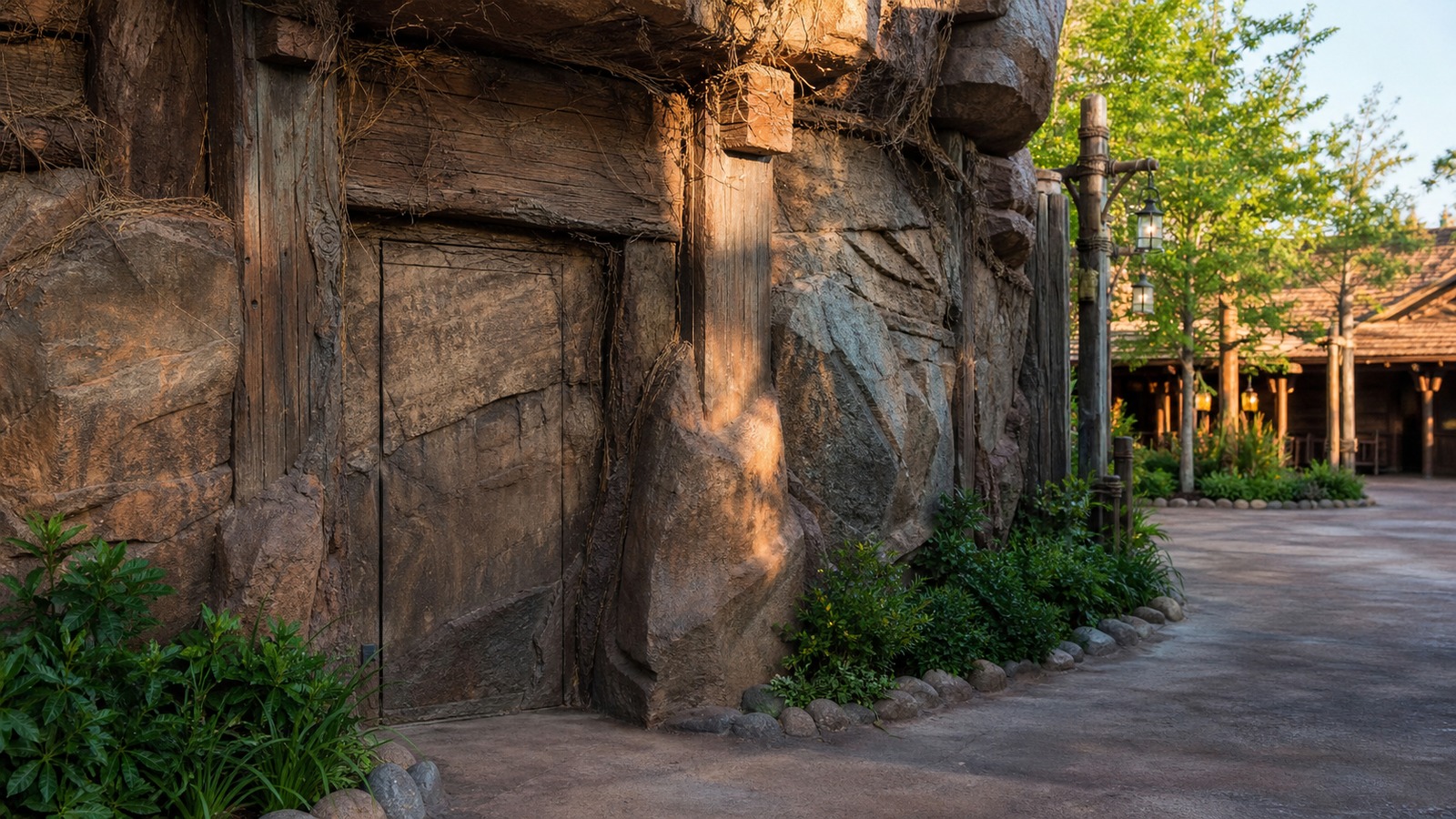
Concealed entrances in theme parks help hide operations, protect show illusion, manage guest flow, and make attractions feel immersive.

Where Secrets Are Built Into the Walls
Concealed entrances in theme parks help hide operations, protect show illusion, manage guest flow, and make attractions feel immersive.
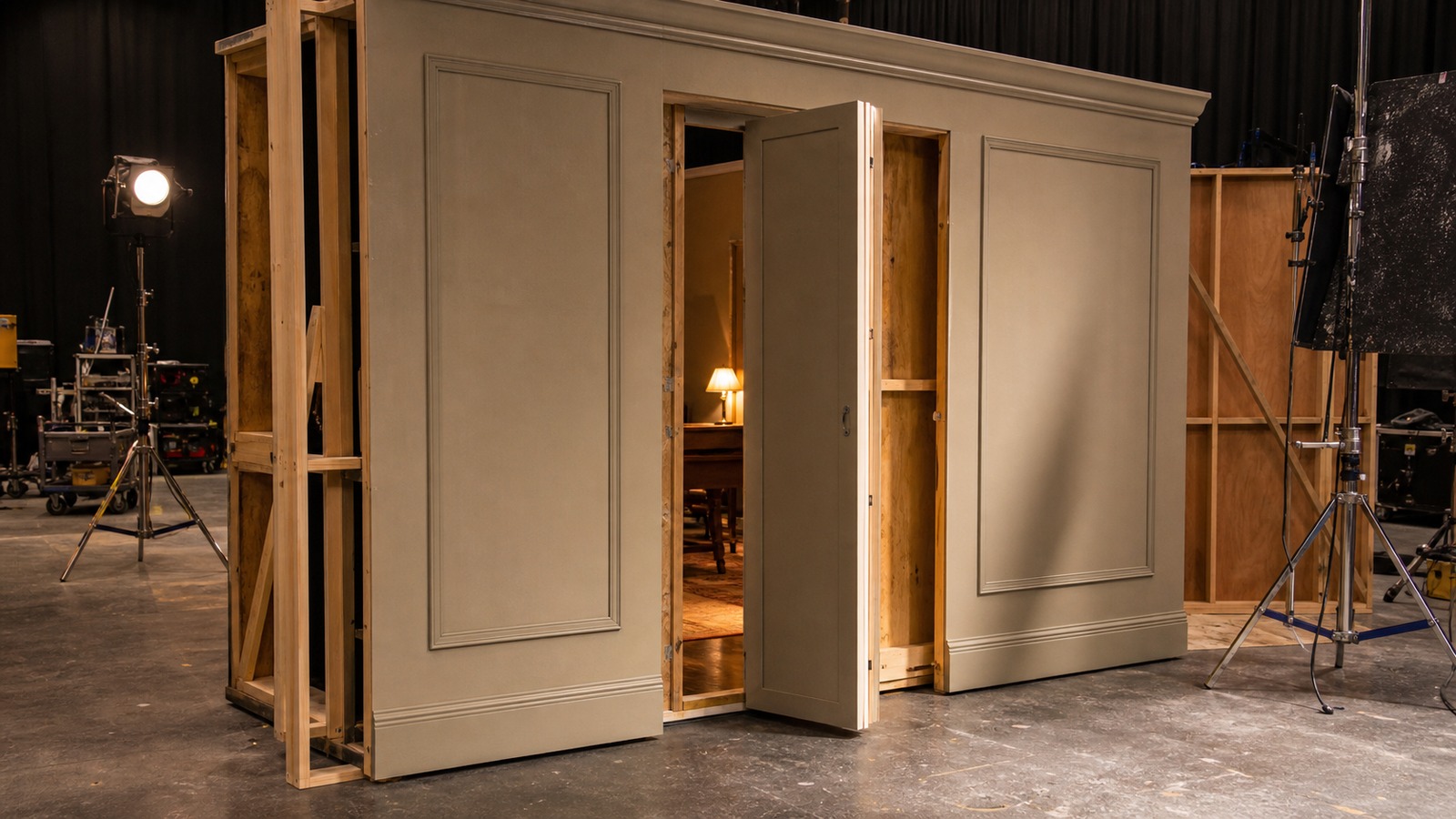
Set designers create concealed doors for film by balancing camera angles, scenery, actor movement, safety, and story timing.
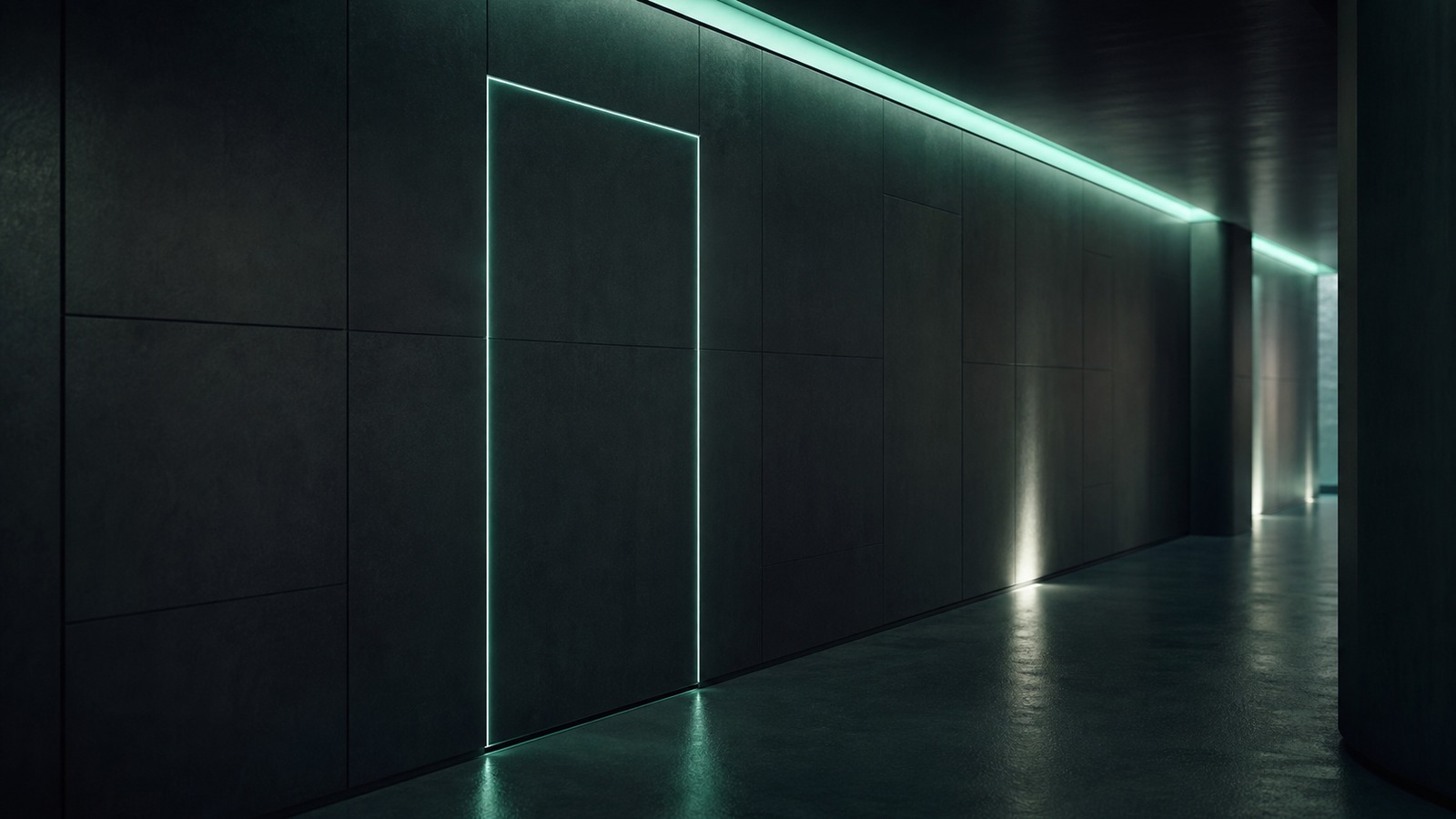
Concealed doors in The Matrix and sci-fi cinema turn thresholds into symbols of reality, control, access, systems, and awakening.
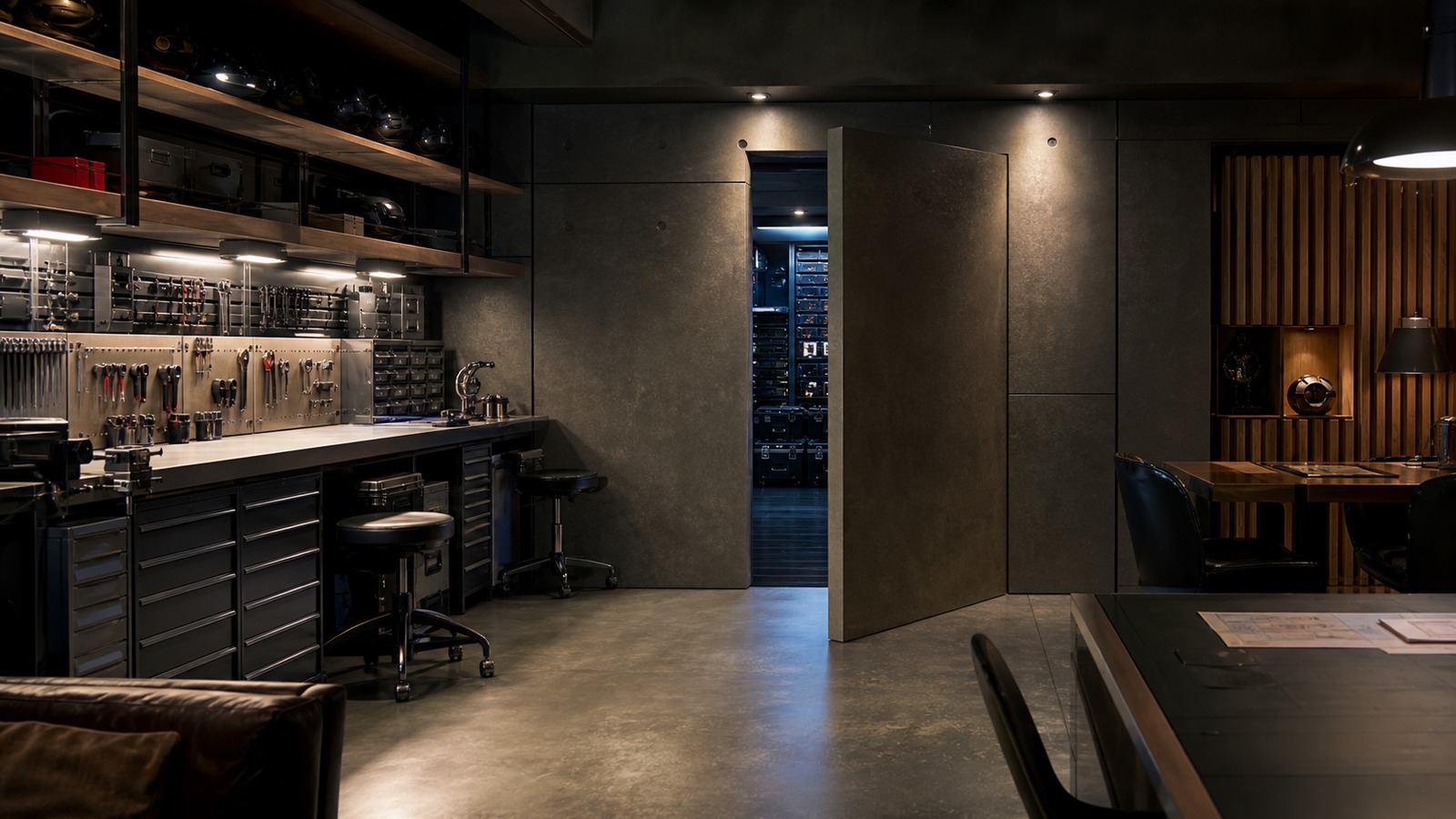
Concealed doorways in superhero hideouts protect identity, create dramatic reveals, and turn ordinary places into secret bases.
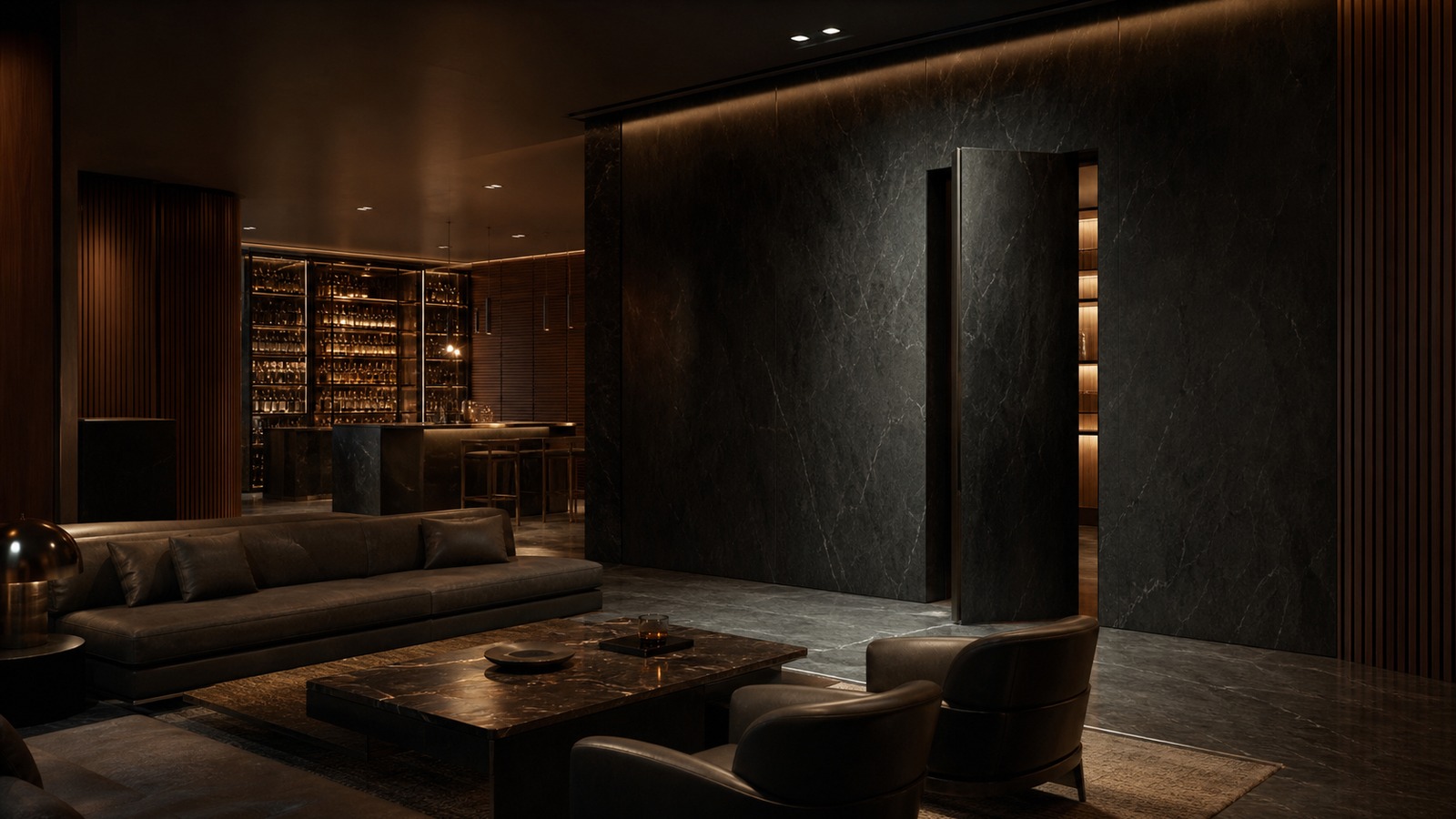
Concealed entrances in James Bond’s world combine luxury, danger, spectacle, control, and the polished fantasy of secret access.
Concealed doors in spy films turn access, identity, danger, gadgets, lairs, and misdirection into memorable cinematic architecture.
Concealed doors in Hollywood movies turn architecture into suspense, comedy, danger, transformation, and visual shorthand for hidden worlds.
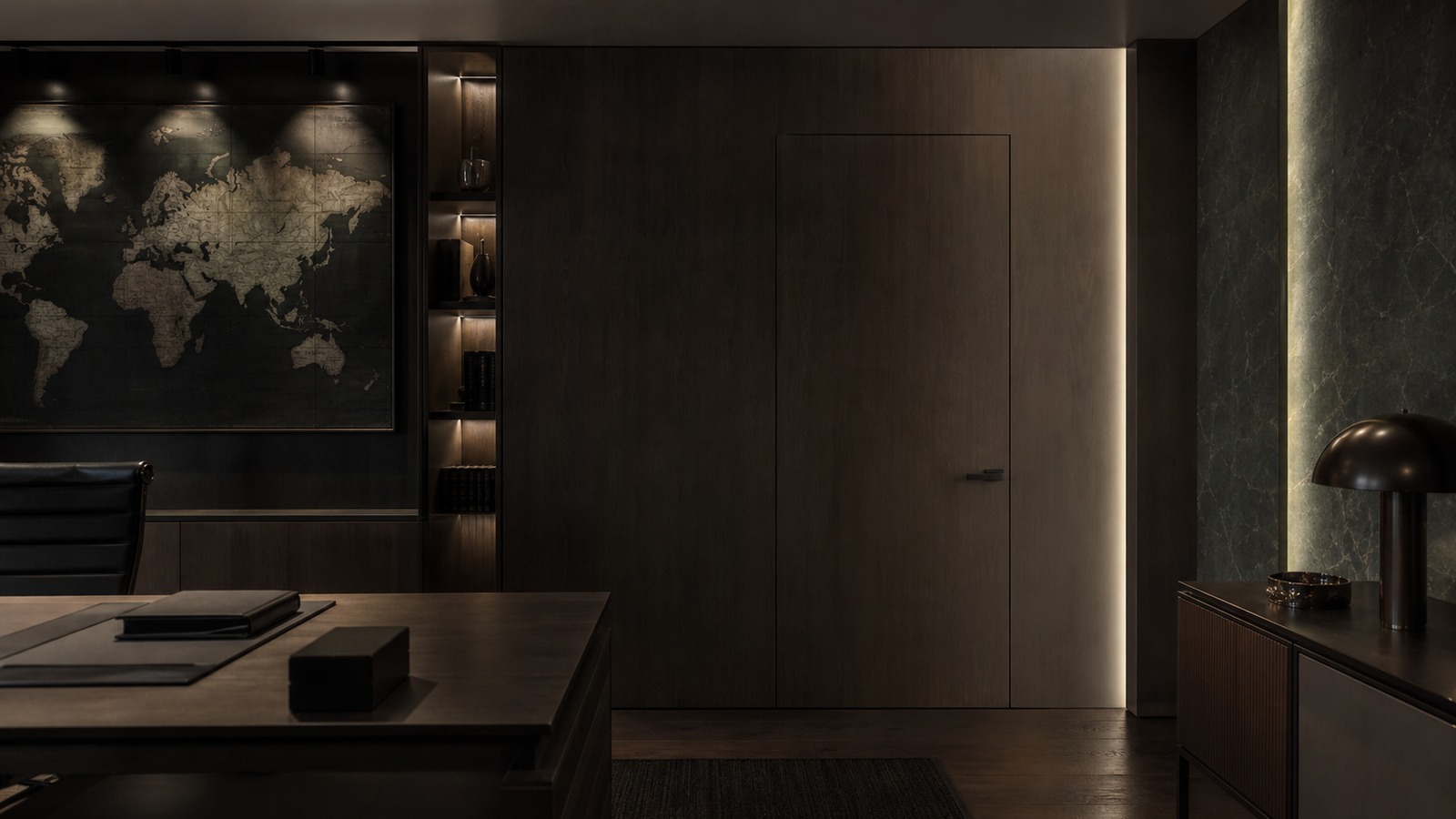
Concealed acoustic doors can protect privacy, media rooms, offices, and bedrooms when mass, seals, frames, hardware, and wall construction work together.
Boutique hotels and resorts use concealed doors to keep guest spaces calm, hide service functions, shape arrival moments, and make hospitality interiors feel more refined.
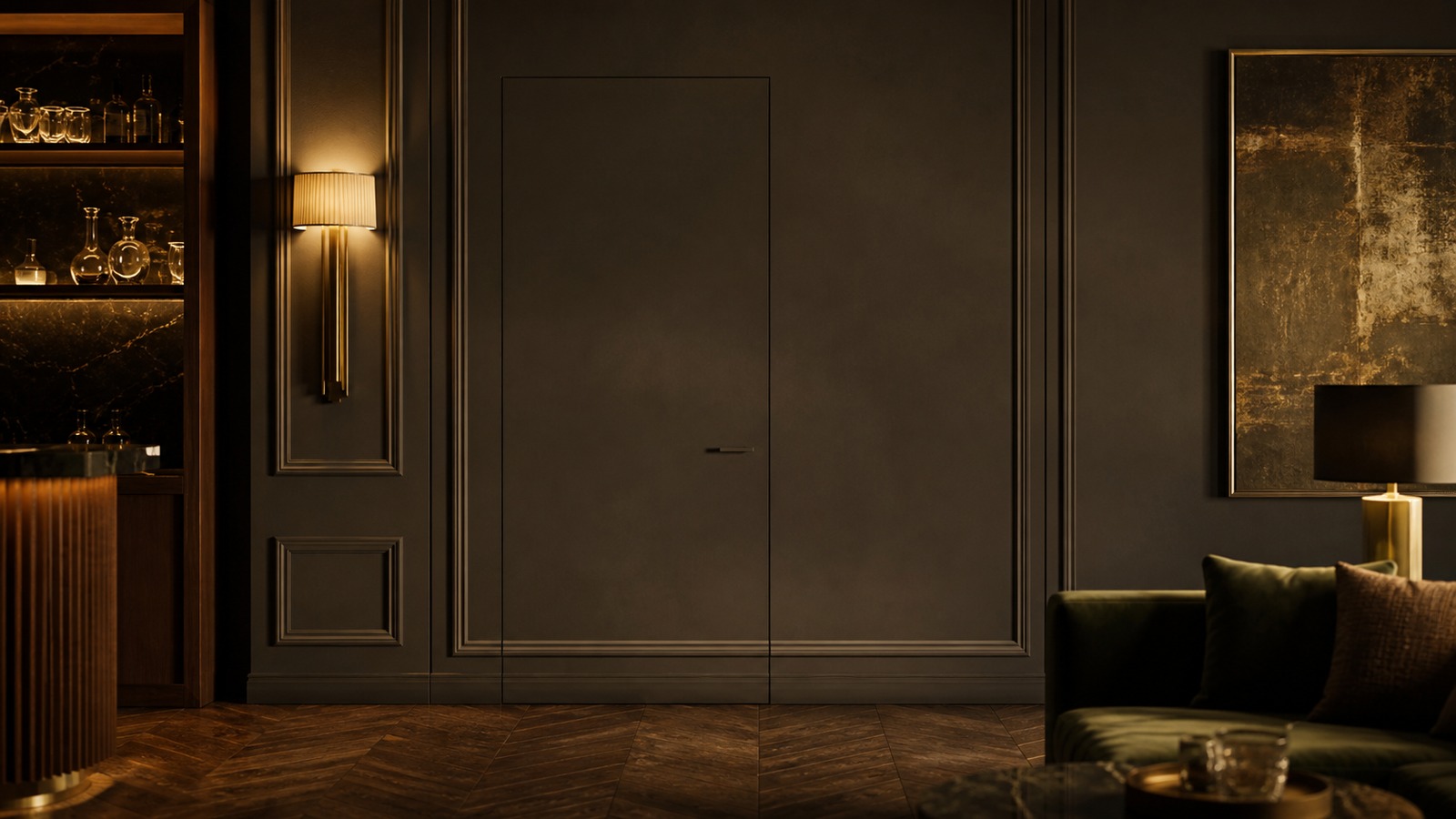
Paint and wall panels can hide a concealed door beautifully when sheen, reveal lines, trim rhythm, hardware, and touch-up planning are treated as one surface.
Concealed doors with hidden locks need a careful balance of security, safe exit, hardware access, daily usability, and a disguise that does not fail at the latch.
The best materials for concealed door construction balance stability, weight, finish compatibility, hardware support, durability, and the way the door blends into its wall.