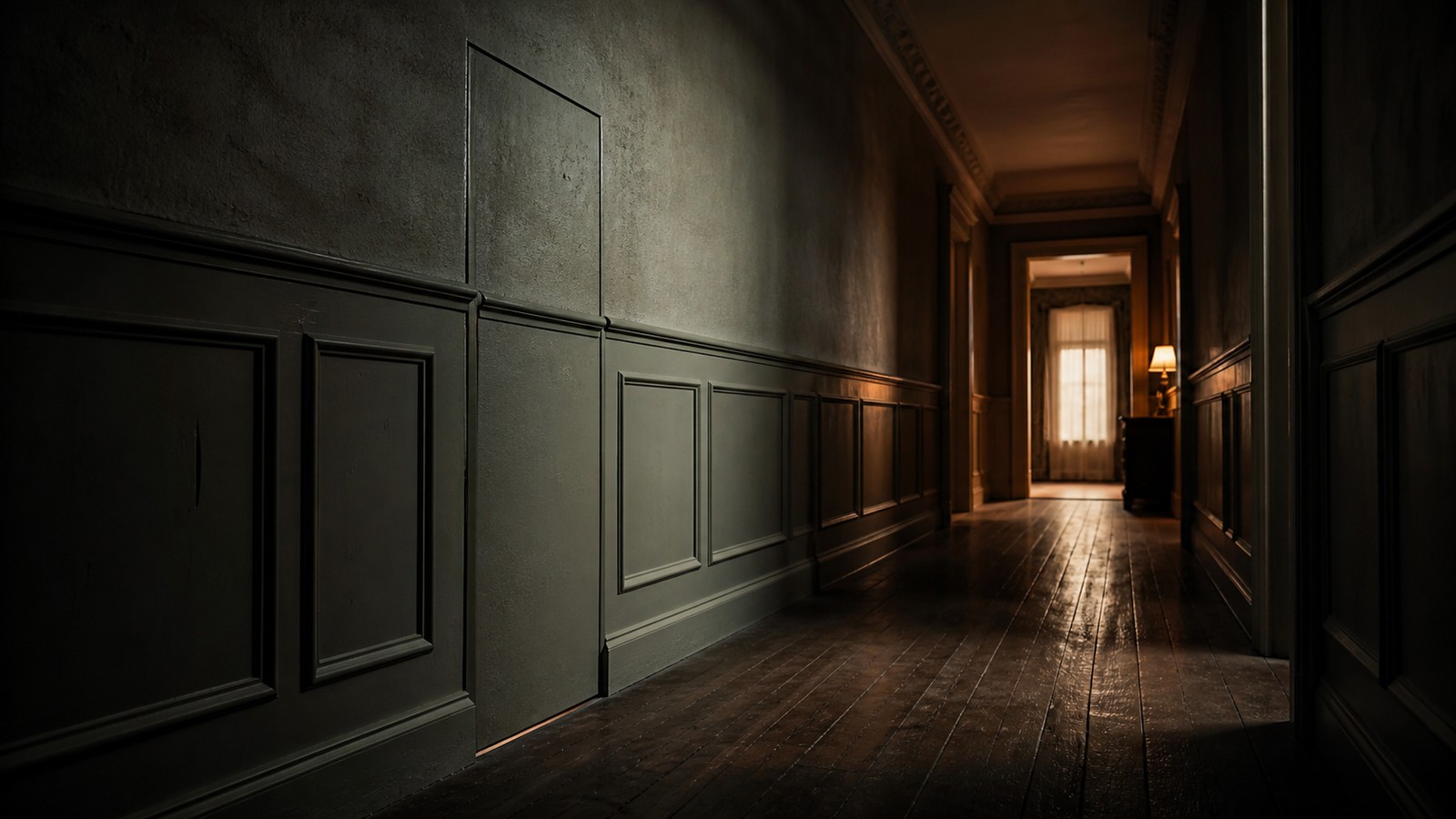
Hospitality Design Uses Concealment for Calm
Boutique hotels and resorts often need to hide a lot of function in spaces that should feel effortless. Guest room entries, service corridors, housekeeping closets, spa treatment rooms, storage, staff access, mechanical panels, and private suites all need doors. If every opening is obvious, the property can feel busy and operational rather than calm. Concealed doors help hospitality interiors maintain atmosphere while still supporting the work behind the scenes. They are not only about surprise. They are about guest experience, wayfinding, privacy, durability, security, and making the necessary parts of a hotel feel integrated into the design.
A: They keep guest spaces calm while service functions remain nearby.
A: They can be integrated, but room identification and access must stay clear.
A: Yes, if staff access, carts, durability, and locks are planned.
A: Yes, concealed thresholds can support privacy and calm.
A: Durable wood, plaster, metal, wallcovering, and acoustic panels can work when maintenance is planned.
A: Use subtle cues, lighting, hardware, and required signage where needed.
A: Sometimes, but fire and life-safety requirements need professional review.
A: Access control should be secure, serviceable, and coordinated with the door design.
A: They choose climate-appropriate materials and finishes near pools, spas, and humid zones.
A: Guests feel calm while staff can still work efficiently.
Shape the Guest Arrival
In boutique hotels, the first walk down a corridor or into a suite sets expectations. Concealed doors can make that arrival feel calmer and more curated. A guest may see warm wood panels, textured plaster, soft lighting, or a continuous wall rather than a crowded row of service openings.
Guest room doors still need to be identifiable. Room entries, accessible routes, and exits should not be confusing. Concealment works best when it removes visual clutter while preserving the cues guests need.
In suites and villas, a concealed door can create a reveal between living room, sleeping area, bath, dressing room, or private terrace. The transition feels more designed when the opening is part of the wall treatment.
Hide Service Without Hiding Operations
Hotels and resorts depend on service movement. Housekeeping closets, staff passages, linen storage, back-of-house access, and maintenance panels need to be close to guest areas without dominating them. Concealed doors allow service to stay nearby and visually quiet.
The hidden door must remain practical for staff. It should open quickly, withstand repeated use, and allow carts or supplies to move through when needed. A beautiful service door that slows operations will not survive a busy property.
Use Materials That Match the Brand Experience
Boutique properties often use materials to express place: wood, stone, plaster, woven textures, leather, metal, or custom wallcoverings. Concealed doors should participate in that material story. A resort might hide doors in slatted wood or textured panels, while an urban boutique hotel may use flush painted walls or metal-edged millwork.
Material choices should also support cleaning and durability. Hotel doors are touched by guests, staff, luggage, carts, and cleaning crews. The finish must look refined while tolerating more use than a typical home.
Edges, corners, and hardware zones need extra protection. A concealed door in hospitality can lose its effect quickly if the touch point becomes scuffed or shiny.
Local climate matters too. Beach resorts, mountain lodges, humid spa properties, and desert retreats all place different demands on finishes and door construction.
Preserve Wayfinding and Accessibility
Concealed doors should not make guests feel lost. Restrooms, exits, elevators, accessible rooms, and public amenities require clear wayfinding. A hidden service door can disappear, but a guest route should remain understandable.
Subtle cues can help: lighting, hardware, material breaks, signage where required, or consistent placement. The design can remain refined while still guiding people. Hospitality is about making guests feel cared for, not tested.
Accessibility should be included early. Door width, hardware height, opening force, thresholds, and contrast may be regulated or simply necessary for comfort. Concealment should never reduce usability.
Give Spa and Wellness Areas More Quiet
Spas, wellness suites, and treatment rooms benefit from concealed doors because the mood depends on calm transitions. A treatment room door integrated into wood, plaster, or fabric panels can feel more serene than a standard commercial door.
Privacy and acoustics matter in these settings. The door should control sound, close softly, and give guests confidence. If a concealed spa door rattles, leaks light, or feels hard to operate, the calm disappears.
Service access also matters. Linens, supplies, and cleaning equipment need nearby storage that does not intrude on the guest experience. Concealed doors can keep those functions close and quiet.
Moisture and cleaning should be considered in wellness areas. Steam, oils, towels, and disinfectants can stress finishes. A serene door still needs materials that can tolerate the way the space is maintained.
Support Security Without Looking Institutional
Hotels need locks, access control, staff-only areas, and guest privacy. Concealed doors can integrate security hardware into a softer design language, especially in boutique properties that want to avoid a corporate corridor feel.
Guest room doors must remain secure and legible. Service doors may be more visually hidden, but staff access needs to be efficient. Electronic locks, card readers, staff credentials, and emergency access should be coordinated with the door design.
Security hardware should be serviceable. Batteries, readers, strikes, closers, and hinges need maintenance. A fully integrated wall should still allow the property team to keep the system working.
Security also includes staff confidence. A night manager, housekeeper, or maintenance technician should know exactly which doors they can access and how. Concealed service routes should not create uncertainty during urgent situations.
For resorts with villas or dispersed buildings, access control may need to handle weather, guest turnover, and staff movement across a wider property. The door design should support those operational realities.
Control Sound in Corridors and Suites
Hospitality guests notice noise. Concealed doors in corridors, suites, spas, and villas should account for sound transfer. Door cores, seals, thresholds, frames, and wall construction all affect how quiet a room feels.
A hidden service door beside a guest room can become a noise problem if it slams or leaks sound. Soft-close hardware, staff-side buffers, and acoustic detailing help keep the guest experience calm.
Use Concealment to Frame Local Character
Boutique hotels and resorts often succeed because they feel connected to a place. Concealed doors can support that by letting local materials, craft, and texture stay continuous. A mountain lodge, desert retreat, coastal inn, and urban boutique hotel should not all hide doors the same way.
Wood species, stone, plaster, woven panels, tile, or metal details can carry the property’s identity while absorbing necessary openings. The door becomes part of the story rather than a standard commercial interruption.
This approach is especially useful in public spaces. Lobbies, lounges, spas, and corridors can keep their atmosphere while concealing staff access and storage. Guests experience a more cohesive environment.
Local character should still be durable. A handmade surface may need protective details near the latch or cart path. The craft should be celebrated without being sacrificed to daily operations.
Use Concealment for Suite Drama
In higher-end suites, concealed doors can create a sense of discovery. A paneled wall might open to a dressing room, a private bar, a spa bathroom, or a terrace vestibule. The reveal can feel special without becoming gimmicky.
The drama should support the stay. Guests should still understand how to move through the suite after the first impression. A concealed door that is beautiful but hard to find at night creates frustration.
Lighting can help. A soft reveal, guided path, or subtle hardware cue can make the hidden transition feel luxurious and usable.
Design for Housekeeping Reality
Housekeeping and maintenance teams are the daily users of many concealed hotel doors. They need reliable hardware, durable finishes, clear access, and enough clearance for carts, linens, tools, and supplies. The guest-facing side can be quiet, but the staff-side experience should be efficient.
Cleaning protocols also affect material choice. Some finishes may not tolerate strong cleaners or frequent wiping. A concealed door near a pool, spa, restaurant, or corridor needs a finish that fits the property’s maintenance routine.
Staff feedback can improve the design. The people who move through the property every day often know which doors will be stressed most.
Door closers, stops, and kick areas deserve attention. A service door may be pushed by carts or opened with full hands many times a day. Reinforced surfaces on the staff side can preserve the guest-facing illusion.
Keep Fire, Life Safety, and Codes Visible to the Team
Hotels and resorts operate under strict life-safety requirements. Fire-rated doors, exit access, smoke control, panic hardware, and signage may not be optional. Concealment must work within those requirements.
A fire-rated or egress door can sometimes be integrated into a wall treatment, but the required hardware and markings need professional review. The design should not compromise code compliance for a cleaner photograph.
Plan Replacement and Repair
Hospitality interiors get renovated, repaired, and refreshed. Concealed doors should be detailed so panels, hardware, finishes, and locks can be serviced or replaced. A door that requires custom demolition for every repair will frustrate the property team.
Keep finish records, spare panels, hardware models, and access-control documentation. Boutique hotels often use custom materials, so future repairs are easier when the original information is preserved.
Durability is part of the guest experience. A concealed door that stays aligned, clean, and quiet after thousands of uses communicates care.
Let Concealment Serve Hospitality
Concealed doors in boutique hotels and resorts work because they help the property feel calmer, more intentional, and more immersive. They hide operational complexity without denying that hotels need service, safety, access, storage, and security.
The best hospitality concealed doors are generous to both guests and staff. Guests experience a composed environment. Staff can still work efficiently. Designers get the atmosphere they want without making the property harder to run.
When those needs align, concealment becomes part of hospitality itself. The door is quiet because the experience is meant to feel effortless.
That effortlessness is carefully built. It depends on codes, maintenance, locks, acoustic details, materials, and the daily choreography of staff work behind the scenes.
Guests may never notice the concealed doors directly, and that is often the success. They simply feel that the corridor, suite, spa, or resort path is calm, considered, and free of unnecessary clutter.
Staff notice in a different way. They know whether the door opens quickly, closes quietly, survives carts, and can be repaired without disrupting rooms. Their experience is part of the design’s success.
Owners and operators benefit too. Concealed doors can protect atmosphere while preserving revenue-producing space, storage efficiency, and service speed. Beauty and operations do not have to compete when the doors are planned well.
That is why the detail appears so often in boutique hospitality. It lets a property feel intimate and polished while the practical work of hospitality continues close by.
It can also make small properties feel larger. When storage, service, and staff circulation are absorbed into the architecture, guest-facing rooms feel less crowded by operations and more focused on atmosphere.
For resorts, concealment can soften the transition between private relaxation and the systems that support it. The guest sees warmth, texture, and calm while towels, tools, deliveries, and maintenance remain close enough to keep service smooth.
That balance is especially important for boutique properties, where atmosphere is part of the promise. Concealed doors let the hotel or resort protect that promise while still doing the complicated operational work every guest depends on, from housekeeping and maintenance to security, storage, quiet room turnover, and behind-the-scenes service flow throughout the property every single day, season after season reliably.