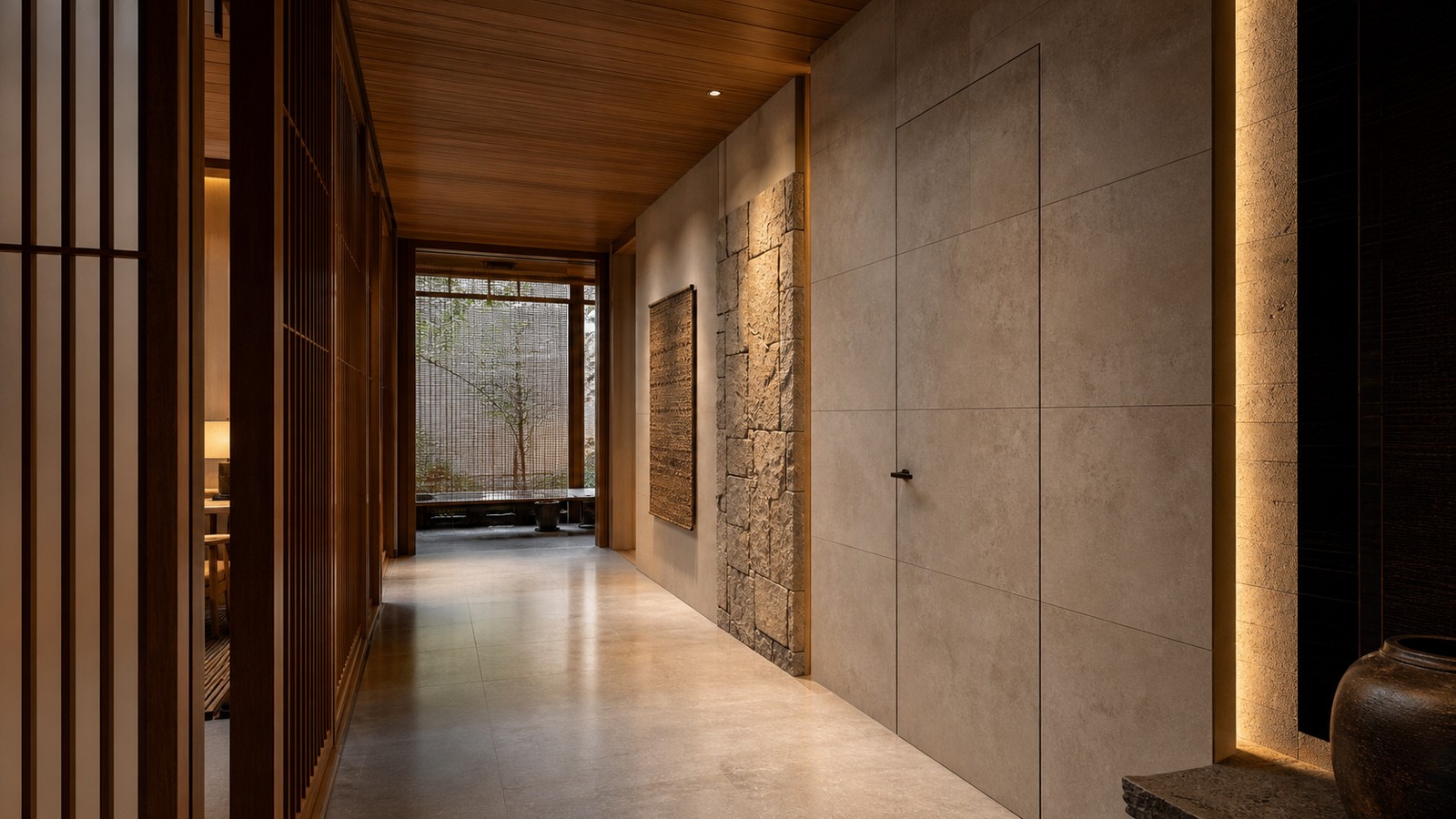
Budget-Friendly Concealed Door Projects Under $500
A concealed door under $500 works best when the project keeps the existing opening, spends carefully on movement, and uses finish details for the disguise.

Where Secrets Are Built Into the Walls
A concealed door under $500 works best when the project keeps the existing opening, spends carefully on movement, and uses finish details for the disguise.
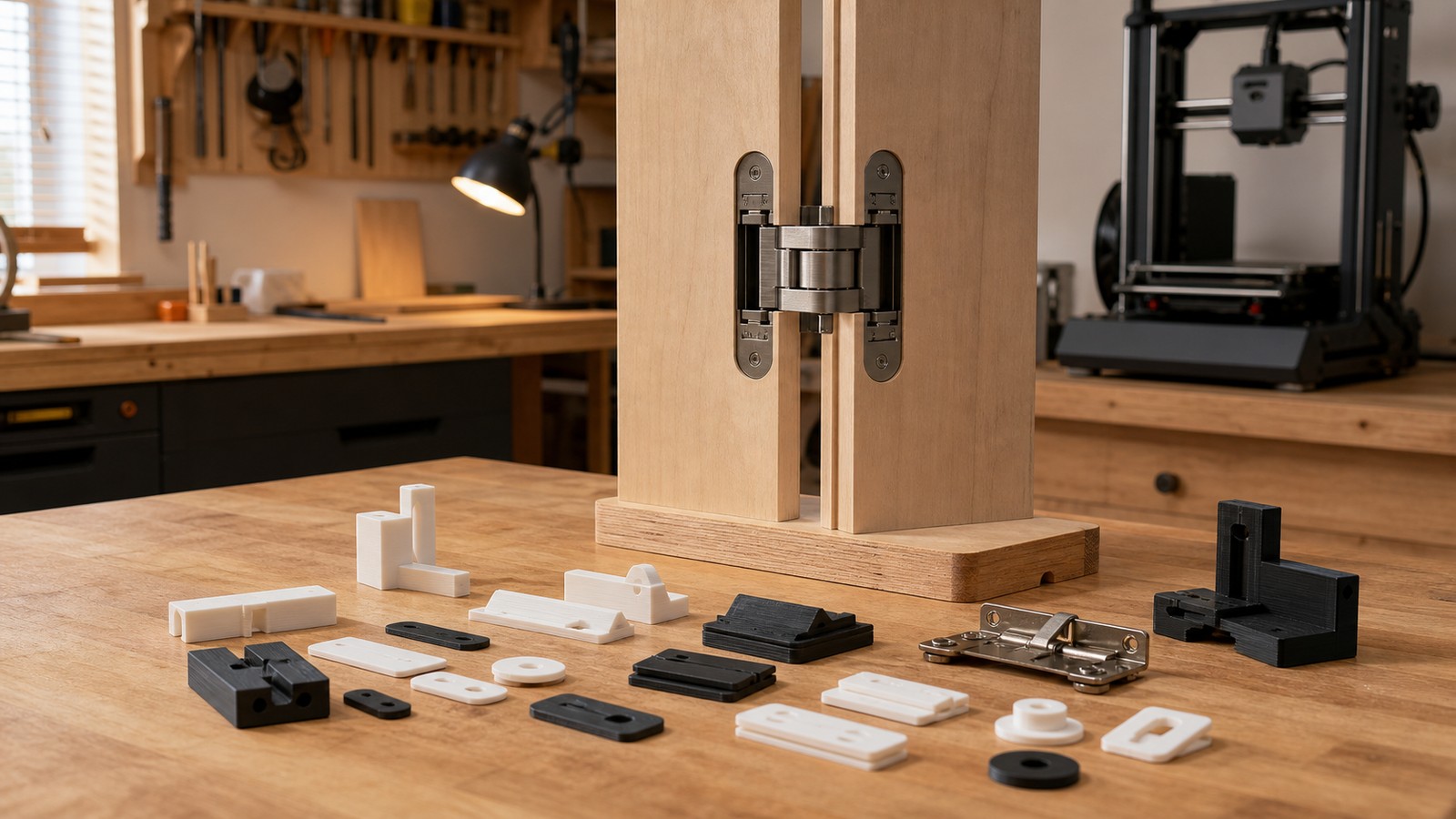
3D printing can support concealed door projects through jigs, covers, spacers, trim pieces, guides, prototypes, and non-load-bearing custom parts.
Lighting concealed passageways requires safe wiring, low-glare fixtures, reliable switching, emergency visibility, service access, and mood control.
Painting and wallpaper tricks can hide concealed doors by controlling sheen, pattern alignment, seams, texture, touch points, and edge durability.
A concealed trapdoor in the floor needs structural planning, safe access, flush finishes, strong hardware, and code-aware design before disguise.
IKEA furniture hacks can support concealed door designs when modular pieces are treated as lightweight fronts, not structural shortcuts.
Hide a door in plain sight by controlling sightlines, seams, color, trim, hardware, lighting, texture, and the reason the surface belongs.
The simplest DIY concealed door for beginners is usually a light flush panel, wall-panel disguise, or painted door that hides with alignment and restraint.
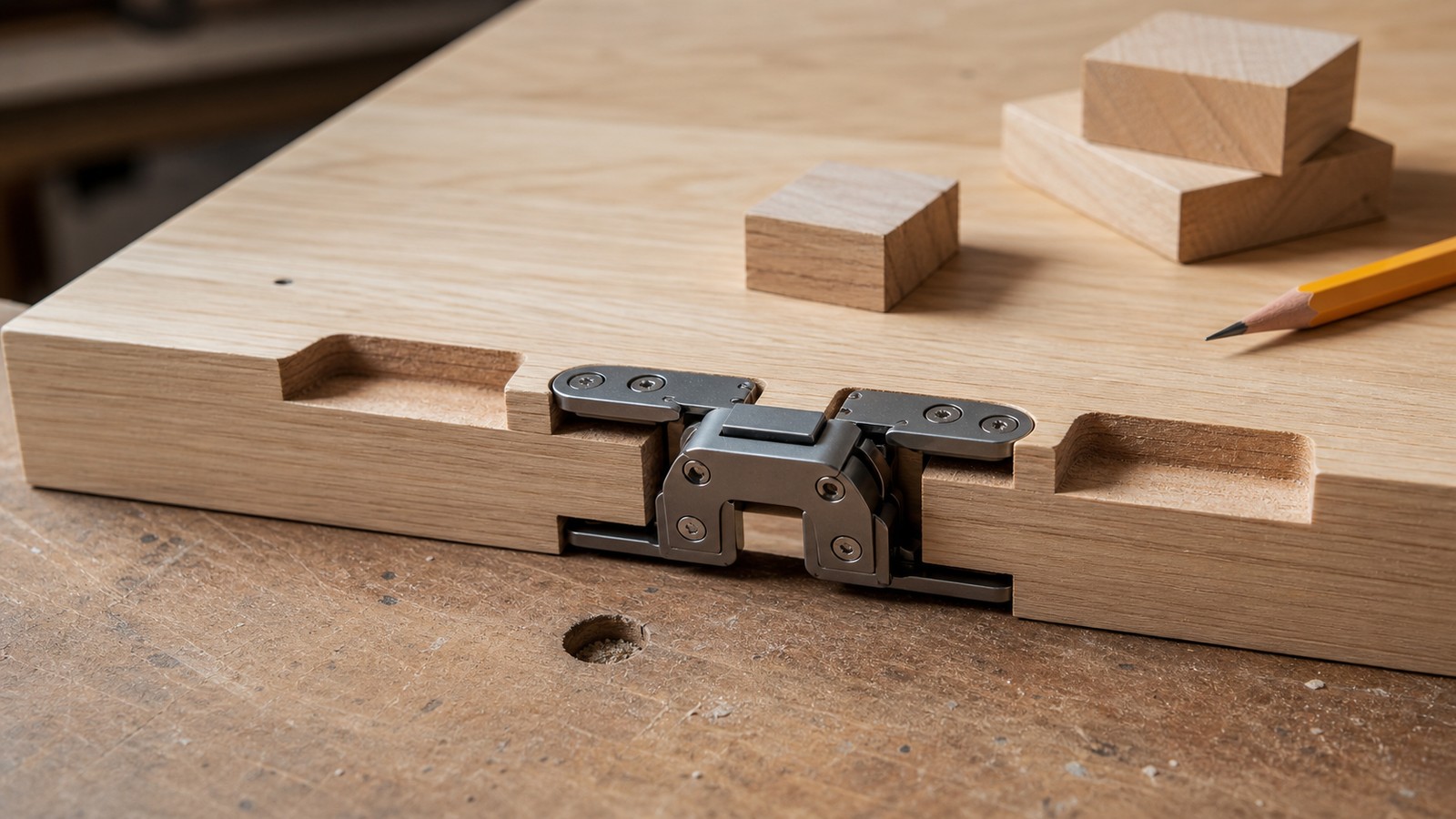
Install concealed hinges with better results by matching hinge type, load, mortise depth, reveal spacing, adjustment range, and door use.
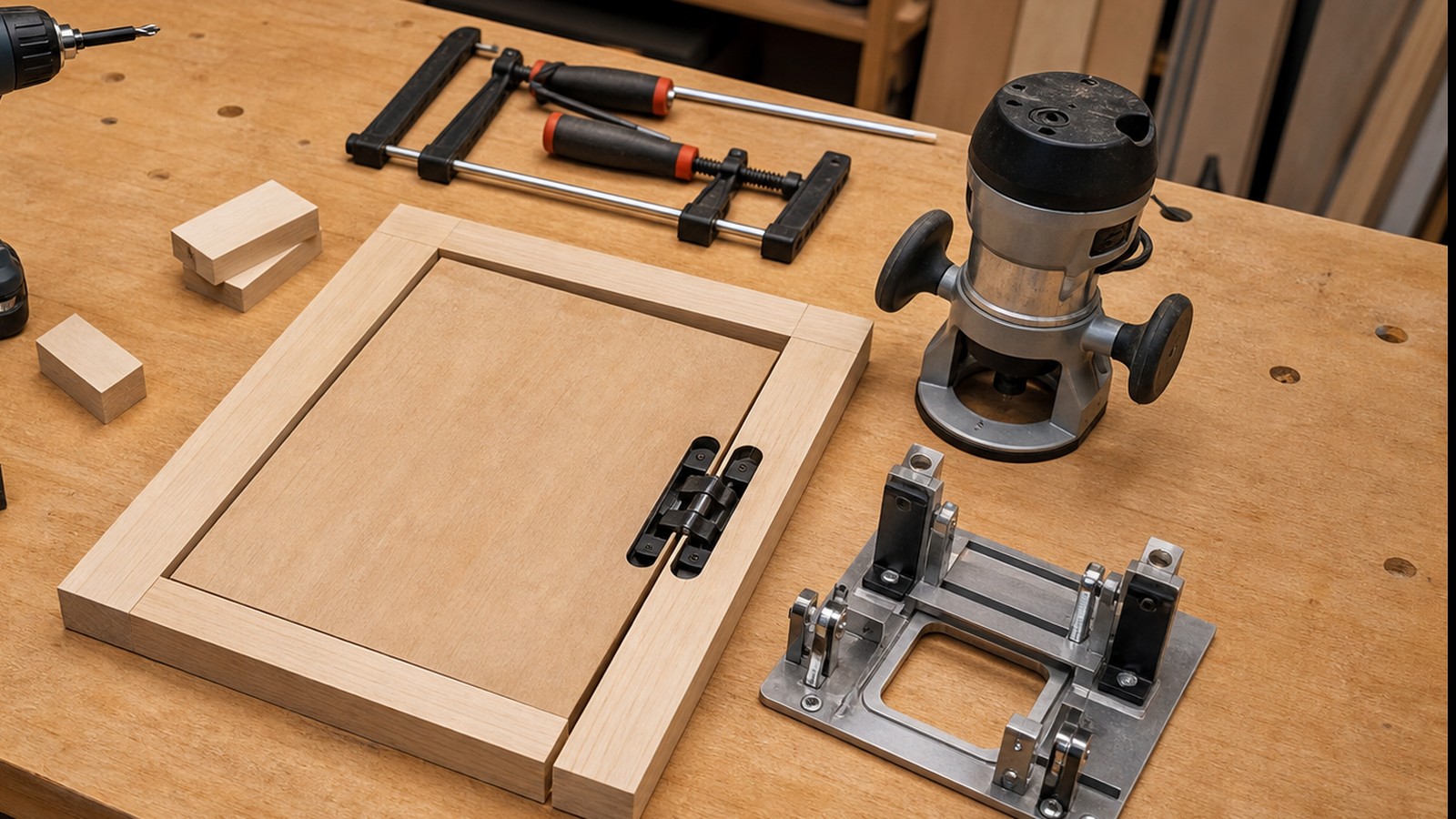
Concealed door projects need accurate measuring, straight cutting, strong fastening, careful alignment, and safe finishing tools more than exotic gear.
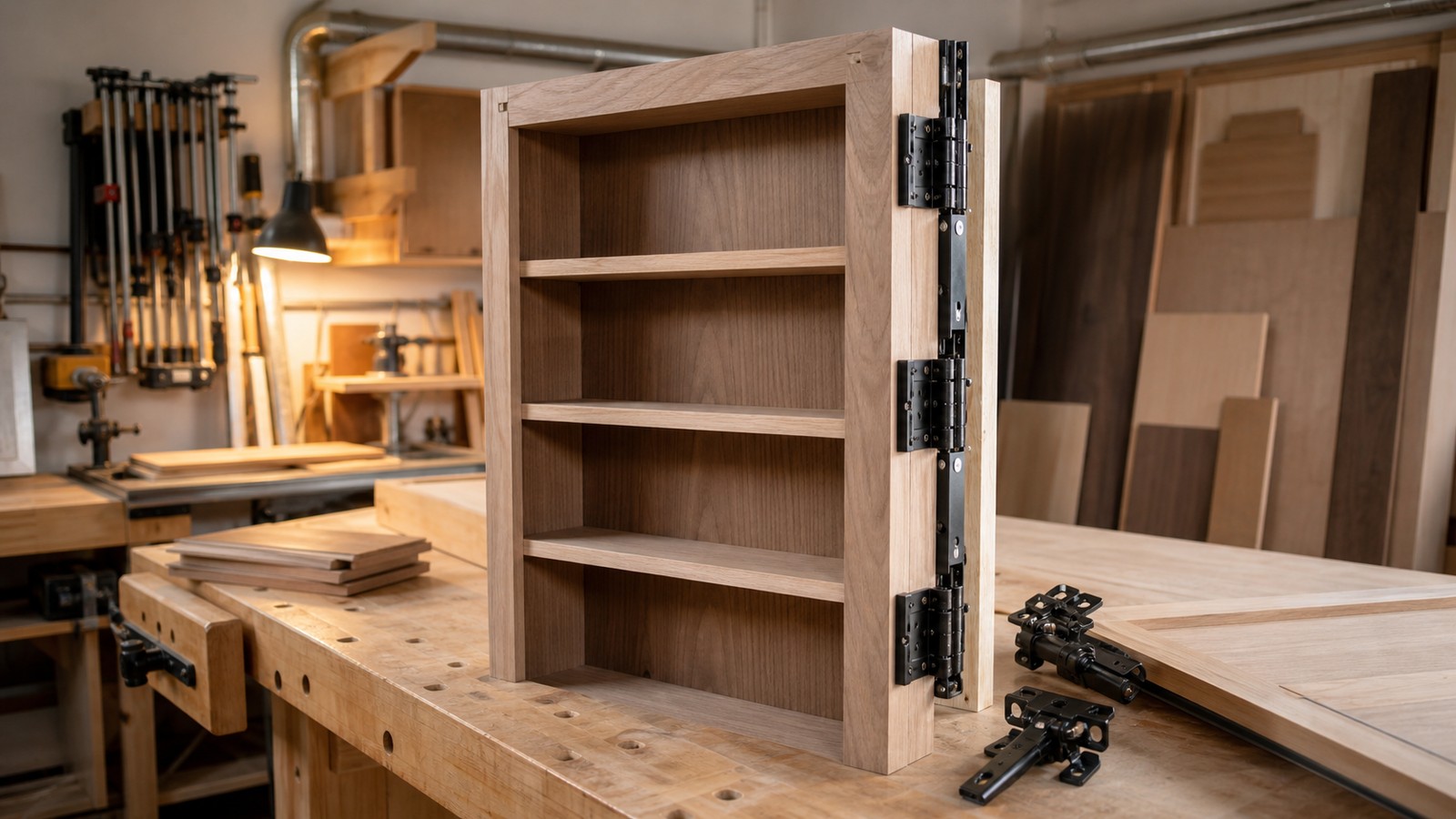
Build a concealed bookshelf door from scratch with practical planning for structure, hinges, shelf weight, clearances, trim, finish, and safety.
Concealed doors fascinate audiences worldwide because they connect curiosity, secrecy, safety, power, wonder, and the hope of hidden depth.