The Future of Concealed Doors in Architecture
The future of concealed doors in architecture will be shaped by integrated materials, accessibility, smart access, sustainability, safety, and calmer interiors.

Where Secrets Are Built Into the Walls
The future of concealed doors in architecture will be shaped by integrated materials, accessibility, smart access, sustainability, safety, and calmer interiors.
Concealed doors in historic libraries helped manage collections, staff routes, private studies, rare books, storage, and the quiet order of reading rooms.
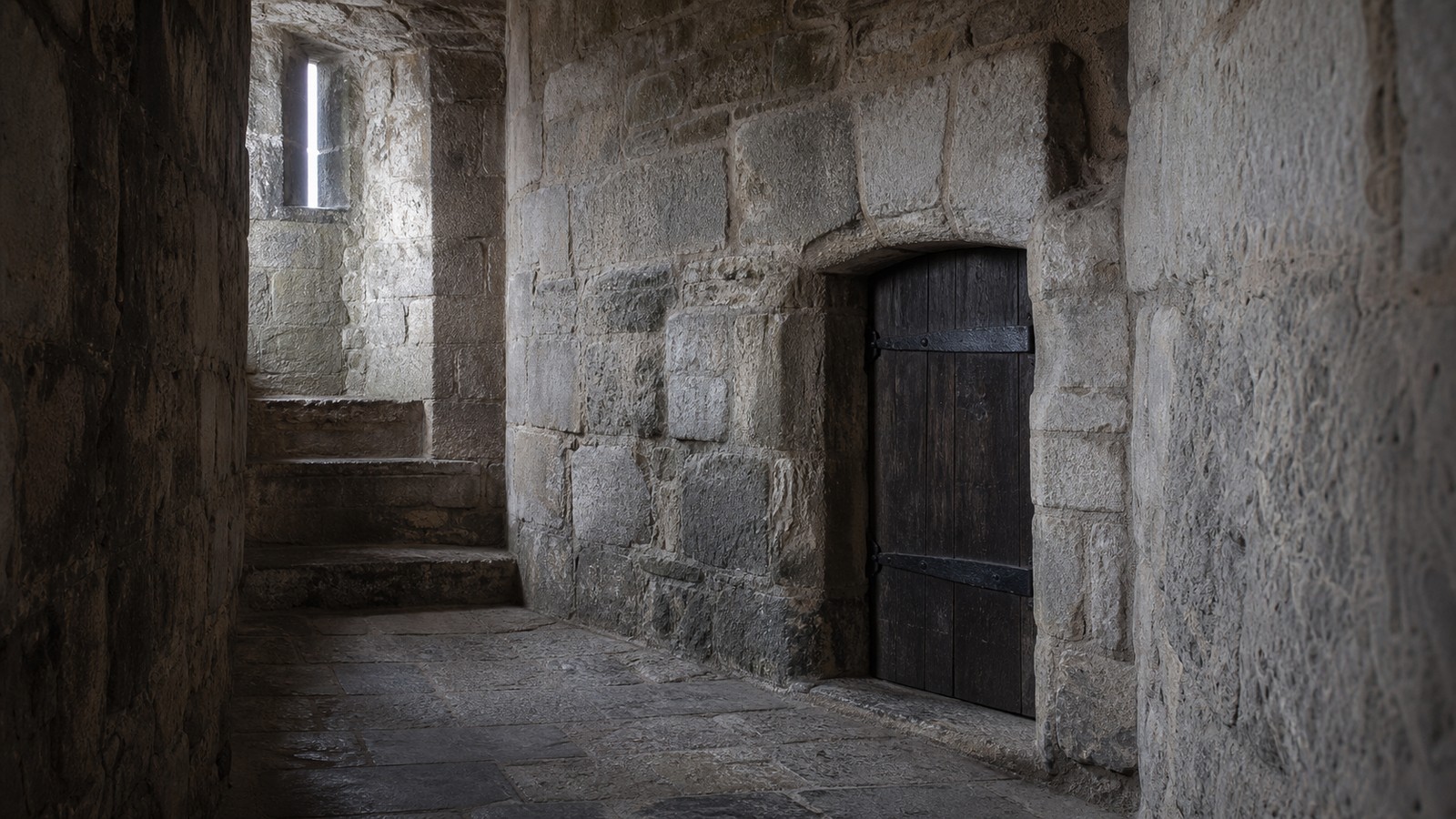
Concealed doors in medieval castles and fortresses served defense, service, storage, guard movement, postern access, and survival under pressure.
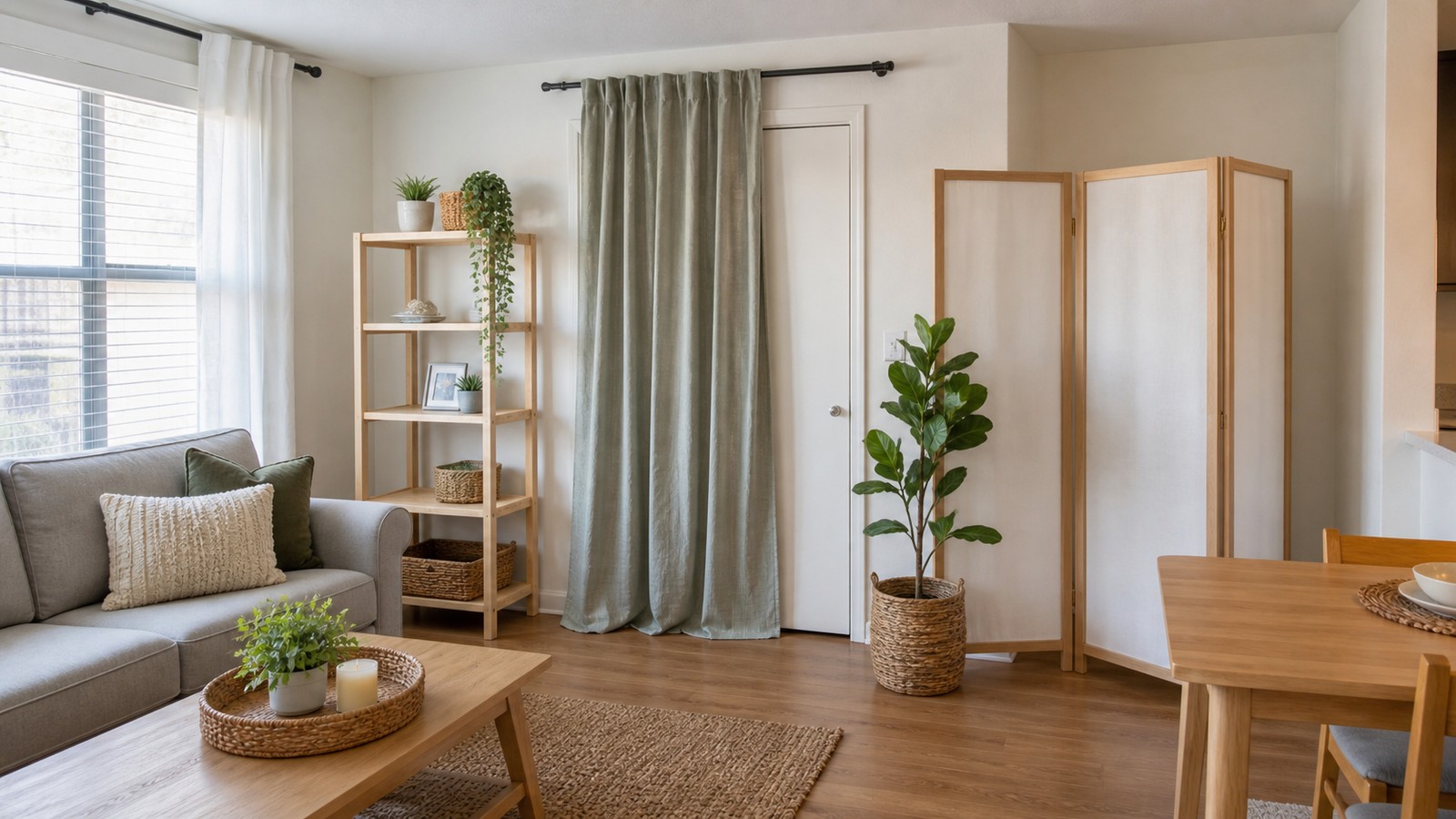
Landlord-friendly concealed doors should be reversible, safe, lightweight, well documented, and clear about permission before any permanent change.
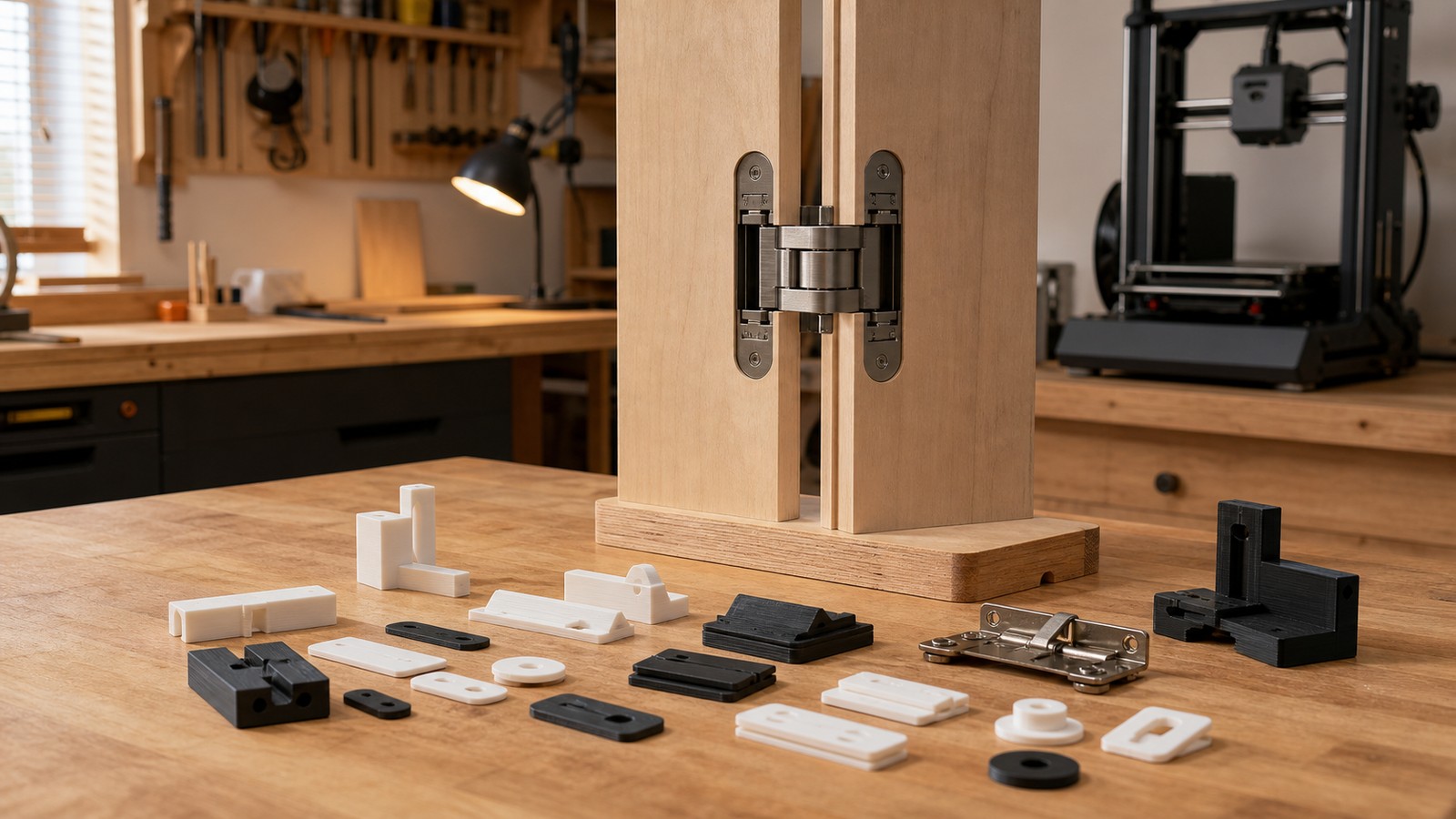
3D printing can support concealed door projects through jigs, covers, spacers, trim pieces, guides, prototypes, and non-load-bearing custom parts.
Hide a door in plain sight by controlling sightlines, seams, color, trim, hardware, lighting, texture, and the reason the surface belongs.
Concealed entrances in fantasy literature turn thresholds into tests, portals, protections, prophecies, social boundaries, and invitations to wonder.
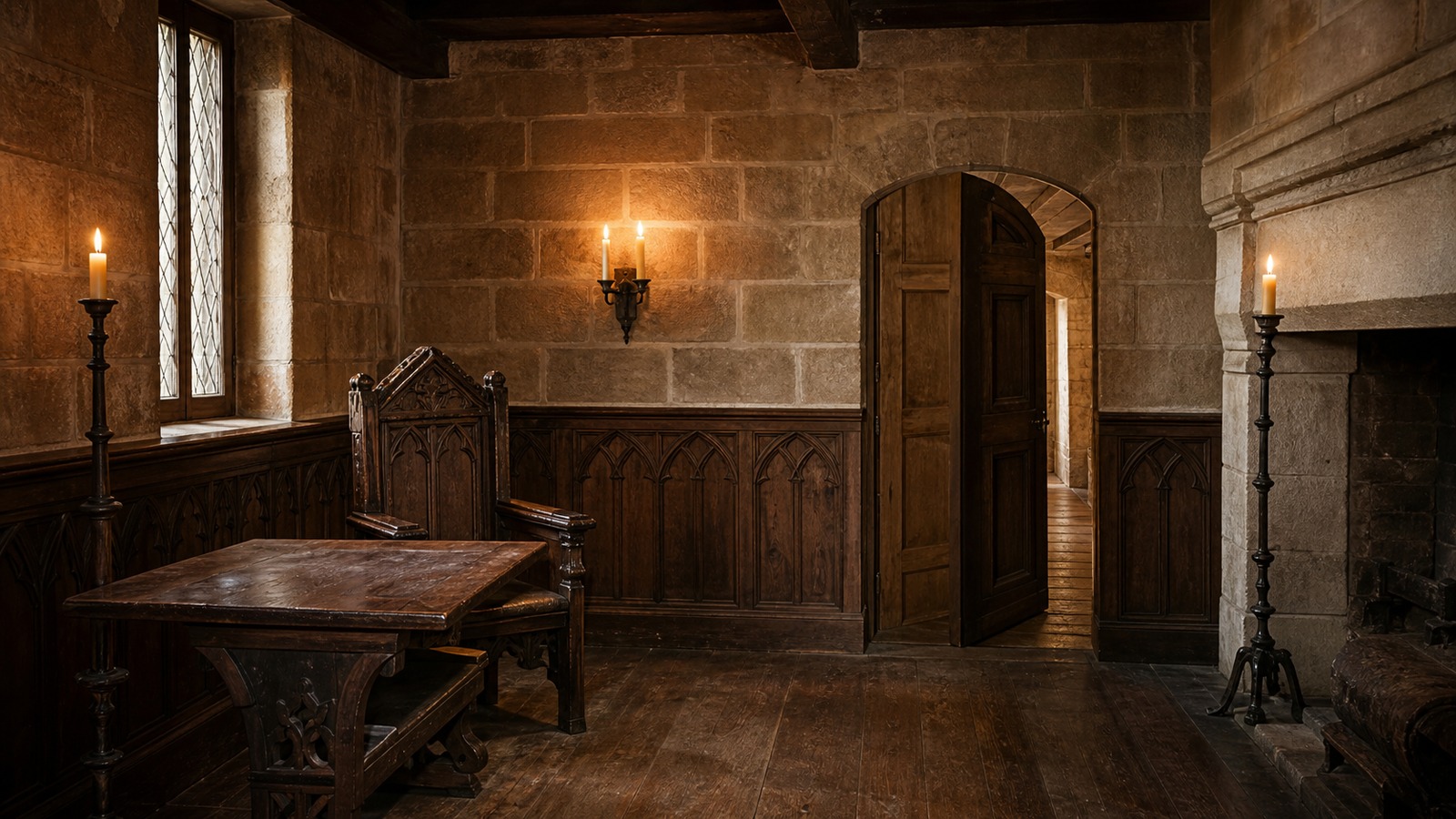
Concealed doors in medieval castles and palaces reflected defense, servants’ work, royal privacy, storage, worship, escape, and household power.
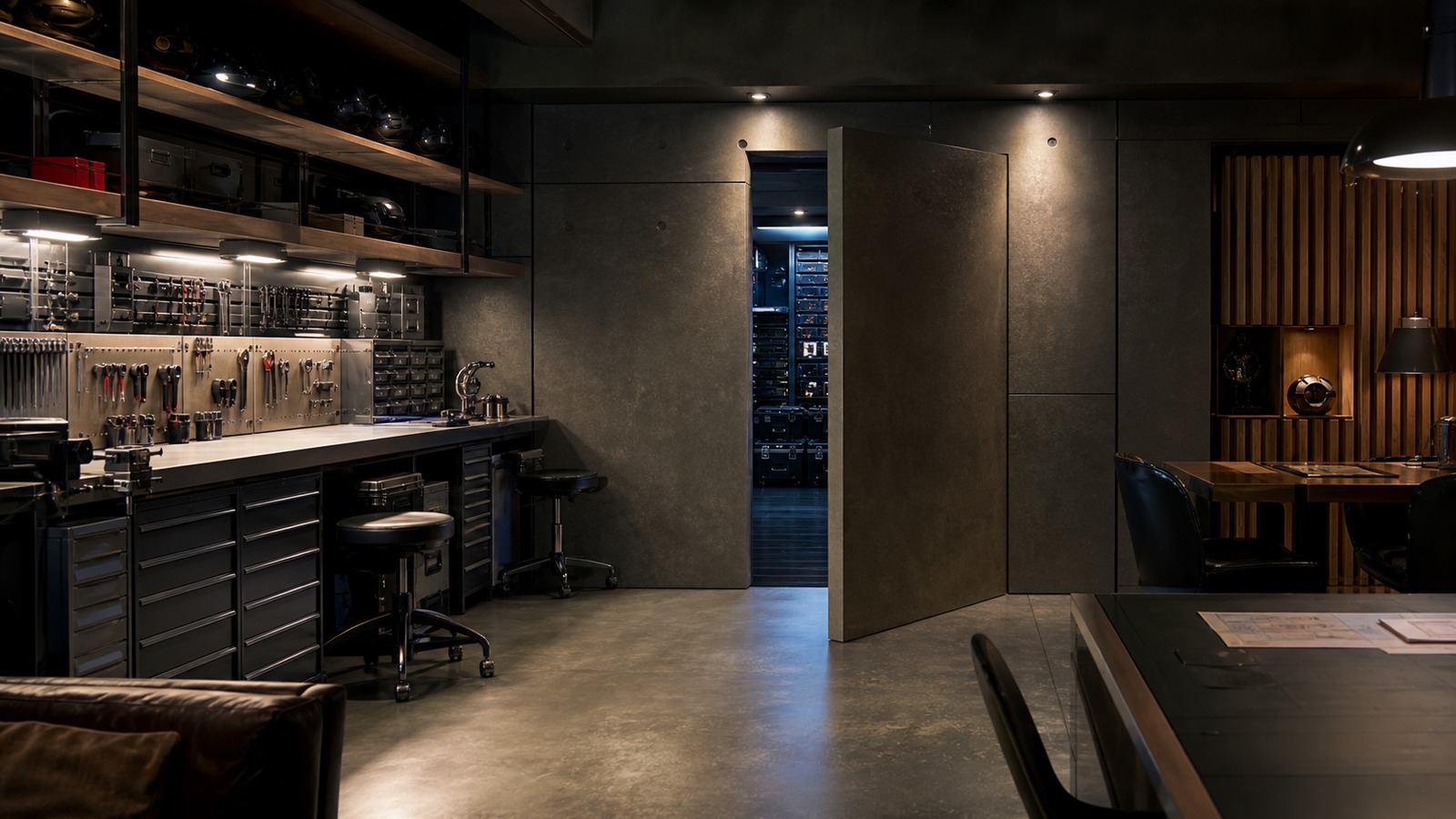
Concealed doorways in superhero hideouts protect identity, create dramatic reveals, and turn ordinary places into secret bases.
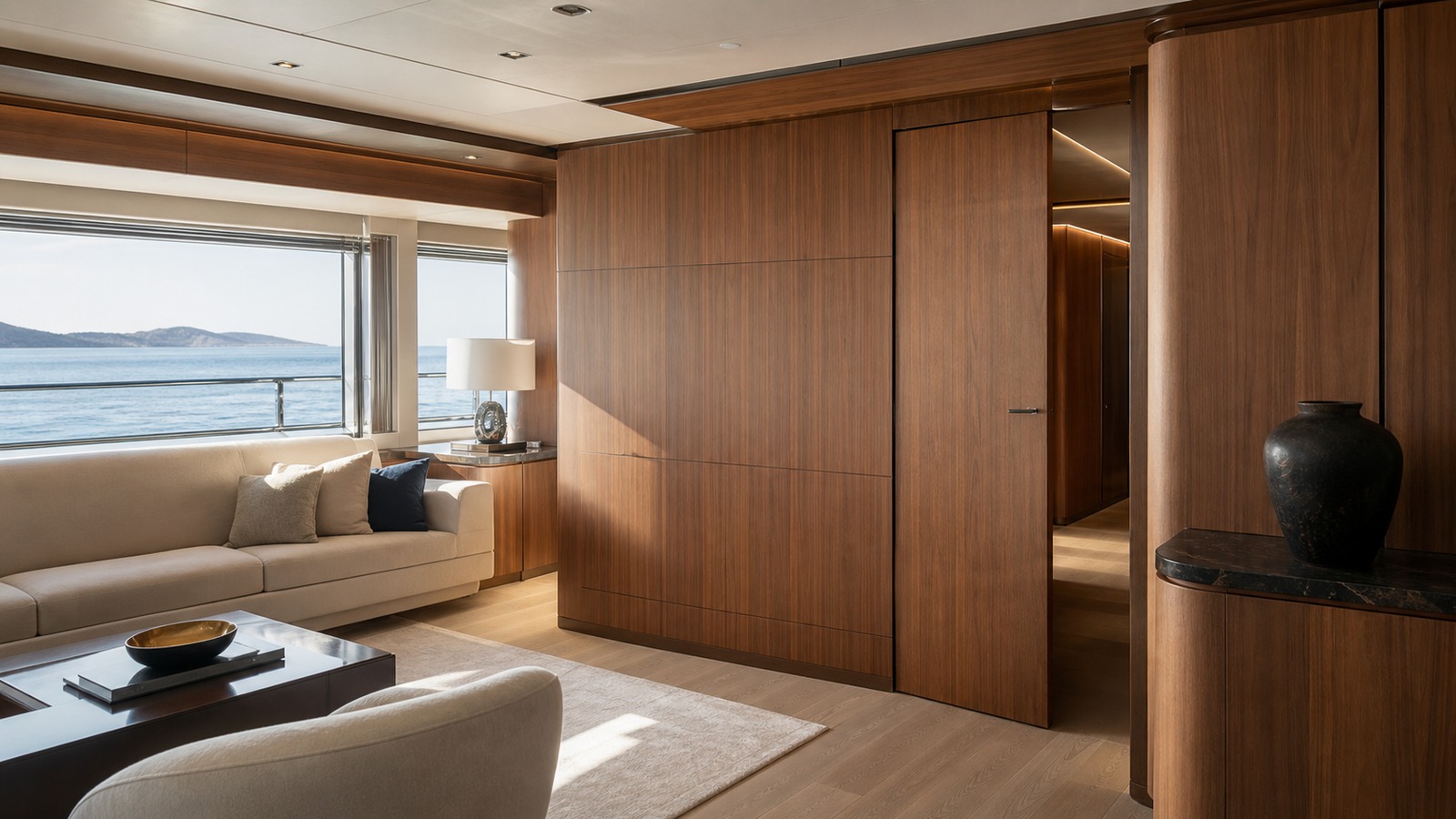
Secret doors in luxury yachts and private jets combine privacy, service flow, engineering restraint, safety, and refined design in very constrained spaces.
Secret doors in famous libraries feel natural because books, shelves, archives, staff routes, and rare materials already create layers of access.
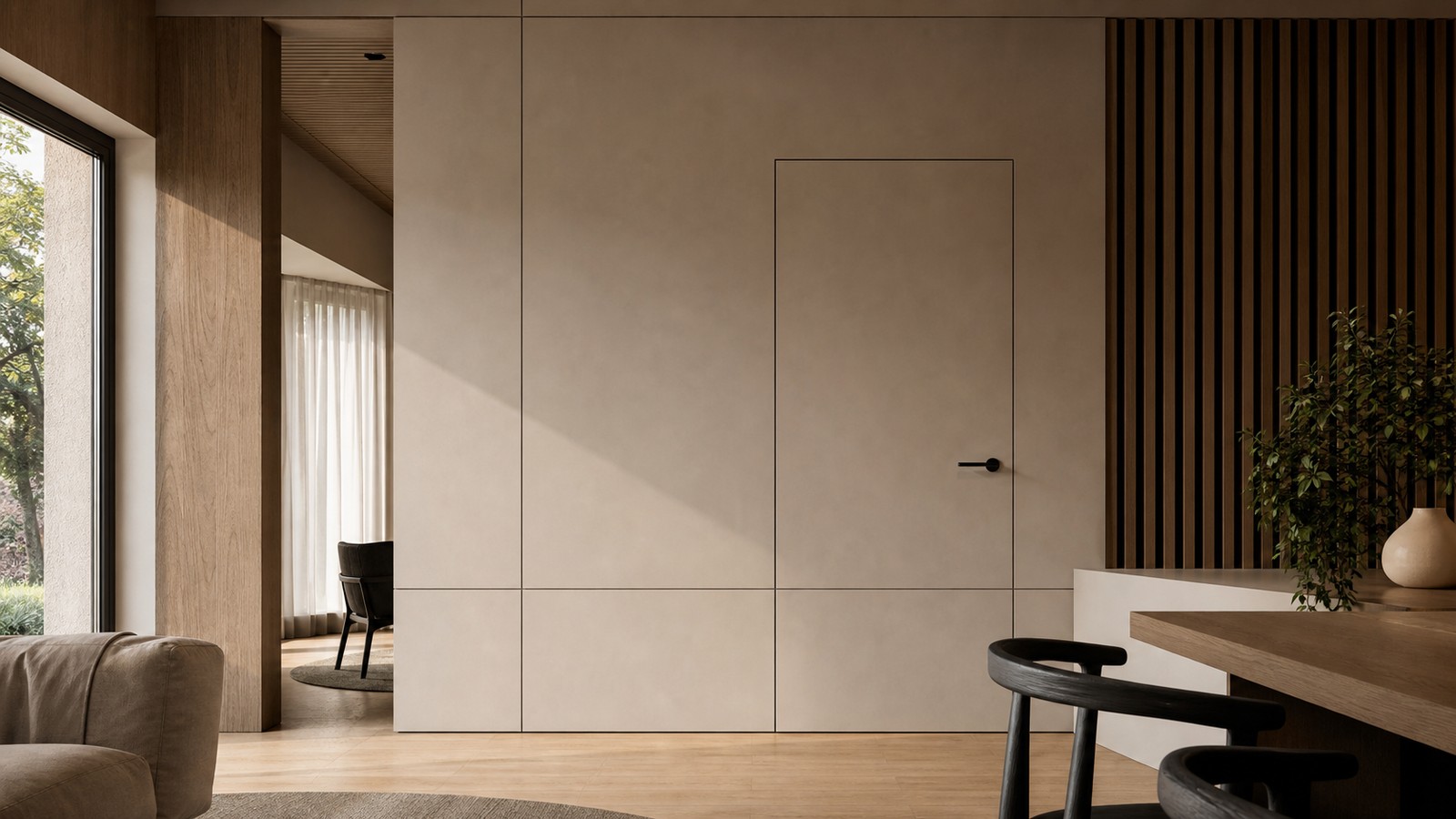
Invisible doors with custom finishes can blend into wood, plaster, lacquer, fabric, stone-look panels, wallpaper, and specialty surfaces when finish and function are planned together.