Future Concealed Doors Will Be Quieter and Smarter
The future of concealed doors in architecture is not only about making doors harder to see. It is about integrating access into cleaner interiors, smarter buildings, better accessibility, safer emergency planning, sustainable materials, and flexible spaces that can change use over time. A future concealed door may disappear into paneling, millwork, stone, acoustic surfaces, storage walls, or adaptive partitions. It may also need sensors, code-compliant hardware, inclusive controls, and maintenance access. The next generation of hidden doors will succeed when beauty, function, and responsibility meet.
A: Integration, usability, safety, sustainability, and adaptable space planning.
A: No, technology still needs durable hardware, alignment, and good detailing.
A: Hidden access should work for authorized users with varied bodies and needs.
A: Yes, when materials, repairability, and long service life are considered.
A: No, many will support storage, flexibility, privacy, and calm interiors.
A: A seamless door that is difficult, unsafe, or frustrating to use.
A: Use warmth, texture, proportion, and intuitive details.
A: Concealed doors rely on alignment and hardware that must stay adjustable.
A: Manual backup, clear user cues, and emergency-safe behavior.
A: A concealed door that serves the room instead of showing off.
Integration Will Matter More Than Trickery
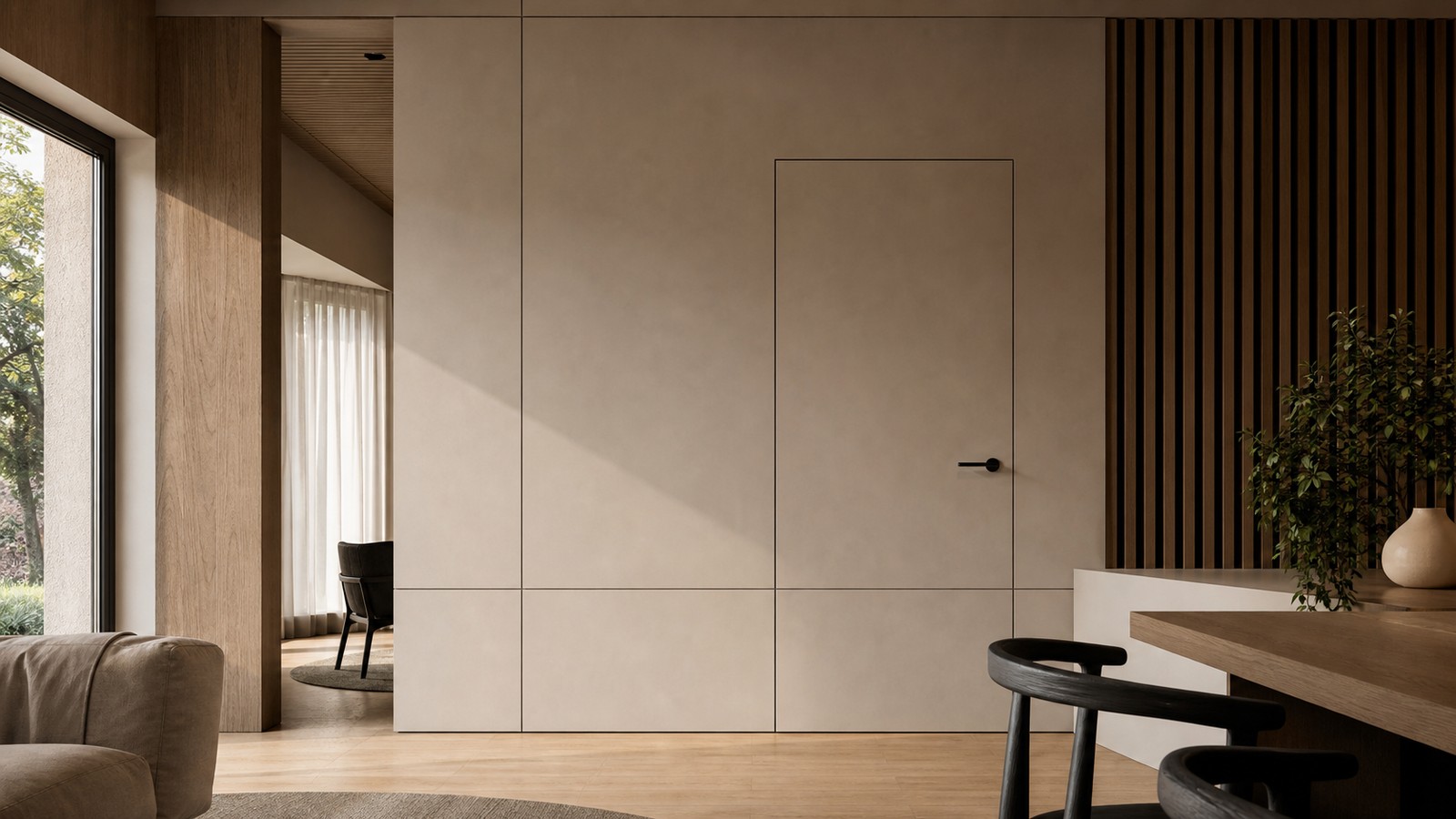
Future concealed doors are likely to be judged less by surprise and more by integration. The best examples will feel inevitable within the wall, cabinet, corridor, or room. A door that disappears because it belongs to the architecture will age better than one that depends on a novelty mechanism.
That shift suits modern design. Homes, hotels, offices, galleries, and wellness spaces increasingly value calm surfaces, flexible storage, and reduced visual clutter. Concealed doors can support that calm when they are planned from the beginning.
The door should not feel like an afterthought. It should share the rhythm, material, and detailing of the larger space.
Future hidden access will be quieter because design itself is becoming more precise.
Smart Access Needs Human Backup
Smart locks, sensors, and connected access systems may influence concealed doors, but technology cannot be the whole answer. A hidden door still needs safe manual operation, clear emergency behavior, durable hardware, and understandable controls.
Accessibility Must Be Designed In
A concealed door that is beautiful but difficult to find, open, or pass through can exclude people. Future design should consider reach ranges, clear openings, force, lighting, tactile cues, accessible hardware, and the needs of people with different mobility, vision, or cognitive experiences.
This does not mean every hidden door must announce itself visually to everyone in the same way. It means designers must think carefully about who needs to use the door and under what conditions. Concealment should not create confusion for authorized users.
The future of concealed doors will be better when accessibility is not treated as a late correction. It should shape the concept from the start.
Sustainability Will Change the Materials
Heavy exotic woods and complicated mechanisms may give way to more responsible materials, efficient fabrication, repairable hardware, and modular systems. A concealed door should not waste resources simply to look seamless. Sustainable design asks whether the door can be maintained, adjusted, and reused.
Future projects may use engineered wood, recycled metal, low-impact panels, durable veneers, acoustic boards, or local materials. The hidden door can still feel refined while respecting lifecycle costs.
Flexible Rooms Need Hidden Transitions
Buildings increasingly need spaces that shift between work, rest, storage, hosting, learning, and wellness. Concealed doors can help rooms transform without visual clutter. A wall may hide a pantry, office, media room, guest suite, utility area, or movable partition.
This flexibility is especially useful in smaller homes and dense urban spaces. When every square foot matters, hidden access can make practical functions feel less intrusive. The room can stay visually calm while still doing more.
Hospitality and retail spaces may also use concealed doors to shift between public and staff modes. The public experience remains polished while operations continue nearby.
Flexibility will be one of the strongest arguments for hidden doors in future architecture.
The secret will be less about secrecy and more about adaptable living.
Safety Codes Will Shape the Best Designs
Future concealed doors must work with fire safety, egress, accessibility, security, ventilation, and inspection requirements. A beautiful hidden door that compromises safety is not a successful design.
Maintenance Should Stay Visible to Designers
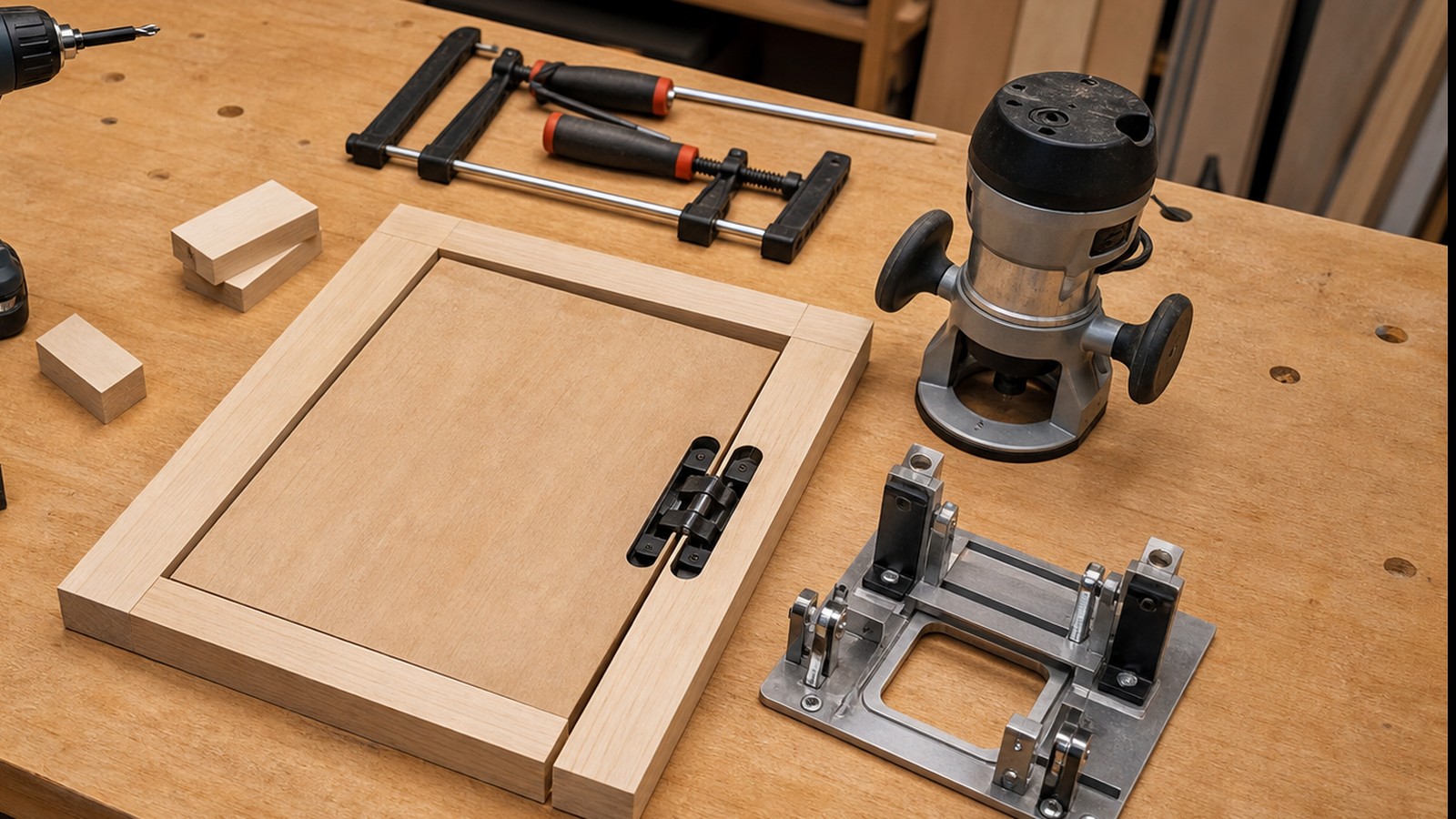
Concealed doors can fail when designers forget maintenance. Hinges sag, panels swell, sensors lose calibration, finishes wear, and reveals shift over time. Future systems need repair access and adjustable details that keep the door working after installation day.
This is where craft and technology meet. A concealed door can use advanced materials or smart controls, but it still lives in a building that moves, ages, and gets used by real people.
Designers who plan for adjustment will produce hidden doors that stay convincing longer.
Longevity is part of elegance.
Minimal Interiors Need Warmth
As concealed doors become more seamless, there is a risk of making interiors feel blank or sterile. The best future designs will balance clean lines with texture, proportion, warmth, and intuitive use. A hidden door should support a room’s character, not erase it.
Material richness can help. Wood grain, stone texture, fabric panels, plaster, and carefully handled shadow lines can make concealment feel human.
Security Will Become More Nuanced
Some future concealed doors will support privacy, safe rooms, collection storage, or controlled staff access. Others will simply hide utility spaces. Treating all hidden doors as security products would be too narrow.
The most thoughtful projects will match security to real need. A child’s playroom, home office, wine storage wall, or museum crate route each requires a different balance of concealment, access, and safety.
Nuance will matter because hidden doors are moving into more ordinary design, not only high-security environments.
Digital Controls Should Not Remove Intuition
A future door may unlock through a phone, keypad, biometric device, or building system, but authorized users still need to understand what is happening. Confusing interfaces can turn a beautiful hidden door into a daily frustration.
Craft Will Still Decide the Final Result
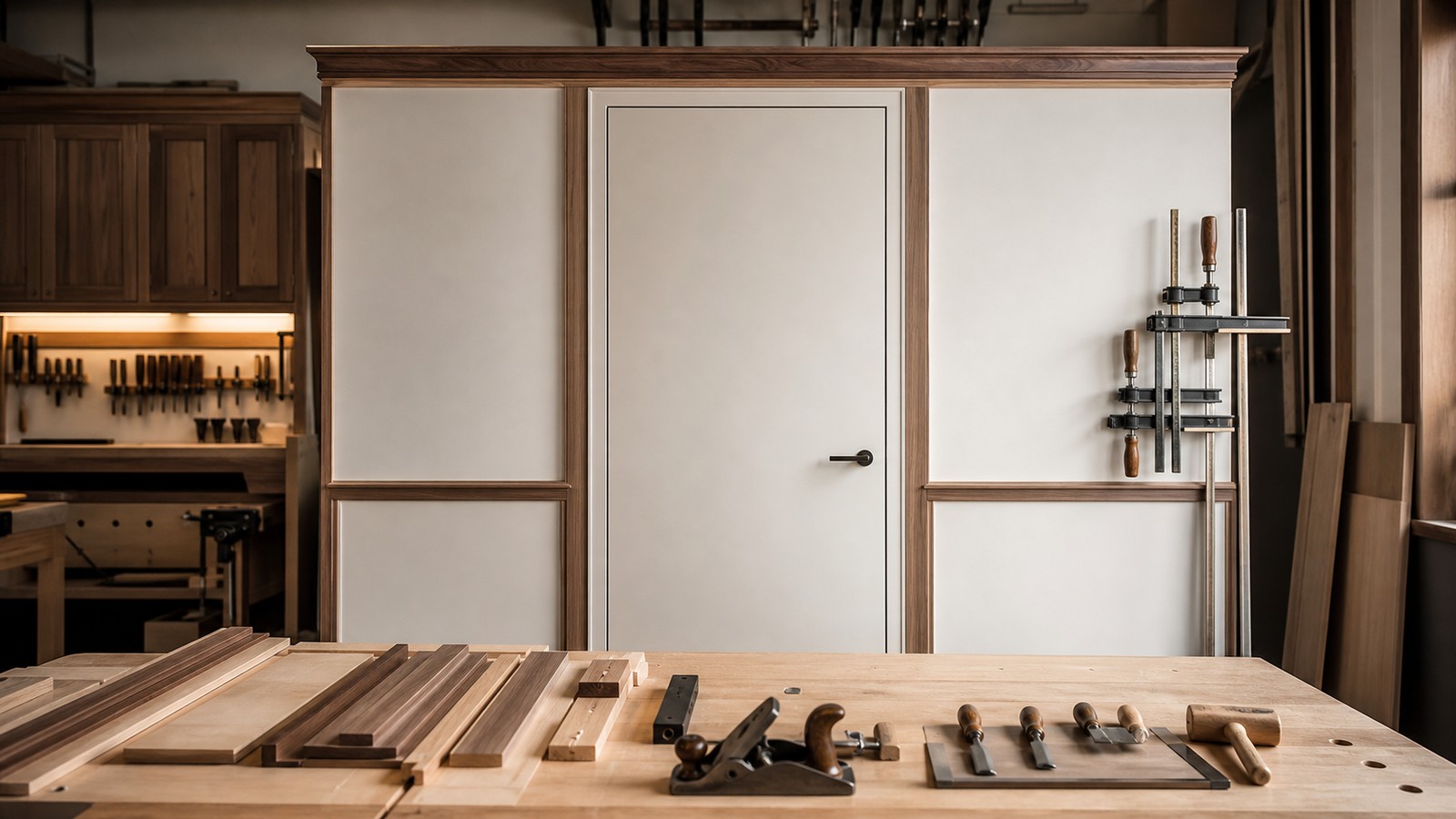
Even with better hardware and digital controls, the success of a concealed door will still depend on craft. Reveals must align, surfaces must match, weight must be balanced, and movement must feel controlled. The eye notices tiny errors in a seamless wall.
Future fabrication may make precision easier, but it will not remove the need for judgment. Someone still has to decide where the seam belongs, how the handle is resolved, and how the door feels after hundreds of uses.
That human judgment is what separates a polished hidden door from a gimmick.
The future will reward restraint.
A concealed door should be delightful because it works beautifully, not because it begs to be noticed.
Residential Design Will Lead Many Experiments
Homes will likely remain a major testing ground for future concealed doors. Homeowners want offices, storage, gyms, media rooms, pantries, playrooms, and safe storage to fit into calmer interiors. Hidden access can make busy domestic life feel more composed.
Hospitality Will Hide More Operations
Hotels, restaurants, wellness spaces, and private clubs often depend on a polished guest experience. Concealed doors can hide service movement, staff access, storage, cleaning routes, and back-of-house functions without making the public space feel false.
This kind of concealment will become more sophisticated as hospitality spaces become smaller and more flexible. A wall may need to serve as storage, acoustic treatment, lighting surface, and staff access all at once.
The challenge is to keep the result humane. Guests should feel calm, not trapped inside a blank performance.
Codes and Comfort Must Meet
Future concealed doors will have to satisfy building codes while remaining comfortable to use. Egress, fire ratings, accessibility, ventilation, and security cannot be treated as obstacles to design. They are part of the design problem.
The best projects will make compliance feel natural. The door will be hidden enough for the room and clear enough for the people who need it.
Digital Privacy Will Become Part of Design
If concealed doors use connected locks, sensors, or building systems, they will raise privacy questions. Who knows when the door is opened? Where is that data stored? Can the system be overridden? A future hidden door may be physically discreet but digitally revealing.
Good design will treat data as part of access. Privacy settings, local controls, clear permissions, and secure maintenance will matter. A concealed door should not create invisible surveillance simply because it is convenient.
This is one of the new symbolic layers of hidden architecture. The future door may hide in the wall while exposing patterns through software.
Architects and clients will need to think about both forms of visibility.
Materials Will Need Honest Aging
A concealed door that looks perfect on installation day can fail visually as materials age differently. Future designs should anticipate sunlight, humidity, cleaning, touch, panel movement, and finish wear.
Future Craft Will Favor Quiet Delight
The most appealing future hidden doors may be neither secretive nor showy. They may simply make a room work better while giving users a small moment of pleasure. Quiet delight is a durable design goal.
That kind of delight depends on fit, sound, weight, and trust. The door should move predictably, close cleanly, and invite use without confusion.
When hidden access feels effortless, the architecture has done its job.
The Future Door Will Serve the Room
The best future concealed doors will not be isolated tricks. They will serve the room’s layout, storage, privacy, accessibility, safety, and atmosphere. They will be designed as part of a building’s long-term life.
That is a mature future for hidden architecture. Concealment becomes a way to make spaces calmer, more adaptable, and more thoughtful. The door disappears, but the design responsibility becomes more visible than ever.
That responsibility will belong to architects, builders, hardware makers, technologists, and clients together. A concealed door touches structure, finish, code, user experience, privacy, repair, and sometimes security. Treating it as a small trick will no longer be enough.
The future will also reward honesty about use. If a hidden door is opened every day, it must feel durable and intuitive. If it is for emergencies, it must behave clearly under stress. If it is for privacy, it should protect without confusing authorized users.
These practical demands do not reduce the beauty of concealed doors. They make the beauty more durable because the door earns its quietness through performance.
The most convincing future designs will feel calm on the surface and deeply considered underneath.
That is why the future of concealed doors belongs as much to building science as to interior style. Moisture, acoustics, fire ratings, tolerances, power, privacy, cleaning, and repair all affect whether the hidden door remains hidden in a useful way.
The best architects will treat concealment as a promise to the user. The surface may be quiet, but the experience should be clear, safe, and reliable. A future hidden door that cannot be trusted will not feel magical for long.
The future will therefore favor hidden doors that are legible to the right people and invisible only where invisibility helps. That balance is subtle, but it is exactly where architecture can be smarter than novelty. The next hidden door should not merely vanish; it should make the surrounding space easier to live in, work in, maintain, and trust. When concealment serves real use, the room feels simpler without becoming less capable, safer, or less generous to the people using it. That is the future worth designing toward, with care and restraint from the first sketch through long-term use and eventual repair over many years of real occupancy and changing needs over time ahead.