Rental Concealment Should Be Reversible First
Concealed doors for rental properties need a different set of priorities than owner-occupied remodels. A renter may want privacy, storage camouflage, or a more polished room, but the project must respect the lease, the landlord’s property, safety, and move-out condition. Landlord-friendly options are usually lightweight, reversible, surface-based, and easy to document. Instead of cutting walls or replacing structural hardware, the best rental concealed doors use removable panels, furniture placement, fabric, decor, temporary trim effects, or approved upgrades that can be undone cleanly.
A: They can use reversible ideas, but permanent changes need clear landlord permission.
A: Freestanding or tension-based concealment is usually safer than altering doors or trim.
A: Only with proper approval and respect for legal access requirements.
A: No, adhesives can damage paint or leave residue.
A: Only if access remains quick, obvious, and acceptable to the landlord.
A: Photograph before and after conditions and keep approval records.
A: Yes, but only when the lease or landlord allows it.
A: Avoid blocking exits, damaging finishes, or creating confusing access.
A: Yes, shared spaces and storage should remain understandable.
A: Reversibility, safety, documentation, and minimal property impact.
Start With Permission, Not Materials
Every rental situation is different. Some landlords allow painting, hardware changes, or mounted shelves with approval. Others prohibit anything beyond small picture hooks. Read the lease and ask before changing doors, trim, locks, or walls.
Permission should be specific. A general approval to decorate may not cover altering a door latch or fastening panels to trim. Clear communication protects the renter and the property owner.
Choose Concealment That Moves With You
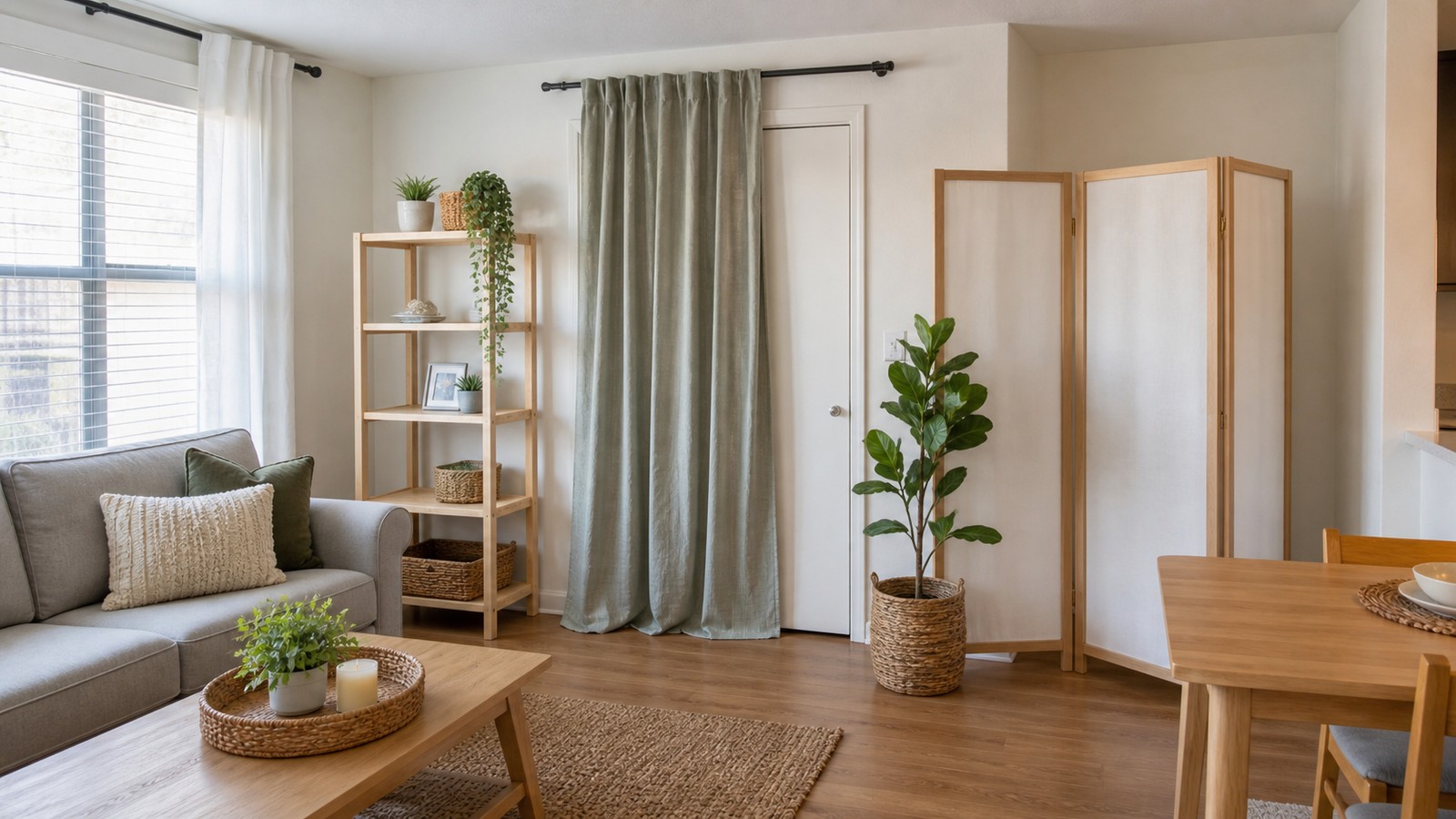
The safest rental options can be removed without leaving damage. Freestanding bookcases, tension-mounted curtains, folding screens, lightweight wardrobes, removable fabric panels, and furniture layouts can reduce the visibility of a door without modifying the opening. These choices are not as seamless as built-in hidden doors, but they respect the rental relationship.
A moveable disguise can also be useful when the renter changes rooms or apartments. If the hidden effect depends on a wall you do not own, it may have a short life. Portable concealment lets the investment travel.
Keep safety in mind. Furniture should not block required exits, ventilation, electrical panels, or emergency access.
Avoid Changing Locks Without Approval
Lock changes are sensitive in rentals. Landlords often need legal access under specific conditions, and leases may restrict lock modifications. If privacy is the goal, use approved solutions and keep emergency access rules clear.
Use Furniture as Visual Screening
A freestanding shelf, wardrobe, console, or fabric-covered frame can make a closet or utility door less noticeable. The furniture should look natural in the room, not like a barricade. Leave enough clearance to open the door safely and access whatever is behind it.
For lightweight doors, a removable decorative panel attached with approved methods may also help. Avoid adhesives or fasteners that could damage veneer, paint, or trim when removed.
Consider Paint Only With Written Approval
Painting a door and surrounding wall the same color can be a strong rental-friendly disguise if the landlord allows it. The agreement should include the color, surfaces, and whether repainting is required at move-out. Keep receipts or color names privately for restoration.
Temporary peel-and-stick products can help in some rentals, but they are not risk-free. Some adhesives damage paint or leave residue. Test carefully in a discreet area and follow removal guidance.
If the wall finish is delicate, skip adhesive concealment and use freestanding solutions instead.
Document the Before Condition
Before making any approved change, photograph the door, trim, wall, floor, and hardware. Documentation protects both sides and makes restoration easier. It also helps you remember how the original setup looked when move-out arrives.
Keep Door Function Obvious
Rental concealed doors should not confuse guests, roommates, maintenance workers, or emergency responders. If a door leads to utilities, electrical panels, HVAC equipment, or shared building systems, do not hide it in a way that delays access.
Privacy is reasonable; obstruction is not. A landlord-friendly solution should improve the room while still letting necessary people reach required spaces.
Use Tension and Freestanding Systems Carefully
Tension rods, temporary screens, and freestanding dividers can work well, but they need stability. A concealed door idea should not tip, fall, scrape floors, or create a hazard. Check weight, height, and whether children or pets could pull on the setup.
Felt pads, rubber feet, and careful placement can protect floors and walls. Avoid pressure that dents trim or marks ceilings.
Temporary does not mean careless. Good reversible design is still designed.
Make Storage Concealment Look Intentional
Renters often hide doors with storage furniture. The room looks better when the furniture arrangement has a reason beyond concealment. A reading corner, entry storage zone, media wall, or office nook can make the hidden door feel like part of normal living.
Be Honest About Fire and Exit Needs
No concealed feature should block a required exit, window egress, fire equipment, smoke detector access, or utility shutoff. Rentals often have shared safety obligations, and those come before aesthetics. If you are unsure whether a door must remain visible or accessible, ask.
This is especially important in basements, multifamily buildings, and older apartments. A hidden door is not worth creating a safety or lease problem.
Choose Low-Residue Visual Tricks
Rugs, lighting, art placement, curtains, removable screens, and furniture rhythm can reduce attention without touching the door at all. Sometimes the best rental concealment is not a hidden door mechanism but a room composition that makes the door less visually important.
For example, a curtain wall can soften a closet bank, while a freestanding shelving unit can draw focus elsewhere. These are not permanent secret doors, but they can satisfy the same desire for a calmer room.
The goal is to manage attention without creating damage.
Plan Move-Out Before Move-In Projects
If a change will be difficult to reverse, it may not be landlord-friendly. Keep original hardware, screws, doors, or trim pieces if approved changes are made. Store them safely and label them privately.
Use Approved Hardware Upgrades Sparingly
Some landlords may allow a better latch, soft-close catch, or door pull if the change improves the property. Keep the hardware compatible, avoid unusual drilling, and confirm who owns the upgrade when the lease ends.
Even approved hardware should preserve access. A concealed latch that only the renter understands can become a problem for maintenance or emergencies.
Think About Roommates and Guests
A rental hidden door may be fun for one person and annoying for everyone else. Roommates need to know how to access shared storage, utility closets, or exits. Guests should not be trapped or confused. The more shared the space, the clearer the operation should be.
In a private bedroom or office, concealment can be more personal. In common areas, it should stay practical and considerate.
Good rental design respects the people who live with it.
Landlord-Friendly Can Still Feel Clever
Rental concealed doors are rarely about perfect secrecy. They are about improving a room without damaging property or creating conflict. A reversible screen, a carefully placed wardrobe, a painted-with-permission closet, or a curtain-wall treatment can make a door fade into the background.
The smartest renter projects accept limits. They keep the door safe, preserve access, document changes, and leave the property easy to restore. Within those boundaries, a concealed door idea can still feel polished, personal, and surprisingly satisfying.
Use Decor to Create Soft Concealment
Rental properties are well suited to soft concealment, where the door becomes less visually important rather than completely secret. Curtains, art groupings, furniture rhythm, lighting, and color balance can make a closet or utility door fade without altering it. This approach is gentle, reversible, and often more believable than a forced hidden mechanism.
Soft concealment also lets a room stay honest. Maintenance workers can still find access, roommates can still use shared storage, and the renter still gets a calmer visual field. The door is not erased; it is simply no longer the first thing the eye notices.
This is often the best compromise for rentals. It gives some of the pleasure of concealment while avoiding damage, disputes, and move-out stress.
Keep the Landlord’s Perspective in Mind
A landlord-friendly idea should look reasonable to the person responsible for the property. If the design could make maintenance harder, hide a leak, block a utility door, or create a restoration problem, it is not truly friendly. Imagine explaining the setup during an inspection and adjust the design until that explanation feels simple.
Let Reversibility Shape the Aesthetic
Reversible does not have to mean temporary-looking. Freestanding shelves can be styled beautifully, fabric panels can add softness, and removable screens can create architecture without construction. The key is to choose pieces that look intentional as furniture or decor, not like attempts to cover a problem.
When the lease ends, the project should come apart cleanly. That requirement can actually improve the design by forcing restraint. A rental hidden door works best when it is graceful enough to live with and simple enough to leave no argument behind. Think about patching, repainting, moving furniture, returning hardware, and explaining the room during a final walkthrough. If the concealed feature can be removed calmly, it was probably designed with the right amount of respect.
Think About Inspection Day
A renter-friendly concealed door should not create panic during maintenance or inspection. Imagine the landlord, property manager, or repair technician entering the room and needing to understand what they are seeing. If the concealment blocks access, looks like unapproved construction, or hides a service point, the design is asking for conflict.
Inspection-day thinking encourages cleaner choices. Freestanding furniture, removable fabric, approved paint, and clear documentation are easier to explain than hidden fasteners and altered locks. The project should feel like decor, not a secret renovation.
This perspective protects the renter’s deposit and the landlord’s property. It also makes the room easier to live in without worrying about every future visit.
Choose Pieces That Look Like Furniture
Rental concealment works better when the disguising object has an obvious household purpose. A cabinet can store linens, a screen can divide a work area, and curtains can soften a closet wall. Objects that serve a normal function feel less suspicious than objects placed only to hide a door.
Privacy Can Be Visual Instead of Secret
Sometimes the renter’s real need is not secrecy but visual calm. A cluttered utility door, awkward closet, or busy hallway can make a room feel unsettled. Concealing the door softly may provide the desired privacy without locking anything or altering the building.
That distinction helps renters choose lighter solutions. A room can feel more private because the door is less prominent, not because it has been transformed into a hidden passage. In rentals, that quieter goal is often the smarter one. It lets a renter enjoy the mood of concealment without turning the apartment into a construction project.
Keep a Restore Kit Together
Any renter who receives approval for small changes should keep restoration materials organized. Original screws, pulls, hinges, paint notes, spare pads, adhesive removal guidance, and photos of the original condition belong together. Move-out is easier when the project has its own small archive.
This habit also encourages better decisions during the project. If a change cannot be documented or restored, it may not be the right rental choice. The best concealed door idea should make the room better now without creating a future scramble.
Reversibility is easier when it is planned from the beginning, and it makes the final room feel calmer.