Best Materials for Flush-Mount Doors (Wood, Metal, Glass)
Wood, metal, and glass can all make excellent flush-mount doors when their strengths, limits, finishes, weight, and maintenance needs match the room.

Where Secrets Are Built Into the Walls
Wood, metal, and glass can all make excellent flush-mount doors when their strengths, limits, finishes, weight, and maintenance needs match the room.
Flush-mount bathroom doors need moisture-resistant materials, careful ventilation, and durable details so the clean look survives real humidity.
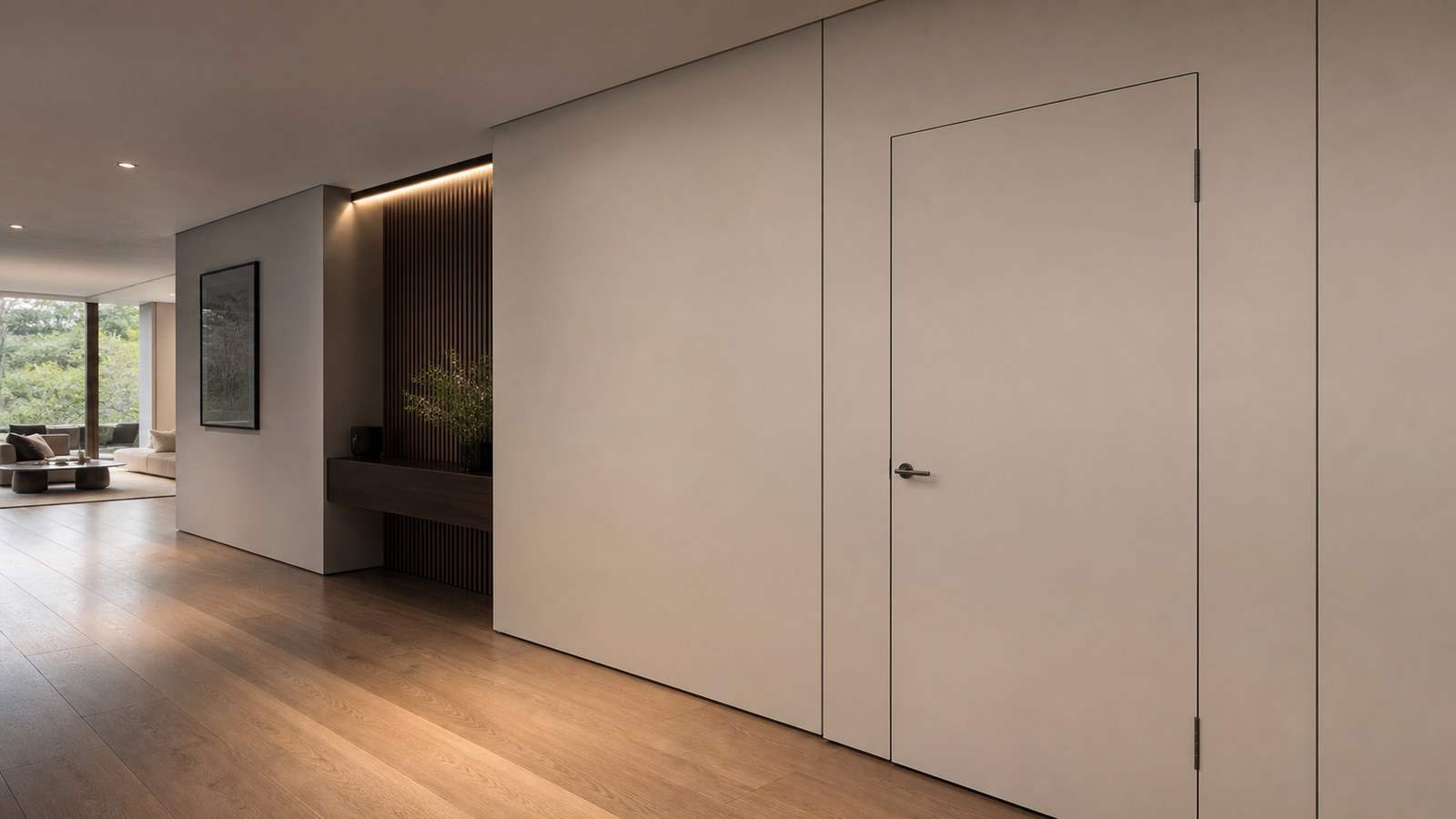
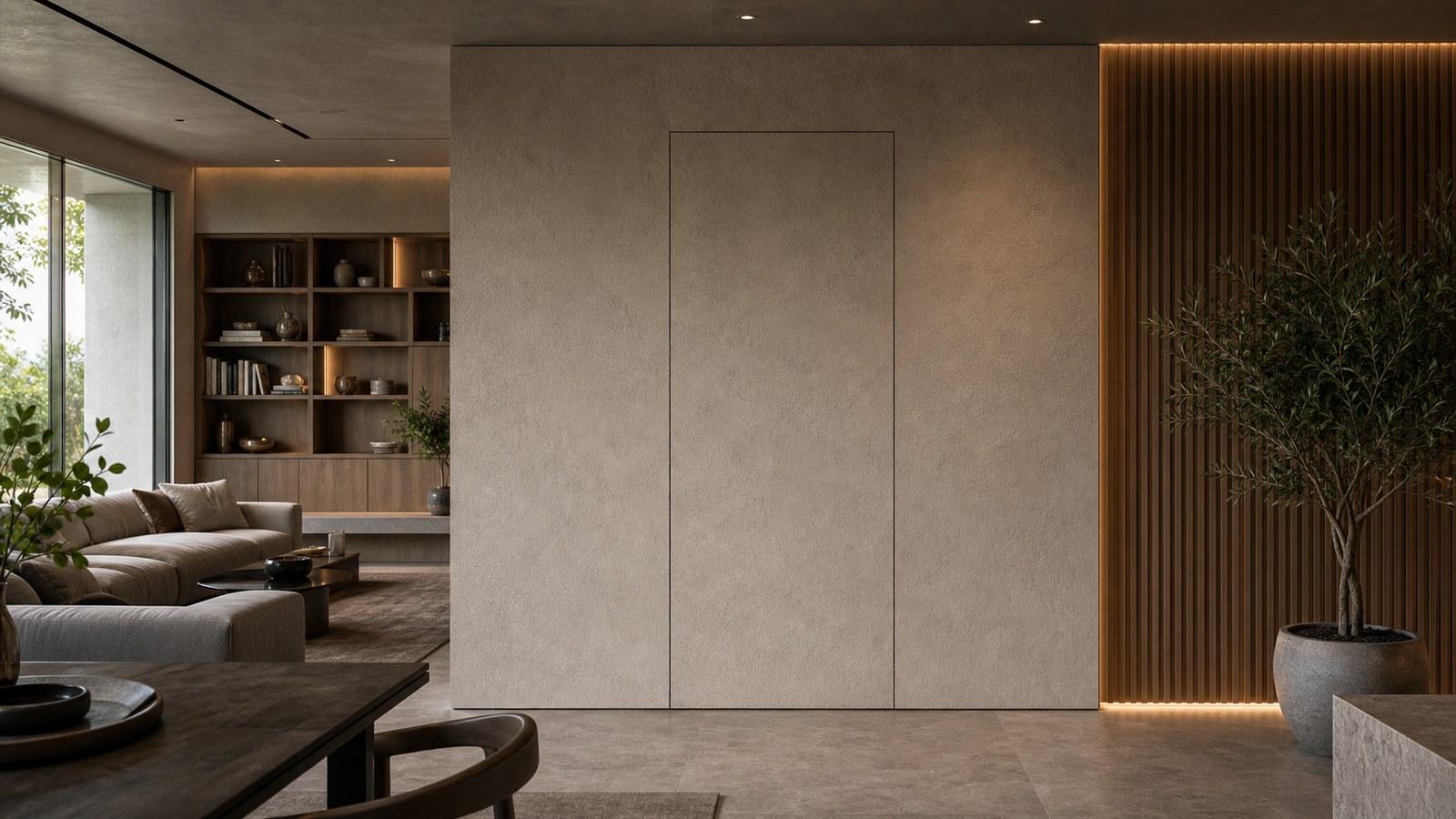
Flush-mount doors are becoming a favorite in modern interior design because they make rooms feel calmer, more continuous, and more intentional.
Flush-mount fire-rated doors can protect life safety while preserving clean architectural walls when rating, hardware, frames, and finishes are planned together.
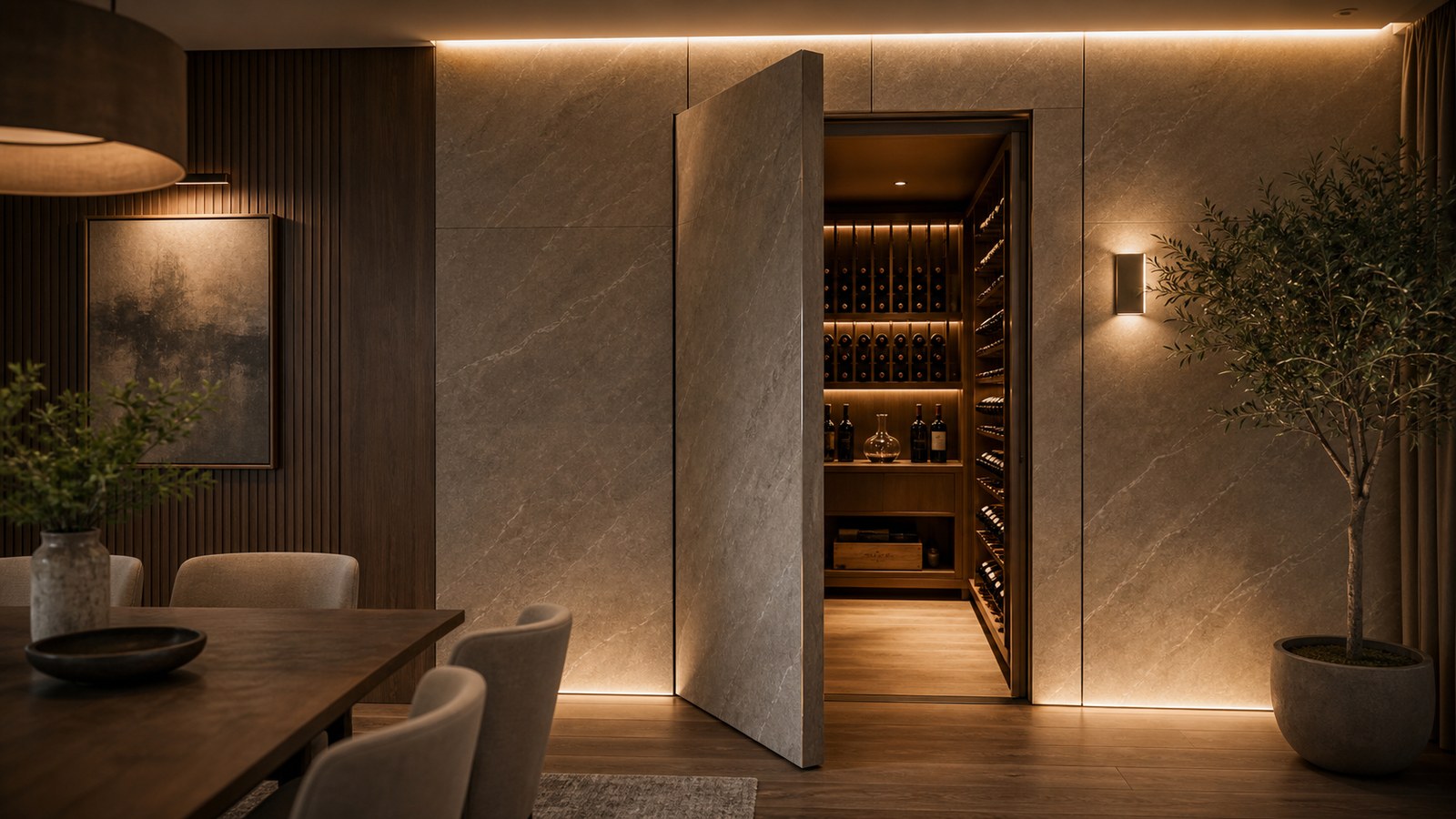
Invisible wine cellar doors add drama and discretion while protecting climate, storage, security, and the atmosphere of a collection.
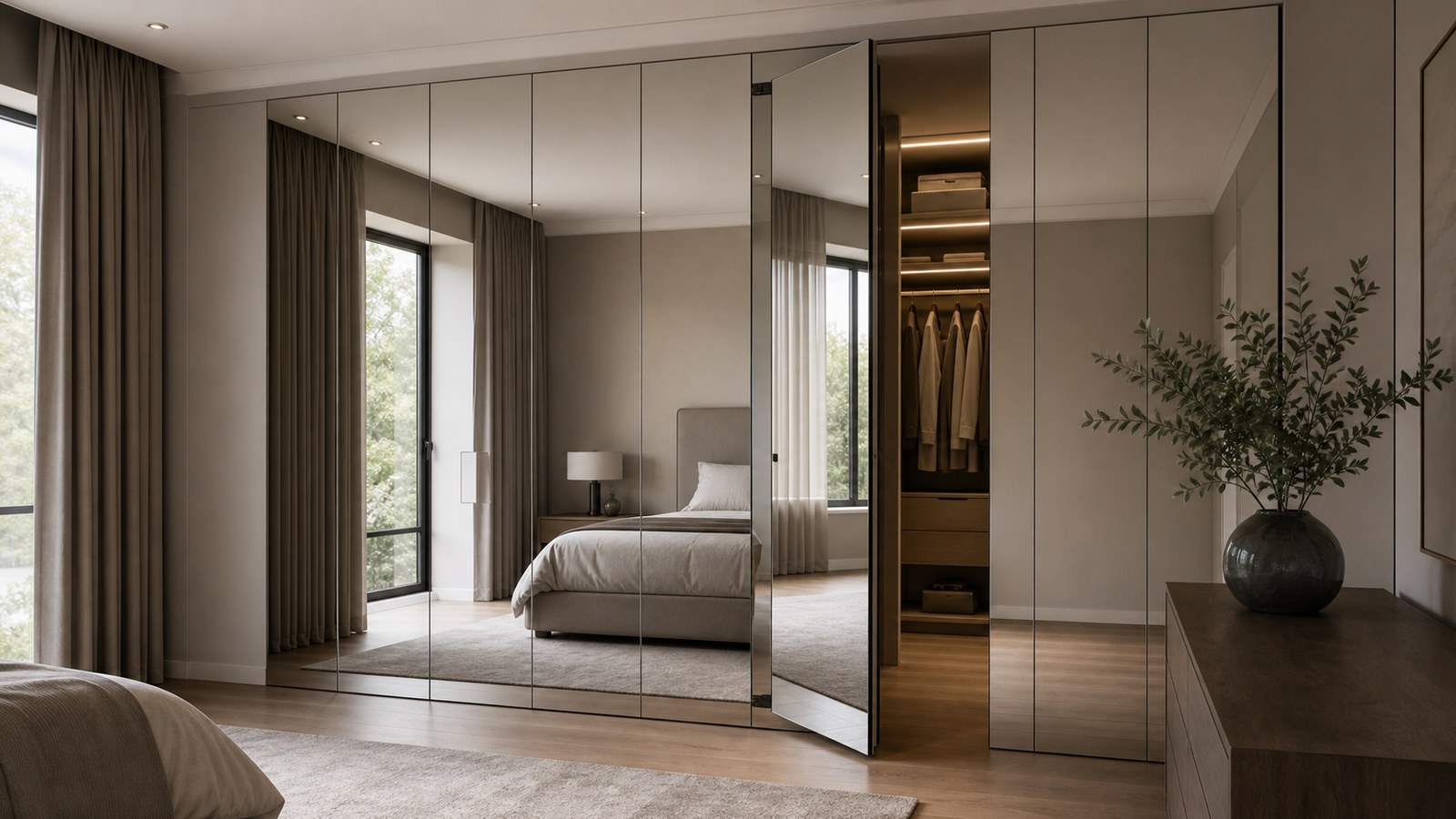
Invisible mirror doors combine concealment, light, storage, and everyday function when they are safely mounted and carefully detailed.
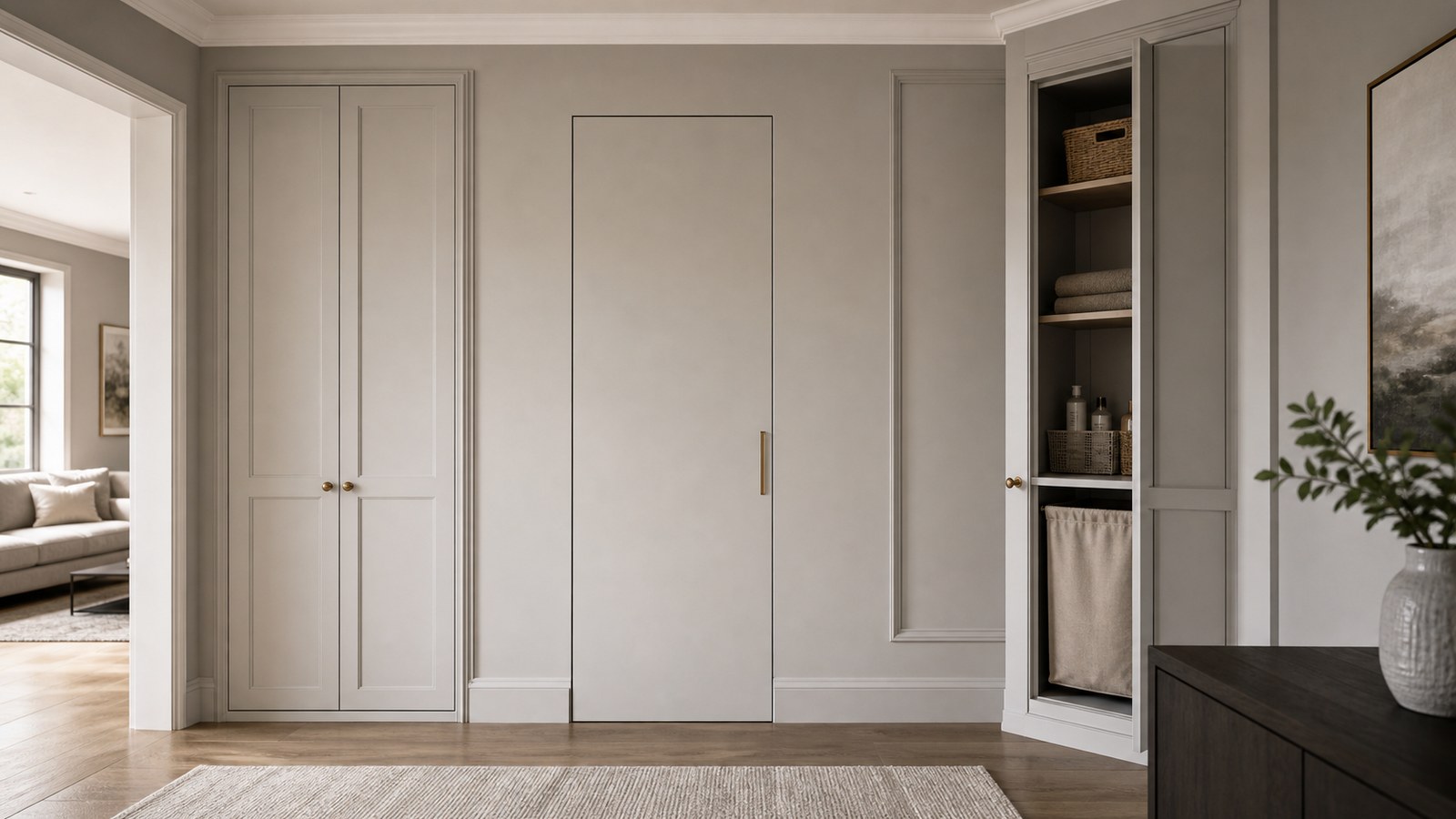
Invisible storage and utility doors hide the hard-working parts of a home while keeping access simple, safe, and organized.
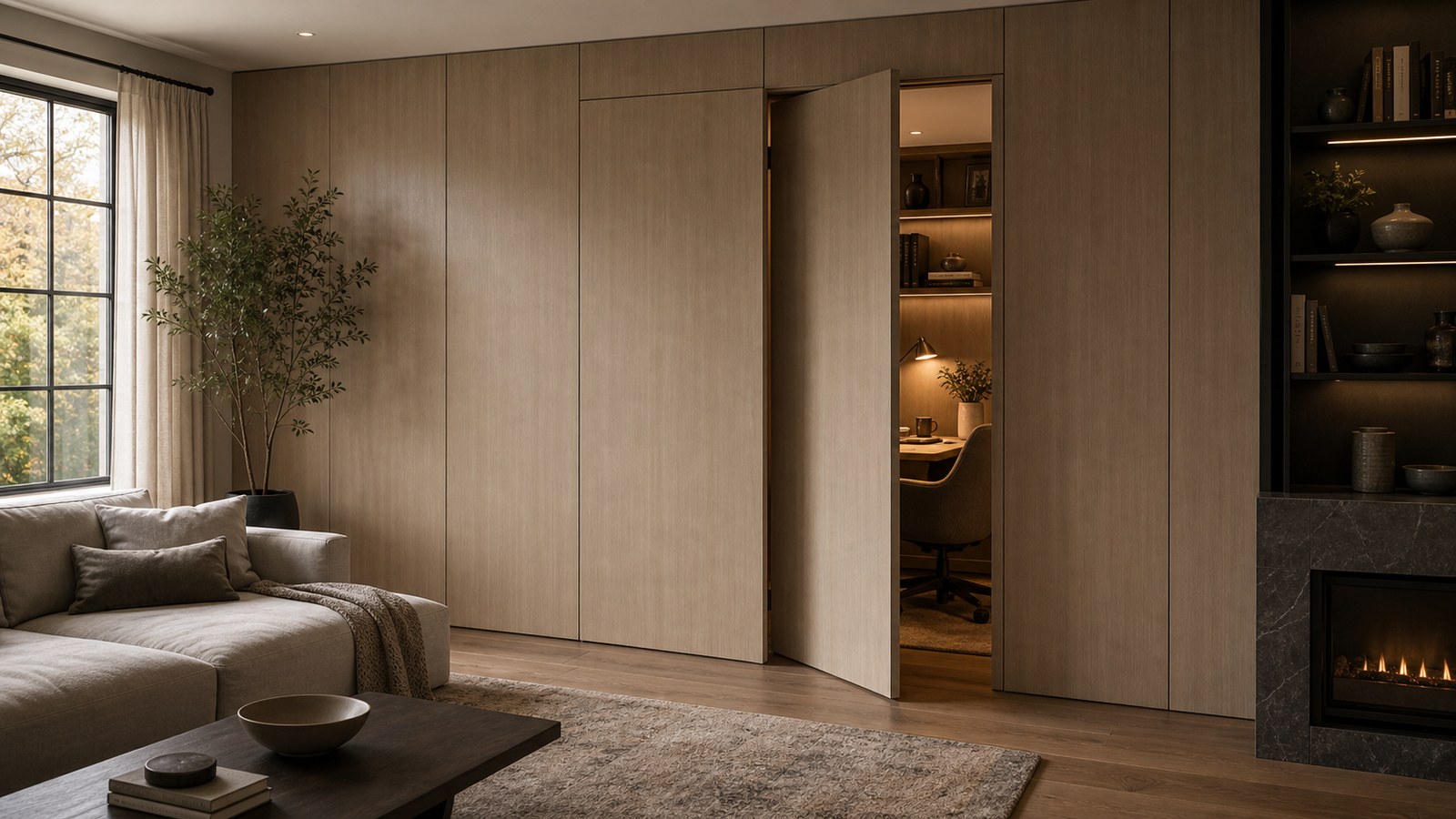
Invisible office doorways help workspaces stay private and productive during the day, then disappear back into the home after hours.
Invisible doors are moving from novelty to mainstream interior design, helping homes feel cleaner, calmer, and more flexible.
Concealed mudroom and side-entry doors keep practical household traffic, storage, weather gear, and service access from disrupting the main living spaces.
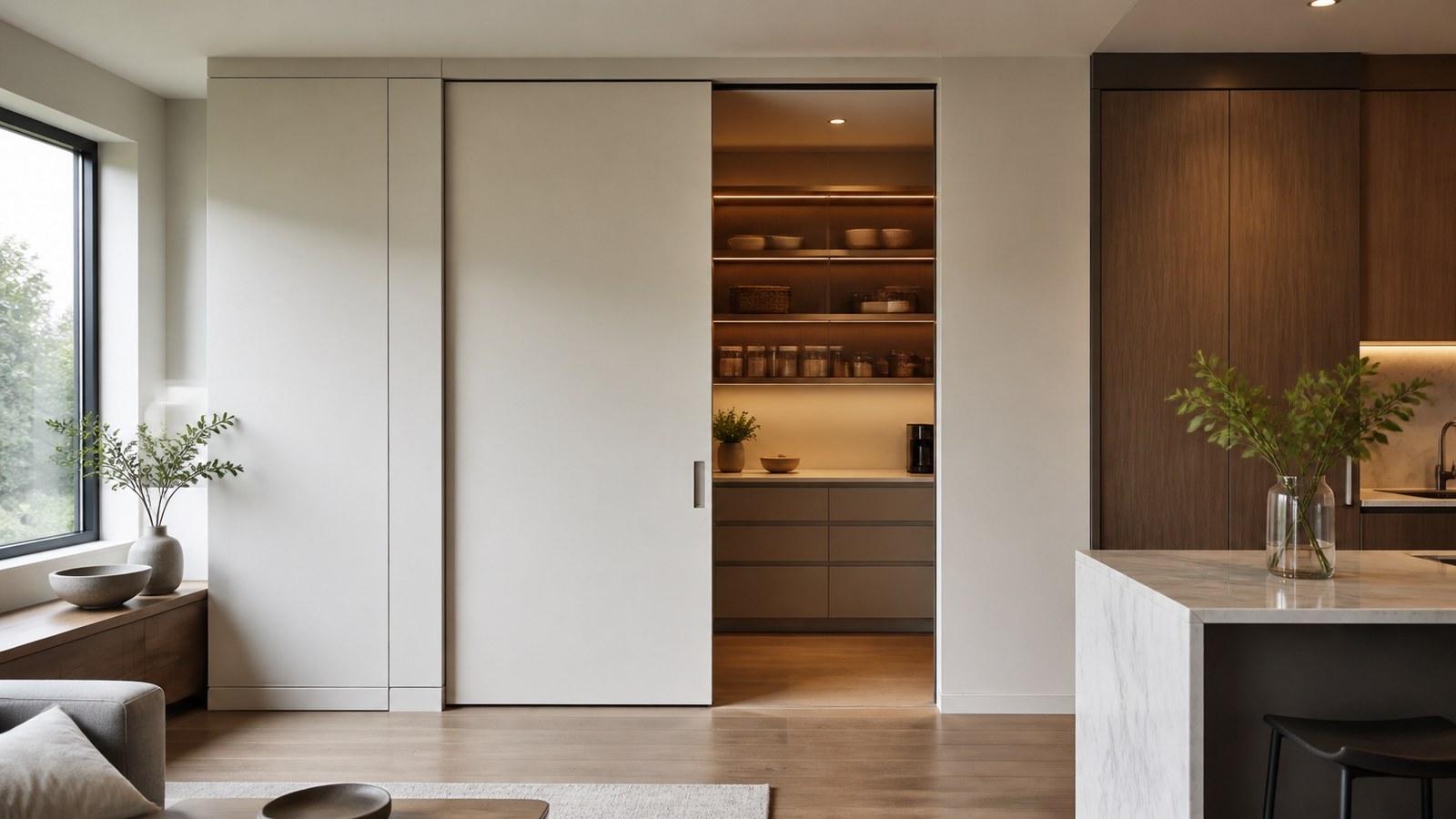
Concealed sliding doors save swing space while keeping walls clean, but they need careful planning for tracks, panels, pockets, hardware, and sound.
Architects use concealed doors to control sightlines, organize materials, protect privacy, and make custom homes feel calmer and more intentional.