Behind palace walls, beneath staircases, and inside seemingly ordinary rooms, history hides its best-kept secrets. Famous hidden doors have shaped royal intrigues, daring escapes, secret meetings, and legendary mysteries—often changing the course of events without ever being seen. These concealed passageways were not just clever architectural tricks; they were tools of power, protection, survival, and secrecy, designed to vanish in plain sight. From secret doors used by kings and queens to slip away unnoticed, to disguised panels hidden behind bookshelves, tapestries, and wall panels, hidden doors reveal how architecture and ingenuity worked hand in hand. Some blended flawlessly into stone walls or wood paneling as invisible or flush-mount doors, while others masked themselves as everyday features—mirrors, cabinets, staircases, or exterior facades. This collection explores the most famous hidden doors in history, uncovering the stories behind concealed doors, invisible entries, hidden interior passages, and cleverly disguised exterior access points. Each category reveals how different cultures and eras mastered the art of secrecy, proving that sometimes the most powerful doors are the ones no one ever notices.
A: Yes, especially in royal, religious, and military architecture.
A: In many documented cases, absolutely.
A: Many are sealed or restricted for preservation.
A: Medieval through Renaissance periods.
A: Rarely—most served a real purpose.
A: Mostly elite or strategic buildings.
A: Limited knowledge and disguised craftsmanship.
A: Yes, renovations often reveal them.
A: Many hidden-door styles are historically inspired.
A: They blend mystery, history, and design.

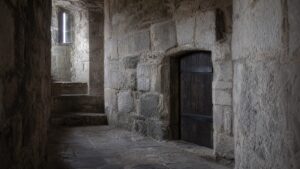
Concealed Doors in Medieval Castles and Fortresses
Concealed doors in medieval castles and fortresses served defense, service, storage, guard movement, postern access, and survival under pressure.
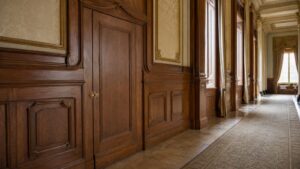
Royal Palaces and Their Hidden Entrances
Royal palaces used hidden entrances and discreet routes to manage privacy, service, ceremony, security, retreat, and the careful theater of power.
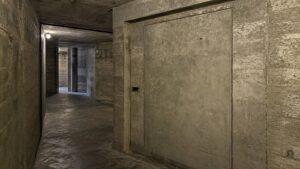
Concealed Doors in World War II Bunkers
Concealed doors in World War II bunkers were shaped by camouflage, blast protection, restricted access, ventilation, supply movement, and survival under attack.

Concealed Doors in Historic Libraries
Concealed doors in historic libraries helped manage collections, staff routes, private studies, rare books, storage, and the quiet order of reading rooms.
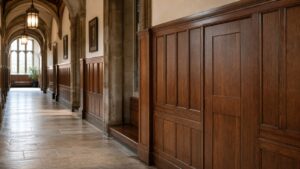
Concealed Entrances in Famous Universities
Concealed entrances in famous universities often reflect campus history, restricted collections, service routes, tunnels, faculty spaces, and student legend.
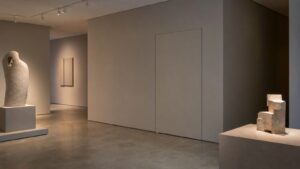
Concealed Entrances in Museums
Concealed entrances in museums help protect collections, guide visitor flow, support staff work, move objects, preserve galleries, and sustain the public experience.
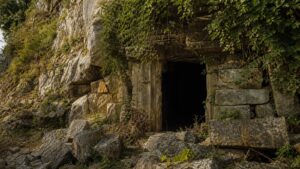
Concealed Entrances in Ancient Mythology
Concealed entrances in ancient mythology appear as cave mouths, underworld gates, divine thresholds, labyrinth routes, and tests of forbidden knowledge.
