
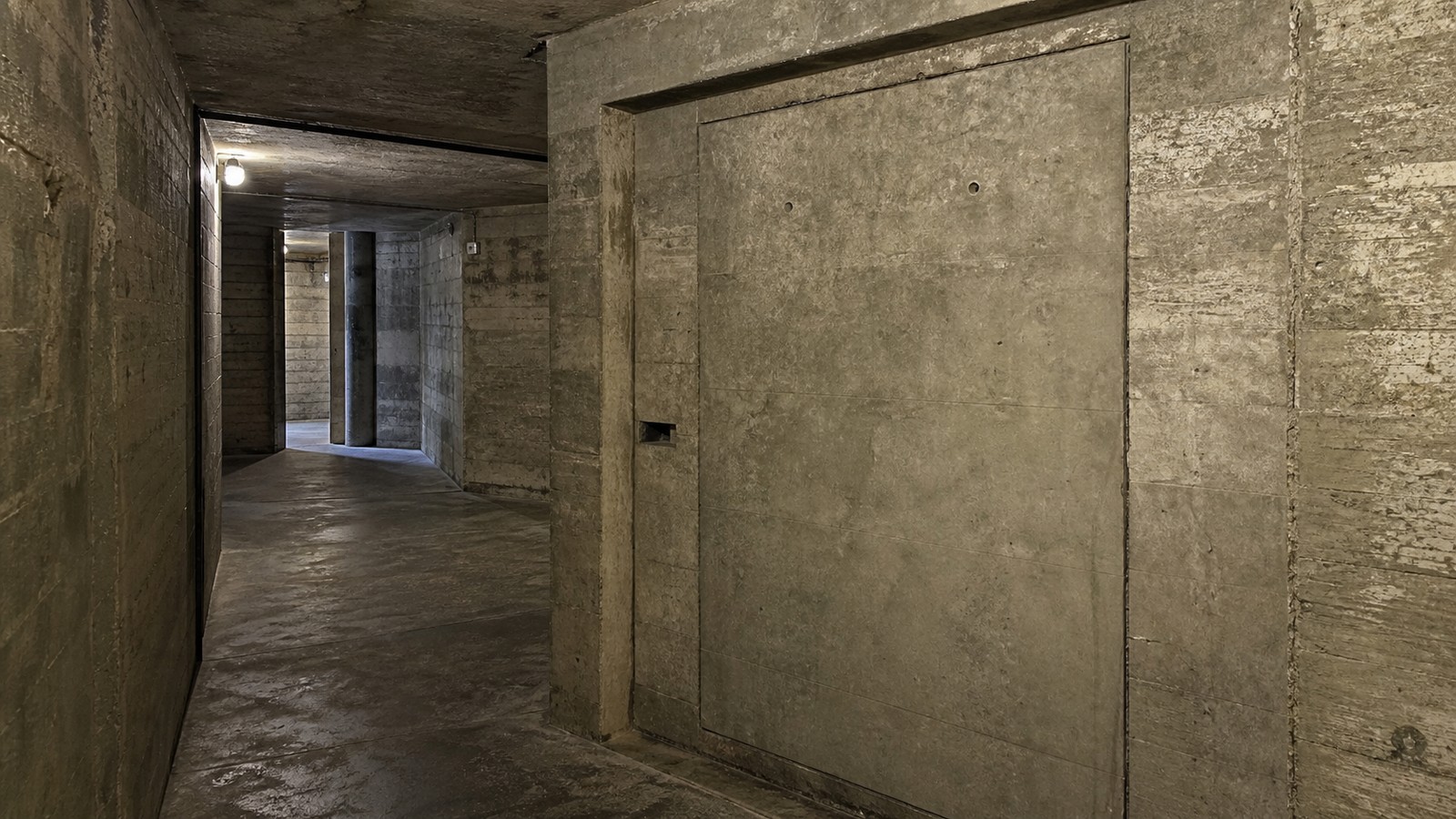
Bunker Doors Hid From Bombs, Eyes, and Assumptions
Concealed doors in World War II bunkers were not decorative secrets. They were practical answers to camouflage, blast pressure, emergency movement, supply control, ventilation, and the need to keep sensitive spaces difficult to identify. A bunker entrance could be hidden by earthworks, foliage, false walls, farm structures, concrete mass, or shadowed turns. Inside, doors could separate command rooms, ammunition stores, shelters, and escape routes. The best way to understand these doors is to see concealment as part of survival engineering rather than cinematic intrigue.
A: They helped protect people, information, supplies, and emergency options.
A: No, some were visible but protected by blast design or controlled access.
A: Terrain, vegetation, false structures, and discipline made entrances harder to detect.
A: Many sites used secondary exits or routes in case main access was blocked.
A: Vegetation, earthworks, and wartime camouflage may be gone.
A: Yes, they managed command areas, smoke, noise, storage, and crowd control.
A: Only when supported by records, physical evidence, or careful site interpretation.
A: Often no; unstable structures, flooding, and hazards require caution.
A: They combined concealment, blast logic, access control, and survival planning.
A: Safety rules, property rights, preservation limits, and wartime history.
Camouflage Began Outside the Door
World War II bunker entrances were often hidden before the door itself ever mattered. Terrain, vegetation, earth cover, decoy structures, and careful placement could make an opening harder to spot from ground level or from the air. A strong door at an obvious entrance was useful, but a strong door at a concealed entrance was better.
Camouflage also had to work with daily access. Soldiers, workers, or civilians still needed to enter, carry supplies, and leave quickly. The door had to balance invisibility with use, which is why many concealed entrances were understated rather than perfectly invisible.
Blast Protection Changed Door Design
A bunker door might need to resist pressure, fragments, fire, smoke, or debris. Heavy steel, reinforced concrete, angled corridors, blast lobbies, and offset entrances could reduce the force reaching occupied rooms. Concealment and protection worked together when an entrance was both hard to find and hard to defeat.
Some doors were not hidden in the visual sense but were protected by turns, recesses, or secondary barriers. The path to the door mattered as much as the slab. A direct opening into a shelter could be dangerous, while a dogleg passage could absorb force and reduce visibility.
This is why bunker doors often feel blunt and severe. They were shaped by pressure, not ornament.
Restricted Access Protected Information
Bunkers could contain command posts, communications equipment, maps, stores, power systems, or shelters. Not every door inside was meant for every person. Concealed or controlled doors helped separate public shelter functions from military or technical areas.
Escape Routes Needed Discretion
Emergency exits, crawl passages, and secondary doors could be lifesaving if the main entrance was blocked. These routes had to be hidden enough to avoid enemy discovery but clear enough for authorized users to find under stress. That tension made design and training equally important.
A concealed escape door is useless if the people inside cannot locate it quickly. Bunker secrecy therefore depended on procedure: who knew the route, how it was marked privately, and how it would be opened when smoke, darkness, or rubble changed the conditions.
Ventilation Openings Could Disguise Access Logic
Bunkers needed air. Vent shafts, ducts, grilles, and service openings could sit near concealed routes or help explain odd exterior forms. A hidden door might be integrated with the same earthworks or concrete features that protected air systems.
Ventilation also created vulnerabilities. Openings had to be protected from blast, gas, water, and discovery. Concealed doors in bunkers were part of a broader network of hidden building systems, not isolated tricks.
The practical complexity of those systems is easy to miss in abandoned bunkers, where ducts, doors, and equipment may have been removed.
Supply Movement Shaped Secondary Doors
A bunker that stored ammunition, fuel, food, medical supplies, or communications equipment needed controlled movement. Secondary doors could help move supplies without exposing the main entrance or disrupting occupied areas. Some routes may have been visually plain to avoid drawing attention.
Interior Doors Managed Fear and Order
Inside a bunker, doors separated noise, smoke, crowds, equipment, and command functions. A concealed or restricted interior door could protect a critical room from panic or confusion. Access control was part of keeping the bunker functional under stress.
Not every hidden door was about enemies outside. Some were about managing the people inside. War architecture had to account for human behavior as well as weapons.
Modern Ruins Can Make Concealment Hard to Read
After decades of abandonment, cleared vegetation, missing camouflage, rusted fittings, removed earth cover, and open tourist access can make bunker doors look obvious. A concealed entrance may no longer be concealed because the landscape that hid it has changed.
Preservation can also reveal or obscure evidence. Some doors are restored, some are sealed, and some are removed for safety. The present-day view should not be mistaken for wartime visibility.
Interpreting bunker concealment requires imagining the wartime landscape, not only the surviving concrete.
Legends Grow Around Wartime Doors
World War II sites attract stories of secret command rooms, escape tunnels, hidden stores, and sealed bunkers. Some are grounded in real military secrecy; others grow from abandoned spaces and missing records. The best approach is to separate documented features from rumor while respecting why the rumors feel plausible.
Concealment Was Only One Layer of Defense
A hidden bunker door did not stand alone. Guards, passwords, patrols, camouflage discipline, construction secrecy, reinforced walls, blast design, and operational rules all mattered. The door was one threshold in a defensive system.
This layered thinking makes bunker doors more interesting. A concealed entrance could fail if tracks led to it, if smoke revealed it, or if routines made it obvious. The architecture worked only when behavior supported it.
Preserved Bunker Doors Deserve Caution
Many wartime bunkers are unsafe, protected, privately owned, or historically sensitive. Concealed doors may lead to unstable spaces, flooded chambers, or hazardous materials. Curiosity should never override safety, property rights, or preservation rules.
The safest way to appreciate these doors is through authorized visits, documented studies, and respectful interpretation. They are not just adventure settings; they are wartime artifacts tied to fear, strategy, and loss.
That respect changes the tone. A concealed bunker door is fascinating because it shows how architecture responded to danger. It should be treated as evidence, not a challenge.
Logistics Left Quiet Clues
One of the most revealing ways to read a bunker door is to ask what had to pass through it every day. Ammunition crates, stretchers, radio equipment, food, water, batteries, fuel containers, and repair tools all demanded routes that could work under pressure. A hidden door could not be so narrow, fragile, or awkward that it trapped the very people it was meant to protect. The best concealed bunker access often looks plain because plainness helped it survive routine use.
Civilian Shelters Had Different Priorities
Not every World War II bunker was a military command post. Civilian shelters, industrial shelters, railway shelters, and coastal defenses each had different door problems. A public shelter needed crowd movement and recognizable emergency procedures, while a command bunker needed tighter control and more secrecy.
Those differences shaped concealment. A civilian entrance might be visually modest rather than deeply hidden, because people had to find it quickly during an air raid. A military secondary door could be far more discreet, because only trained users needed to know the route. The same wartime fear produced very different thresholds.
Light, Sound, and Tracks Could Betray Access
Concealing a bunker door was not only a matter of hiding the panel. Light leaking from a crack, repeated footprints through grass, vehicle ruts, smoke, voices, or condensation could reveal a supposedly hidden entrance. Wartime concealment depended on controlling the entire approach, not only the construction detail.
That is why discipline mattered as much as design. People had to avoid creating paths, leaving equipment outside, opening doors carelessly, or using the same exterior routine so often that it became visible. A door could be engineered well and still be exposed by habit.
When visitors see a bunker today, those behavioral clues are usually gone. The surviving concrete may be silent, but the original concealment included movement, schedules, and human attention.
Modern Hidden Rooms Can Learn From Bunkers
Modern concealed doors rarely face wartime threats, yet bunker design still offers a useful lesson: the hidden door should support the actual purpose of the room behind it. A disguised entrance to a safe room, storage area, studio, or mechanical space has to consider access, ventilation, emergencies, and repeat use. The most convincing secret is not the one with the cleverest seam; it is the one whose whole route makes sense.
Maps and Memory Had to Match
In wartime, a hidden entrance needed to be documented enough for authorized people and obscure enough to protect the site. That created a delicate relationship between maps, orders, training, and memory. Too much documentation could become dangerous if captured; too little could make the door useless in an emergency.
The practical answer was often controlled knowledge. Certain personnel knew specific routes, while others understood only the parts of the bunker they needed. A concealed door therefore reflected a chain of trust as much as a construction choice.
After the War, Doors Changed Meaning
Once a bunker lost its military role, its concealed doors could become storage access, blocked hazards, museum features, sealed ruins, or local legends. A threshold built for fear might later become a curiosity on a walking tour. That change of meaning can make the same door feel both heavy and strangely ordinary.
Some postwar changes also confuse interpretation. Removed equipment may make a service door look mysterious, while modern locks can make a preserved entrance seem more secret than it was. The visitor has to separate wartime purpose from later adaptation.
This layered history is part of the appeal. Bunker doors do not freeze in 1945; they keep gathering meanings as landscapes, politics, and memory change around them.
Concealment Was a Form of Time
A hidden bunker door bought time: time to avoid detection, time to move people, time to secure information, time to survive an attack, and time to choose the next action. Seen that way, concealment was not only about invisibility. It was a way of slowing danger long enough for human decisions to matter.
That is why even a plain, undecorated bunker threshold can feel so charged. Its value was measured in seconds, confusion, and options rather than beauty. The hidden door turned architecture into a delay tactic, and delay could be a form of protection.
The Bunker Door Was a Survival Threshold
Concealed doors in World War II bunkers remind us that hidden architecture can be deadly serious. These doors protected people, information, supplies, and options when the outside world was dangerous. They were not built to entertain; they were built to delay discovery, manage force, and preserve function.
That purpose gives them a different emotional weight from domestic hidden doors. A bunker door hidden in earth or concrete speaks of anxiety, discipline, and planning under threat. Its secrecy was practical, and that practicality is what makes it memorable.
The lasting lesson is not that every bunker had a spectacular secret entrance. It is that wartime architecture treated every threshold as a problem of time, force, information, and fear. Concealed doors gave people another margin, however small, in circumstances where margins could decide whether a room remained useful.
For that reason, the most modest bunker doorway can be the most revealing one. It shows how survival often depended on small architectural decisions repeated with discipline.


