Few animated franchises have influenced mystery storytelling as much as Scooby-Doo. Since its debut in 1969, the series has delighted audiences with spooky castles, abandoned amusement parks, eerie mansions, and—perhaps most memorably—secret passageways hidden behind bookshelves, portraits, and trapdoors. These concealed routes became more than just plot devices; they evolved into one of the defining tropes of animated mystery storytelling. The secret passage trope in Scooby-Doo blends suspense, comedy, and visual storytelling. While the villains hide their schemes behind sliding walls and hidden corridors, the gang stumbles through them in hilarious chase sequences. The result is a storytelling formula that feels both mysterious and playful, turning secret architecture into a stage for adventure. Over the decades, this trope has become deeply tied to the identity of the show and continues to influence cartoons, films, games, and even real-world escape room design.
A: No, but the show popularized them in animated mysteries.
A: They help create supernatural illusions and escape quickly.
A: Some luxury homes and themed spaces include them.
A: The rotating bookshelf is one of the most recognizable.
A: It creates visual humor and fast-paced action.
A: Yes, they are a popular design element.
A: Many mystery and adventure cartoons still feature hidden passages.
A: They create surprise, discovery, and playful mystery.
A: Discovering the hidden corridor or mechanism.
A: They combine architecture, mystery, and adventure.
The Origins of Secret Passages in Mystery Fiction
Long before Scooby-Doo appeared on television screens, secret passages were a staple of mystery and gothic storytelling. Classic novels and films frequently used hidden hallways, rotating bookcases, and trapdoors to create intrigue and tension. These concealed spaces symbolized the idea that behind ordinary walls could lie hidden truths. Mystery writers of the 19th and early 20th centuries embraced secret passages because they allowed plots to twist in unexpected ways. A villain could disappear instantly, a suspect could secretly spy on others, or an unsuspecting hero might stumble upon a long-buried secret. When animation studios began adapting mystery storytelling for television, these elements translated perfectly into visual gags and suspenseful moments. Scooby-Doo didn’t invent the hidden passage trope, but it perfected it for the cartoon medium. By combining exaggerated physical comedy with classic mystery elements, the show transformed secret corridors from simple storytelling tools into iconic animated moments.
Why Secret Passages Fit Perfectly in Scooby-Doo
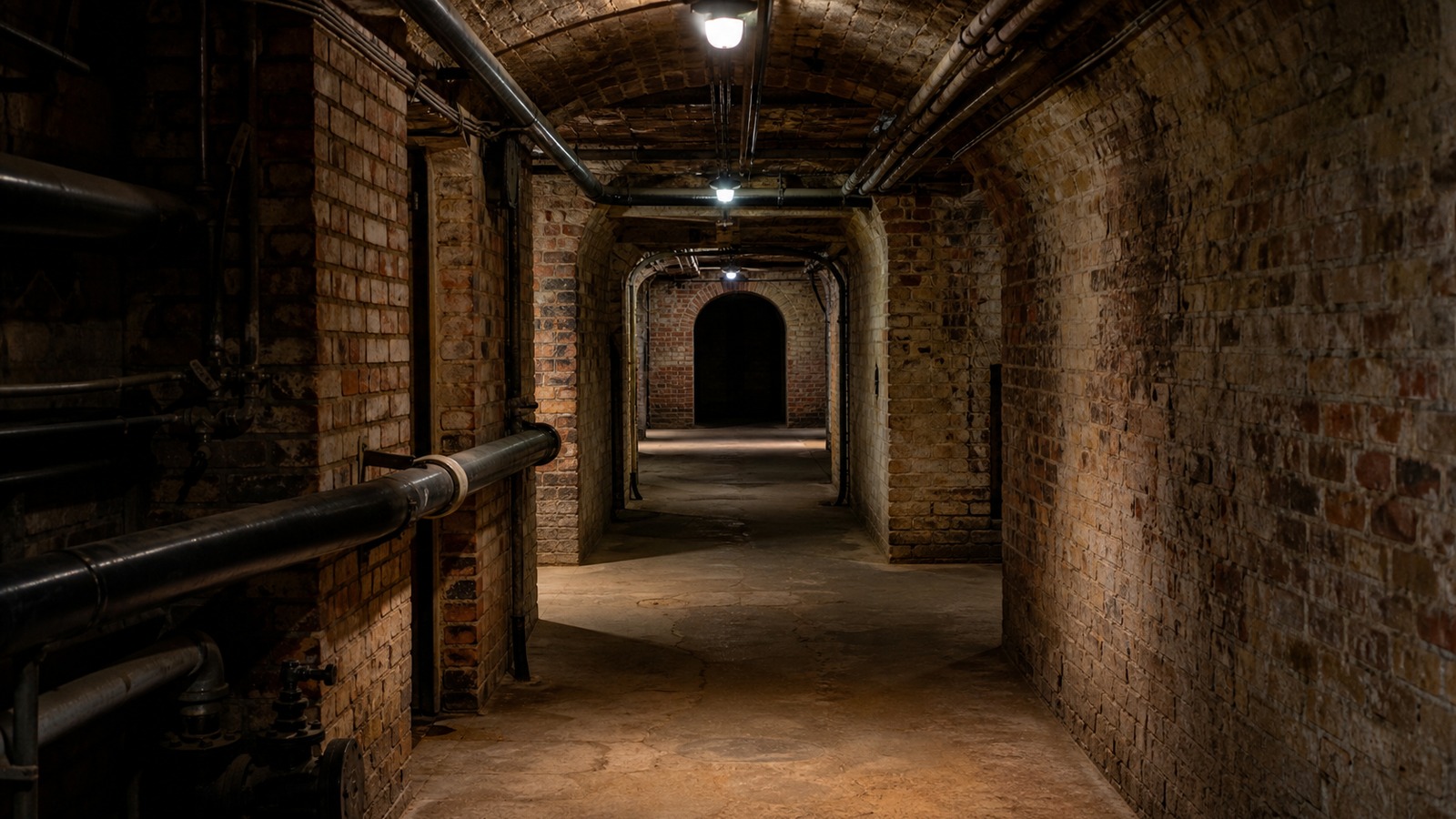
The format of Scooby-Doo revolves around solving mysteries in unusual locations. Each episode typically introduces a strange setting—such as a haunted mansion, museum, carnival, or ghost town—where something suspicious is happening. Secret passageways naturally complement these environments. Hidden corridors allow villains to move around unnoticed, reinforcing the illusion that supernatural forces are at work. A ghost appears in one room and vanishes seconds later in another, leaving the characters confused and frightened. The audience eventually learns that secret architecture explains these mysterious movements.
For the Mystery Inc. gang, discovering these passages becomes a crucial step in solving the case. Fred, Velma, Daphne, Shaggy, and Scooby frequently uncover concealed doors that reveal the villain’s trick. This moment is often the turning point in the mystery, where the supernatural illusion begins to unravel. The trope also supports the show’s pacing. Secret passages provide convenient ways for characters to move between scenes, keeping the action dynamic and unpredictable.
The Classic Scooby-Doo Chase Sequence
One of the most recognizable elements of the series is the chaotic chase sequence. During these moments, Scooby and Shaggy often run through a maze of doors, hallways, and hidden passages while being pursued by a monster. The sequence is typically set to energetic music and relies on visual humor rather than dialogue. Secret passages play a crucial role in these scenes. A wall panel suddenly swings open, a staircase rotates, or a bookshelf slides aside, sending characters in unexpected directions. Villains often appear through one hidden door while the gang exits through another, creating comedic timing that keeps audiences entertained. These sequences turned architectural tricks into comedic choreography. The constant opening and closing of doors creates a rhythm that viewers quickly recognize as a signature part of the franchise.
Hidden Doors as a Storytelling Mechanism
Beyond comedy, secret passages serve an important narrative function in Scooby-Doo. They provide logical explanations for seemingly supernatural events. At first, the villain appears to teleport or disappear into thin air. Later, the gang discovers that a hidden door allowed the culprit to move unseen.
This narrative technique reinforces one of the show’s central themes: the supernatural is usually a disguise for human trickery. Ghosts, monsters, and ghouls often turn out to be ordinary criminals using elaborate schemes. Secret passages therefore represent the boundary between illusion and reality. Once the gang finds the hidden corridor, the mystery begins to unravel, and the villain’s plan becomes clear.
Famous Secret Passage Moments in the Franchise
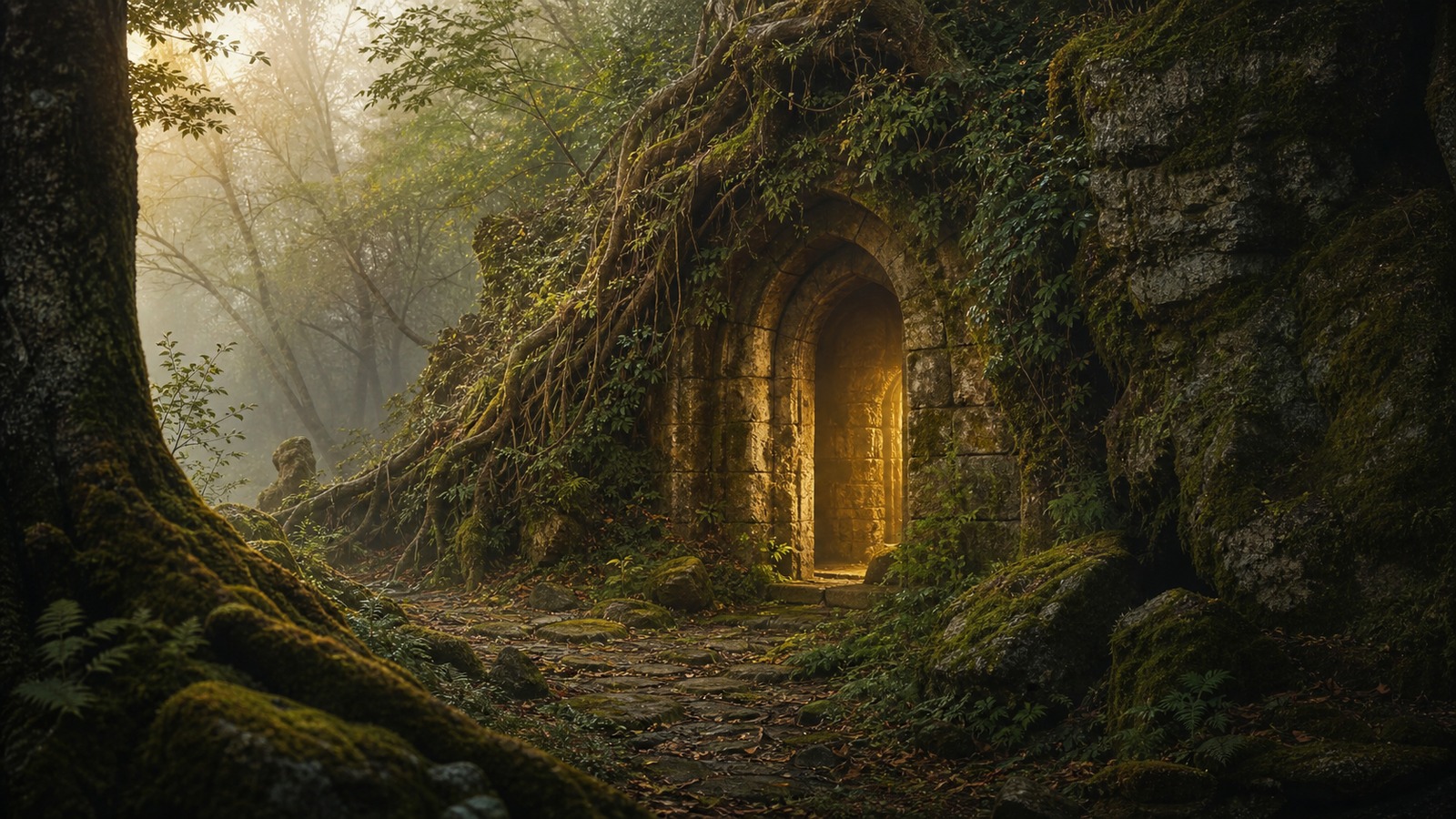
Throughout the many versions of Scooby-Doo, countless memorable scenes have featured hidden doors and secret tunnels. Some episodes revolve almost entirely around discovering concealed architecture within castles, museums, or abandoned mansions. One recurring visual is the bookshelf door. A character pulls a specific book, and the entire shelf rotates to reveal a hidden hallway. Another popular device is the sliding wall panel, which opens silently to expose a secret room.
Trapdoors also appear frequently, dropping unsuspecting characters into underground tunnels. These spaces often lead to hidden laboratories, treasure vaults, or villain hideouts. Each variation reinforces the idea that the environment itself is part of the mystery. The buildings in Scooby-Doo are rarely what they appear to be.
The Role of Architecture in Animated Mystery
Animation allows exaggerated environments that would be difficult to replicate in live action. Scooby-Doo takes advantage of this flexibility by designing buildings filled with secret compartments and improbable hallways.
Haunted mansions stretch endlessly with twisting corridors. Museums contain hidden staircases behind display cases. Even ordinary houses can conceal elaborate tunnel systems beneath the floor. These exaggerated spaces make the mysteries feel larger than life. The architecture becomes almost a character itself, full of surprises waiting to be discovered.
How the Trope Influenced Other Cartoons
The success of Scooby-Doo helped popularize the secret passage trope in animated storytelling. Later cartoons adopted similar devices, especially in mystery or adventure genres. Hidden doors became shorthand for intrigue and suspense.
Shows featuring detectives, explorers, or treasure hunters frequently include concealed rooms or tunnels inspired by the formula perfected by Scooby-Doo. Even comedic cartoons use the trope for slapstick sequences involving rapidly opening doors or collapsing walls. The influence extends beyond television. Animated films, video games, and theme park attractions often incorporate hidden passageways to evoke the same sense of playful mystery.
Secret Passages and the Illusion of the Supernatural
One of the most fascinating aspects of Scooby-Doo is its commitment to rational explanations. The villains rely on secret architecture to create supernatural illusions. A glowing ghost might vanish through a concealed door. A “haunted” statue might rotate to reveal a hidden control panel. Strange noises may echo through ventilation shafts connecting secret corridors. By revealing these tricks, the show teaches viewers that mysteries often have logical solutions. The discovery of hidden passages symbolizes the moment when fear gives way to understanding.
Why Audiences Love the Secret Passage Trope
Secret passages tap into a universal childhood fantasy: the idea that ordinary spaces might contain hidden worlds. Many viewers remember exploring closets, attics, or basements while imagining secret doors leading somewhere unexpected. Scooby-Doo brings this fantasy to life through animation. The characters constantly discover hidden routes that transform familiar buildings into labyrinths of adventure.
This sense of discovery keeps audiences engaged. Every new episode invites viewers to look closely at the environment and wonder where the next hidden door might appear.
Secret Passages in Modern Mystery Media
Although the original series aired decades ago, the secret passage trope remains popular in modern storytelling. Contemporary mystery shows, films, and games still use concealed doors to create suspense.
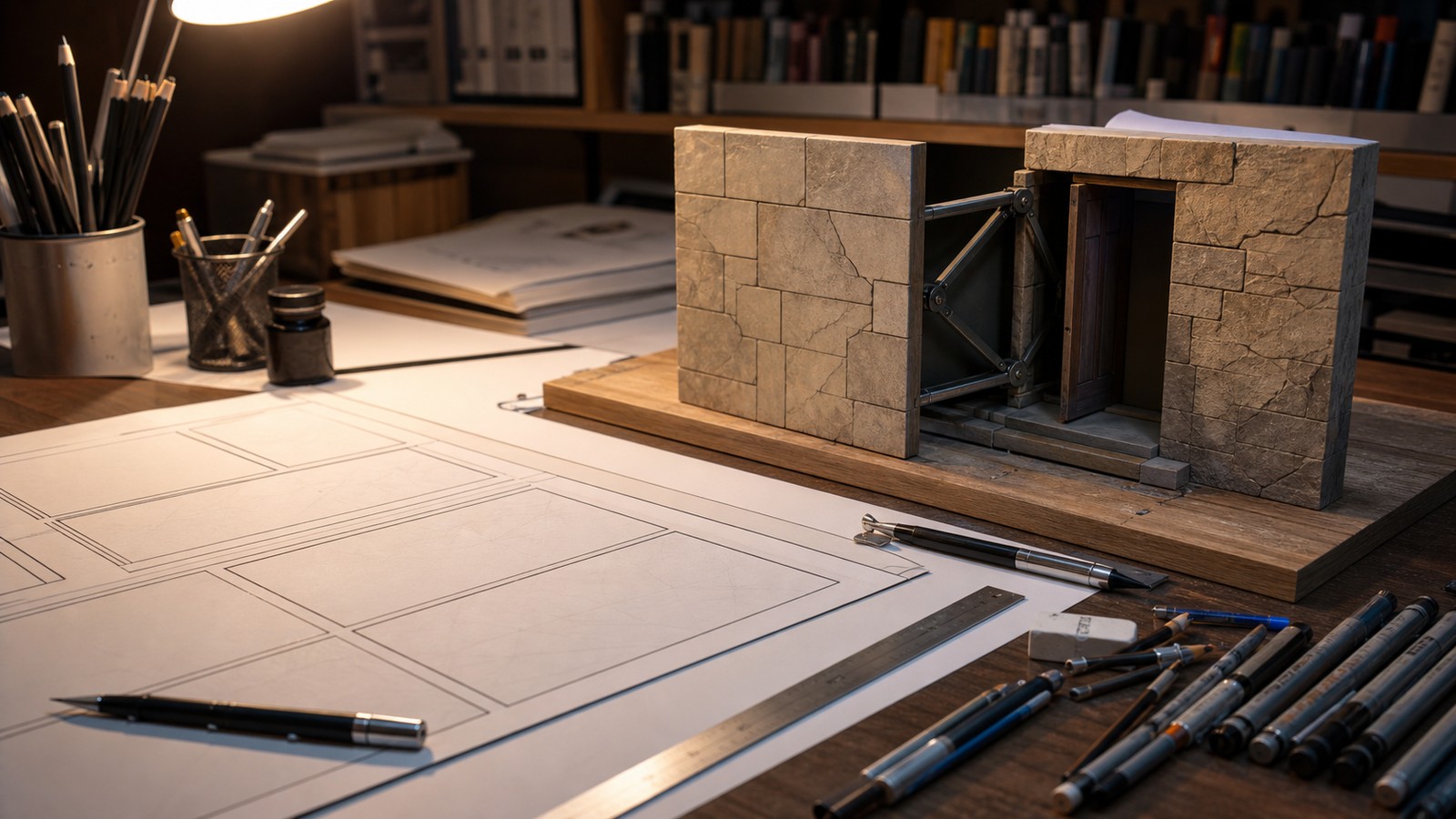
Escape rooms and immersive attractions often feature sliding walls, rotating panels, or hidden compartments inspired by classic mystery fiction. Many of these designs echo the playful style seen in Scooby-Doo. The trope continues to evolve with new technology. Electronic triggers, motion sensors, and automated panels allow hidden doors to operate more dramatically than ever before.
The Enduring Legacy of Scooby-Doo’s Secret Passages
More than fifty years after its debut, Scooby-Doo remains one of the most recognizable mystery franchises in animation. The show’s formula—spooky setting, disguised villain, and hidden passageways—has proven timeless. Secret corridors became an essential visual language of the series. They provide suspense, humor, and the final clue needed to expose the culprit. For generations of viewers, these concealed spaces represent the thrill of discovery. Behind every wall might be a hidden hallway, and behind every mystery might be a clever trick waiting to be uncovered. In the world of Scooby-Doo, the greatest secrets are rarely supernatural. They are simply hidden behind the right door.