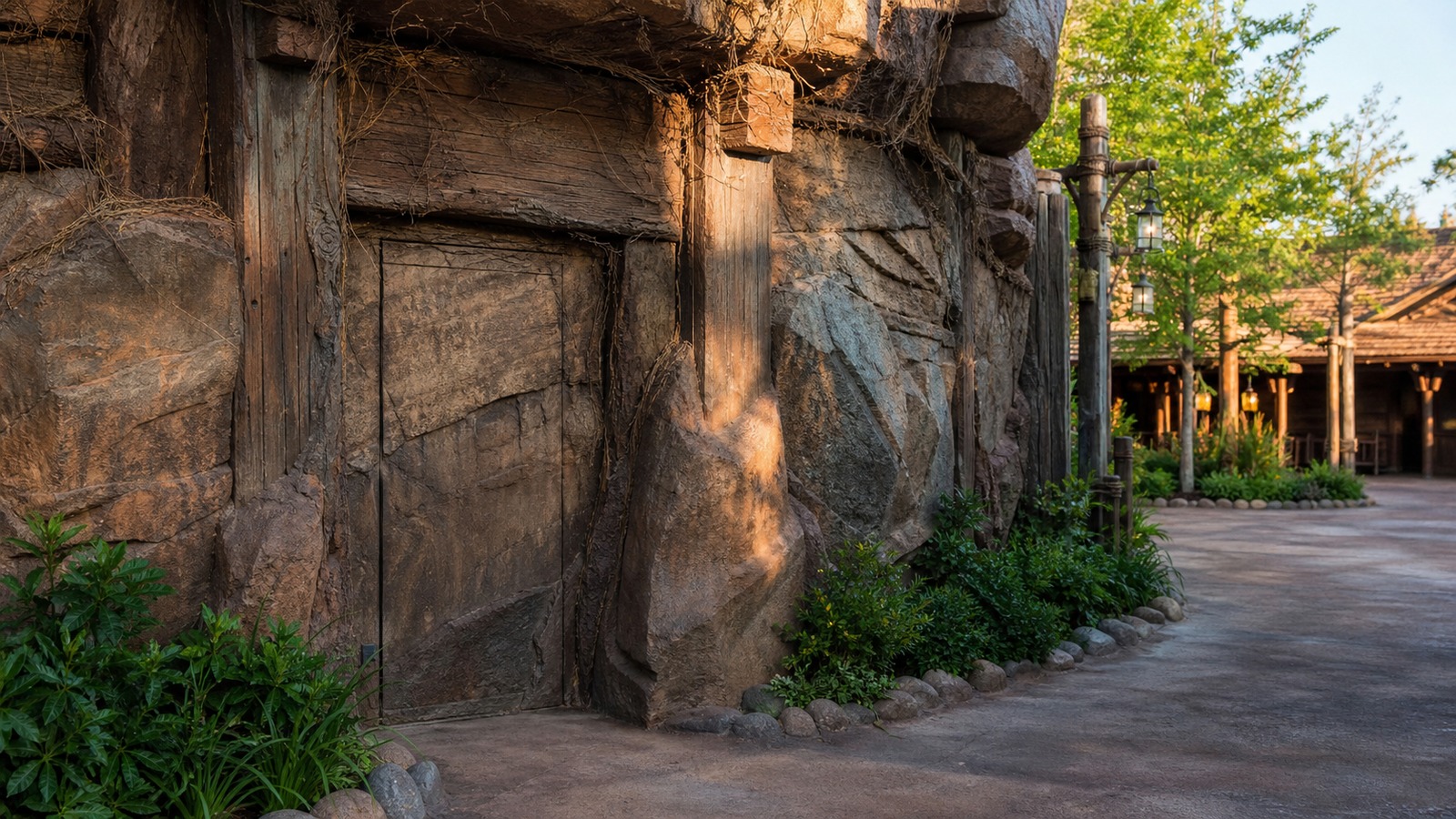
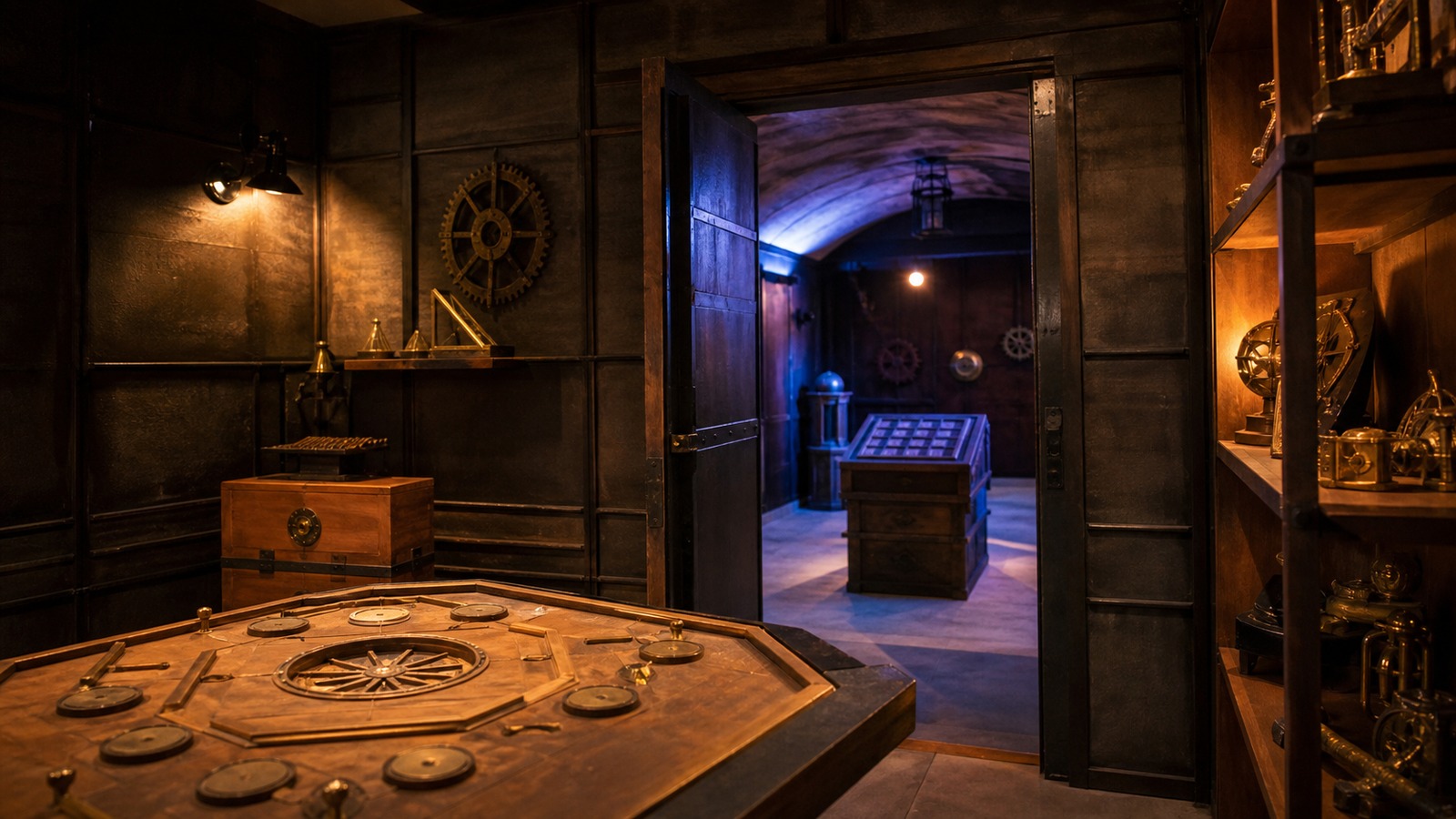
Few elements in fantasy role-playing games capture imagination quite like the discovery of a hidden passage. In worlds inspired by Dungeons & Dragons, secret doors are more than architectural curiosities—they are narrative devices, puzzle mechanisms, and storytelling catalysts. They reward curiosity, punish carelessness, and transform static environments into living, breathing worlds full of mystery. From ancient stone corridors to enchanted libraries that shift at a whisper, secret doors define the magic of exploration.
A: They combine suspense, symbolism, and plot utility in one unforgettable device.
A: No. They appear in historical, Gothic, classic detective, and modern mystery settings.
A: Strong atmosphere, smart clues, and a reveal that changes the meaning of the story.
A: Not always, but they often explain movement, access, or hidden evidence.
A: The pleasure comes from the discovery, the details, and what the reveal changes.
A: Deception, buried history, private power, hidden guilt, and the collapse of appearances.
A: They often begin with Gothic atmosphere and end with detective logic.
A: Drafts, odd floor plans, strange sounds, worn carpet, and unexplained movement.
A: The building becomes part of the mystery, holding secrets like a living archive.
A: They promise that the truth lies just beyond the visible world.
The Allure of the Hidden Path
Secret doors tap into a universal sense of wonder. Players are drawn to the idea that there is always more beneath the surface, something unseen waiting to be uncovered. In RPGs, this creates a dynamic tension between what is known and what might exist just beyond perception. The moment a hidden seam in a wall is revealed or a bookshelf swings open is a payoff for attention, intuition, and roleplaying. Unlike obvious doors that guide players forward, secret doors offer choice. They can lead to shortcuts, hidden treasures, dangerous traps, or entirely new story arcs. This unpredictability is what makes them essential in dungeon design. They allow game masters to reward exploration without forcing linear progression, giving players the sense that their decisions genuinely shape the world.
Classic Dungeon Design Inspirations
Traditional dungeon design in fantasy RPGs often includes secret doors as a core feature. Early dungeon modules were filled with concealed passages that required players to describe their actions in detail. Tapping walls, inspecting carvings, or searching for drafts were all part of the gameplay experience. These mechanics encouraged immersion and creativity.
Stone blocks that slide silently, pressure plates hidden beneath worn tiles, and rotating walls disguised as murals are classic examples. These designs were not just about concealment but about interaction. A secret door might only open when a specific statue is turned or when a riddle is solved. These elements transform simple exploration into an engaging puzzle-solving experience. Over time, these concepts evolved into more sophisticated designs. Magical triggers replaced mechanical ones, illusions masked entire corridors, and living environments reacted to player presence. Yet the core idea remained the same: discovery should feel earned.
Magical Mechanisms and Arcane Triggers
Fantasy settings allow secret doors to transcend physical limitations. Magic introduces an entirely new layer of possibility, turning ordinary walls into dynamic, responsive elements. In many RPG settings, doors may only appear under certain conditions—when a spell is cast, when a specific phrase is spoken, or when a character carries a particular artifact. Arcane locks, illusionary walls, and portals disguised as reflections are common examples. A wizard’s study might contain a doorway that only reveals itself under moonlight, while a cursed dungeon might shift its layout depending on who enters. These magical mechanisms add depth to world-building and reinforce the idea that the environment itself is part of the story. The beauty of magical secret doors lies in their unpredictability. Unlike mechanical systems, they can behave in ways that defy logic, keeping players constantly engaged and curious.
Narrative Power: More Than Just Hidden Rooms
Secret doors are not just functional—they are narrative tools. They can reveal hidden histories, secret alliances, or forgotten lore. A concealed chamber might contain evidence of a long-lost civilization, while a hidden passage could connect two rival factions in unexpected ways. Game masters often use secret doors to introduce plot twists. A seemingly straightforward dungeon may hide a deeper conspiracy, accessible only through careful exploration. These hidden elements allow for layered storytelling, where the most important details are not immediately visible.
In many cases, secret doors also serve as symbols. They represent secrecy, power, and knowledge. Discovering one can feel like gaining access to something forbidden or exclusive, enhancing the emotional impact of the experience.
Player Psychology and the Joy of Discovery
The effectiveness of secret doors is deeply tied to player psychology. Humans are naturally curious, and the idea that something might be hidden triggers a desire to investigate. RPGs leverage this instinct by rewarding thorough exploration.
When players find a secret door, it reinforces positive behavior. It tells them that paying attention matters, that the world is interactive, and that their actions have consequences. This creates a feedback loop that encourages deeper engagement. At the same time, secret doors introduce an element of risk. Not every hidden passage leads to treasure—some lead to danger. This balance between reward and risk keeps players on edge, making each discovery meaningful.
Designing Memorable Secret Doors
Creating compelling secret doors requires more than simply hiding an entrance. The best designs integrate seamlessly into the environment while offering clues that attentive players can notice. Subtle details such as uneven stonework, faint drafts, or unusual sounds can hint at hidden features.
Variety is also important. Not all secret doors should function the same way. Some might require physical interaction, while others depend on solving puzzles or using specific abilities. This diversity keeps gameplay fresh and prevents predictability. Another key aspect is consequence. A secret door should lead to something worthwhile, whether it’s a shortcut, a hidden cache, or a new storyline. Even if the outcome is dangerous, it should feel intentional and rewarding.
Inspirations from Iconic Campaign Settings
Many well-known RPG settings have their own unique takes on secret doors. In high-fantasy worlds, ancient ruins often contain elaborate mechanisms designed by long-forgotten civilizations. In darker settings, hidden passages may be used for espionage or survival.
Urban environments offer a different perspective. Secret doors in cities might be hidden behind tavern walls, beneath marketplaces, or within noble estates. These designs emphasize intrigue and social dynamics rather than pure exploration. Even natural environments can feature secret entrances. Waterfalls that conceal caves, tree trunks that open into hidden sanctuaries, and cliffs with hidden ledges all demonstrate how secret doors can blend into the landscape.
The Evolution of Secret Doors in Modern RPGs
Modern RPGs have expanded the concept of secret doors beyond traditional dungeon crawling. Digital games and advanced tabletop systems now incorporate dynamic environments where hidden paths can change over time. Procedural generation allows for endless variations, ensuring that no two discoveries feel the same. Meanwhile, narrative-driven games use secret doors to deepen storytelling, often tying them to character development or moral choices. Despite these advancements, the core appeal remains unchanged. Players still experience the same thrill of uncovering something hidden, proving that the concept of secret doors is timeless.
Bringing Secret Doors into Your Own Campaign
For game masters, incorporating secret doors into a campaign is an opportunity to enhance immersion and creativity. The key is to think beyond simple concealment and consider how each hidden element contributes to the overall experience. Start by asking why the door exists. Who built it, and for what purpose? What secrets does it protect? Answering these questions helps create a cohesive world where every detail has meaning. It’s also important to balance difficulty. If secret doors are too easy to find, they lose their impact. If they are too difficult, players may become frustrated. Providing subtle clues ensures that discovery feels satisfying rather than arbitrary.
The Enduring Magic of the Unseen
Secret doors endure because they embody the essence of fantasy: the idea that there is always more to discover. They transform environments into puzzles, stories into mysteries, and exploration into adventure. Whether hidden behind ancient stone walls or concealed by powerful magic, these doors invite players to look closer, think deeper, and engage more fully with the world around them. In the realm of fantasy RPGs, they are not just features—they are experiences.