Why Secret Passages Still Captivate Mystery Readers
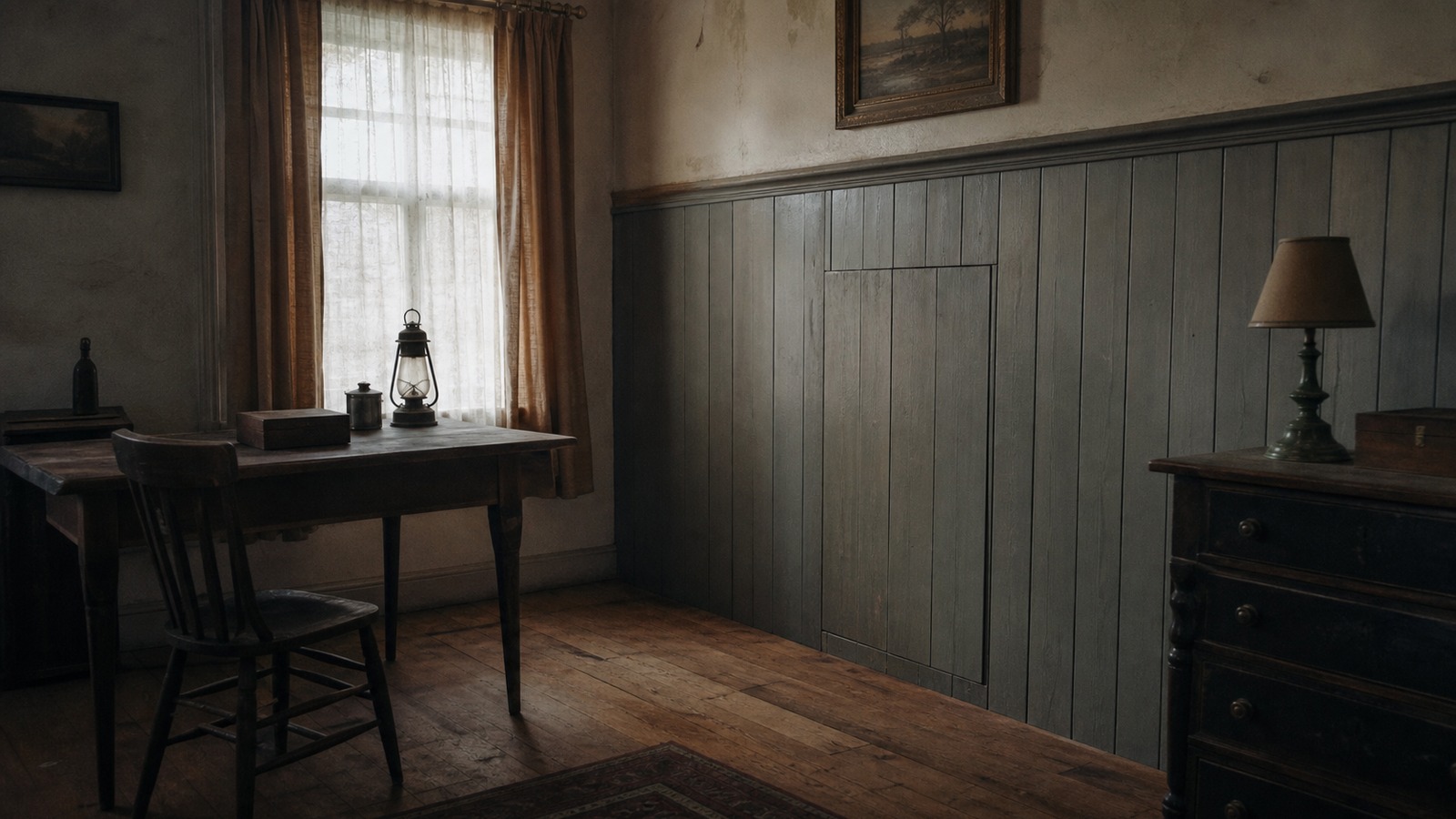
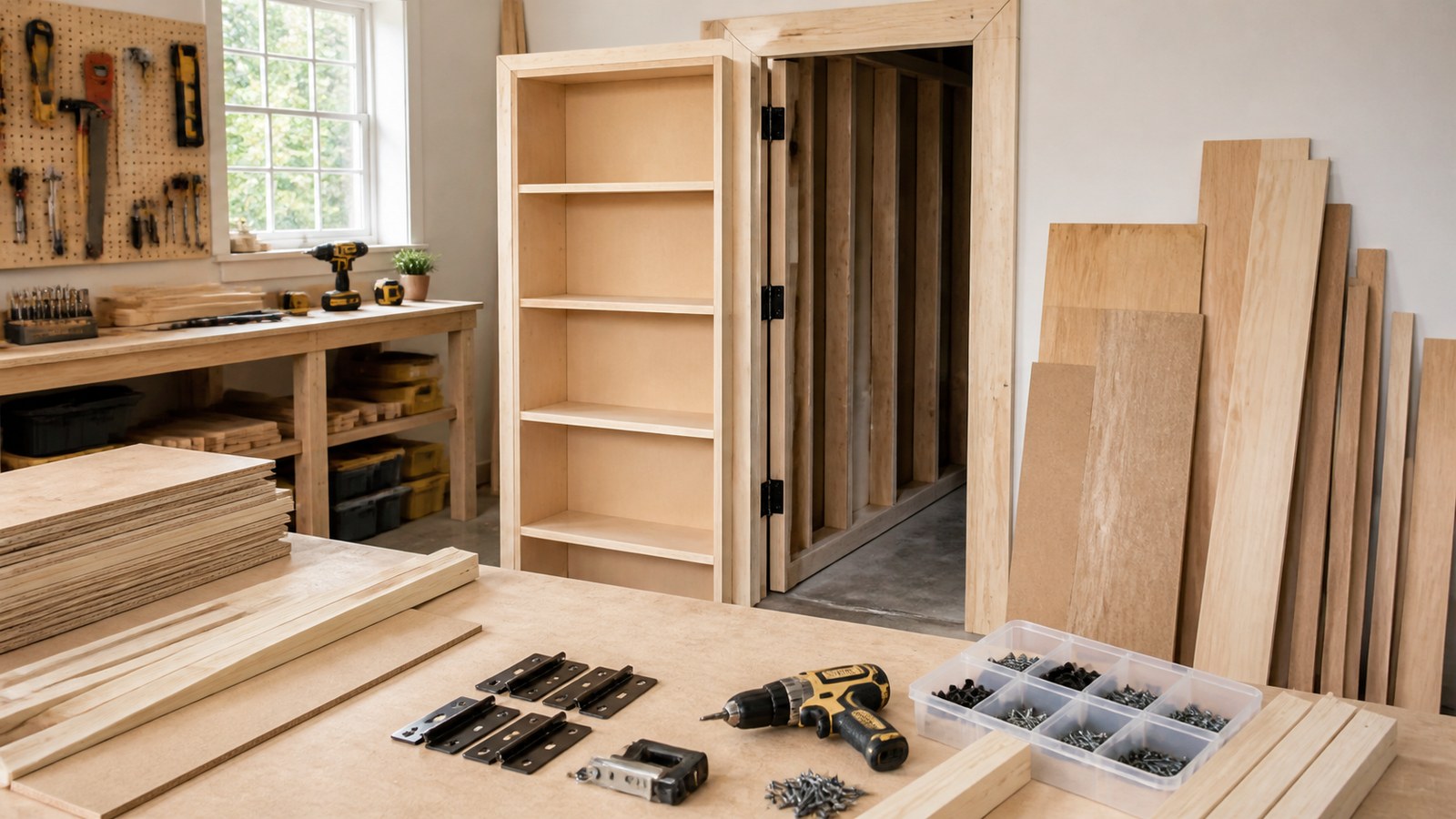
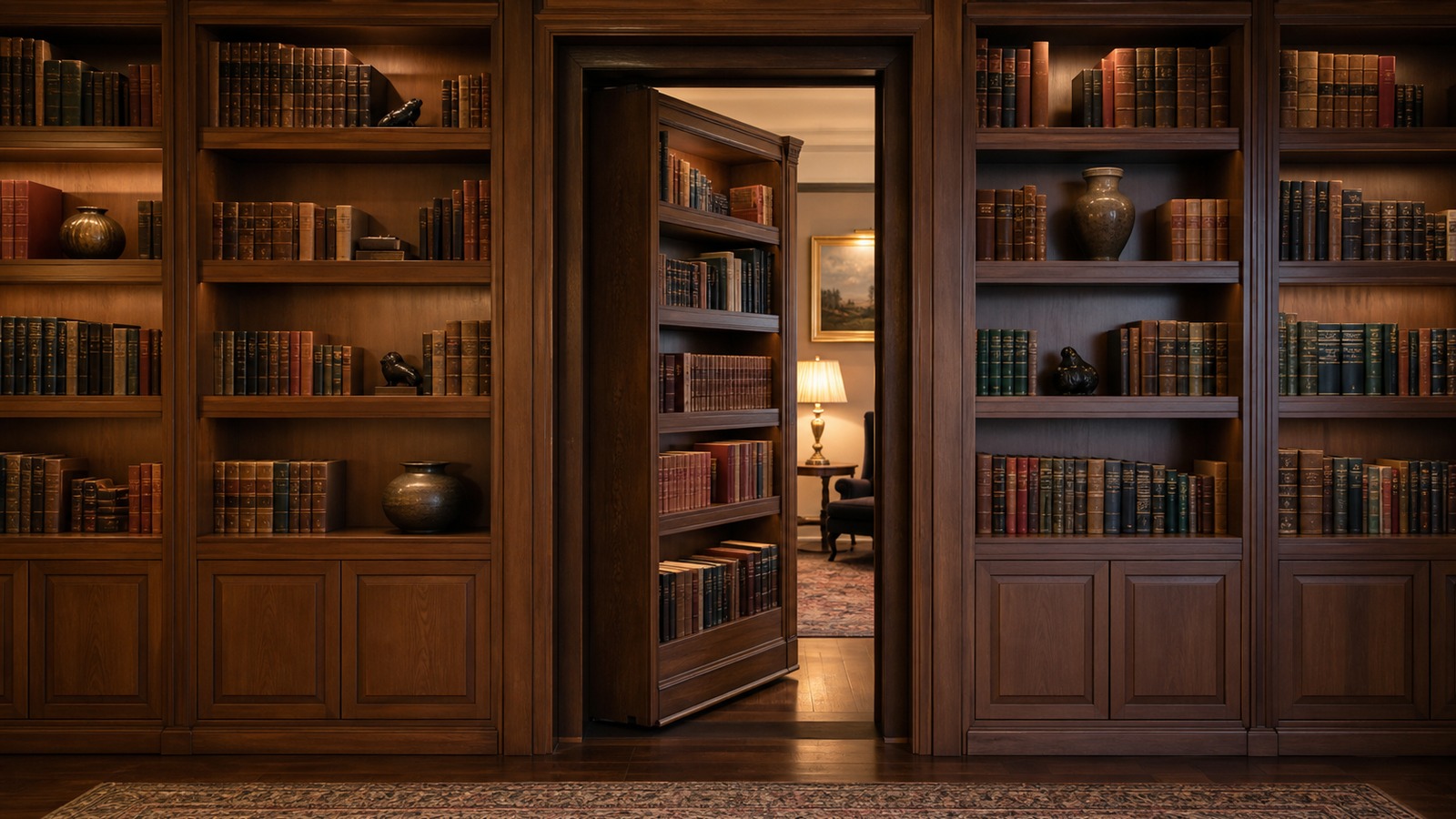
Secret passages occupy a special place in mystery fiction because they transform ordinary architecture into a field of suspense. A hallway is never just a hallway when a panel might slide open. A library is never only a room for books when a hidden latch may reveal a staircase. These concealed routes create a thrilling feeling that the visible world is incomplete, that beneath polished wood, velvet curtains, and inherited grandeur lies another story waiting to be uncovered. In mystery novels, that tension between what is seen and what is hidden becomes one of the genre’s most durable pleasures. Readers are drawn to secret passage scenes because they promise more than movement from one room to another. They suggest betrayal, escape, surveillance, buried history, and forbidden knowledge. A hidden corridor can conceal a criminal, protect a witness, connect lovers, or preserve a family scandal for generations. The simple act of opening a disguised door becomes symbolic: it is the moment when polite appearances collapse and truth begins to emerge. That dramatic function is why iconic secret passage scenes continue to feel fresh even after decades of detective fiction.
A: They combine suspense, symbolism, and plot utility in one unforgettable device.
A: No. They appear in historical, Gothic, classic detective, and modern mystery settings.
A: Strong atmosphere, smart clues, and a reveal that changes the meaning of the story.
A: Not always, but they often explain movement, access, or hidden evidence.
A: The pleasure comes from the discovery, the details, and what the reveal changes.
A: Deception, buried history, private power, hidden guilt, and the collapse of appearances.
A: They often begin with Gothic atmosphere and end with detective logic.
A: Drafts, odd floor plans, strange sounds, worn carpet, and unexplained movement.
A: The building becomes part of the mystery, holding secrets like a living archive.
A: They promise that the truth lies just beyond the visible world.
The Gothic Roots of Hidden Architecture in Mystery Fiction
The secret passage in mystery novels owes much of its power to Gothic storytelling. Long before the modern detective arrived with notebooks and logic, Gothic fiction had already filled castles, abbeys, and sprawling estates with sealed chambers, echoing stairways, and walls that seemed to breathe with memory. These spaces were designed to unsettle. They implied that buildings could preserve secrets the way families preserve shame, and that the past could physically intrude on the present through architecture itself. When mystery fiction absorbed these Gothic traditions, the secret passage became more than a spooky feature. It evolved into a narrative device that could support clues, alibis, red herrings, and surprise revelations. The Gothic atmosphere remained, but now the concealed tunnel or hidden study had to work in tandem with plot mechanics. A mystery novelist could use the eerie pull of a concealed door while also making it central to the puzzle. That blend of mood and logic is one reason these scenes feel so satisfying: they are theatrical, but they also matter.
The Country House Mystery and the Perfect Setting for Concealed Routes
No setting embraces the secret passage more naturally than the grand country house mystery. These novels depend on space as much as character. Multiple bedrooms, servant corridors, locked studies, smoking rooms, conservatories, attics, and unused wings create the ideal geography for concealment. In such stories, architecture is never passive. It shapes suspicion. It controls who could have gone where, who might have overheard what, and how a crime could have been committed in apparent impossibility.
Secret passage scenes flourish in these settings because the house itself behaves like a suspect. Ancient renovations, inherited habits, forgotten additions, and mismatched floor plans suggest that the building has a history independent of its occupants. The most memorable mystery novels understand that a hidden route is exciting not only because it is physically clever, but because it reveals something fundamental about the household. If there is a concealed staircase behind the study wall, someone built it for a reason. If there is a passage from chapel to bedroom, then secrecy has long been part of the estate’s design. That realization deepens both the atmosphere and the stakes.
The Secret Passage as a Machine for Suspense
One reason iconic secret passage scenes endure is that they function so efficiently as suspense engines. The discovery of a concealed route immediately reorganizes a reader’s understanding of the story. Suddenly, the locked-room mystery no longer seems impossible. The character who appeared trapped may have escaped. The witness who swore no one entered the chamber may have been telling the truth from a limited perspective. A single hidden panel can turn certainty into doubt in an instant.
Mystery novels often use this device at exactly the right moment, when the reader has grown comfortable with the visible arrangement of events. Then comes the reveal: a draft in the corridor, a worn patch of carpet, a hinge hidden in molding, a book that pulls farther than the rest. That moment of discovery is thrilling because it rewards attention while also expanding danger. If one route was hidden, what else has been concealed? Who has known about it all along? Suspense rises because secret passages imply active intelligence behind the scene. Somebody designed secrecy, and somebody used it.
Iconic Secret Passage Scenes and the Drama of Discovery
The most unforgettable secret passage scenes are rarely about the passage alone. They are about the drama surrounding its discovery. Sometimes a detective notices a minor inconsistency: candle smoke moving strangely, footsteps where no footsteps should be possible, wall dimensions that do not match interior space. Sometimes an amateur sleuth stumbles upon the truth while searching for something else. In either case, the reveal feels earned because it springs from observation, tension, and narrative timing.
These scenes often combine physical detail with emotional intensity. A character presses against paneling while hearing movement on the other side. A bookshelf swings open to expose dust, darkness, and a descending stair. A hidden bolt gives way with a soft metallic click that sounds louder than a scream. These moments become iconic because they engage every part of the reader’s imagination. The passage is not merely explained; it is felt. Good mystery writing makes the reveal tactile, and that sensory immediacy is what turns a clever plot device into a lasting literary image.
What Secret Passages Symbolize in Mystery Novels
Beyond suspense and structure, secret passages matter because they symbolize the deepest concerns of mystery fiction. The genre is built on the difference between appearance and reality. People lie. Families perform respectability. Communities protect reputations. Institutions bury guilt. A hidden passage makes that moral structure visible in architectural form. The house literally contains what it refuses to acknowledge openly.
This symbolic dimension explains why secret passage scenes often cluster around themes of inheritance, identity, and memory. The concealed room may hold old letters, stolen jewels, a second will, or evidence of a forgotten crime. It may also reveal who had access to hidden power within the household. In this way, the passage becomes a map of privilege and secrecy. It shows who moves unseen, who controls information, and who benefits from what remains buried. Mystery novels thrive on exposure, and few images express that process more elegantly than a wall opening where no door seemed to exist.
The Role of Secret Passages in Locked-Room Mysteries
Locked-room mysteries have always been fertile ground for hidden corridors and concealed entries. These stories depend on apparent impossibility. A victim is found in a sealed chamber, windows bolted, door locked, and no plausible route for entry or escape. The secret passage offers one of the most satisfying solutions because it preserves the wonder of the impossible while grounding the answer in physical space. The room was not truly sealed. It only appeared so. Yet the best mystery novels do more than use a secret passage as a mechanical trick. They plant it in the story’s logic. The concealed route must fit the age of the building, the habits of the culprit, and the pattern of clues. If it appears only to rescue a weak plot, readers feel cheated. But when the hidden opening has been quietly suggested all along, its revelation feels delightful rather than arbitrary. It restores order while preserving awe. That balance is essential to the locked-room tradition and helps explain why secret passages remain one of its most beloved devices.
Character, Power, and the People Who Know the House Best
In many mystery novels, the most important question is not whether a secret passage exists, but who knows about it. Knowledge of hidden architecture creates instant asymmetry. A character who understands the house’s concealed routes possesses literal and psychological advantage. They can move unseen, overhear conversations, plant evidence, vanish at crucial moments, or manipulate others’ sense of safety. That knowledge becomes power.
Writers often use this dynamic to enrich characterization. The aristocratic heir may know less about the estate than the long-serving housekeeper. A seemingly timid relative may have explored every hidden stair in childhood. A detective may realize that the most observant person in the house is not the loudest but the quietest. Secret passages therefore reveal social structure. They show who belongs, who has been excluded, and who has survived by learning what others ignore. In the best mystery novels, architecture does not simply hide the culprit; it exposes the true distribution of influence inside the story.
Why Readers Love the Reveal Even When They Expect It
Modern readers are familiar with the idea of secret passages. They have seen them in novels, films, television, and games. Yet the device still works. That enduring appeal comes from the fact that pleasure in mystery fiction is not destroyed by anticipation. Readers may suspect that a hidden corridor exists, but they still crave the moment of confirmation. They want to know where it is, how it works, who built it, and what its existence changes about everything that came before.
This is one of the quiet miracles of the genre. A familiar device can remain exciting when handled with craft. The reveal succeeds because it is not only about surprise. It is about pattern recognition, escalation, and payoff. The reader feels the world of the novel expand. Rooms connect differently. Motives sharpen. Seemingly unrelated moments align. The secret passage scene becomes a hinge not just in the wall, but in the narrative itself.
The Lasting Legacy of Hidden Passages in Mystery Literature
Secret passage scenes remain iconic because they unite everything readers love about mystery novels: atmosphere, cleverness, danger, symbolism, and revelation. They create unforgettable visual moments while also serving the logic of the plot. They make buildings feel alive and histories feel unfinished. Most of all, they remind readers that truth rarely waits in the center of the room. It hides behind surfaces, beneath routines, and inside places everyone assumed they understood. As long as mystery fiction continues to explore deception and discovery, secret passages will endure. They may appear in ancient manors, urban townhouses, abandoned theaters, monasteries, museums, or sleek modern homes disguised by minimalist design. The setting may evolve, but the fascination remains the same. A hidden door promises that the story is larger than it first appeared. In mystery novels, that promise is irresistible. It is the invitation to step past appearances and into the dark, thrilling architecture of truth.