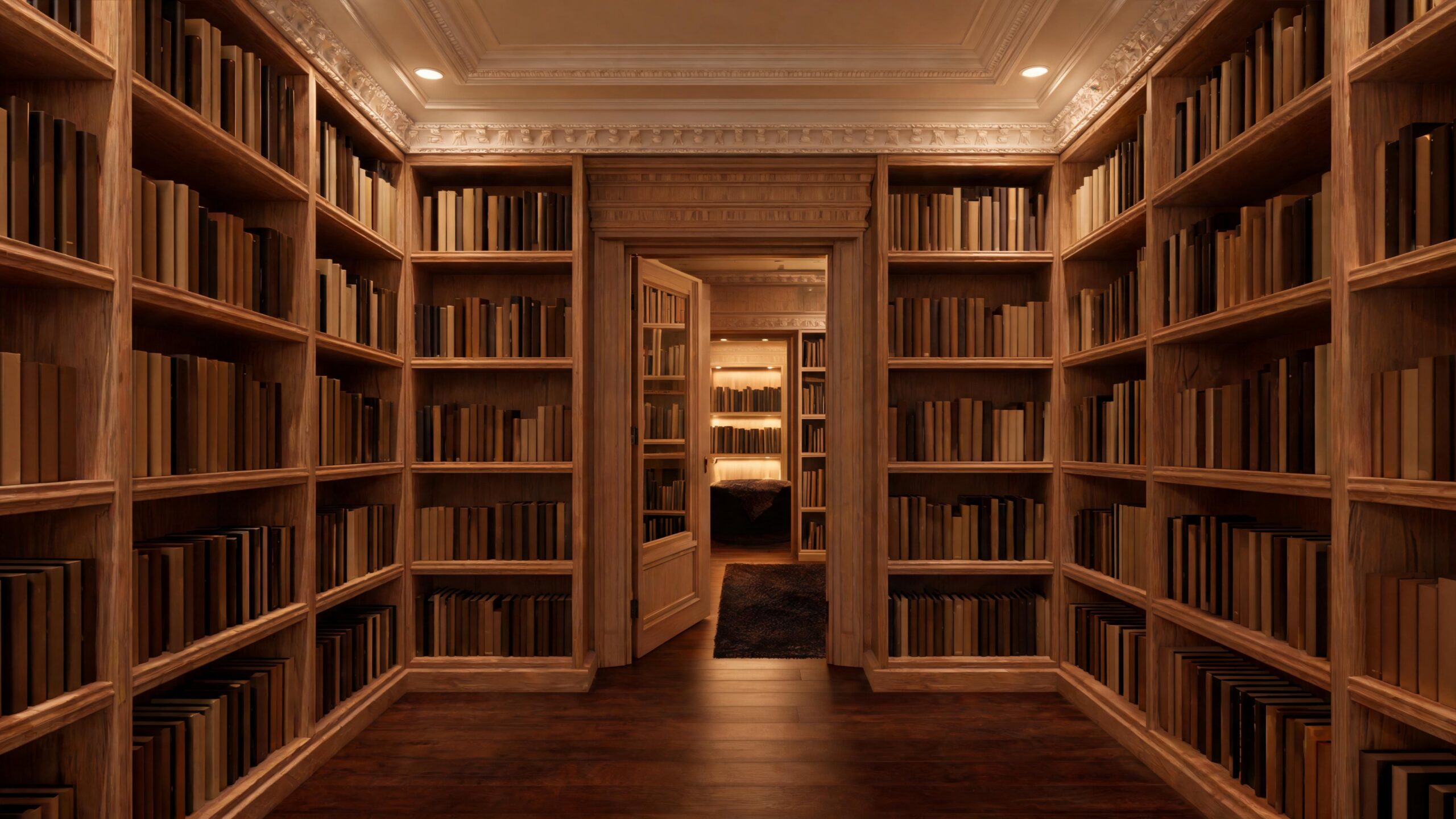
The Timeless Magic of Hidden Spaces
There is something universally enchanting about secret doors, especially for children. From fairy tales to adventure stories, hidden passages have always symbolized mystery, independence, and imagination. When a child discovers a concealed doorway tucked behind a bookshelf or disguised as part of a wall, the ordinary world suddenly transforms into something magical. A bedroom becomes a castle. A playroom turns into a private universe. Secret doors offer more than novelty; they invite storytelling, creativity, and a sense of wonder that children carry with them long after childhood. In modern homes, kids’ secret doors have evolved from simple novelty features into thoughtfully designed architectural elements. Parents and designers are increasingly incorporating them into playrooms, bedrooms, and shared family spaces to encourage imaginative play while also creating functional storage, reading nooks, or quiet retreats. When done correctly, these doors feel like a natural part of the home rather than a gimmick.
A: Yes, when designed with child-safe hardware and visibility.
A: Typically ages 3 and up with supervision.
A: Absolutely—spaces can evolve into reading or study areas.
A: Usually no, unless structural changes are involved.
A: Yes, many designs work well as retrofits.
A: Flush panel or bookcase doors.
A: For play, reading, hiding, and imagination.
A: Smaller doors often feel more magical.
A: Yes, with thoughtful sizing and hardware.
A: Rarely—secret spaces tend to age well.
Why Kids Love Secret Doors
Children are naturally drawn to spaces that feel personal and exclusive. A secret door provides exactly that: a world that feels like it belongs only to them. Unlike open play areas, hidden entrances create anticipation. The act of opening a concealed door feels like unlocking a secret known only to the child and a few trusted friends. This sense of ownership can be empowering, helping kids feel confident and independent in their environment.
Secret doors also support imaginative development. A hidden passage might lead to a pirate’s hideout one day and a wizard’s study the next. The physical act of moving through a concealed entry reinforces storytelling and role-playing, both of which are essential for cognitive and emotional growth. Even quiet children often come alive in spaces that feel magical and private.
The Role of Imagination in Child-Centered Design
Designing spaces for children is about more than bright colors or themed décor. It’s about creating environments that adapt as a child grows. Secret doors are uniquely suited for this because they are flexible in purpose. A toddler may use the space for hide-and-seek, while an older child may turn it into a reading den, art studio, or homework nook.
Unlike themed rooms that children quickly outgrow, hidden doors age gracefully. A well-designed secret entrance can remain exciting through the teenage years, simply by evolving the space beyond it. This makes secret doors both emotionally meaningful and practically valuable in the long term.
Popular Types of Kids’ Secret Doors
One of the most beloved designs for children’s spaces is the classic bookcase door. In a bedroom or playroom, a low-profile bookshelf can swing open to reveal a hidden play area, closet, or quiet nook. Because bookshelves already belong in children’s rooms, this type of door blends seamlessly while still delivering a dramatic reveal.
Murphy-style wall panels are another favorite. These doors are disguised as decorative wall elements, murals, or chalkboard surfaces. For kids, the idea that a drawing or painted wall can secretly open is endlessly fascinating. This approach works especially well in playrooms where creativity is already part of the environment.
Closet-within-a-closet designs are also popular. A standard closet door opens to reveal clothing, but behind the clothes is a secondary concealed door leading to a play space or hidden room. This layered discovery feels particularly magical to children and adds depth to otherwise ordinary spaces.
Magical Playroom Secret Door Ideas
Playrooms are the ideal setting for secret doors because they are already dedicated to imagination. A hidden entrance can lead to a themed play area such as a fairy forest, a space station, or an underground clubhouse. Soft lighting, textured walls, and child-safe materials enhance the immersive experience without overwhelming the senses.
Some families incorporate crawl-through doors sized specifically for children. These smaller entrances add to the sense of exclusivity and adventure while naturally limiting adult access. For kids, squeezing through a secret opening feels like entering a world designed just for them.
Playroom secret doors can also hide functional spaces. Storage rooms for toys, costume closets, or even shared craft areas can all be concealed behind playful disguises. This keeps the room visually tidy while preserving the magic of discovery.
Bedroom Secret Doors and Private Retreats
In bedrooms, secret doors take on a slightly different role. While still playful, they often emphasize privacy and comfort. A hidden door leading to a reading nook, loft space, or window seat can become a child’s favorite place to unwind. These spaces encourage quiet activities such as reading, journaling, or listening to music.
Some parents use secret doors to connect siblings’ rooms. A concealed passage between bedrooms can strengthen bonds and create shared memories, especially for younger children. When designed thoughtfully, these connections can later be sealed or repurposed as children grow older, preserving flexibility.
For children who struggle with anxiety or overstimulation, hidden retreats can be especially beneficial. A quiet, enclosed space provides a sense of safety and control, helping kids regulate emotions and feel secure in their environment.
Safety Comes First in Kids’ Secret Doors
While magic is important, safety is essential. Kids’ secret doors must be designed with age-appropriate hardware and materials. Doors should open easily from both sides to prevent entrapment. Soft-close hinges, rounded edges, and lightweight construction reduce the risk of injury.
Ventilation is another critical factor. Any hidden room or enclosed space must have proper airflow to ensure comfort and safety. Lighting should be sufficient without being harsh, and electrical components should be professionally installed and child-proofed. Locks are generally discouraged for children’s secret doors. If locking mechanisms are used at all, they should be simple, non-binding, and easily overridden by adults. The goal is to create wonder, not worry.
How Secret Doors Encourage Learning
Beyond play, secret doors can support learning in subtle ways. A hidden homework nook behind a bookshelf can make study time feel special rather than burdensome. When learning spaces feel inviting and personal, children are more likely to engage with them.
Secret doors can also teach problem-solving skills. Discovering how to open a hidden latch or remember a sequence of steps encourages curiosity and critical thinking. These small challenges build confidence and reinforce the idea that exploration leads to rewards. Reading spaces accessed through secret doors often become cherished habits rather than forced routines. Children who associate books with adventure are more likely to develop a lifelong love of reading.
Customization and Personal Themes
One of the greatest strengths of kids’ secret doors is customization. Every child has unique interests, and secret spaces can reflect those passions. A dinosaur-loving child might have a hidden door disguised as a fossil wall, while a space-obsessed child might enter through a star-patterned panel.
As children grow, these themes can evolve. Wall coverings, lighting, and décor behind the door are relatively easy to update, allowing the space to mature alongside the child. This adaptability keeps the secret door relevant rather than obsolete.
Personalization also strengthens emotional attachment. When children feel that a space reflects who they are, they develop a deeper sense of belonging and pride in their home.
Integrating Secret Doors into Modern Homes
Modern architecture often favors clean lines and minimalism, which might seem at odds with playful secret doors. However, when designed carefully, hidden doors can enhance modern aesthetics rather than disrupt them. Flush panels, seamless trim, and concealed hinges allow secret doors to disappear entirely when closed.
In open-concept homes, secret doors help create zones without adding visual clutter. A playroom hidden behind a sleek wall panel keeps shared spaces calm while preserving fun just steps away. This balance appeals to both children and adults. Modern secret doors also benefit from advancements in materials and hardware, making them smoother, quieter, and more durable than ever before.
Long-Term Value and Family Memories
While secret doors are often built with children in mind, their value extends far beyond childhood. Homes with unique features tend to be memorable, and secret doors often become beloved talking points for families and guests alike. Years later, adults often recall hidden rooms and secret passages as highlights of their childhood homes.
From a practical perspective, secret doors can increase a home’s perceived value by adding unique character. Even if future owners repurpose the spaces, the craftsmanship and creativity behind hidden doors remain appealing.
More importantly, secret doors create shared family memories. Parents helping children discover a hidden latch or decorate a secret room become part of stories told for years to come.
Designing with Balance in Mind
The best kids’ secret doors strike a balance between magic and practicality. They should feel special without overpowering the room. Subtlety often enhances the experience, making discovery more satisfying than obvious spectacle.
Designers and parents should consider how the door fits into daily routines. A secret door that disrupts storage access or traffic flow may lose its charm over time. Thoughtful placement ensures that the feature enhances rather than complicates family life. When planned carefully, secret doors feel less like add-ons and more like natural extensions of the home’s design.
The Emotional Impact of Hidden Spaces
Perhaps the most powerful aspect of kids’ secret doors is their emotional impact. These spaces give children something rare: a sense of mystery in a predictable world. They provide a place where imagination is not only allowed but encouraged.
In a time when screens often dominate attention, secret doors invite physical exploration and creative play. They remind children that adventure can exist within the walls of their own home, waiting quietly behind a hidden entrance. This emotional resonance is what makes secret doors more than a design trend. They become part of a child’s identity, shaping how they remember home, family, and the joy of discovery.
A Doorway to Wonder
Kids’ secret doors transform everyday spaces into extraordinary experiences. Whether tucked into a playroom or hidden within a bedroom, these magical features inspire creativity, encourage learning, and create lasting memories. They remind us that homes are not just places to live but places to imagine, explore, and grow. By blending thoughtful design with child-centered creativity, secret doors become timeless elements that enrich both childhood and family life. In the end, the true magic is not just what lies behind the door, but the sense of wonder it opens in a child’s mind.