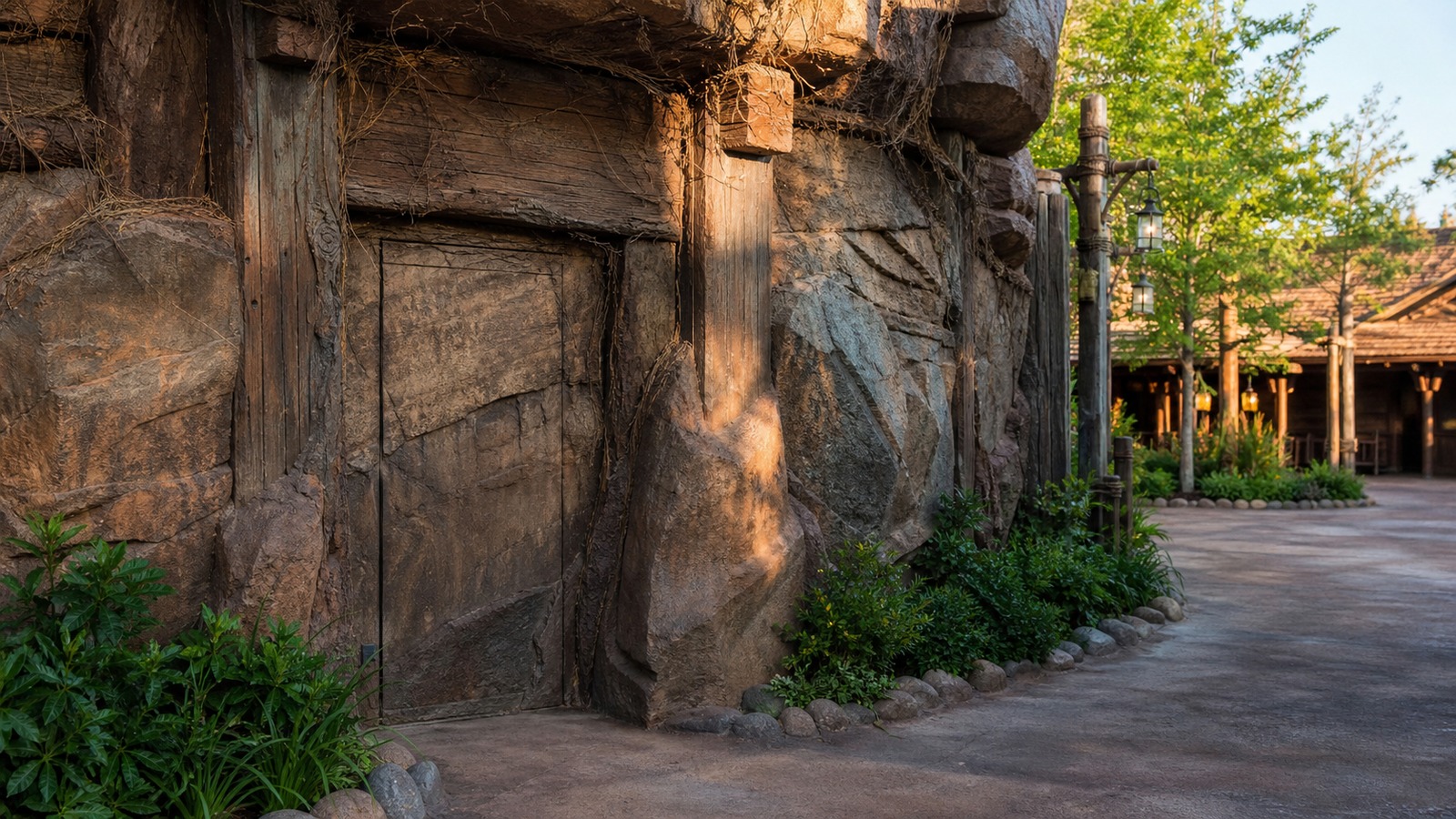
There’s a special kind of magic that happens when a video game suddenly whispers, “Hey… there’s more.” Not more in a DLC menu or an obvious side quest marker, but more in the sneaky, classic, player-earned way—through a wall that shouldn’t open, a suspicious torch that begs to be tapped, or a hallway that looks normal until you notice one tile is a slightly different shade. Secret doors are gaming’s oldest, most lovable trick, and they still hit because they turn curiosity into a reward you can feel. You’re not just progressing—you’re discovering. You’re not following directions—you’re interpreting a world. Hidden levels, secret rooms, and bonus stages aren’t only about extra loot. They’re about trust between game and player. The designer says, “If you pay attention, if you test the edges, if you experiment, I’ll give you something special.” And the player responds with a mindset that’s almost detective-like: listening for audio cues, studying patterns, returning to old areas with new tools, or simply trying the weird idea just to see what happens. It’s game design at its most playful—part puzzle, part prank, part treasure hunt.
A: They reward curiosity, extend replay value, and make worlds feel deeper and more alive.
A: Not always—some are community puzzles, while others are designed for careful solo discovery.
A: A “suspicious” dead end, unusual symmetry, or an interactable object that stands out subtly.
A: Often yes, but the best reward is sometimes a shortcut, a story reveal, or a unique challenge.
A: Explore thoroughly first, then check spoiler-light hint threads instead of full walkthroughs.
A: Not exactly—codes are external inputs; secret doors are usually world-based discoveries.
A: If the game hasn’t taught consistent rules, secrets can feel random instead of discoverable.
A: Metroidvanias, RPGs, immersive sims, and platformers often build secrets into their identity.
A: Yes—hidden rooms can offer breathers, rewards, or alternate routes that reduce repetition.
A: Enough that explorers feel rewarded, but not so many that non-explorers feel punished.
Why Secret Doors Became a Core Part of Game Culture
Secret doors took off because early games needed ways to stretch content without breaking immersion. When storage limits were tight, designers got creative: one hidden hallway could contain a bonus area, extra lives, or a shortcut that made the whole game feel bigger. But over time, secrets evolved into something deeper than efficiency. They became a language of design. A game packed with secrets tells you it values exploration. A game that hides entire levels behind cryptic conditions tells you it rewards mastery. A game that includes absurd, joke-filled secret rooms tells you it has a personality and wants you in on the fun. And then there’s the communal side of it. Secrets are social. Players share rumors, swap clues, and turn small discoveries into legendary stories. One kid finds a hidden warp zone and suddenly becomes a local hero. A streamer hits a bizarre secret stage and chat explodes. A speedrunner routes through a hidden door that casual players never even knew existed. Secret doors don’t just expand a game—they expand the conversation around it.
The Different Flavors of Hidden Levels
Not all secrets are built the same, and that’s part of the fun. Some secrets are obvious once you learn the “rule,” like bombing suspicious walls or checking for cracked surfaces. Others are psychological, hiding in plain sight by relying on players to ignore what looks like background decoration. Some secrets are earned through skill—perfect runs, obscure achievements, or mastering a movement technique. Others are earned through curiosity—going off the path, backtracking, or interacting with the environment in ways that feel a little silly until they work.
The best hidden levels often combine multiple ideas. A secret door might require a key, but the key is hidden behind a puzzle, and the puzzle only appears after you revisit an earlier zone with a new ability. That layered design creates a feeling that the world is interconnected, like it has history and hidden rules that you’re slowly learning. The secret isn’t a single moment—it’s an arc.
Classic Hidden Door Design: The “Suspicious Wall” Era
If you’ve ever hit a wall repeatedly just to see if it breaks, you’re part of a long tradition. Early platformers and dungeon crawlers trained players to treat walls as “maybe” instead of “no.” This design style is simple and iconic: a door is hidden behind something that looks solid, and the player needs a tool or action to reveal it. That could be an explosion, a special weapon, a switch, or even just walking through it because the wall is an illusion.
What makes this style so enduring is how it changes the way you see levels. The environment becomes a set of hints. Negative space matters. Awkward gaps matter. A single dead-end corridor might be the game’s way of nudging you: “Why did we build this hallway if there’s nothing here?” That question—why—turns exploration into problem-solving. Suddenly, the player is reading the level like a map of intentions.
The “Secret Door as Shortcut” and Why It Feels So Good
One of the most satisfying types of hidden door is the one that changes your relationship with the world. You struggle through an area, learn its hazards, and then—click—a hidden passage opens and connects two far-apart places. It’s like the game just unfolded itself in your hands. You feel smarter, not because you leveled up, but because you understood. This is why secrets are so powerful in games with backtracking or interconnected maps: a hidden door doesn’t just give you a prize; it gives you efficiency, confidence, and a sense of ownership over the space. In modern games, this often appears as a one-way gate you unlock from the “far side,” revealing a fast route back to a hub. It’s a secret door that functions like relief. You don’t have to repeat the grind. You don’t have to walk the long way. The world becomes friendlier because you earned that friendliness. Great design makes it feel like the game respects your time—after you’ve proven you respect its world.
The “Hidden Level as Designer’s Playground”
Some hidden levels exist because designers want a space where they can get weird. These are the rooms that feel like inside jokes, experimental challenges, or bonus concepts that didn’t fit the main flow. Sometimes it’s a bizarre aesthetic shift, like a surreal dream area. Sometimes it’s a brutally hard gauntlet designed for veterans. Sometimes it’s a “dev room” vibe, full of quirky messages, unusual items, or playful self-awareness.
These levels become legendary because they feel personal. The main game is the official story, but the secret level feels like a note passed in class. It’s intimate, like you found something meant for the truly curious. And when a secret level shows you a new mechanic, a strange enemy type, or a one-off challenge format, it can even influence how you interpret the rest of the game. You start to wonder what else the designers hid.
The Best Hidden Levels and Secret Doors, By the Feeling They Create
There are countless iconic hidden levels across gaming history, but the “best” ones aren’t only defined by difficulty or reward. They’re defined by emotion—the sense of surprise, the rush of discovery, the laughter of a goofy secret, the awe of finding an entire area you never expected to exist. Here are some of the most memorable styles of secret doors and hidden levels, told through what they do to the player.
The “I Can’t Believe That Worked” Secret
These are secrets that require a slightly ridiculous action: stand in one exact spot, interact with an object that looks decorative, or perform a strange ritual that feels like superstition until it opens a door. They’re powerful because they turn the player into an experimenter. You stop asking, “Where do I go?” and start asking, “What happens if…?” That mindset is the heartbeat of discovery-driven gaming, and it’s why hidden levels become stories players retell for years.
The most satisfying version of this secret is fair without being obvious. The clue is there—maybe a subtle environmental hint, a cryptic line of dialogue, or a consistent rule the game taught earlier. When you solve it, you don’t feel tricked. You feel initiated, like you now speak the game’s secret language.
The “Skill Gate” Hidden Level
Some hidden levels are locked behind pure performance: flawless execution, surviving a brutal encounter, or completing a challenge that proves you’ve mastered the mechanics. These secret levels are often the purest form of “bonus content” because they exist for players who want more friction, more intensity, more bragging rights. They’re not just hidden—they’re earned. What makes these levels special is their tone. They often feel like the game is taking the gloves off. The training wheels are gone, and the secret stage becomes a showcase of everything you’ve learned. Done well, it’s hard without being unfair, intense without being exhausting, and rewarding even if the “prize” is simply the experience of beating it.
The “Lore Door” That Changes the Story
Some secret doors don’t lead to extra coins or a quirky room—they lead to meaning. A hidden level might reveal backstory, expose the truth behind a character, or show you a version of events the main path doesn’t emphasize. These secrets are addictive because they make the world feel layered. The game starts to resemble a mystery you can investigate rather than a plot you simply watch.
In games with environmental storytelling, secret rooms are often where the most haunting details live: a broken lab, a handwritten note, a silent tableau that implies something terrible happened long before you arrived. You don’t just find a secret. You find a clue. And once you’ve found one, you can’t stop looking for the next.
The “Mood Shift” Hidden Level
Sometimes a secret door is powerful because it changes the vibe. You step through and suddenly the lighting, music, and color palette transform. Maybe it’s peaceful where the main game is chaotic. Maybe it’s surreal where the main game is grounded. Maybe it’s comedic where the main game is serious. That contrast makes the secret feel like a portal, not just a room.
This is one of the reasons hidden levels are so memorable in long games: they create punctuation. They break rhythm in a good way. They give you a new flavor, a new emotion, a new story beat—without needing to be part of the main course.
How Modern Games Keep Secrets Alive in the Age of Guides
It’s harder to keep secrets secret now. Dataminers exist. Walkthroughs appear instantly. Social media spreads discoveries at light speed. And yet secret doors still matter because the experience of discovery is personal even when the information is public. Knowing a secret exists isn’t the same as finding it yourself. The moment you notice the clue, connect the dots, and open the hidden passage still feels like your own win.
Modern games also evolved the concept. Secrets today aren’t only hidden doors; they’re hidden systems. Alternate endings. Optional bosses. Entire secret quest lines. Meta puzzles that span multiple locations. ARG-style mysteries that blur the line between game and community. Secret design has expanded beyond the wall into the entire structure of how a world can be explored.
How to Design the Perfect “Secret Door” Experience as a Player
If you want to feel that classic secret-door thrill more often, approach games with a few habits. Slow down in places that feel “too quiet.” Look for repeated patterns, because games often teach you the language of secrets through repetition. If a certain kind of cracked wall appears in multiple places, it’s probably meaningful. If an NPC hints at “something hidden beneath,” take it literally. Revisit earlier areas after you unlock new abilities. Test suspicious edges. Try the strange interaction once. The best secrets often reward the player who treats the world like it has depth.
And if you’re the type who loves the social side of discovery, trade theories with friends, read communities after you’ve explored a bit, and keep an eye out for games known for secrets. Some titles are built around that joy of hidden content, and once you learn the “feel” of a secret-heavy game, you start spotting doors everywhere.
Why Secret Doors Will Never Go Out of Style
Secret doors are a promise: the game is bigger than it looks. They keep games feeling alive because they introduce uncertainty in a fun way. You can’t fully trust the obvious path. You can’t assume the surface is the whole story. That’s a powerful feeling in any medium, but in games it’s especially potent because you participate in the discovery. You don’t just watch a twist—you trigger it. Hidden levels also celebrate the player’s best instincts: curiosity, persistence, attention to detail, and playfulness. They reward you for treating the world like a place worth exploring. And that’s why secret doors, from old-school hidden blocks to modern layered mysteries, remain one of the most exciting traditions in video games—because they make the player feel like an explorer again.