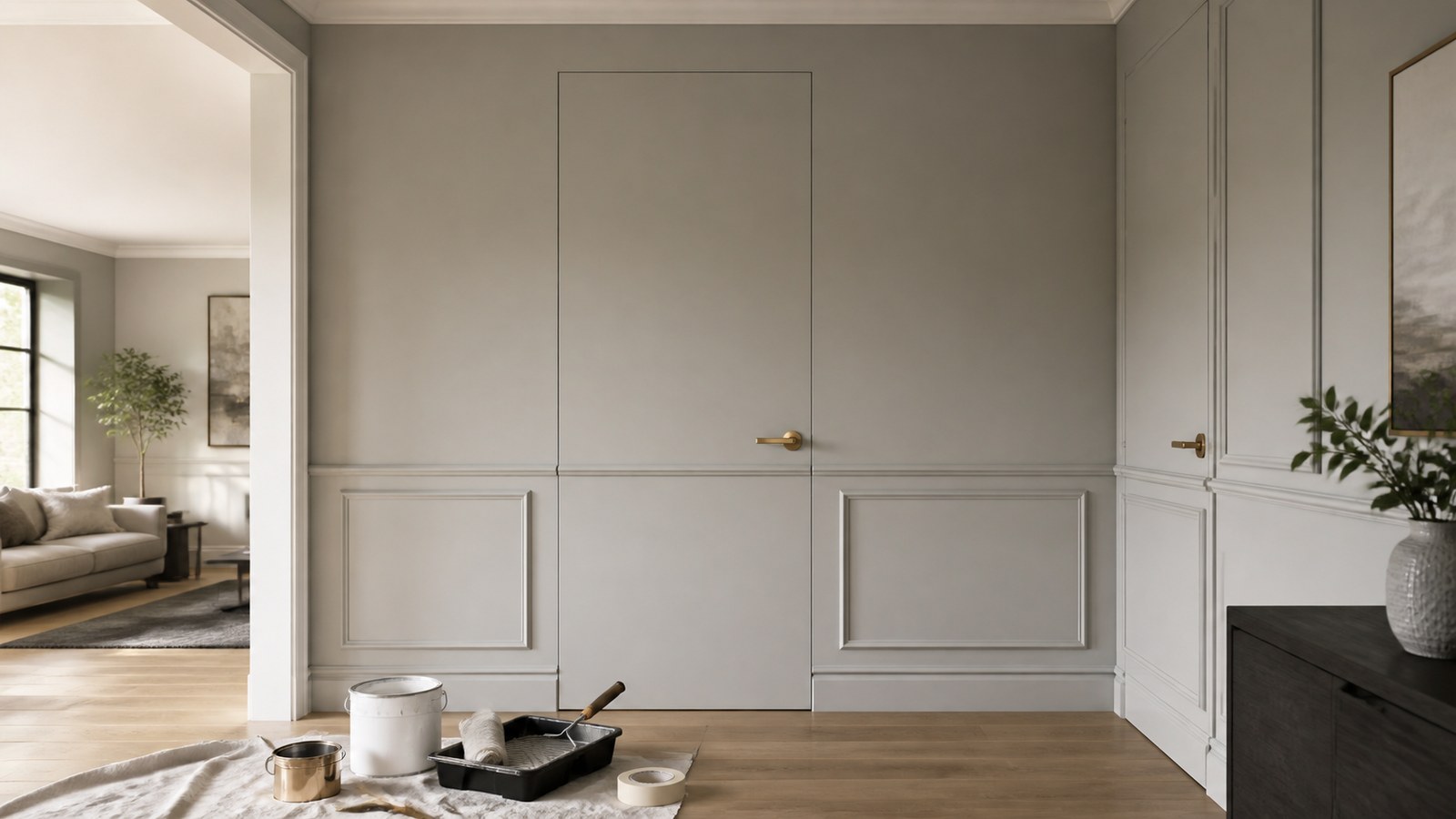
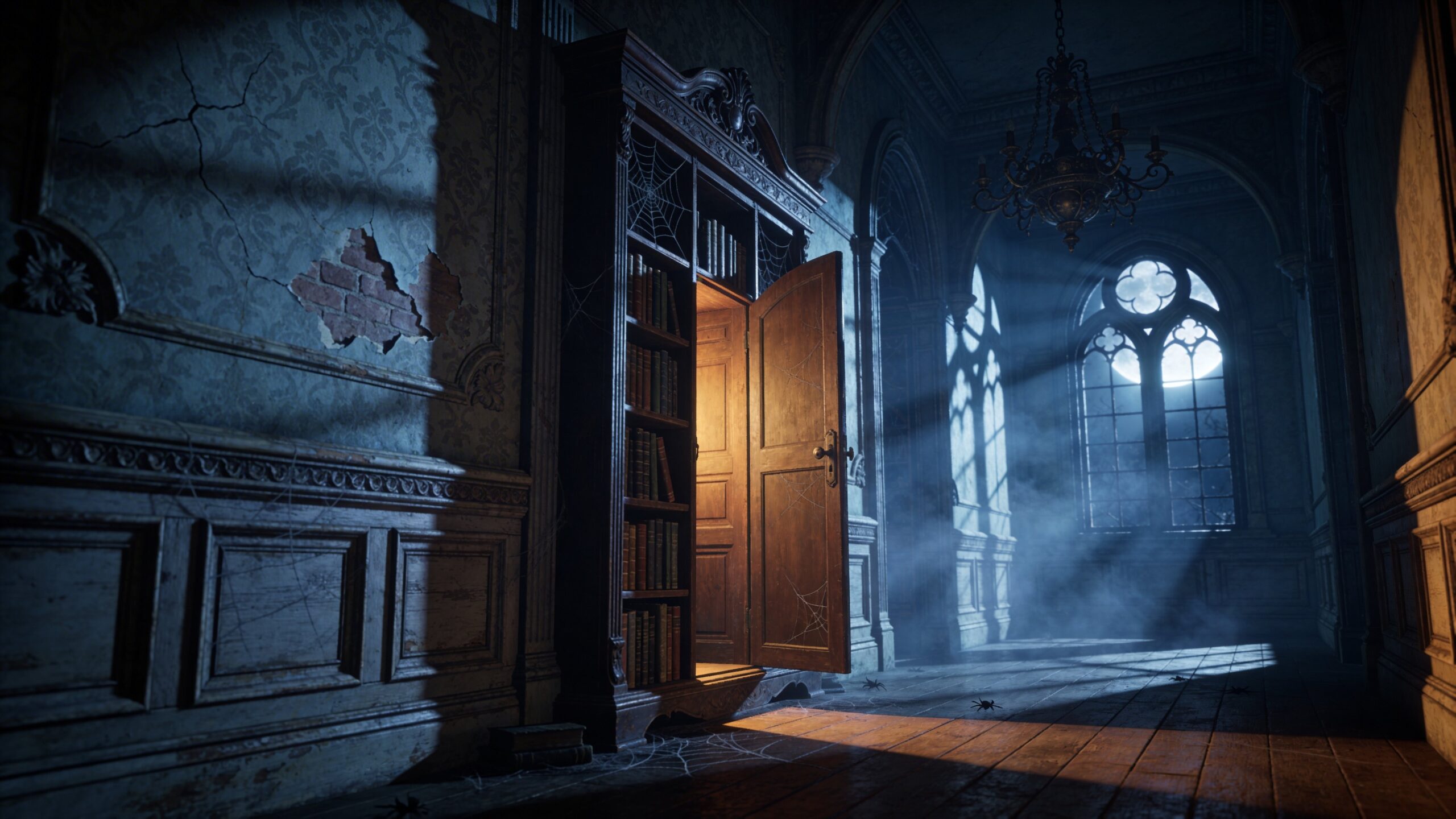
Secret doors have always captured the human imagination. From ancient palaces to modern mega-mansions, the idea of a hidden passage suggests mystery, power, safety, and privilege. In the world’s most luxurious homes, hotels, museums, and private estates, secret doors are no longer simple panels or disguised hinges. They are multimillion-dollar architectural feats that blend fine art, advanced engineering, elite craftsmanship, and cutting-edge technology. Some are designed to protect priceless collections, others to safeguard influential individuals, and many simply to express ultimate exclusivity. These doors are not just hidden; they are statements of wealth and imagination made tangible. What sets the most expensive secret doors apart is not only the materials used, but the level of detail, customization, and integration into the surrounding architecture. They disappear into walls of marble, bookshelves carved from rare hardwoods, or fresco-covered corridors that look centuries old. In many cases, only a handful of people on Earth even know the doors exist.
A: Custom installations can range from six figures to several million dollars.
A: Yes, every elite door is engineered for a specific site.
A: No—privacy, prestige, and design are equally important.
A: Absolutely, with custom finishes and traditional craftsmanship.
A: Often yes, due to rarity and exclusivity.
A: Yes, but always concealed and optional.
A: No—activation is intentionally discreet.
A: Weeks to months depending on complexity.
A: Silence is a key luxury benchmark.
A: Specialized firms working under strict confidentiality.
What Makes a Secret Door Luxurious and Expensive
Luxury secret doors are expensive because they sit at the intersection of architecture, mechanical engineering, fine art, and security design. Unlike standard hidden doors, these installations are often engineered from scratch for a single location. They must carry the same load as structural walls, align perfectly with surrounding finishes, and operate silently and flawlessly for decades.
Materials play a major role in cost. Exotic hardwoods, hand-cut stone, bronze castings, gold leaf detailing, ballistic steel cores, and museum-grade climate seals are common in high-end projects. The door’s surface often costs more than an average home renovation. Beneath that surface lies an entirely separate system of concealed hinges, counterweights, magnetic locks, and motorized actuators designed to move massive weight with effortless precision.
Labor is equally significant. Many luxury secret doors are built by elite artisans who may spend months carving, finishing, testing, and tuning a single installation. In some cases, the door is constructed off-site in sections and assembled inside the building like a puzzle. The final price can climb into the millions when security systems, biometric access, and structural reinforcement are added.
Royal and Palace Secret Doors Built for Power
Throughout history, royalty has relied on secret doors not as novelties, but as tools of survival and control. European palaces are filled with hidden passages designed for escape, surveillance, or discreet movement between rooms. In places like Palace of Versailles, secret doors were seamlessly integrated into ornate wall paneling so that servants and guards could appear or disappear without disrupting courtly life.
These historical doors were expensive in their time because they required custom carpentry and architectural planning during initial construction. Today, restoration projects involving palace secret doors can cost staggering amounts. Conservators must recreate centuries-old joinery techniques while meeting modern safety and structural standards. Some restored hidden doors now cost more than modern luxury homes simply because of the craftsmanship involved.
In certain Middle Eastern palaces, hidden doors were incorporated into decorative tile walls or carved stone screens. These doors often weighed several tons and required ingenious counterbalance systems long before modern hydraulics existed. The cost today to replicate such a system, using traditional methods and materials, would easily reach seven figures.
Gilded Age Mansions and Millionaire Hideaways
During the Gilded Age, industrialists and financiers in Europe and the United States embraced secret doors as symbols of sophistication and privacy. In grand estates, hidden passages connected libraries, studies, and private quarters, allowing owners to retreat unnoticed. These doors were often disguised as bookcases, fireplaces, or decorative wall panels.
In historic American mansions, some secret doors were built with imported mahogany, walnut, and oak, carved by European craftsmen. The doors were engineered to match surrounding millwork so perfectly that even modern experts struggle to identify seams. Restoring or reproducing such doors today can cost hundreds of thousands of dollars due to the rarity of materials and the scarcity of artisans capable of the work.
One reason these doors remain expensive is that they are not just doors; they are load-bearing architectural elements. Removing or modifying them without compromising the building requires detailed structural analysis and custom reinforcement.
Ultra-Modern Billionaire Mansions
In today’s world, the most expensive secret doors are found in ultra-modern billionaire residences. These homes often feature minimalist interiors with seamless surfaces, which paradoxically make hidden doors even more complex to build. When a wall is perfectly smooth stone or glass, any moving section must align with microscopic precision.
Some of the world’s most exclusive homes include entire walls that pivot open to reveal panic rooms, underground garages, or private galleries. These doors may weigh several thousand pounds and rely on industrial-grade motors, silent bearings, and computerized control systems. The engineering behind a door that large, smooth, and quiet is extraordinarily expensive.
In certain California and European estates, secret doors are integrated into smart home systems so advanced that they recognize the owner’s gait, voice, or facial structure. The door opens automatically when the correct person approaches, without visible sensors or keypads. The cost of integrating AI-driven security into a structural element can rival the price of a luxury sports car.
Secret Doors Protecting Priceless Art and Collections
Museums, private collectors, and foundations often invest enormous sums in hidden doors designed to protect irreplaceable artifacts. In these environments, secrecy is only one requirement. Climate control, vibration resistance, fire suppression, and intrusion detection are equally critical.
Some private collectors house rare manuscripts, jewels, or historical objects behind secret doors disguised as display walls. The door itself may contain layers of steel, Kevlar, and fire-resistant composites hidden beneath decorative finishes. These doors must meet museum security standards while remaining invisible to visitors and even staff. In certain high-profile cases, the hidden door leading to a private vault costs more than the collection it protects. This is because the door must survive fire, flooding, forced entry, and even seismic activity without compromising its concealment or operation.
Luxury Hotels and Hidden Guest Experiences
High-end hotels have increasingly embraced secret doors as part of exclusive guest experiences. In some five-star properties, hidden doors lead to private lounges, invitation-only bars, or ultra-secure suites for heads of state and celebrities. These doors must balance discretion with elegance, operating flawlessly thousands of times per year.
Luxury hotels often commission secret doors that look like part of the décor rather than security features. A wall of mirrors may slide aside, or a decorative panel may rotate silently to reveal a hidden corridor. The challenge lies in durability. Unlike a private home, hotel secret doors face constant use and must meet commercial safety codes. The cost of such doors includes not only construction but ongoing maintenance, security audits, and staff training. Over the lifetime of a luxury hotel, a single secret door can represent a multimillion-dollar investment.
Underground Bunkers and High-Security Panic Rooms
Some of the most expensive secret doors ever built are those leading to underground bunkers and panic rooms. Wealthy individuals, political leaders, and corporations invest heavily in concealed access points designed to disappear completely within living spaces.
These doors are often disguised as floors, walls, or built-in furniture. Beneath the surface, however, they may include blast-resistant steel, airtight seals, and electromagnetic locking systems capable of withstanding extreme force. In certain cases, the door alone costs more than an entire luxury home.
What drives the price so high is redundancy. These doors often include multiple locking systems, manual overrides, independent power supplies, and fail-safe mechanisms. Every component must work under worst-case scenarios, including power loss or structural damage.
Engineering Marvels Behind Invisible Movement
At the highest level, secret doors become engineering marvels. Moving a multi-ton wall silently and smoothly requires advanced mechanics. Some luxury installations use custom hydraulic systems tuned to millimeter tolerances. Others rely on counterweight systems inspired by theater stages or ancient architectural techniques, modernized with precision machining.
Sound control is another costly factor. Luxury secret doors are designed to open without audible clicks, grinding, or vibration. Achieving this requires specialized bearings, vibration isolation, and acoustic dampening materials hidden inside the structure. Testing alone can take weeks. Doors are opened and closed thousands of times under different conditions to ensure reliability. The labor and expertise involved in this phase significantly add to the final cost.
The Role of Custom Designers and Elite Builders
Only a handful of firms worldwide specialize in ultra-luxury secret doors. These designers work closely with architects, structural engineers, and security consultants from the earliest stages of a project. In many cases, the door is planned before the building itself is constructed.
Because secrecy is part of the value, these firms operate under strict confidentiality agreements. Clients may never publicly acknowledge the door’s existence, which further elevates its mystique and perceived worth. The scarcity of skilled builders capable of executing such work drives prices even higher. Some of these doors are essentially one-of-a-kind artworks. Once installed, they cannot be replicated elsewhere because they are so closely tied to the building’s design and materials.
Cultural Fascination With Hidden Luxury
Part of what makes these secret doors so valuable is cultural fascination. They symbolize control over space, knowledge, and access. In an age where privacy feels increasingly rare, the idea of a door that only a select few know about carries immense appeal.
Luxury secret doors also reflect a deeper desire for layered living. Behind public spaces lie private worlds, and behind private worlds lie spaces known only to the owner. This hierarchy of access is both psychological and architectural, and it has driven secret door design for centuries. In popular culture, secret doors are often associated with power, wealth, and intrigue. Real-world luxury installations lean into this narrative, transforming fiction into tangible reality.
Are Luxury Secret Doors Worth the Cost?
For most people, a million-dollar door seems absurd. But for those who commission them, the value lies beyond function. These doors offer privacy, security, artistic expression, and exclusivity all at once. They are investments in peace of mind and personal identity.
In some cases, a luxury secret door increases a property’s value simply because of its uniqueness. High-net-worth buyers often seek features that cannot be easily replicated, and a flawlessly integrated hidden door can become a defining element of an estate. Ultimately, the worth of these doors is measured not just in dollars, but in the experience they create and the stories they allow to remain untold.
The Future of Ultra-Luxury Secret Doors
As technology advances, luxury secret doors are becoming even more sophisticated. Future designs may incorporate adaptive materials, invisible sensors, and AI-driven access systems that adjust to their environment. Walls may respond to touch, sound, or even biometric patterns embedded in a person’s movement.
At the same time, there is a growing appreciation for traditional craftsmanship. Many wealthy clients now seek doors that blend old-world artistry with modern engineering, creating installations that feel timeless rather than futuristic. What remains constant is the allure of secrecy. As long as humans value privacy, mystery, and exclusivity, the most expensive and luxurious secret doors will continue to evolve, hidden in plain sight and known only to a privileged few.
A World Hidden Behind Walls
The most expensive secret doors ever built are more than architectural curiosities. They are reflections of human creativity, fear, ambition, and desire for control. Whether concealed behind gilded panels in royal palaces or embedded in minimalist walls of modern mansions, these doors represent the pinnacle of hidden design. They remind us that luxury is not always about what is visible. Sometimes, the greatest extravagance is what remains unseen, waiting silently behind a wall that looks like nothing at all.