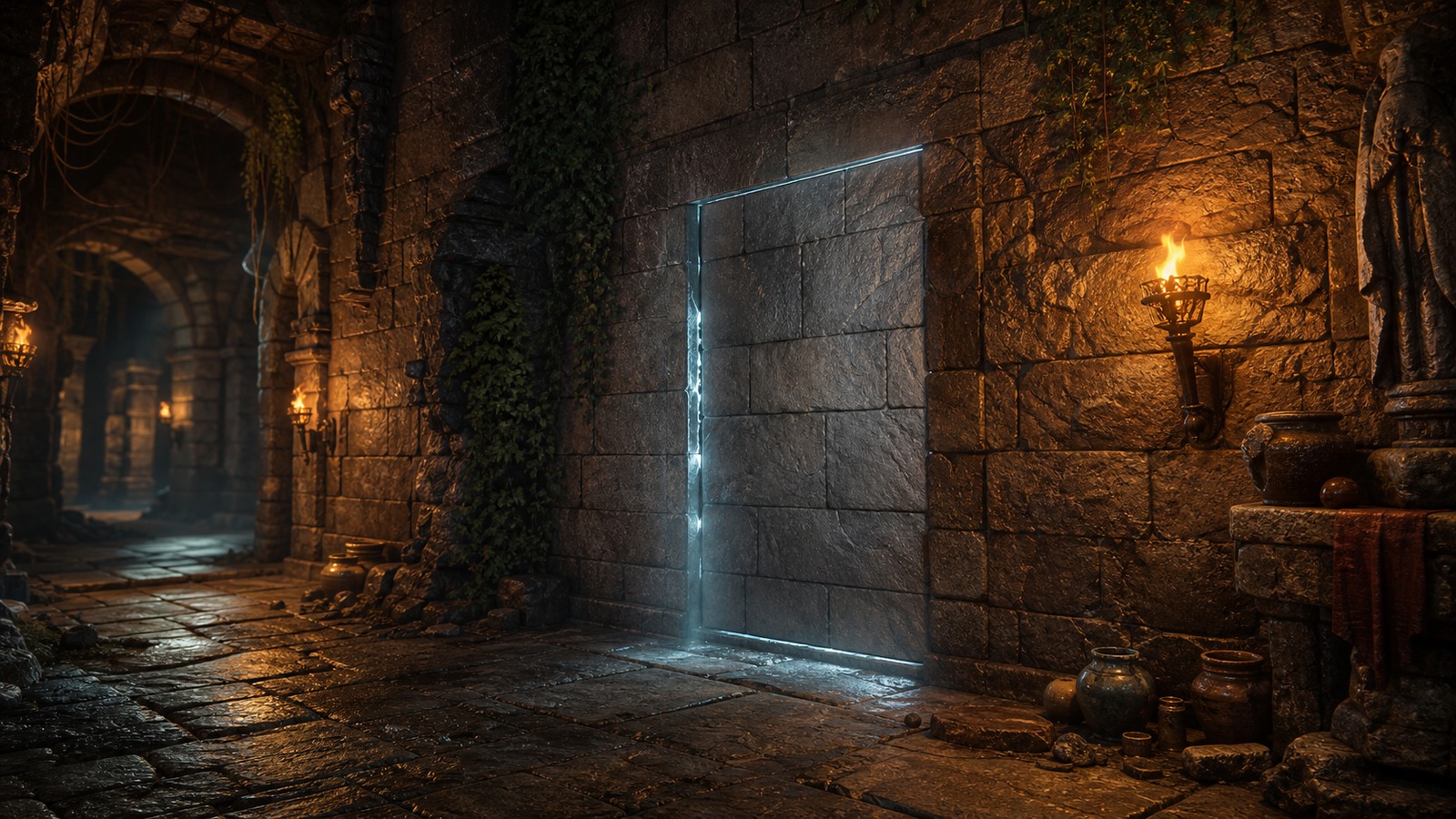
Theme parks are built like living movies. Every land, queue, and skyline is designed to keep you inside the story—yet the story only works because there’s an invisible second world humming just behind it. While guests follow winding paths and dramatic reveals, cast members, tech crews, performers, and safety teams move through hidden corridors, backstage doors, and service routes that let the park run like clockwork. These secret passages aren’t just “cool”—they’re operational magic: the shortcuts that keep characters appearing at the right moment, food arriving hot, rides running safely, and crowds flowing smoothly. What makes theme-park secret passages so fascinating is that they aren’t always tunnels and trapdoors. Some are disguised gates that look like scenery. Some are narrow corridors that slip behind shops. Some are “not-a-door” doors hidden inside murals, rockwork, or faux architecture. And some are full-on underground networks built for efficiency, safety, and surprise—so the show can stay seamless even when the reality behind it is incredibly complex.
A: Sometimes, but many “secret passages” are backstage corridors, disguised gates, or alternate queue routes.
A: It protects the story, keeps crowds calmer, and helps operations move quickly and safely.
A: Paint matching, textures, props, lighting, and placement in low-attention areas make seams disappear.
A: Yes—parks use hidden swing gates, bypasses, and reroutes to relieve pressure and rebalance traffic.
A: Generally no—staff-only routes exist for safety, security, and show integrity.
A: Not always—many are storytelling elements that suggest deeper lore without actually opening.
A: Disguised gates and backstage corridors near shops, stages, and ride buildings.
A: Yes—evacuation paths and staff access points are essential, but they’re typically themed to stay unobtrusive.
A: Look for camouflaged seams and suspiciously perfect gates—but enjoy the mystery without testing boundaries.
A: Expect more modular routing, smarter access control, and story-driven concealment as parks evolve.
What Counts as a “Secret Passage” in a Theme Park?
In theme parks, a secret passage is any hidden route that supports the illusion, protects the guest experience, and improves operations—without calling attention to itself. The most famous examples are backstage corridors that allow performers and staff to move unseen, but “secret” can also mean an alternate path built into a queue, a concealed gate that opens only during crowd surges, or a service access point that looks like a decorative wall until it swings or slides away. The best ones have two jobs at once. They create a sense of mystery for guests—an unexplained door, a suspiciously perfect seam, a gate that “doesn’t belong”—while also handling serious behind-the-scenes needs like emergency access, supply delivery, or fast travel between lands. The artistry is in how naturally they disappear into the world.
The Underground Networks That Keep the Show Alive
If you’ve ever noticed how clean and controlled a busy park feels, even at peak hours, you’ve seen the benefits of hidden circulation. Underground corridors and tunnel systems (where parks have them) are the ultimate secret passage because they remove chaos from sight. Costumed performers can travel without breaking the illusion. Maintenance teams can reach critical areas quickly. Supplies can move without carts rolling through the middle of a “storybook street.”
But the real genius is how these networks change the rhythm of the park. They create a parallel map that’s faster than the guest map. While guests follow scenic pathways designed for pacing and reveal moments, staff routes prioritize speed, safety, and access. The park becomes two overlapping worlds: one built for wonder, the other built for precision.
Disguised Doors That Hide in Plain Sight
Not every secret passage is underground. Some of the best are right in front of you—so well themed that your brain edits them out. A door becomes part of a façade. A gate becomes “just another fence.” A seam becomes “just a decorative line.” These are the passages that feel almost like a magic trick, because the concealment is psychological as much as physical.
Theme parks use color, texture, and “visual noise” to hide access points. Weathered paint, layered signage, busy masonry patterns, and stacked props all help break up shapes that would otherwise scream “door.” Even the placement matters: a hidden exit beside a naturally dark corner, or a staff gate tucked behind a planter, can stay invisible in a crowd.
The Queue Switchbacks You Never Realize Are Modular
Queues are full of secret passage logic—because queues are engineered for change. Parks need to manage capacity swings, weather shifts, breakdowns, and surprise surges. So many queues are built with alternate corridors, switchable gates, or staff-controlled cut-throughs that can reroute guests quickly without making it feel like a disruption.
The best queue “passages” are the ones that feel like part of the story. A hallway that looks like it’s only for theming might actually be a bypass. A set of doors that look decorative might conceal a merge point. When the park needs to re-balance traffic, these quiet options become powerful tools—and most guests never notice the infrastructure doing its work.
The Hidden Performance Corridors That Protect the Illusion
One of the most iconic reasons for theme-park secret passages is character movement. The illusion depends on characters appearing where they’re supposed to be—without being spotted walking between worlds in the wrong context. So parks build corridors, gates, and backstage access points that let performers travel quickly and emerge “as if by magic.”
These routes also protect performers. They provide shade, security, and direct travel away from crowd pressure. And they allow timing to stay sharp: a parade hit, a meet-and-greet, or a stage entrance can happen on schedule because the path behind the curtain is designed like a professional theater—just scaled up to an entire city.
Service Alleys: The “Invisible Streets” Behind Every Land
If the guest-facing park is a themed city, the backstage area is a working city. Service alleys are the arteries for deliveries, trash removal, catering, repairs, parade storage, and emergency access. They aren’t glamorous—but they’re essential secret passages, because they keep functional realities out of the show.
What’s fascinating is how carefully parks design the boundaries between guest and service worlds. There are controlled sightlines, “one-way” doors, sound buffers, and scenery walls that hide noise and motion. Even the angle of a backstage gate matters, because a single accidental view can crack the illusion. The best parks treat these separations like stagecraft: if you can’t see the trick, you believe the magic.
The Utility Spaces That Make Environments Feel Real
A theme park’s “reality” is built from tiny details: lighting cues, ambient sound, scent moments, timed effects, and hidden speakers that follow you through space. Many secret passages aren’t for people at all—they’re for infrastructure. Narrow access tunnels, hidden hatches, and disguised panels allow tech teams to reach lighting rigs, audio lines, control boxes, and effect equipment. These spaces can be shockingly dense. Behind a single themed wall might be wiring channels, ventilation, audio distribution, and service access—layered like a backstage theater, but disguised as stone or wood. It’s the unseen architecture that makes a dragon breathe, a temple rumble, or a street feel alive at night.
Ride Exits and Emergency Routes That Stay Invisible Until Needed
Safety is the quiet superpower of great theme parks. Every ride must have clear evacuation pathways, staff access points, and emergency exits—yet those elements must remain unobtrusive, so guests don’t feel like they’re walking through a factory. That creates a special category of secret passage: the “there when you need it” route.
These passages are designed to be instantly usable without being visually loud. Hidden doors blend into scenery but open fast. Access gates are placed where staff can reach them quickly. Corridors are planned so an evacuation can happen smoothly, even in low light or bad weather. When the park is operating normally, you may never notice them—because the best safety design feels like nothing at all.
Interactive “Mystery Doors” That Add Story Without Breaking It
Modern theme parks love environmental storytelling, and secret passages are perfect for it. A locked door with a strange symbol, a seam that suggests a hidden chamber, a gate that looks like it belongs to a secret society—these details create a feeling that the world is deeper than what you can access. Even if the door never opens, it still works as a narrative device.
Sometimes the mystery is functional too. Parks may use disguised access doors as part of interactive experiences, where lighting, sound, or subtle movement makes an area feel responsive. The result is a world that feels layered—like there are secrets everywhere—without actually turning guests loose backstage.
Why We’re Obsessed With Theme-Park Secret Passages
Secret passages hit something primal: curiosity, discovery, the feeling that there’s a hidden map beneath the surface. Theme parks amplify that because they’re already built as playful realities. When you suspect a hidden door exists, it feels like the park is winking at you—inviting you to imagine the “real” adventure is just behind the wall.
And there’s another reason: secret passages reveal craftsmanship. They show how much work goes into making wonder feel effortless. The best hidden routes are proof that a theme park is not just rides—it’s choreography, architecture, theater, and logistics fused into one giant story machine.
How to Spot a Secret Passage Without Being “That Person”
If you want to enjoy the mystery while staying respectful, think like a designer, not a detective. Notice repeating textures that could hide seams, gates that match the scenery too perfectly, or “decorative” areas placed where staff would logically need access. Look for subtle hints like a path that seems unusually wide, a fence line that looks like it could swing, or a section of rockwork that feels engineered rather than natural.
But the fun is in the wondering, not the proving. Secret passages exist to support safety and operations. Enjoy the design language, admire the illusion, and let the park keep some of its mystery intact—because the unknown is part of the magic.
The Future of Secret Passages
As parks evolve, hidden circulation will become even smarter. Expect more modular crowd routing, more disguised access points for tech upgrades, and more story-driven “false doors” that deepen immersion. You’ll also see secret passages designed around flexibility: spaces that can change with seasonal overlays, special events, or new interactive layers. The best secret passages in theme parks will always share the same goal: keep the guest world beautiful, coherent, and surprising—while the operational world stays efficient, safe, and invisible. The show must go on, and these hidden routes are the reason it can.