Why Hidden Spaces Terrify Us
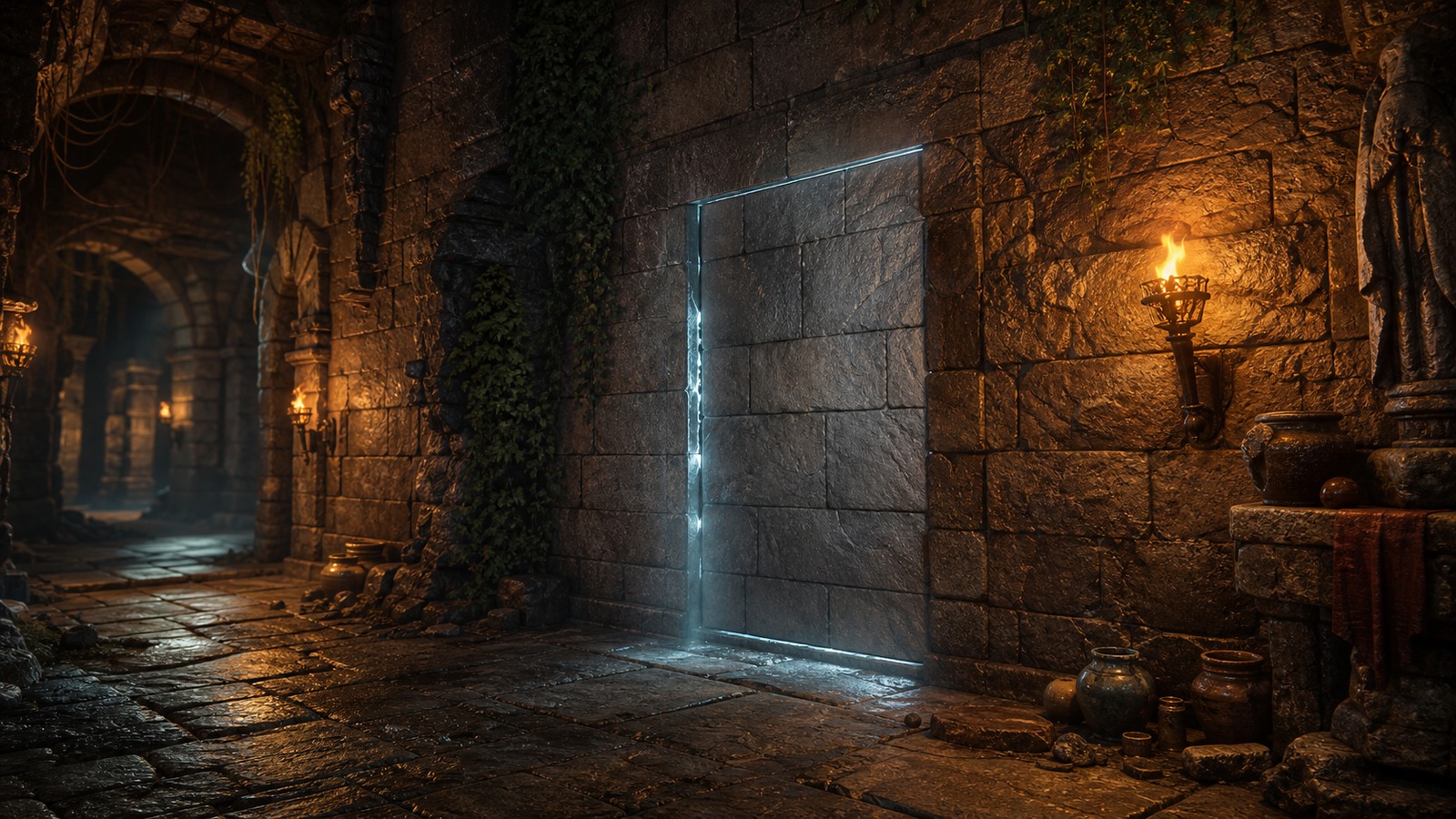
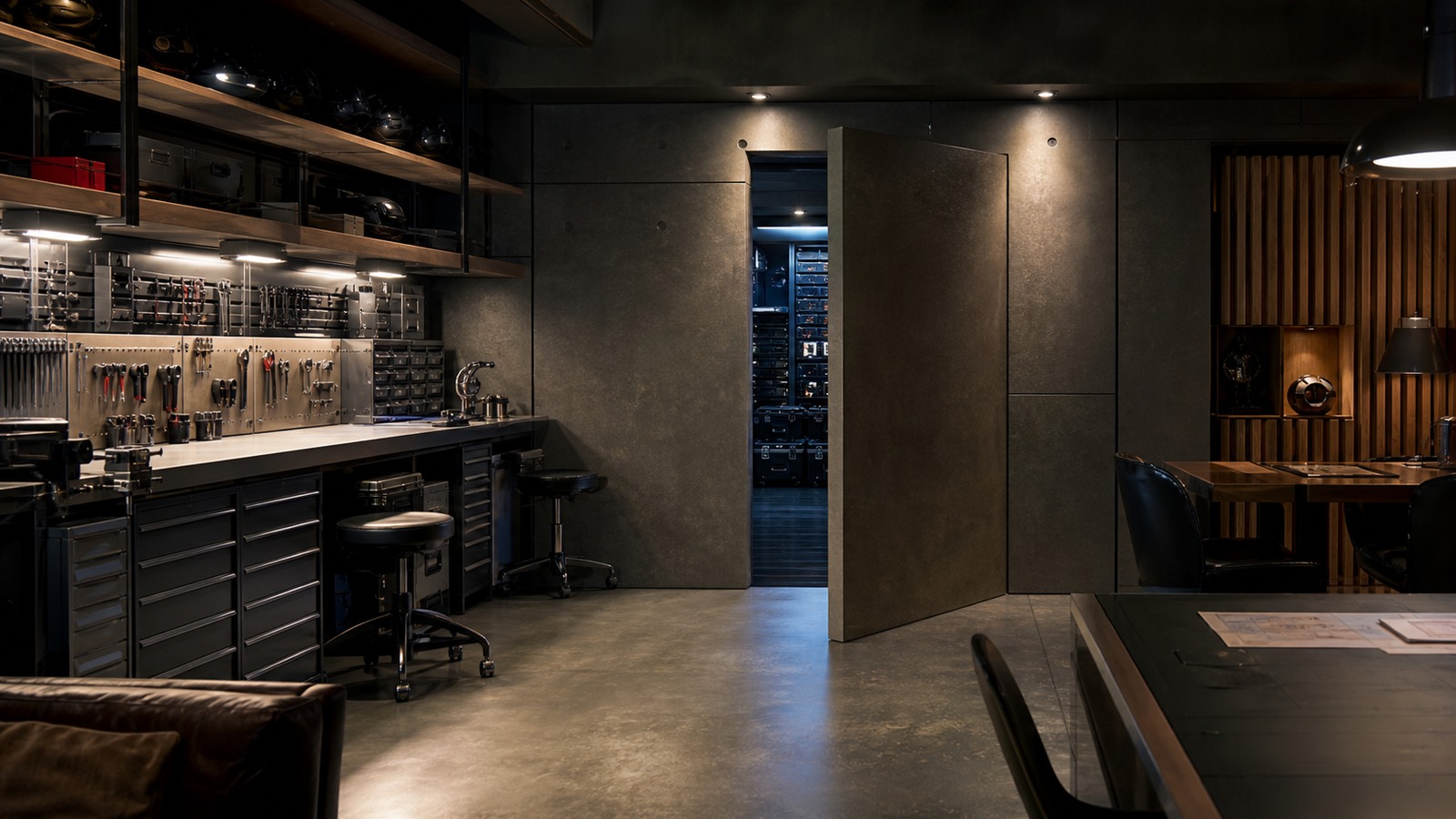
Secret passageways have long been one of horror cinema’s most haunting visual and narrative devices. A locked corridor behind a bookcase, a narrow tunnel concealed beneath a staircase, or a hidden crawlspace buried inside the walls can instantly change the emotional temperature of a story. These spaces suggest that a house, an asylum, a hotel, or even an ordinary family home contains more than it first revealed. In horror films, that idea is deeply unsettling because it turns architecture into a liar. What looks stable and familiar becomes mysterious, unstable, and unknowable. The power of secret passageways in horror films comes from what they imply rather than what they show. A hidden hallway means someone designed concealment into the building. A tunnel means someone moved through darkness before the current characters arrived. A sealed room means there are memories, crimes, rituals, or creatures waiting behind it. The moment a character discovers an unseen route, the film expands beyond its apparent boundaries. The house becomes bigger on the inside, not in a magical or wondrous way, but in a threatening one. Horror thrives on that revelation because fear often begins when the world stops obeying the rules we thought we understood.
A: They create suspense, suggest hidden history, and make familiar spaces feel dangerous and deceptive.
A: They often symbolize repressed trauma, buried family secrets, or truths characters have avoided facing.
A: They are narrow, dark, and unknown, which heightens claustrophobia and uncertainty.
A: Not always, but they usually hide evidence, memory, or access to something threatening.
A: They turn an ordinary, intellectual object into a mask for danger and concealment.
A: They disrupt the layout of the building and make escape routes feel unreliable.
A: They began in Gothic storytelling but still work powerfully in modern homes, hotels, and institutions.
A: Those spaces already feel isolated, so hidden access makes them even more unnerving.
A: Slow discovery, eerie sound design, and the sense that the space should never have been found.
A: Because it combines curiosity and fear, making viewers want to look even when they know they should not.
The House as a Living Trap
One reason secret passageways are so effective in horror films is that they transform setting into an active force. In many genres, a house is merely a backdrop. In horror, the house often behaves like a character, and hidden doors or concealed tunnels give that character agency. The structure seems to watch, hide, mislead, and manipulate. Walls become masks. Hallways become arteries. Trapdoors become open wounds in the floor. Instead of providing shelter, the building begins to feel like a machine built for secrets. This is especially frightening because horror films often rely on domestic environments that should feel safe. Bedrooms, hallways, attics, basements, and closets are places viewers recognize from their own lives. When a film suggests that one of those spaces could contain an unseen route to somewhere forbidden, it attacks the audience’s trust in everyday architecture. A secret passageway tells viewers that danger does not always arrive from outside. Sometimes it has been inside the house the entire time, silent and patient, hiding behind wallpaper, wood paneling, or plaster.
Secret Passageways as Symbols of Repressed History
In horror films, hidden spaces rarely exist without narrative purpose. They often symbolize buried trauma, family shame, or violent history that characters have tried to suppress. A concealed room is not just a cool visual element. It is usually a metaphor for the parts of the past that no one wants to confront. When a protagonist finds a hidden corridor, the discovery usually leads to a truth that has been covered up for years, sometimes for generations.
This connection between architecture and memory is one of the reasons secret passageways remain so compelling. Horror is filled with stories about things returning, especially emotions, crimes, and curses that were never properly faced. A bricked-up tunnel or hidden cellar becomes a physical representation of denial. The more carefully it has been concealed, the more terrible the secret behind it often becomes. The audience learns to fear the hidden passage not only because something may be inside it, but because the passage itself proves that concealment was intentional. Someone knew. Someone hid it. Someone wanted it forgotten.
The Fear of Being Watched
Secret passageways in horror films often carry another deeply unsettling implication: someone may have been using them to observe others. A hidden route between walls, ceilings, or vents introduces the terrifying possibility that privacy has been an illusion. Characters who believed they were alone may have been watched while sleeping, arguing, grieving, or relaxing. That revelation converts intimacy into vulnerability. This idea is especially effective because it attacks one of the most basic assumptions people rely on inside their homes. The bedroom is supposed to be private. The bathroom is supposed to be secure. The hallway is supposed to lead where it appears to lead. When horror films introduce hidden vantage points, peepholes, narrow maintenance tunnels, or concealed corridors, they turn the home into a stage where the characters have unknowingly been performing for an unseen audience. That shift creates paranoia, and paranoia is one of horror’s most powerful emotional tools. The audience begins to question every wall, every sound, and every shadow.
Secret Passageways and the Logic of Pursuit
Horror films also use secret passageways to intensify chase sequences and physical suspense. A hidden staircase or tunnel can change the geography of a scene in seconds. Characters who thought they knew where exits were located suddenly become disoriented. A killer can appear where no one expects. A victim can flee into a route that seems like salvation only to discover it leads deeper into danger. The more the building conceals, the more unstable the characters’ sense of direction becomes.
This disruption of spatial logic matters because horror depends heavily on control and its collapse. Characters feel safer when they can map their environment. They know where the front door is, where the windows are, and where they might hide or escape. Secret passageways destroy that certainty. They introduce routes that are invisible until the moment they matter most. That makes pursuit scenes more suspenseful because the architecture itself becomes unpredictable. A wall can open. A floor can give way. A wardrobe can pivot. A hidden corridor can carry a monster, ghost, or human threat into the heart of a supposedly secure room.
Gothic Roots and Cinematic Legacy
The use of secret passageways in horror films has deep roots in Gothic storytelling. Long before modern horror cinema, Gothic novels filled castles, mansions, convents, and estates with hidden staircases, sealed chambers, and shadowy corridors. These features served both practical and symbolic functions. They created suspense, encouraged exploration, and suggested that old institutions were built on secrecy and corruption. Horror films inherited this tradition and adapted it to visual storytelling.
Classic Gothic imagery remains powerful because it connects fear to architecture, lineage, and inheritance. In many horror stories, the building is older than the characters and carries the weight of previous lives. Secret passageways reinforce that feeling of inherited mystery. They remind viewers that they are entering a place shaped by earlier generations, earlier crimes, and earlier obsessions. Even when modern horror films shift from castles to suburban homes, apartment buildings, or roadside motels, the Gothic logic remains. The hidden route still means there is a buried truth inside the structure, and that truth is almost never comforting.
The Difference Between Mystery and Horror
Not every hidden passageway belongs to horror. Mystery stories, adventure tales, and family fantasy films have long used secret corridors as sources of excitement and discovery. In those stories, secret spaces can feel playful, clever, or liberating. Horror uses the same physical device differently. The key distinction is tone. In horror, a passageway is rarely an invitation to wonder. It is an invitation to dread.
The atmosphere around the discovery matters enormously. The sound design may soften into eerie silence. Dust hangs in the beam of a flashlight. The opening in the wall appears too narrow, too dark, too old. Instead of promising treasure or escape, the hidden route suggests contamination, trespass, or violation. It may smell rotten, contain personal artifacts, or lead to a site of ritual or imprisonment. Horror turns the secret passageway into a threshold the character should not cross, while also making that crossing narratively irresistible. That tension between curiosity and warning is central to the genre.
Sound, Lighting, and Claustrophobia
Part of what makes secret passageways so effective in horror films is their sensory potential. These spaces are often cramped, dimly lit, and acoustically strange. Sounds echo differently inside them. Breathing becomes louder. Footsteps become sharper. Every scrape of wood, creak of floorboards, and rustle of clothing seems magnified. Horror filmmakers understand that a narrow, enclosed passage can make even a quiet scene feel excruciatingly tense.
Lighting also plays a crucial role. A hidden tunnel lit only by a flickering flashlight or a weak candle creates uncertainty at the edge of the frame. The audience cannot fully see what lies ahead or behind. That limited visibility amplifies dread because the mind fills in what the eye cannot confirm. Claustrophobia adds yet another layer. Secret passageways often force characters to crouch, crawl, squeeze, or move slowly. The lack of mobility makes them feel trapped even before a threat appears. In horror, confinement is terrifying because it reduces options. A character who enters a tight tunnel cannot easily fight, run, or even turn around.
Hidden Routes as Moral Crossings
In many horror films, entering a secret passageway is more than a physical action. It is a moral and emotional crossing. The character chooses to move from ignorance into forbidden knowledge. That decision can be heroic, reckless, desperate, or tragically unavoidable, but it is almost always transformative. Once the hidden space has been entered, the character cannot fully return to the innocent understanding they had before.
This is why these scenes often feel ritualistic. A door slides open. A panel shifts. A stairwell appears where there should be none. The character pauses, listens, and then descends. The passage becomes a threshold between the visible world and the repressed one beneath it. In symbolic terms, it is a movement into the subconscious, into memory, or into the truth behind appearances. Horror films use that transition to give physical form to psychological descent. The secret passageway is not only inside the house. It is also inside the story’s emotional logic.
Villains, Monsters, and Ghosts in the Walls
Secret passageways are especially powerful when they imply mobility for whatever haunts the film. If a ghost, killer, creature, or stalker can move through unseen routes, then conventional barriers lose their meaning. Locked doors, closed rooms, and carefully guarded boundaries no longer feel reliable. The audience begins to sense that the threat is everywhere because the architecture itself provides invisible access. This creates a particularly rich kind of fear. It is not just that the antagonist is strong or supernatural. It is that the antagonist belongs to the house more completely than the protagonists do. The villain knows where the hidden panels are, where the wall cavities connect, where the tunnel exits emerge, and where the blind corners lie. That familiarity turns the building into an accomplice. Even supernatural horror benefits from this logic. A ghost associated with hidden rooms and forgotten corridors feels embedded in the structure, as though the haunting and the architecture were created for each other.
Why Audiences Never Get Tired of Them
Secret passageways have endured in horror because they tap into several primal fears at once. They speak to fear of the unknown, fear of confinement, fear of invasion, fear of being watched, and fear of the past returning. They also satisfy a deep narrative curiosity. Viewers want to know what is behind the wall, under the floor, or beyond the sealed door, even when they are certain the answer will be terrible. Horror thrives in that gap between desire and dread.
These hidden spaces also remain visually rich. They allow filmmakers to create memorable reveals, tense explorations, and dramatic changes in spatial understanding. A single concealed corridor can deepen mythology, raise suspense, and transform an ordinary location into an iconic horror setting. That efficiency makes secret passageways one of the genre’s most useful devices. They are simple to understand, endlessly adaptable, and loaded with symbolic force.
The Enduring Appeal of the Hidden Corridor
At their best, secret passageways in horror films do more than provide jump scares or creepy production design. They reshape the viewer’s relationship to space itself. They suggest that the familiar world is thinner than it appears and that terrible things can exist just inches away, separated only by wood, plaster, brick, or darkness. That is one of horror’s most enduring promises: the ordinary world is never as sealed, solid, or safe as it seems. That is why secret passageways continue to fascinate audiences. They are not merely old-fashioned Gothic leftovers or decorative genre tropes. They are cinematic expressions of hidden fear. They remind us that walls can conceal history, homes can harbor violence, and architecture can become a map of dread. The hidden corridor, the sealed stair, and the tunnel behind the wall continue to terrify because they embody a timeless horror idea: the worst things are often already inside, waiting to be found.