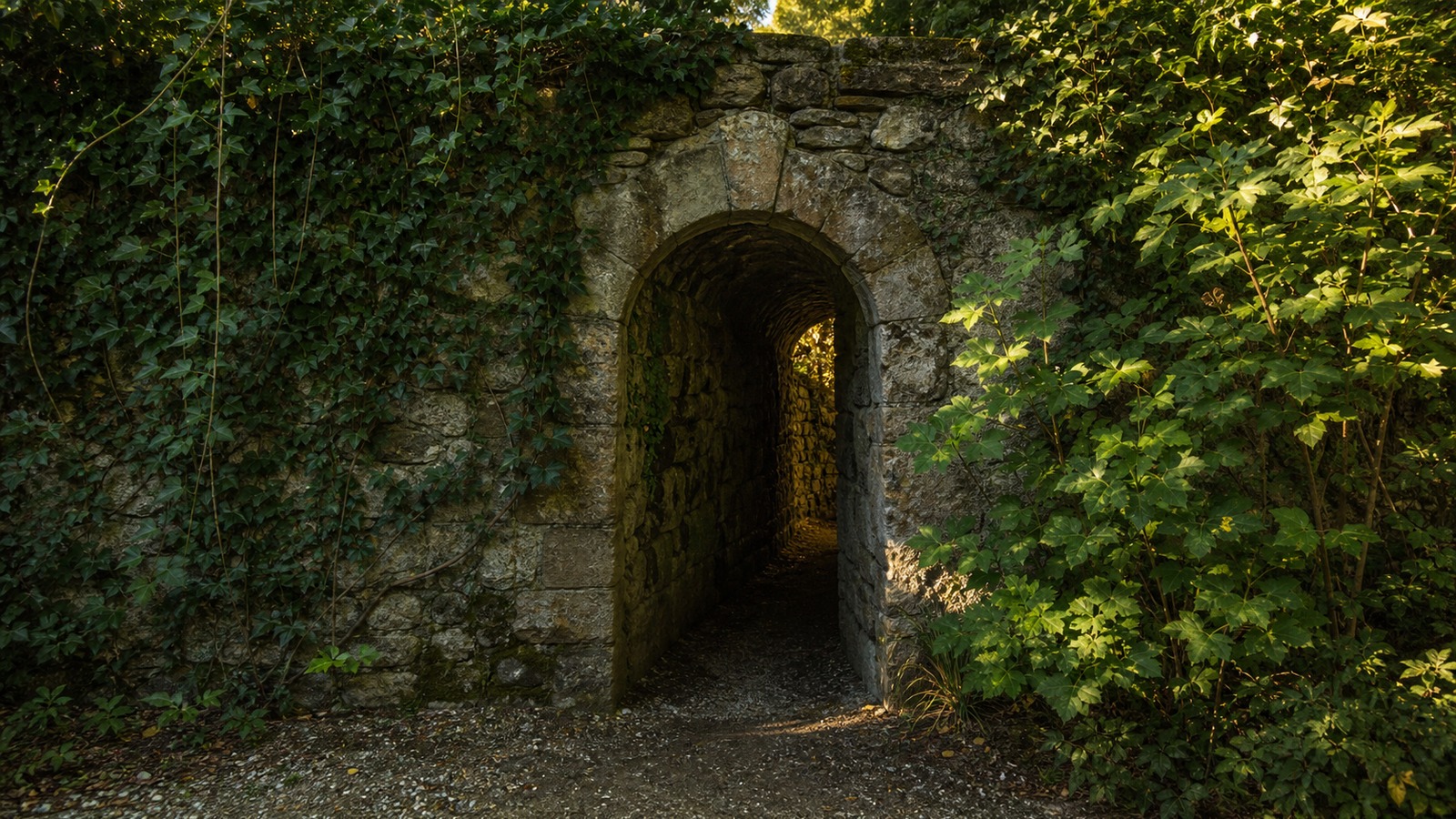
Secret doors have fascinated people for centuries. Once the stuff of castles, libraries, and mystery novels, they are now increasingly popular in modern homes, offices, and creative spaces. A secret door can conceal a safe room, hide a home office, protect valuables, or simply add an unforgettable architectural twist. But the question almost everyone asks before committing to the idea is straightforward: how much does it actually cost to build a secret door? The answer is nuanced. The price of a secret door depends on design complexity, materials, location, labor, and how invisible you want the final result to be. A simple concealed panel can be surprisingly affordable, while a high-end rotating bookshelf with custom hardware can rival the cost of a full room renovation. Understanding what drives those costs is the key to planning a project that fits your vision and your budget. This guide breaks down everything that goes into the cost of building a secret door, from entry-level solutions to luxury installations, so you can make informed decisions without sacrificing creativity or quality.
A: A DIY flush panel using standard materials.
A: Custom pivot bookcase or reinforced security doors.
A: They boost appeal, not guaranteed appraisal value.
A: Yes, but framing changes may raise costs.
A: Usually, but with limited design flexibility.
A: High-quality builds can last decades.
A: For security-focused doors, yes.
A: It adds cost but dramatically improves performance.
A: Mostly hinge and alignment checks.
A: Underspending on hardware.
What Defines a “Secret Door”?
Before diving into costs, it helps to clarify what qualifies as a secret door. At its core, a secret door is designed to blend seamlessly into its surroundings so that it does not immediately appear to be a door at all. Unlike a standard interior door with visible hinges and trim, a secret door is disguised as part of the wall, cabinetry, shelving, or architectural detailing.
Some secret doors are subtle and minimalist, using flush panels and invisible hardware. Others are dramatic and decorative, such as bookcases that swing open or mirrors that conceal a passage. The level of disguise plays a major role in cost. The more convincing the illusion, the more planning, precision, and craftsmanship is required.
Entry-Level Secret Doors: Affordable Concealment
At the lower end of the cost spectrum are basic concealed doors designed primarily for visual disguise rather than heavy-duty use. These often involve converting an existing doorway into a flush wall panel or hidden cabinet-style door.
For homeowners with basic carpentry skills, a DIY hidden door project can cost anywhere from a few hundred to around a thousand dollars. Materials typically include plywood or MDF panels, hidden hinges, magnetic latches, and finishing materials such as paint or wallpaper. The main expense is not the materials themselves but the precision required to align seams and finishes so the door disappears into the wall.
Professionally installed entry-level secret doors usually fall in the low four-figure range. Contractors charge for framing adjustments, drywall work, trim removal, and precise finishing. Even at this level, the door can be remarkably effective, especially in minimalist interiors where clean lines and uniform surfaces make concealment easier.
Mid-Range Secret Doors: Style Meets Function
Most homeowners interested in secret doors land in the mid-range category. These doors go beyond simple concealment and become functional design features. Popular examples include hidden bookcases, storage walls with concealed access, or decorative panels that open into another room.
Mid-range secret doors typically cost several thousand dollars. Materials are higher quality, hardware is more robust, and customization becomes part of the process. A swinging bookshelf door, for example, requires a strong pivot hinge system capable of supporting significant weight while remaining smooth and quiet. The shelving itself must be engineered so it looks natural and remains balanced when the door moves.
Professional labor becomes more specialized at this level. Installers must account for weight distribution, wall structure, and long-term durability. The finishing work is also more detailed, ensuring that gaps remain consistent and that the door blends perfectly with surrounding cabinetry or millwork.
High-End and Luxury Secret Doors
At the top end of the market are fully custom secret doors that integrate seamlessly into architectural design. These projects often involve custom metal hardware, reinforced framing, motorized mechanisms, or biometric access systems. The goal is not just concealment but a sense of craftsmanship and theatrical impact.
Luxury secret doors can cost tens of thousands of dollars, especially when they are part of a larger renovation or safe room build. Materials may include solid hardwoods, steel frames, acoustic insulation, and specialty finishes. Some high-end installations use push-to-open systems, hidden pivots embedded into floors and ceilings, or electronically controlled locking mechanisms.
In these cases, the door itself is only part of the cost. Structural modifications, electrical work, security integration, and custom fabrication all contribute to the final price. While expensive, these doors offer unmatched durability, security, and visual impact.
How Materials Affect the Price
Material choice is one of the biggest cost drivers in any secret door project. Lightweight materials such as MDF and hollow-core panels are affordable and easy to work with, making them suitable for basic hidden doors. However, they may lack durability and can warp over time if not properly sealed.
Solid wood doors offer warmth, strength, and longevity, but they significantly increase both material and labor costs. Exotic hardwoods or custom veneers raise the price further. Metal components, such as steel frames or reinforced pivots, are often necessary for heavy doors and add to overall expense. Finishes also matter. A door painted to match the wall is relatively inexpensive compared to one clad in stone veneer, custom paneling, or integrated shelving. The more the door mimics its surroundings, the more materials and labor are required to achieve the illusion.
Hardware: The Hidden Backbone
Secret door hardware is where function meets engineering. Standard hinges are rarely sufficient, especially for heavy or oversized doors. Instead, concealed pivot hinges, offset pivots, or specialty hidden hinge systems are used. These components are designed to support weight while remaining invisible when the door is closed.
Quality hardware can range from modestly priced to very expensive, depending on load capacity and precision. Cheaper hardware may work initially but can fail over time, causing sagging or misalignment that ruins the illusion. Investing in high-quality hardware often saves money in the long run by reducing maintenance and repair costs.
Locking mechanisms also vary widely. Simple magnetic catches are inexpensive and effective for low-security doors. More advanced options include mechanical latches disguised as decor elements or electronic locks controlled by keypads, RFID cards, or biometric scanners. Each upgrade adds to the overall cost.
Labor and Installation Costs
Labor is often the single largest expense in a secret door project. Even a relatively simple hidden door requires careful measurement, framing adjustments, and finish work. Unlike standard doors, secret doors leave little room for error. A gap that is slightly too wide or a panel that does not align perfectly can immediately reveal the door’s presence.
Carpenters, finishers, and sometimes metal fabricators or electricians may all be involved. The more complex the design, the more specialized the labor required. In regions with higher labor costs, installation expenses can rise significantly.
DIY projects can reduce labor costs, but they come with risks. Mistakes can lead to additional expenses, especially if structural elements are compromised. Many homeowners choose a hybrid approach, handling basic prep work themselves and hiring professionals for critical stages.
Structural Considerations and Their Impact
Not all walls are created equal, and the location of a secret door can dramatically affect cost. Installing a hidden door in a non-load-bearing interior wall is relatively straightforward. Cutting into a load-bearing wall, on the other hand, requires structural reinforcement such as headers or steel supports. If the door leads to a stairwell, basement, or hidden room, additional framing and code compliance work may be necessary. These structural considerations add both time and expense to the project. Consulting with a professional early can help avoid costly surprises later.
Security vs. Aesthetics
Some secret doors are purely decorative, while others are designed for security. The intended purpose influences both design and cost. A door meant to hide a pantry or reading nook does not need the same level of reinforcement as one protecting valuables or a safe room.
Security-focused secret doors often require thicker cores, reinforced frames, and advanced locking systems. Acoustic insulation and fire resistance may also be added. Each layer of protection increases material and labor costs but provides peace of mind and long-term value.
Customization and Design Complexity
Customization is where secret doors truly shine, but it is also where costs can escalate quickly. Custom designs require detailed planning, mockups, and often bespoke fabrication. Matching existing architectural details, cabinetry profiles, or historic trim adds complexity.
Designers and architects may be involved to ensure the door integrates seamlessly with the overall space. Their fees are part of the total project cost but can significantly enhance the final result. A well-designed secret door feels intentional rather than gimmicky, which adds value beyond its novelty.
Permits, Codes, and Compliance
Depending on location and use, permits may be required for building a secret door. If the project involves structural changes, electrical work, or modifications to egress paths, local building codes come into play. Compliance ensures safety but can add time and expense. Ignoring permits can lead to problems during inspections or resale. Factoring regulatory requirements into the budget from the start helps avoid unexpected costs and delays.
Maintenance and Long-Term Costs
The initial build is only part of the financial picture. Secret doors, especially those with moving parts and heavy loads, require maintenance. Hinges may need adjustment, finishes may need touch-ups, and electronic components may need replacement over time.
High-quality materials and hardware reduce maintenance costs but increase upfront investment. Considering long-term durability when budgeting can result in lower overall costs over the life of the door.
Is a Secret Door Worth the Cost?
Whether a secret door is worth the investment depends on your goals. For some, it is about security or privacy. For others, it is about creativity and architectural intrigue. A well-executed secret door can increase a home’s appeal, create memorable spaces, and provide functional benefits that go beyond aesthetics.
From a financial perspective, secret doors are rarely about direct return on investment. Their value lies in experience, uniqueness, and personal satisfaction. When designed thoughtfully and built well, they become a lasting feature rather than a novelty.
Final Thoughts on Budgeting for a Secret Door
The cost to build a secret door can range from modest to extravagant, shaped by design choices, materials, and craftsmanship. A simple hidden panel might fit comfortably within a modest budget, while a fully custom, security-focused installation can rival the cost of major renovations. The key is clarity. Knowing what you want the door to do, how invisible it needs to be, and how long you expect it to last will guide your budget decisions. With careful planning and the right professionals, a secret door can be one of the most exciting and rewarding additions to any space. In the end, the true cost of a secret door is not just measured in dollars but in the sense of wonder it brings every time it quietly opens to reveal what lies beyond.