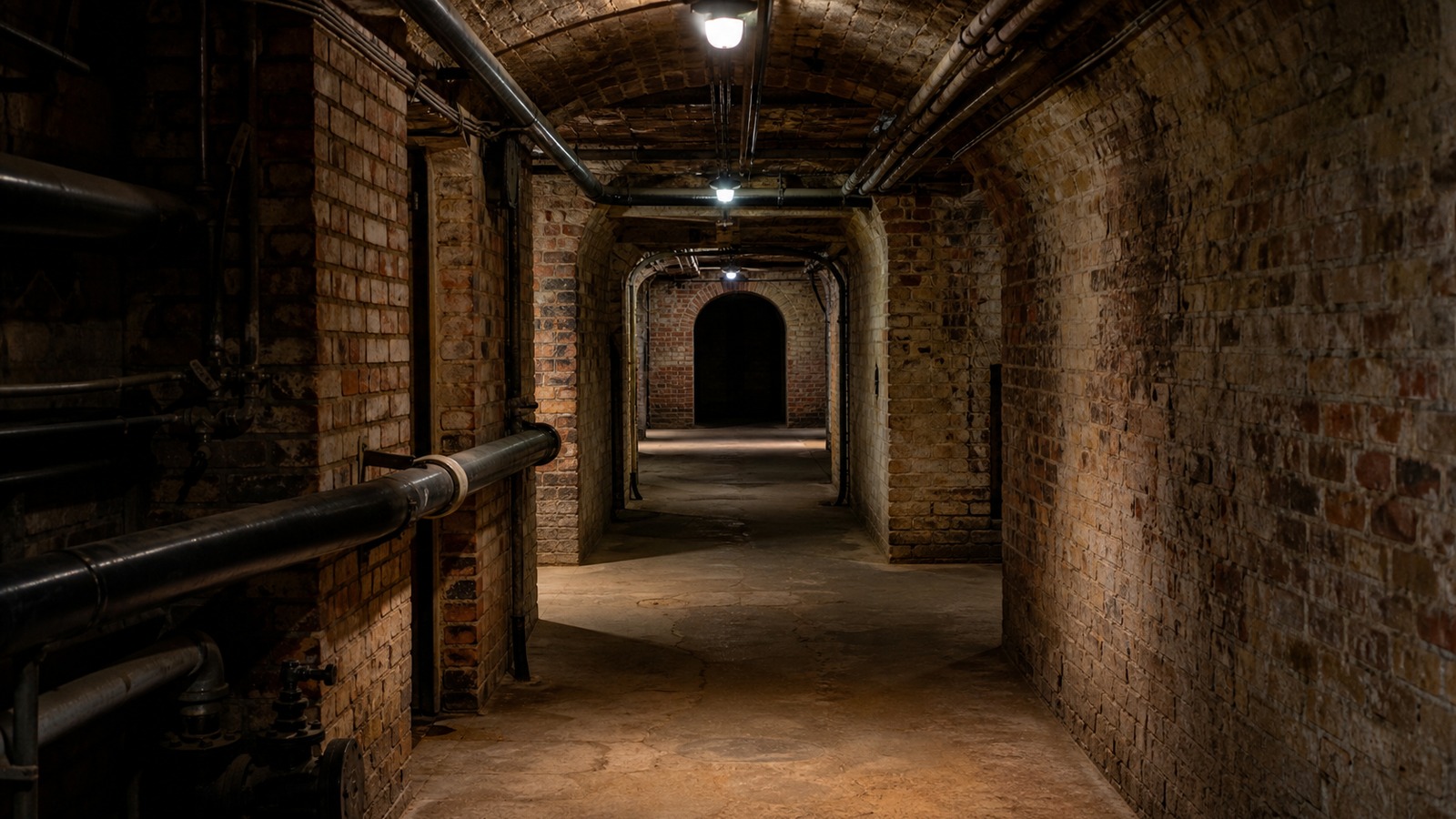
Secret doors have always captured the human imagination. Whether in a medieval castle, a mystery novel, or a blockbuster film, the idea of a concealed passage sparks curiosity and excitement. Today, homeowners and designers are increasingly bringing that sense of wonder into real living spaces. Adding a secret door to an existing room is not only about mystery—it’s also about practicality, security, and sophisticated design. From concealing storage to creating private retreats, a secret door transforms an ordinary wall into a portal to the unexpected. This article explores how to add a secret door to your existing room, covering history, design considerations, construction techniques, customization, and the psychology of secrecy that makes these entrances so alluring.
A: Check joist direction in attic/basement and look for stacked framing; when in doubt, get a structural check.
A: Sometimes, but relocating is common—keep boxes accessible and cables protected.
A: Flush paint-matched panel on concealed hinges or a top-hung slider with a simple jamb kit.
A: Yes—skin the face to match the wall, tighten reveals, and swap to low-profile hardware.
A: Not by default—add perimeter seals, mass, and proper latching; full isolation needs dedicated design.
A: Concealment is the first layer; use reinforced frames and multi-point latches if security is a priority.
A: Simple panel swaps can be a day; structural reframes and custom faces run several days to weeks.
A: Often yes if you alter structure/electrical; check local requirements before framing.
A: Use touch latches, edge finger pulls, or a magnetic cover cap over a recessed ring pull.
A: DIY flush panels can be under $800; custom pivot/bookcase systems commonly range $2,000–$6,000+.
The Fascination with Secret Doors
The appeal of secret doors is timeless. Historically, they were built into castles and estates as escape routes or to hide valuables. Nobility often used them to maintain privacy or evade political rivals, while monks and scholars created hidden rooms for safekeeping rare manuscripts. In literature and film, secret doors symbolize mystery and adventure, from Sherlock Holmes’s hidden panels to Hollywood thrillers where protagonists slip through concealed passages. Today, adding a secret door to a room isn’t just about fantasy—it’s about embracing history, culture, and design ingenuity while making the most of modern living spaces.
Why Add a Secret Door?
There are several reasons homeowners decide to incorporate a secret door. For some, it’s about security. A safe hidden behind a bookshelf door or a panic room concealed within a master suite provides peace of mind. For others, it’s about aesthetics and style—a hidden entrance adds sophistication and intrigue to any home. Families often find practical use in secret doors for storage, disguising pantries, closets, or laundry rooms in plain sight. Meanwhile, for the creatively inclined, a secret door can become a source of fun and wonder, especially for children who delight in the sense of adventure. Ultimately, the decision to add a secret door combines functionality with the desire to own something extraordinary.
Choosing the Right Type of Secret Door
Before construction begins, it’s important to decide what type of secret door best suits your space. Options range from bookshelf doors, which swing open to reveal hidden rooms, to mirror doors, which double as elegant full-length mirrors while concealing entrances. Trapdoors in floors or ceilings provide vertical access, while panel doors blend seamlessly into walls, maintaining architectural continuity. More modern approaches include artwork doors, where a framed painting opens to reveal a hidden passage. Each type has its strengths, and the best choice depends on your design goals, available space, and intended use of the hidden area.
Assessing the Space
Adding a secret door to an existing room requires careful evaluation of the space. First, consider the structural integrity of the wall where the door will be installed. Load-bearing walls may complicate the project, requiring reinforcements to maintain stability. Electrical wiring, plumbing, or HVAC ducts within the wall must also be identified and rerouted if necessary. Ceiling height, floor level, and adjoining rooms should all be taken into account to ensure the door fits seamlessly into its environment. For many homeowners, this stage involves consultation with a contractor or architect who can provide insight into feasibility and safety.
Design Integration: Blending In
The key to a successful secret door is its ability to disappear into the room’s design. To achieve this, the door should mirror its surroundings as closely as possible. For bookshelf doors, this means using the same wood finish and shelving style as nearby furniture. For panel doors, it involves aligning wall patterns, trim, or paint colors so the door looks like part of the wall. Mirror doors can serve a dual purpose by enhancing light and space while concealing the entrance. The goal is to avoid anything that might draw unnecessary attention. A secret door should appear ordinary until revealed, giving it both charm and effectiveness.
Materials and Mechanisms
Selecting the right materials and mechanisms is crucial. Solid wood or composite panels are often used for bookshelf or paneled doors, ensuring durability and weight-bearing capacity. For mirrors, tempered glass is preferred for safety and strength. Hinges must be heavy-duty and designed for concealed installation. Some secret doors operate on pivot hinges, allowing them to swing open dramatically, while others use standard hidden hinges for subtle movement. More advanced designs may include sliding tracks, magnetic latches, or even automated mechanisms that open with biometric or RFID access. These mechanical details not only affect usability but also determine how convincingly the door blends into its surroundings.
Building a Secret Bookshelf Door
One of the most popular types of secret doors is the bookshelf door. Building one requires precise craftsmanship. First, a sturdy frame must be constructed, capable of supporting the weight of shelves filled with books or decorative items. Next, hinges must be installed in a way that allows the entire bookshelf to swing open without damaging the structure. Counterweights or casters may be added to make operation smoother. The face of the bookshelf should be styled to match existing furniture, ensuring it looks natural. Once complete, the bookshelf serves both as a functional piece of furniture and as an elegant hidden entrance, combining practicality with mystery.
Hidden Doors in Walls and Panels
For those seeking a minimalist approach, wall panel doors are an excellent option. These doors are built flush with the wall and finished with the same paint, trim, or wallpaper. When closed, they are indistinguishable from the wall itself. This design works especially well in modern homes where clean lines and simplicity are key. Builders often use magnetic latches or push-to-open mechanisms to eliminate the need for visible handles. In some cases, artwork or molding is used to camouflage the door even further. Panel doors are ideal for concealing storage rooms, utility spaces, or private offices, offering both discretion and sophistication.
Mirror Doors for Elegance
Mirror doors offer a stylish alternative to traditional secret entrances. A full-length mirror can serve as an elegant focal point in a bedroom or hallway while doubling as a hidden passage to a closet, bathroom, or safe room. Unlike bookshelf doors, mirror doors are lightweight and visually unobtrusive. They also enhance a room by reflecting light and creating the illusion of more space. When constructed with concealed hinges and flush frames, they appear indistinguishable from a decorative mirror, making them highly effective concealment solutions. For those who value both aesthetics and practicality, mirror doors offer the perfect balance.
Trapdoors and Vertical Secrets
While wall-based doors dominate most discussions, trapdoors in floors and ceilings provide unique concealment opportunities. A floor trapdoor might hide a wine cellar or root storage, while a ceiling trapdoor could provide access to an attic or loft. The challenge lies in designing them to blend seamlessly with their surfaces. Floor trapdoors are often finished with the same hardwood or tile as the surrounding floor, while ceiling trapdoors may be disguised as part of recessed panels. Mechanisms can range from simple hinged doors to hydraulic lifts or sliding panels, depending on budget and preference. Though less common, trapdoors add dramatic flair and maximize vertical space.
Security Enhancements
Adding a secret door is not just about aesthetics—it can also be about security. Many homeowners use secret doors to conceal safes, panic rooms, or secure storage areas. Advanced locking mechanisms such as biometric scanners, keypad codes, or hidden latches can be integrated to enhance security. For example, a fingerprint reader concealed behind a decorative item may unlock the hidden door, ensuring that only authorized individuals gain access. Unlike traditional locks, these features blend invisibly with the design, keeping the concealed nature intact. For those concerned about both safety and style, combining security technology with hidden doors offers the ultimate solution.
DIY vs. Professional Installation
Deciding whether to build a secret door yourself or hire a professional depends on your skills, budget, and desired level of complexity. DIY kits are available for bookshelf and panel doors, offering pre-engineered frames and mechanisms that simplify the process. However, custom projects often benefit from professional expertise, particularly when dealing with load-bearing walls, advanced mechanisms, or precise aesthetic integration. A skilled carpenter or contractor can ensure that the door not only looks convincing but also functions smoothly and safely. While DIY approaches can be rewarding, professional installations often provide the level of polish and reliability homeowners seek.
Case Studies: Real-Life Examples
Real-world examples highlight the versatility of secret doors. In one luxury apartment, a panel disguised as a mirror conceals a private study, offering a quiet escape from city life. In another home, a bookshelf in the living room opens to reveal a hidden wine cellar, delighting guests during gatherings. A suburban family installed a wall panel door in the hallway to conceal laundry appliances, maintaining a clean aesthetic while hiding utility space. Each example underscores how secret doors can adapt to different purposes, blending creativity with practicality in unique ways.
The Psychological Appeal of Secrecy
Secret doors tap into human psychology in profound ways. They appeal to our desire for control, privacy, and exclusivity. Knowing you have access to a hidden space gives a sense of empowerment, while the act of revealing it to guests creates surprise and delight. For children, secret doors transform homes into places of wonder, sparking imagination and play. For adults, they represent sophistication and discretion, offering hidden sanctuaries within everyday living spaces. This blend of utility and emotion explains why secret doors remain so captivating across cultures and generations.
Costs and Considerations
The cost of adding a secret door varies widely depending on type, materials, and complexity. A simple DIY bookshelf kit might cost a few hundred dollars, while custom designs with advanced security features can reach several thousand. Homeowners should also consider ongoing maintenance—ensuring hinges remain smooth, finishes stay intact, and mechanisms remain functional. Despite the investment, secret doors add unique value to a home, making properties stand out in real estate markets and enhancing long-term appeal. For many, the cost is justified by the combination of security, style, and everyday delight they bring.
The Future of Hidden Doors
As technology evolves, so too do secret doors. Smart home integration allows for hidden doors that open with voice commands, smartphone apps, or programmed triggers. Augmented reality tools now let designers preview how a secret door will appear before construction, ensuring seamless integration. Materials are becoming more sustainable, with eco-friendly woods, recycled composites, and energy-efficient insulation becoming standard. The future promises hidden doors that are not only stylish and secure but also environmentally responsible and technologically advanced. For homeowners, this means even more exciting opportunities to incorporate secrecy into their living spaces.
Transforming the Ordinary into the Extraordinary
Adding a secret door to an existing room is more than a construction project—it is the creation of an experience. It transforms an ordinary wall into a gateway to something hidden, something private, something extraordinary. Whether you seek enhanced security, creative storage, or simply the thrill of a hidden entrance, a secret door elevates both the functionality and charm of your home. From the elegance of mirror doors to the drama of trapdoors, the possibilities are as endless as your imagination. In the end, a secret door is not just about concealment—it’s about storytelling, sophistication, and the joy of transforming everyday spaces into places of wonder.