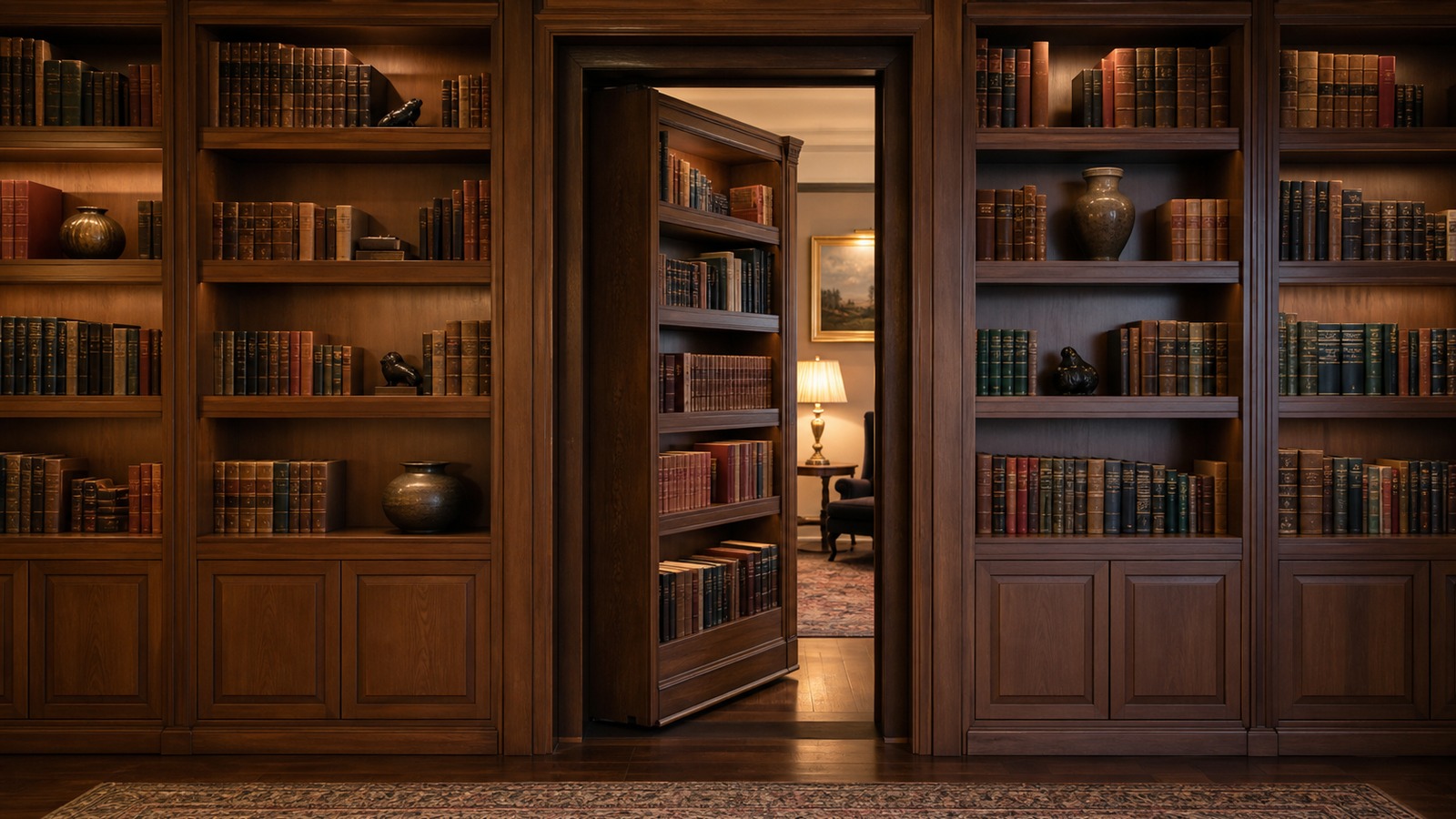
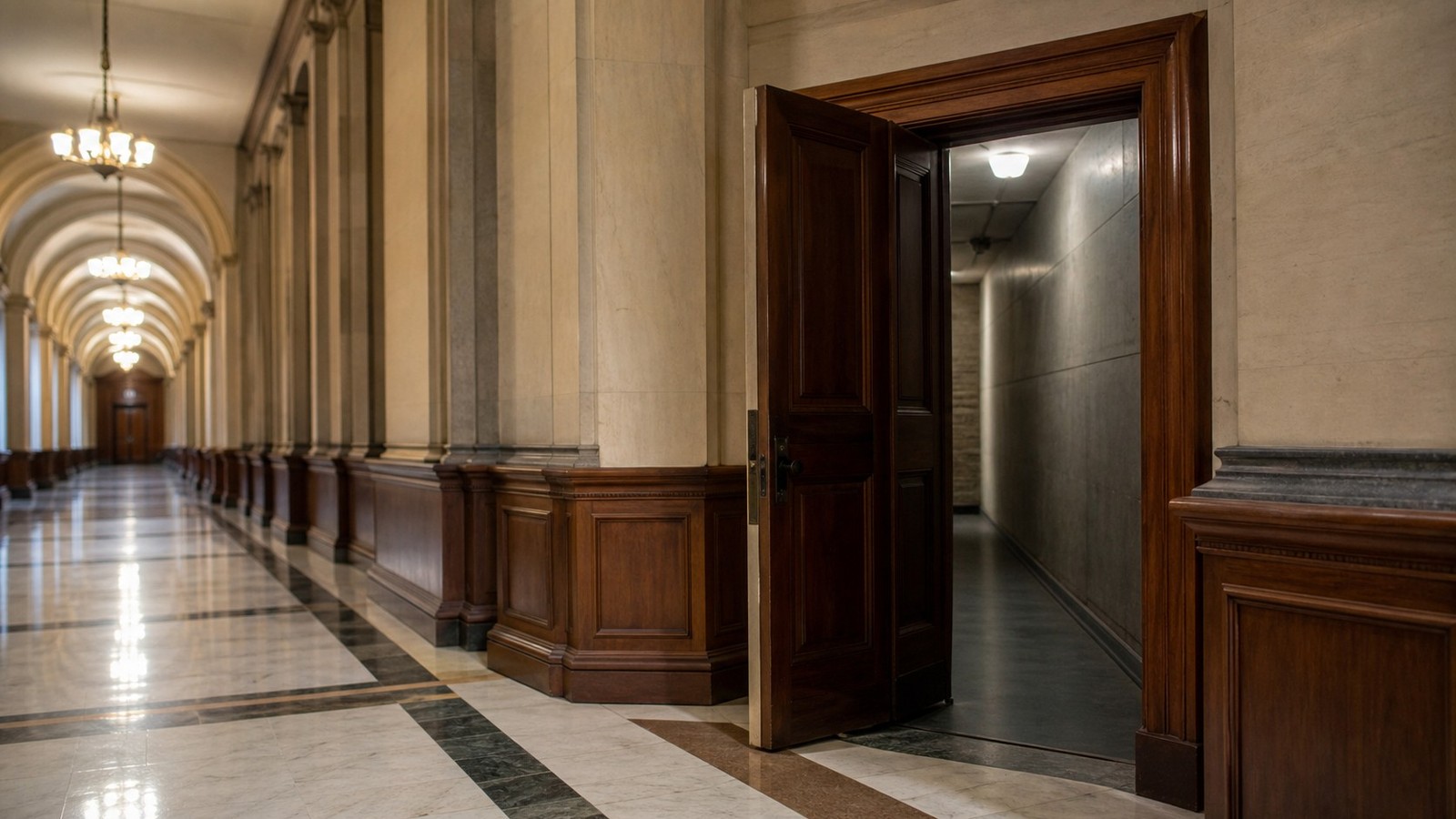
From adventure novels to mystery films, trapdoors have long stirred the imagination. They represent the thrill of the unexpected, the suspense of hidden worlds, and the ingenuity of secretive architecture. Whether in medieval castles, pirate hideouts, or modern homes, trapdoors carry an air of mystery and utility that few other features can match. Today, trapdoors are no longer just relics of old-world construction or theatrical storytelling—they have become sophisticated concealment solutions for modern living. Whether leading to wine cellars, lofts, or safe rooms, these hidden entrances in floors and ceilings merge function with intrigue. They offer a discreet yet stylish way to manage space, security, and design.
A: Yes—size counterbalance (struts/springs/weights) so operating force stays comfortable, and add a hold-open.
A: Use a recessed pan, decoupling membrane, and control deflection; keep grout joints off hinge lines.
A: Gaskets greatly improve sealing; exterior lids also need drainage—don’t expect submarine-grade unless purpose-built.
A: Sure—linear actuators or lifts with manual override and battery backup; include pinch protection.
A: Often, with reframing (headers/trimmers) and finish patching; consult structure before cutting.
A: DIY/service lids ~$300–$900; custom recessed or rated hatches ~$2,000–$6,000+; motorization adds ~$800–$2,000.
A: Scissor for tight spaces, folding for comfort; match weight rating and ceiling height.
A: Use recessed ring pulls with magnetic cover caps or a suction-cup lifter kept nearby.
A: Add soft-close, felt bumpers, and multi-point latching to stop chatter and panel buzz.
A: Many jurisdictions set minimum opening sizes—check local code for your use and occupancy before detailing.
The History of Trapdoors
The origins of trapdoors can be traced back thousands of years. In castles and fortresses, hidden hatches in floors allowed for quick escapes during sieges or surprise attacks on invaders. Pirate lore is filled with tales of treasure stashed beneath floorboards, accessed only by cleverly concealed doors. During Prohibition in the 1920s, American speakeasies often used trapdoors to hide liquor or to provide a quick escape route for owners and patrons. Even theaters employed them for dramatic stage effects, enabling characters to seemingly vanish into thin air. Over time, trapdoors became synonymous with mystery and resourcefulness. While their original uses were often survival-based, today they stand as both nostalgic nods to history and practical innovations for modern living.
Trapdoors as Space-Saving Marvels
In an era where maximizing space is critical, trapdoors provide ingenious solutions. A trapdoor in the floor might lead to a hidden storage cellar, keeping clutter out of sight while freeing up valuable square footage. Ceiling trapdoors can provide access to lofts, attics, or mechanical spaces without requiring permanent stairs or bulky doors. These entrances make excellent use of otherwise wasted vertical space, allowing homeowners to keep their living areas clean and streamlined. The beauty of trapdoors lies in their ability to blend into surroundings: flush with flooring or ceiling panels, they remain unnoticed until needed. This minimalist efficiency makes them invaluable in modern apartments, tiny homes, and urban dwellings where every inch counts.
Security and Concealment Benefits
Beyond space-saving, trapdoors excel in the realm of security. Concealed beneath rugs or blending seamlessly with flooring, a hidden hatch provides access to safes, valuables, or panic rooms without drawing attention. Unlike traditional locked doors, trapdoors capitalize on the element of invisibility. A potential intruder may search the entire house without realizing a concealed entrance exists. In luxury estates, trapdoors often lead to fortified safe rooms, complete with independent power supplies and reinforced construction. For more modest households, they may simply hide valuables from plain sight. Whether in floors or ceilings, these hidden entrances embody the principle that the best security often comes from what cannot be seen.
Aesthetic Integration with Modern Design
Far from crude wooden panels of the past, today’s trapdoors can be artfully integrated into a home’s design. Flooring trapdoors can be finished with the same hardwood, tile, or carpet as the surrounding area, rendering them virtually invisible. Ceiling hatches can be disguised as part of a paneled design or recessed lighting feature. For homeowners who embrace modern minimalism, trapdoors fit perfectly into a design philosophy that values clean lines and functional elegance. At the same time, rustic or vintage homes can benefit from traditional wooden trapdoors that complement their heritage aesthetic. The versatility of trapdoor designs ensures they enhance rather than disrupt the style of any living space.
Popular Uses in Modern Homes
Trapdoors have evolved into practical features for everyday living. A floor trapdoor in the kitchen might lead to a wine cellar, keeping bottles at perfect temperature while remaining conveniently out of sight. In the living room, a trapdoor could conceal a storage area for seasonal decorations or family heirlooms. Ceiling trapdoors often function as access points to attics, eliminating the need for unsightly pull-down ladders. For pet lovers, some innovative homeowners even create trapdoor-style entrances to hidden cat or dog playrooms. Others install them for theatrical flair, turning a simple home bar or study into a space of wonder. Their adaptability ensures that trapdoors can be tailored to nearly any purpose.
Engineering and Mechanisms
Designing an effective trapdoor requires more than simply cutting a hole in the floor or ceiling. The construction must balance safety, functionality, and concealment. High-quality hinges and counterweight systems ensure the door can open smoothly while supporting the weight of flooring material. Some trapdoors operate with hydraulic lifts or electric motors, making access effortless. Safety locks and seals may be included to prevent accidental openings or to maintain insulation between spaces. For ceiling trapdoors, ladders or retractable stair systems are often integrated, ensuring ease of use without compromising concealment. The engineering behind modern trapdoors makes them not only practical but also durable, capable of lasting decades with proper maintenance.
Materials and Customization Options
Trapdoors can be customized to match virtually any style. Common materials include hardwood, laminate, steel, or reinforced composite panels, each chosen based on intended use and budget. A trapdoor leading to a secure room may require steel reinforcement, while one designed for a rustic wine cellar may feature aged oak. For homeowners seeking seamless design, flooring materials can be laid directly atop the trapdoor panel, creating a nearly invisible transition. Handles, too, can be customized—some are recessed flush pulls, while others employ hidden push-to-open mechanisms. This wide array of options ensures that trapdoors remain both functional and beautiful.
Trapdoors and Modern Technology
Just as with other concealed entrances, technology has elevated trapdoor design. Automated trapdoors can be controlled via smartphone apps or integrated into smart home systems, opening only when authorized. Fingerprint scanners, RFID keys, or keypad entry systems provide an extra layer of security for hidden rooms. For entertainment enthusiasts, some even integrate trapdoors into home theaters or game rooms, opening with dramatic flair at the touch of a button. These innovations ensure that trapdoors are not only practical but also aligned with the expectations of modern convenience. They transform a centuries-old concept into a futuristic home feature.
Trapdoors in Commercial and Public Spaces
While trapdoors are often associated with homes, they also have a strong presence in commercial and public spaces. Theaters continue to use them for stage effects, creating dramatic entrances and exits. Restaurants and bars sometimes use trapdoors to access basements or storage, keeping main areas uncluttered. In historical buildings and museums, trapdoors preserve the authenticity of the structure while providing discreet access for maintenance. Their versatility makes them a valuable tool in architecture far beyond residential use, ensuring they remain relevant across industries.
Pop Culture and the Romance of Hidden Entrances
Trapdoors hold a firm place in popular imagination. From magic shows to fantasy novels, they evoke mystery and surprise. Stage magicians famously employ them for illusions, vanishing from sight in seconds. Children’s literature and films often feature trapdoors as gateways to secret worlds, fueling a sense of wonder. Homeowners who incorporate trapdoors into their houses tap into this same cultural fascination, creating spaces that feel both practical and magical. Whether hidden beneath a rug or opening overhead, the dramatic reveal of a trapdoor never fails to impress.
Cost and Practical Investment
The cost of installing a trapdoor varies based on materials, complexity, and intended use. Simple wooden floor hatches may cost only a few hundred dollars, while high-end steel-reinforced trapdoors with automated lifts can exceed several thousand. Despite the investment, trapdoors often enhance a property’s value. They offer unique appeal for prospective buyers who appreciate novelty, practicality, and security. A home with a concealed wine cellar or hidden loft space instantly stands out in competitive real estate markets. For many homeowners, trapdoors represent a worthwhile investment that blends long-term utility with undeniable charm.
Case Studies: Trapdoors in Action
Consider a countryside cottage where a kitchen floor trapdoor opens to reveal a traditional stone-walled root cellar. This feature preserves produce naturally while keeping storage discreet. In contrast, a modern penthouse may employ a ceiling trapdoor to access a rooftop terrace, operated by a hydraulic lift system. Another example comes from a luxury estate, where a trapdoor in the study conceals stairs leading to a fortified safe room. These case studies demonstrate the adaptability of trapdoors across vastly different environments, from rustic heritage homes to cutting-edge urban dwellings.
The Psychology of Hidden Entrances
Trapdoors appeal to something deeper than practicality—they connect to human psychology. The sense of possessing a hidden entrance sparks feelings of exclusivity and control. For homeowners, stepping through a trapdoor often feels like crossing into another world, separate from the ordinary. Guests are delighted by the reveal, reinforcing the emotional impact of these designs. Much like secret passages and hidden doors, trapdoors provide more than access—they provide an experience. They transform a simple architectural feature into a source of mystery and excitement.
Sustainability and the Future of Trapdoors
As eco-conscious design becomes central to modern construction, trapdoors are also evolving. Sustainable materials such as reclaimed wood and recycled composites are increasingly used. Energy-efficient insulation ensures that trapdoors leading to basements or attics do not compromise climate control. Looking ahead, innovations may include solar-powered trapdoor mechanisms or designs that double as energy-efficient skylights. The future of trapdoors lies in merging their timeless intrigue with the sustainability demands of modern living.
More Than a Hidden Hatch
Trapdoors in floors and ceilings embody the perfect union of history, mystery, and practicality. They recall centuries of human ingenuity while adapting to the demands of contemporary homes. Whether concealing valuables, saving space, or simply delighting with theatrical flair, trapdoors remain one of the most fascinating architectural features. They represent not just entrances but experiences, gateways to hidden worlds that enrich daily living. In the end, a trapdoor is far more than a hatch—it is an elegant statement of creativity, resourcefulness, and timeless intrigue.