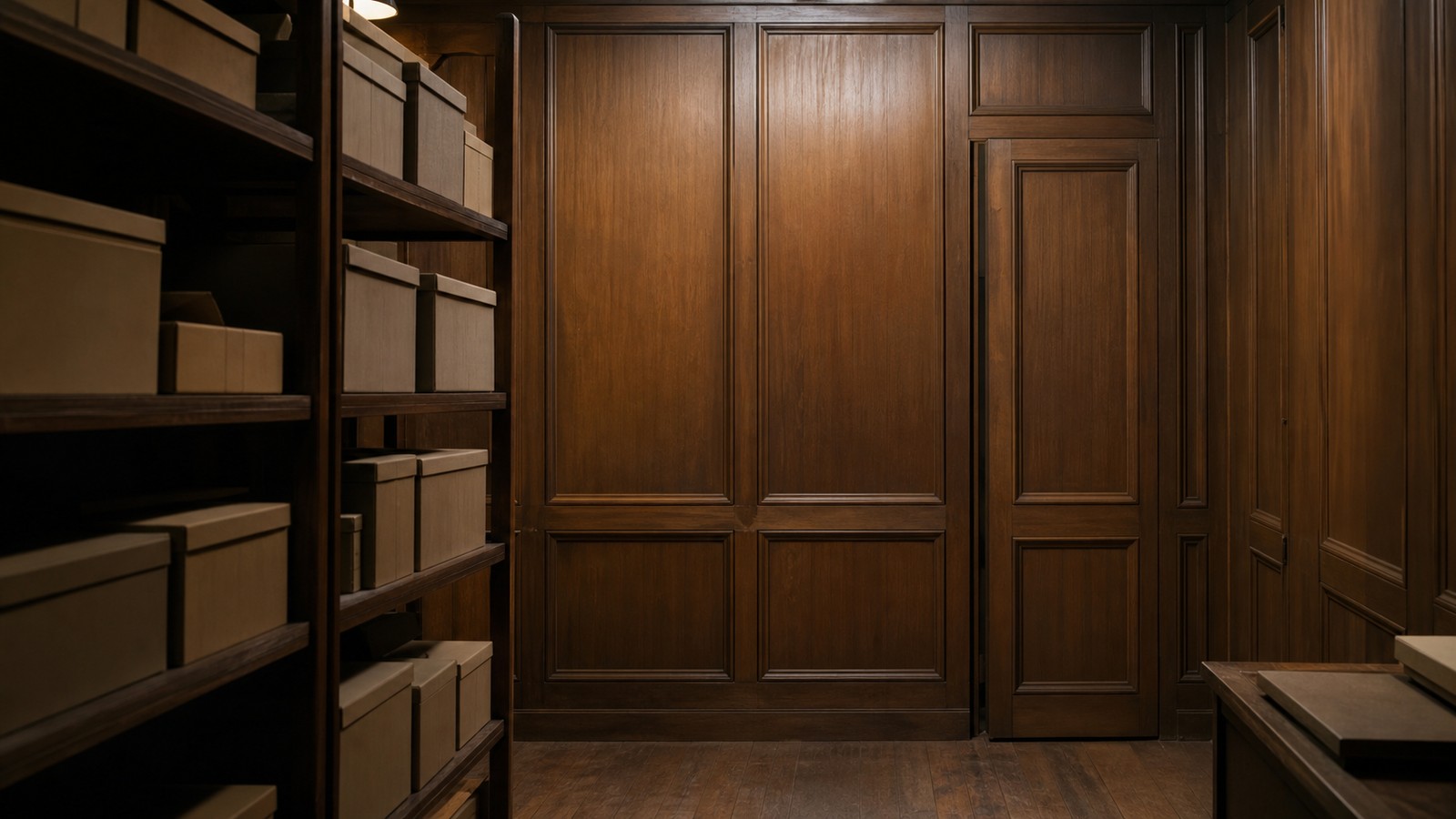
Temple Concealment Was Often About Controlled Experience
Concealed entrances in ancient temples were rarely just architectural tricks. Sacred buildings used access to shape who could move where, what the public could see, and how ritual authority felt. A hidden side door, screened passage, priestly corridor, sealed chamber, or storage entrance could separate preparation from performance and protect objects considered valuable or sacred. The best way to understand these entrances is to look at ritual movement, social hierarchy, preservation evidence, and the visitor’s experience of mystery without assuming every unusual opening was secret.
A: No, many were known to authorized insiders and simply hidden from public focus.
A: Ritual preparation, storage, restricted movement, and sacred hierarchy all created access needs.
A: Yes, darkness and directed sightlines could make side openings much less visible.
A: No, some were practical circulation or maintenance openings.
A: Excavation, lighting, restoration, and tourist routes can expose former hidden areas.
A: Often concealment came from architecture rather than elaborate machinery.
A: Offerings, vessels, and valuable objects needed controlled access.
A: Yes, missing screens, plaster, and doors can erase the original disguise.
A: It often supported reverence, ritual timing, and authority rather than simple secrecy.
A: Carefully, because sacred sites changed over time and evidence is often fragmentary.
Public Space and Restricted Space Were Different Worlds
Ancient temples often separated outer courts, processional routes, inner sanctuaries, service areas, and storage rooms. Visitors might see a grand approach while priests or attendants used smaller routes nearby. Concealed or understated entrances helped maintain that separation.
The hidden quality may have been practical, symbolic, or both. An entrance could be invisible to ordinary worshippers because ritual authority depended on selective access.
Sightlines Shaped the Sense of Mystery
Temple builders understood movement, light, and anticipation. A visitor might pass through bright courtyards into darker chambers, while side passages remained in shadow. An entrance did not need a mechanical trick to feel concealed if the architecture directed attention elsewhere.
Columns, screens, thick walls, turns, raised platforms, and carved surfaces could all hide or soften access points. The visitor’s eye was guided toward ritual focus, not service movement.
This visual control made temples powerful environments. Concealment helped preserve the boundary between what was shown and what was prepared.
Priestly Movement Required Separate Routes
Ritual specialists often needed to enter, prepare, retrieve objects, or move between spaces without interrupting public ceremony. Concealed entrances could support that movement quietly. They helped make ritual appear seamless.
Storage Had Sacred and Practical Value
Temples could store offerings, vessels, textiles, records, tools, food, or valuable objects. Access to those spaces needed control. A small doorway hidden within a side wall, behind a screen, or along a service corridor could protect both sacred and material resources.
Storage concealment should not be romanticized as treasure hunting. In many cases, it was ordinary management of important goods within a sacred institution.
Restricted Entrances Reinforced Authority
When only certain people knew or used an entrance, architecture reinforced social order. The concealed route said, in effect, that some knowledge belonged to insiders. This could support priestly roles, royal patronage, or initiation practices.
The entrance did not need to be unknown to everyone. It only needed to be unavailable, unmarked, or visually secondary to those outside the authorized group.
That distinction matters because temple secrecy was often controlled visibility rather than total invisibility.
Hidden Does Not Always Mean Illicit
Modern readers may associate concealed doors with escape, crime, or conspiracy. In temple contexts, hidden access could be legitimate and routine. It supported maintenance, ritual timing, storage protection, and sacred boundaries.
Architecture Could Hide Work Behind Wonder
Temples created awe partly by making labor disappear. Attendants prepared lamps, incense, offerings, objects, and spaces before worshippers encountered them. Concealed entrances and service routes helped keep that work from distracting from the ritual moment.
This is similar to theater architecture: the public sees the scene, while backstage movement supports it. Ancient temples were not theaters in a simple sense, but they understood controlled presentation.
Light and Darkness Were Part of Access Control
A side opening in a dim wall may have been easy for insiders to use and hard for visitors to notice. Sacred interiors often used darkness, filtered light, and narrow passages to create atmosphere. Concealment could emerge naturally from those conditions.
After excavation, electric lighting, open roofs, or missing screens can change the effect. What seems obvious today may once have been hidden in shadow.
Interpretation should imagine the original lighting as much as the surviving floor plan.
Processions Needed Managed Routes
Processional movement can require secondary entrances, staging areas, and controlled exits. A temple ceremony might involve public arrival, private preparation, and carefully timed appearance. Concealed access helped manage these transitions.
Not Every Side Door Was Secret
Some temple entrances were simply practical. A side door could serve maintenance, ventilation, storage, or circulation without being intentionally concealed. The difference lies in placement, finish, restricted use, and relationship to ritual space.
Archaeologists and historians have to resist turning every unusual doorway into a mystery. Caution makes the genuine examples more meaningful.
Temple Walls Often Changed Over Time
Ancient sacred sites were repaired, expanded, repurposed, damaged, and restored across generations. A concealed entrance in one period might be blocked in another. A later wall might hide an earlier access route without that being the original intent.
This layered history can make temple entrances difficult to interpret. Dating the doorway, the blocking, and the surrounding surfaces matters.
A concealed entrance may belong to one phase of a temple’s life rather than the whole building.
Material Loss Affects What We Know
Wooden screens, doors, curtains, painted plaster, and movable partitions often vanish while stone walls remain. That loss can make a former concealed entrance look bare. The disguise may have depended on materials no longer present.
Modern Tourism Changes the Secret
Visitor routes, railings, labels, lights, and cleared debris can expose side passages that were never meant to be highlighted. A modern tourist may see a hidden entrance from an angle ancient visitors rarely had. Presentation changes perception.
This is why temple concealment should be read through reconstructed movement, not only present-day access. The original experience may have been much more controlled.
Concealment Served Reverence
In sacred architecture, hidden entrances often helped preserve reverence. They separated preparation from revelation, staff routes from ritual focus, and storage from public devotion. The secret supported the sacred order of the place.
That does not make every temple a maze. It means access design carried meaning. Doors, passages, and thresholds helped create the emotional and social structure of worship.
Concealed entrances were part of that structure when they protected mystery, timing, and authority.
Ancient Temple Secrets Were Usually Architectural, Not Magical
The most useful way to understand concealed temple entrances is to remove the need for fantasy. Ancient builders did not need impossible mechanisms to create mystery. They used walls, light, screens, sightlines, hierarchy, and ritual timing.
That makes these entrances more interesting, not less. They show how architecture can choreograph belief and behavior. A hidden door in a temple was not only a way through stone; it was a way to control what people knew, when they knew it, and how the sacred space revealed itself.
Look at the Entrance From the Worshipper’s Path
A plan drawing can make every doorway seem equal, but a visitor experienced a temple in sequence. Approach, courtyard, threshold, shadow, sound, and ritual focus shaped what was noticed. A concealed entrance should be judged from the path people actually took, not only from above.
This is especially important when side openings now look obvious. Excavation may remove screens, walls, roof cover, and crowds that once shaped attention. The original worshipper may have seen a very different building.
Reconstructing that experience helps the hidden route regain its meaning.
Separate Sacred Privacy From Suspicion
Restricted access in a temple does not automatically imply deception. Sacred privacy can be a form of reverence. Preparation rooms, storage areas, and priestly routes may have been hidden because they belonged to a different layer of religious life.
Consider the Objects Being Protected
Temple concealment often becomes clearer when objects are considered. Lamps, vessels, images, offerings, textiles, incense, and records needed care. The routes to those objects may have been quiet because the objects themselves carried value, danger, or sacred significance.
A small hidden entrance near storage is therefore not a minor feature. It can reveal how the institution protected the materials that made ritual possible.
Remember That Temples Were Maintained
Modern admiration can freeze temples into timeless monuments, but ancient sacred sites required constant work. Floors were cleaned, lamps refilled, roofs repaired, offerings moved, and damaged surfaces restored. Concealed or secondary access kept that work from overwhelming the sacred focus.
This maintenance view makes temple hidden entrances more human. They were part of the labor system behind the holy space.
Without that labor, the ritual world visitors saw could not remain stable.
The Hidden Entrance Was a Boundary Lesson
Every sacred building teaches people how to move. Some thresholds invite, some slow, some forbid, and some disappear into the hands of insiders. Concealed temple entrances were part of that lesson. They showed that sacred knowledge and movement were not distributed evenly.
Temple Plans Were Social Maps
A temple floor plan can show more than walls. It can reveal who approached directly, who waited outside, who prepared unseen, and who crossed into restricted areas. Concealed entrances belong to that social map because they mark routes that mattered to some people and not to others.
Reading the plan this way changes the question. Instead of asking only where the secret door was, ask whose route it served. The answer may point toward priests, attendants, guards, storage keepers, rulers, or ritual participants.
Subtlety Served the Sacred
Temple concealment often worked because it was subtle. A side door did not need to shock anyone. It needed to keep focus on the altar, image, shrine, court, or ceremonial axis. The less attention it drew, the better it served the space.
This restraint is easy to miss when modern culture expects hidden doors to be dramatic. Ancient sacred architecture often preferred controlled understatement. The hidden entrance was powerful because it protected what the temple wanted people to experience.
That makes temple concealed entrances a lesson in design discipline. They show that mystery can be created by attention, timing, and boundary rather than spectacle. In sacred buildings, the quietest door may carry the deepest architectural meaning.
Temple Hidden Entrances Still Shape How We Read Sacred Buildings
When we notice a concealed entrance in an ancient temple, we are really noticing the difference between architecture as object and architecture as experience. The surviving wall may look still, but the original building was full of movement: worshippers approaching, priests preparing, attendants carrying objects, guards watching boundaries, and light changing across surfaces. A hidden entrance helped coordinate that movement. It allowed some activity to remain outside public focus while giving authorized people a route through the sacred system. That is why these entrances deserve more than a quick mystery label. They invite us to read the whole temple as choreography. Every visible path, blocked view, side door, and threshold helped teach people where they belonged in relation to the sacred center. The concealed entrance was one quiet cue inside that teaching, guiding insiders without distracting outsiders.
Modern Visitors Can Relearn the Original Restraint
The best modern reading slows down. Instead of searching only for secret mechanisms, it asks how the temple controlled attention. Where was the public meant to look? Which routes stayed peripheral? Which openings served people responsible for ritual work?
Those questions restore dignity to concealed temple entrances. They turn a hidden doorway from a curiosity into evidence of a carefully managed sacred experience, shaped by movement and restraint.