Living in a small space or apartment often requires creative thinking. Every square foot matters, every wall serves a purpose, and every design choice must balance aesthetics with function. In this environment, concealed doors are more than a luxury feature—they are a smart architectural solution. By blending doors seamlessly into walls, furniture, or built-in features, concealed doors allow small spaces to feel larger, cleaner, and more intentional. Concealed doors transform how a space is experienced. Instead of breaking visual flow with traditional door frames, knobs, and hinges, they disappear into the surrounding design. In apartments where layout flexibility is limited, these doors offer a powerful way to maximize utility without sacrificing style. Whether hiding storage, separating rooms, or creating multifunctional areas, concealed doors have become an increasingly popular solution for modern urban living.
A: Yes—they reduce clutter and improve flow.
A: Sliding or furniture-based systems work best.
A: They eliminate swing clearance and visual breaks.
A: Costs range from budget retrofits to custom builds.
A: Pocket or sliding concealed doors.
A: Seals and solid cores improve acoustics.
A: Yes—closets and pantries are ideal.
A: No—push-latch systems are common.
A: Absolutely—mirrors, panels, or shelving.
A: From a few hours to several days.
Why Concealed Doors Make Sense in Small Spaces
Small spaces amplify visual clutter. Traditional doors introduce trim, swing clearance, hardware, and negative space that can make rooms feel cramped. Concealed doors eliminate these distractions by integrating directly into the wall plane. When closed, they appear as part of the architecture rather than a separate object.
In apartments, where open floor plans are common, concealed doors offer a subtle way to create privacy without permanent walls. They allow residents to define zones—such as sleeping areas, home offices, or storage rooms—while maintaining a clean, open aesthetic when the doors are closed. This balance between openness and separation is critical in compact living environments. Beyond aesthetics, concealed doors improve circulation. By eliminating bulky swing arcs or replacing them with pivot or sliding mechanisms, they free up valuable floor space. This can make tight hallways feel wider, allow furniture to be placed more efficiently, and improve overall flow within the apartment.
The Psychology of Space and Visual Continuity
Human perception plays a major role in how we experience small spaces. Visual continuity makes rooms feel larger by reducing interruptions along walls and sightlines. Concealed doors support this by blending seamlessly into surfaces, creating uninterrupted planes that visually expand the space.
When doors disappear into walls, the eye moves freely across the room without stopping at frames or handles. This effect is especially powerful in studio apartments, where every visual element contributes to the sense of scale. Concealed doors also reduce mental clutter, creating a calmer environment that feels more intentional and thoughtfully designed. This psychological impact is one reason concealed doors are often used in minimalist and modern interiors. However, they are just as effective in traditional or eclectic spaces when properly finished to match surrounding materials.
Types of Concealed Doors Ideal for Apartments
Not all concealed doors are the same, and small spaces benefit from specific configurations. Flush wall doors are among the most popular options. These doors sit level with the wall surface and are often finished with paint, wallpaper, or paneling to match the surrounding area. When closed, they are nearly invisible.
Sliding concealed doors are particularly effective in apartments where swing clearance is limited. Pocket doors that disappear into the wall cavity or surface-mounted sliding panels disguised as walls allow spaces to open and close without occupying floor area. These systems are ideal for bathrooms, closets, and bedroom separations.
Pivot concealed doors offer a more dramatic effect while still conserving space. Mounted on offset pivots rather than traditional hinges, they allow for wider openings and smoother movement. In small apartments, pivot doors can double as design features while remaining discreet when finished to match the wall. Furniture-integrated concealed doors are another powerful option. Doors hidden within bookcases, wardrobes, or wall units allow storage areas or private rooms to remain completely hidden. This approach is especially useful in studio apartments where multifunctional furniture defines the layout.
Using Concealed Doors to Create Multi-Functional Rooms
One of the greatest challenges in small apartments is accommodating multiple functions within a single space. Concealed doors make this possible without visual compromise. A living room can transform into a guest room with a concealed door separating a Murphy bed area. A home office can disappear behind a seamless wall panel when work hours end.
By allowing spaces to shift roles throughout the day, concealed doors support flexible living. This adaptability is essential in apartments where square footage is limited but lifestyle demands are high. Instead of committing to permanent partitions, concealed doors provide temporary separation that can be adjusted as needed.
This flexibility also adds long-term value. As needs change—working from home, growing families, or evolving hobbies—concealed doors allow the apartment to adapt without major renovations.
Concealed Doors for Storage and Utility Areas
Storage is often the biggest challenge in small apartments. Concealed doors provide a way to hide utility spaces while keeping them easily accessible. Closets, pantries, laundry nooks, and mechanical rooms can be hidden behind wall-matching doors that maintain the visual integrity of the space.
In narrow hallways, concealed doors prevent the area from feeling crowded with multiple visible doorways. Instead, the hallway becomes a clean corridor with hidden access points. This approach not only improves aesthetics but also enhances perceived width.
In kitchens, concealed pantry doors allow cabinetry to extend seamlessly across walls. When finished with matching panels, these doors disappear entirely, creating a streamlined, high-end appearance even in compact layouts.
Design Styles That Benefit Most from Concealed Doors
Modern and minimalist interiors naturally complement concealed doors, as both emphasize clean lines and simplicity. In these spaces, flush doors painted to match the wall color are often the most effective solution. Scandinavian-inspired apartments also benefit from concealed doors, especially when paired with light colors and natural materials. The result is a bright, airy environment that feels uncluttered and spacious.
Even traditional or classic apartments can incorporate concealed doors successfully. Paneling, millwork, and decorative moldings can be designed to hide door seams while maintaining a timeless look. In these cases, concealed doors enhance elegance rather than detracting from it. Industrial-style apartments use concealed doors to balance raw materials like exposed brick and concrete. By hiding functional spaces behind smooth panels, the contrast highlights architectural features while keeping the overall design cohesive.
Materials and Finishes That Work Best in Small Spaces
Material selection plays a critical role in how well a concealed door blends into its surroundings. Painted MDF or drywall-wrapped doors are common choices for seamless wall integration. These materials allow the door to disappear completely when finished correctly. Wood veneer doors offer warmth and texture, making them ideal for apartments that prioritize natural materials. When grain alignment is carefully planned, the door becomes nearly indistinguishable from surrounding panels.
Mirrored concealed doors are particularly effective in small spaces. They reflect light and visually double the size of the room while hiding storage or secondary rooms behind them. This approach is popular in bedrooms, hallways, and dressing areas. Wallpaper-wrapped concealed doors allow bold patterns to continue uninterrupted across walls. This technique turns the door into part of the design rather than a separate element, making it ideal for statement interiors.
Hardware Considerations for Apartment Living
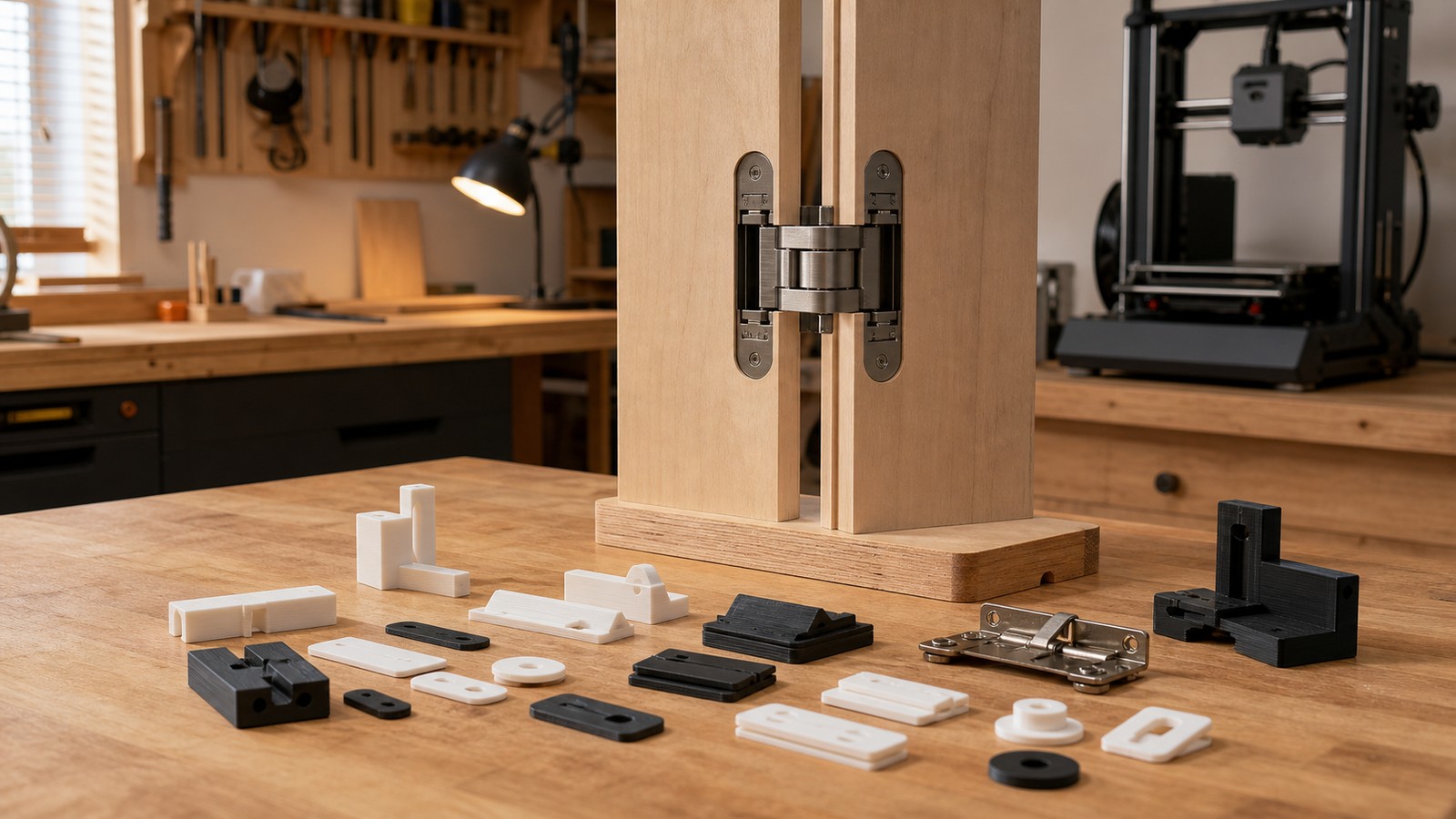
Concealed doors rely heavily on specialized hardware to function smoothly. In small apartments, quiet operation is essential. Soft-close hinges, dampened pivots, and smooth sliding mechanisms prevent noise from becoming an issue in shared living environments.
Magnetic latches and push-to-open systems eliminate the need for handles, enhancing the door’s invisibility. These mechanisms are particularly useful in tight spaces where protruding hardware could interfere with movement or furniture placement.
Weight capacity is another important consideration. Apartment walls may not support heavy solid-core doors without reinforcement. Lightweight construction combined with high-quality hardware ensures reliable operation without structural issues.
Building Code and Rental Considerations
For renters, concealed doors must be approached carefully. Permanent modifications may not be allowed, but there are still options available. Surface-mounted sliding systems and furniture-integrated doors often require minimal structural changes and can be removed later.
In owned apartments or condos, building codes must be considered. Fire ratings, egress requirements, and accessibility standards may limit where concealed doors can be installed. Doors leading to bedrooms or primary exits typically must meet specific safety criteria. Working with professionals familiar with local regulations ensures that concealed doors enhance the apartment without creating compliance issues.
Installation Challenges in Small Apartments
Installing concealed doors in small spaces requires precision. Tight tolerances mean there is little room for error. Walls must be perfectly plumb, and finishes must align seamlessly for the door to remain hidden.
Noise and disruption during installation are also concerns in apartment buildings. Choosing systems that require minimal demolition reduces inconvenience for both residents and neighbors. Despite these challenges, the payoff is significant. Properly installed concealed doors elevate the entire apartment, making it feel custom-designed rather than constrained by size.
Cost vs. Value in Compact Living
While concealed doors can be more expensive than traditional doors, their value in small spaces is amplified. They improve functionality, enhance aesthetics, and increase perceived square footage—three factors that strongly influence apartment desirability. For homeowners, concealed doors can increase resale appeal by showcasing thoughtful design and efficient use of space. For renters, they enhance daily living by making the apartment feel more comfortable and organized. When budget is a concern, prioritizing key areas—such as storage or multifunctional rooms—allows the benefits of concealed doors to be enjoyed without a full-scale investment.
The Future of Concealed Doors in Urban Living
As urban living continues to evolve, concealed doors are becoming a defining feature of smart apartment design. Smaller living spaces demand greater efficiency, and hidden architectural elements provide elegant solutions to complex layout challenges.
Advancements in hardware, materials, and modular systems are making concealed doors more accessible than ever. Prefabricated solutions allow for faster installation and greater consistency, opening the door to wider adoption in apartments of all sizes. In the future, concealed doors will likely integrate even more seamlessly with smart home technology, offering automated operation and enhanced functionality while remaining visually invisible.
Conclusion: Small Spaces, Big Impact
Concealed doors prove that size does not limit sophistication. In small spaces and apartments, they unlock new possibilities for privacy, storage, and flexibility without sacrificing visual harmony. By disappearing into walls, furniture, or architectural features, they allow compact homes to feel expansive, intentional, and refined. Whether used to hide storage, separate multifunctional rooms, or simply create cleaner lines, concealed doors are a powerful design tool for modern living. In apartments where every inch counts, they transform limitations into opportunities—turning small spaces into beautifully efficient environments designed to work smarter, not harder.