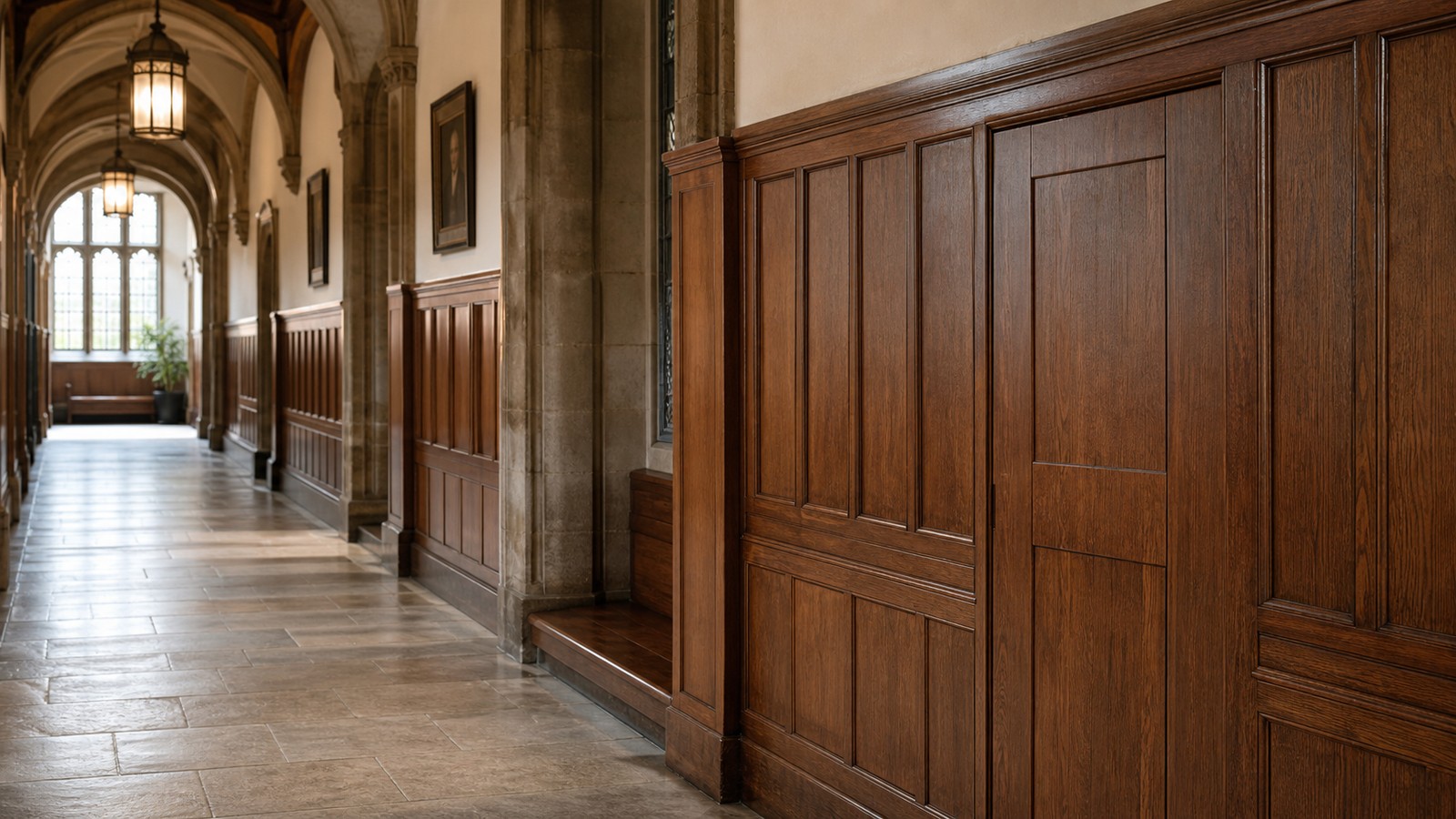
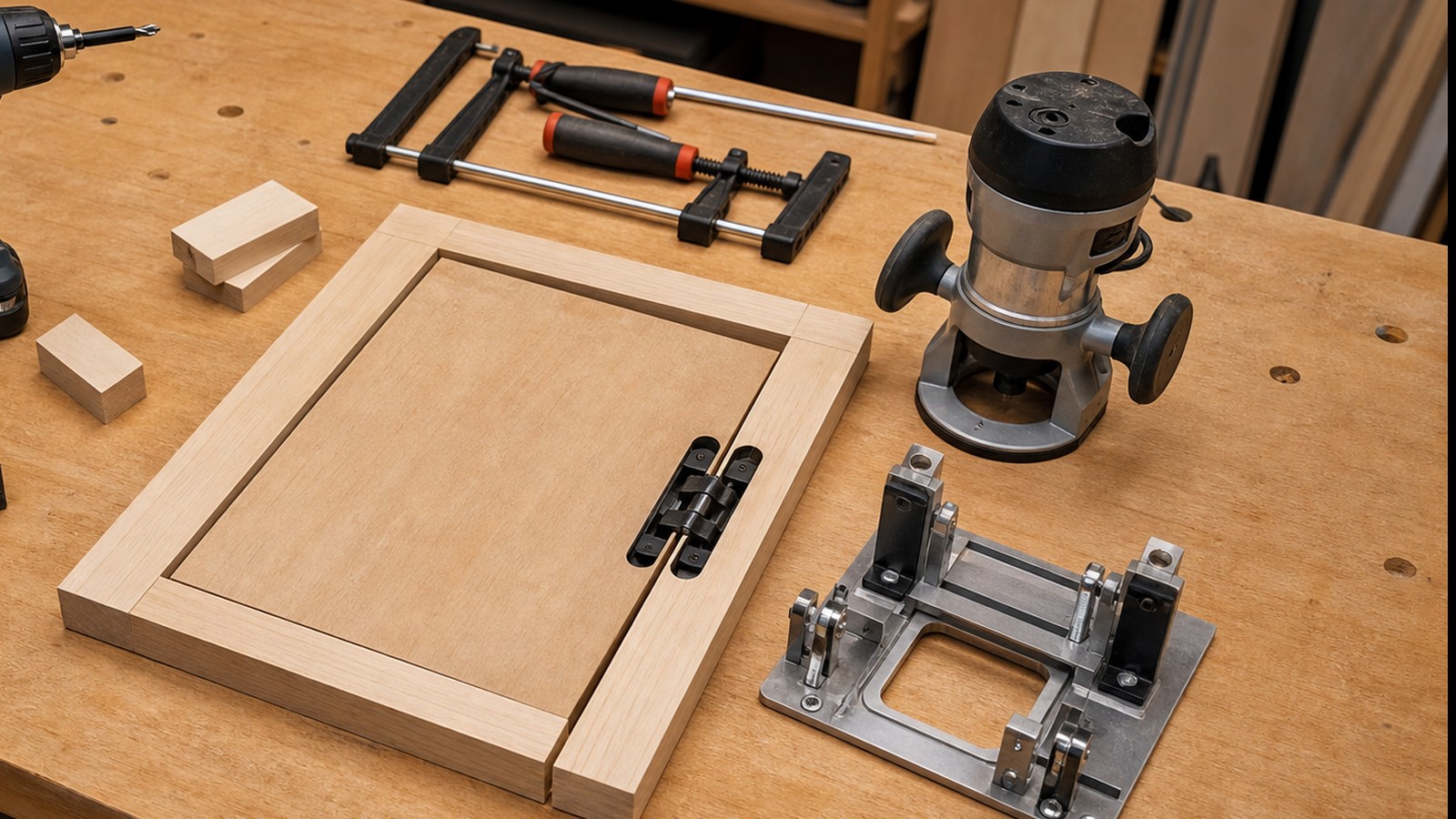
High-tech concealed doors sit at the intersection of architecture, design, and smart home innovation. Once associated mainly with novelty or hidden rooms, concealed doors have evolved into intelligent, automated systems that respond to voice commands, mobile apps, biometric sensors, and environmental cues. In modern smart homes, these doors are no longer just about secrecy; they are about efficiency, elegance, privacy, and seamless integration into connected living environments. As homes become more intelligent, homeowners are looking for architectural elements that feel invisible yet responsive. High-tech concealed doors answer that call. They hide in plain sight, blending perfectly into walls, cabinetry, bookcases, and paneling while quietly leveraging motors, sensors, and software to operate with precision. The result is a living space that feels futuristic without sacrificing warmth, craftsmanship, or style.
A: Yes—many integrate directly into automation platforms.
A: Modern systems include sensors and emergency stops.
A: Manual releases and battery backups handle outages.
A: Often yes, especially with modular motor kits.
A: High-end motors are nearly silent.
A: Local control works even without internet.
A: Encrypted systems and local networks reduce risk.
A: Highly—based on time, presence, or events.
A: Yes, using sensors or voice triggers.
A: Increasingly common in modern smart homes.
The Evolution of Concealed Doors in the Smart Home Era
Traditional concealed doors relied on mechanical tricks such as hidden hinges, push-to-open latches, or disguised panels. While effective, these solutions required physical interaction and careful alignment. The rise of smart homes changed expectations. Homeowners now expect doors to open when summoned, lock automatically, and integrate with broader security and automation systems.
Advancements in home automation platforms like Google Home, Apple HomeKit, and Amazon Alexa have accelerated this transformation. Concealed doors can now be programmed as part of daily routines, security protocols, and personalized experiences. What was once a clever architectural feature has become an intelligent component of the connected home.
What Makes a Concealed Door “High-Tech”?
A high-tech concealed door is defined less by how it looks and more by how it behaves. At its core, it combines discreet physical design with advanced electronic control. These doors often include motorized opening mechanisms, smart locks, proximity sensors, and digital controllers that communicate with a central smart home hub.
Unlike standard doors, high-tech concealed doors can respond to multiple inputs at once. A door may remain invisible until a fingerprint is scanned, a voice command is spoken, or a mobile app sends a signal. Some systems even use geofencing, opening or unlocking automatically when authorized users approach the home. This level of responsiveness transforms the door from a passive object into an active participant in the home’s intelligence.
Motorized Opening Systems and Silent Movement
One of the most striking features of high-tech concealed doors is motorized operation. Linear actuators, servo motors, and belt-drive systems allow doors to slide, pivot, or swing open smoothly and quietly. These systems are engineered for precision, ensuring the door aligns perfectly with surrounding walls or cabinetry every time it closes. Silence is a critical design goal. High-end systems prioritize low-noise motors and soft-start mechanisms that prevent abrupt movement. This makes motorized concealed doors suitable for bedrooms, offices, libraries, and media rooms where sound control matters. The technology fades into the background, reinforcing the illusion that the wall itself is moving rather than a door.
Smart Locks and Advanced Access Control
Security is a major reason homeowners invest in concealed doors, and smart locks elevate that security to a new level. Instead of traditional keys, high-tech concealed doors often use digital credentials such as PIN codes, RFID cards, smartphone authentication, or biometric scans.
Biometric access, including fingerprint and facial recognition, is particularly popular for concealed rooms like home offices, vaults, safe rooms, or private studies. These systems ensure that only authorized users can access hidden spaces while maintaining a clean, hardware-free exterior. Smart locks also generate activity logs, allowing homeowners to see when and how often a concealed door is accessed.
Voice Control and Hands-Free Operation
Voice assistants have transformed how people interact with their homes, and concealed doors are no exception. With proper integration, a simple spoken command can trigger a hidden door to open or close. This hands-free operation is not only convenient but also enhances accessibility for individuals with mobility limitations.
Voice control also adds a sense of drama and sophistication. The experience of speaking a phrase and watching a seamless wall panel glide open feels cinematic yet practical. When paired with user-defined routines, voice-controlled concealed doors can become part of morning schedules, nighttime security lockdowns, or entertainment modes.
Smartphone Apps and Remote Management
Mobile apps serve as the control center for many high-tech concealed door systems. Through a smartphone or tablet, homeowners can open or close doors remotely, adjust access permissions, and receive notifications if a door is opened unexpectedly. Remote management is especially valuable for secondary residences, rental properties, or homes with staff. Owners can grant temporary access to cleaners, contractors, or guests without revealing the door’s existence or providing physical keys. When access is no longer needed, permissions can be revoked instantly, maintaining both security and discretion.
Integration with Whole-Home Automation
The true power of high-tech concealed doors emerges when they are fully integrated into whole-home automation systems. These doors can be programmed to respond to lighting changes, alarm states, or environmental sensors. For example, a concealed panic room door might unlock automatically during a security alert, while remaining hidden under normal conditions.
Integration also supports lifestyle customization. A concealed door leading to a home theater can open automatically when movie mode is activated, dimming lights and adjusting sound systems at the same time. In luxury homes, these coordinated experiences create a sense of effortless living where architecture and technology work in harmony.
Safety Features and Intelligent Fail-Safes
Despite their sophistication, high-tech concealed doors are designed with safety in mind. Most systems include manual overrides that allow doors to be opened in the event of a power outage. Battery backups ensure continued operation during temporary electrical failures, while obstacle detection sensors prevent doors from closing on people or objects.
Fire safety is another critical consideration. Smart concealed doors can be programmed to unlock or open automatically when smoke detectors or fire alarms are triggered, ensuring safe evacuation. These intelligent fail-safes help reconcile the desire for concealment with the need for compliance and peace of mind.
Design Aesthetics and Invisible Engineering
One of the greatest achievements of high-tech concealed doors is their ability to hide complex engineering behind flawless design. From the outside, these doors appear indistinguishable from surrounding walls, millwork, or shelving. Hinges, seams, and control panels are carefully concealed, preserving clean architectural lines. Designers often collaborate closely with engineers to ensure that technology does not compromise aesthetics. Materials such as wood veneer, stone panels, drywall, or metal cladding can all be used to disguise concealed doors. The result is a system that feels custom-built, luxurious, and timeless rather than gadget-driven.
Use Cases in Modern Smart Homes
High-tech concealed doors serve a wide range of purposes in smart homes. In urban residences, they help maximize space by hiding storage rooms, utility areas, or compact offices. In larger homes, they protect private spaces such as master suites, wine cellars, or secure document rooms.
Security-focused homeowners use concealed doors to protect valuables or create safe rooms that remain invisible to intruders. Others embrace them for entertainment and storytelling, using hidden doors to reveal game rooms, speakeasy-style bars, or immersive home theaters. In every case, automation enhances usability while preserving mystery.
High-Tech Concealed Doors in Luxury and Custom Homes
Luxury home builders increasingly view concealed doors as a hallmark of bespoke design. High-end clients expect personalization, and smart concealed doors deliver by combining exclusivity with cutting-edge technology. These doors can be tailored to specific routines, access rules, and aesthetic preferences.
In custom homes, concealed doors often become architectural focal points, even while remaining visually hidden. Their value lies not in being seen but in being experienced. The smooth motion, silent operation, and intelligent behavior leave a lasting impression on residents and guests alike.
Retrofitting Concealed Doors into Existing Homes
While high-tech concealed doors are easiest to implement during new construction, they can also be retrofitted into existing homes. Advances in compact motors, wireless controls, and modular hardware have made upgrades more feasible than ever. Retrofitting requires careful planning to accommodate wiring, structural support, and alignment. However, modern systems often rely on low-voltage power and wireless communication, reducing the need for invasive construction. For homeowners looking to modernize without rebuilding, smart concealed doors offer a compelling upgrade.
Energy Efficiency and Sustainable Design
Automation can also contribute to energy efficiency. Concealed doors integrated with climate control systems help maintain temperature zones by opening and closing automatically based on occupancy or time of day. This reduces energy loss and improves overall comfort.
Sustainable materials and efficient motors further enhance the environmental profile of high-tech concealed doors. As smart homes increasingly prioritize sustainability, these doors demonstrate that advanced technology and responsible design can coexist.
Challenges and Considerations Before Installation
Despite their appeal, high-tech concealed doors are not without challenges. Cost is a significant factor, as advanced hardware, custom fabrication, and professional installation can represent a substantial investment. Compatibility with existing smart home systems must also be considered to avoid integration issues.
Maintenance is another consideration. While high-quality systems are built for longevity, motors and electronics may require occasional servicing. Choosing reputable manufacturers and experienced installers is essential to ensure reliability and long-term performance.
The Future of Concealed Doors and Home Automation
The future of high-tech concealed doors points toward even deeper integration with artificial intelligence and predictive systems. Doors may learn user habits, anticipating when to open or lock based on behavior patterns. Gesture control, advanced biometrics, and adaptive materials could further blur the line between architecture and technology. As smart homes evolve, concealed doors will continue to play a role in shaping how spaces are experienced. They represent a shift away from static design toward responsive environments that adapt to the people who live within them.
Conclusion: Where Architecture Meets Intelligence
High-tech concealed doors embody the promise of the smart home: seamless design enhanced by invisible intelligence. They offer privacy without heaviness, security without intrusion, and convenience without clutter. By combining elegant concealment with advanced automation, these doors redefine how we move through and interact with our living spaces. For homeowners seeking innovation, exclusivity, and a touch of intrigue, high-tech concealed doors stand as a powerful statement. They prove that the most impressive technology is often the kind you barely notice—until the wall opens, and a hidden world reveals itself.