Secret Doors in Religious Architecture
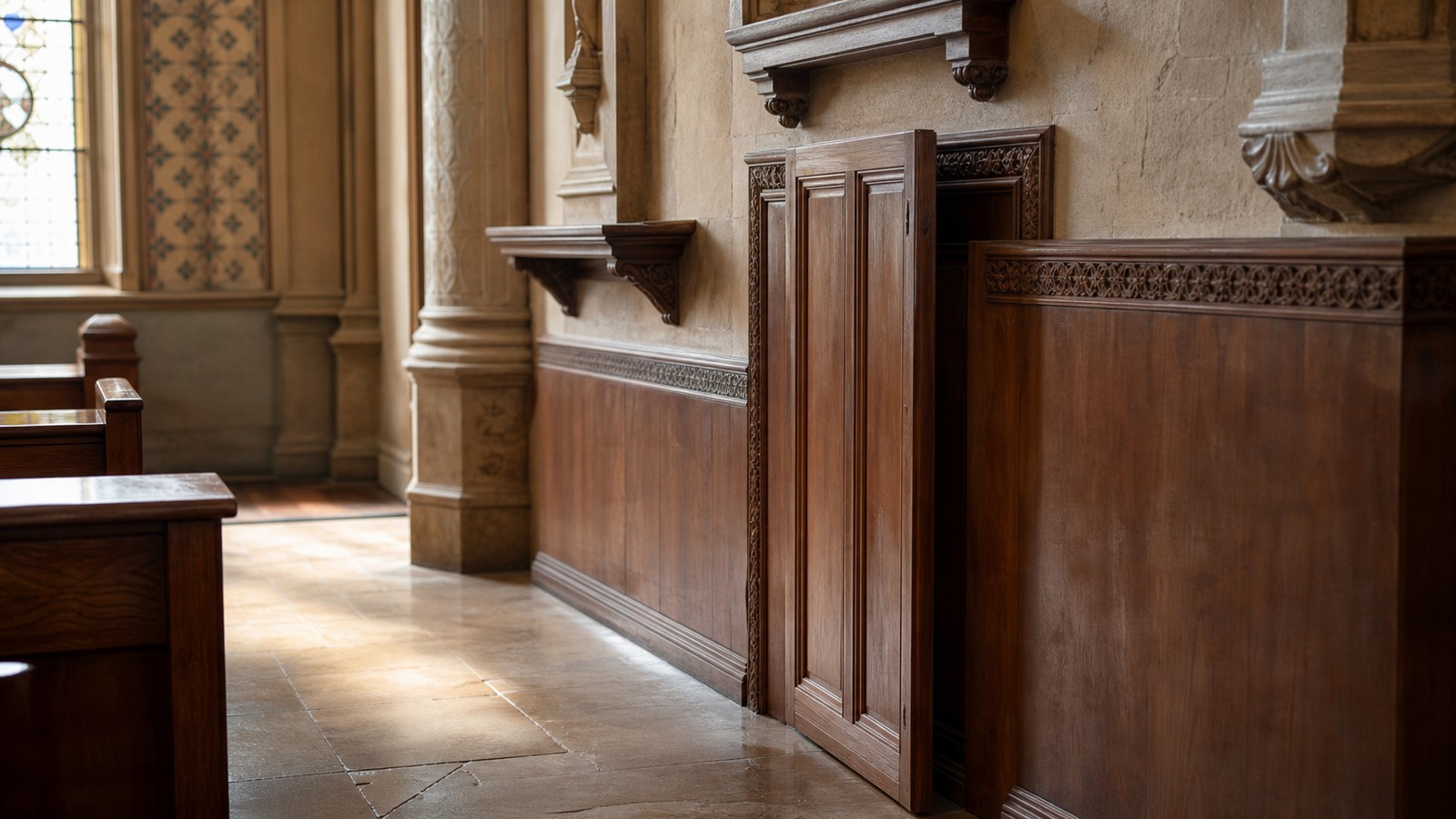
Secret doors in religious architecture often support ritual movement, storage, clergy access, safety, music, maintenance, and preservation.

Where Secrets Are Built Into the Walls
Secret doors in religious architecture often support ritual movement, storage, clergy access, safety, music, maintenance, and preservation.
Military bunker entrances reveal how concealment, terrain, protection, logistics, and disciplined access shape hardened architecture.
Everyday buildings can hide surprisingly useful secret doors because routine spaces often need storage, service routes, privacy, and later adaptation.
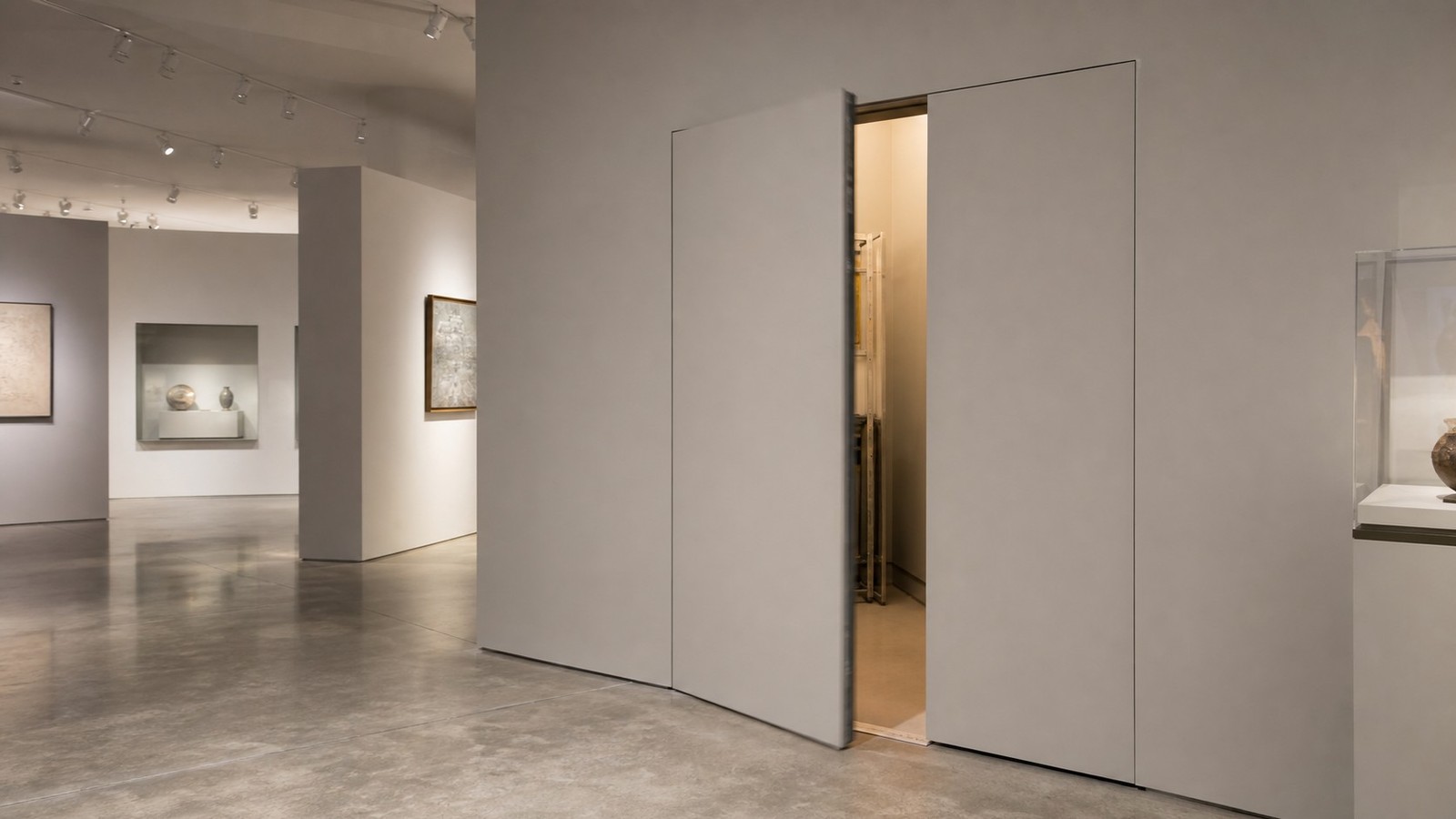
Museum secret doors can hide conservation labs, storage rooms, staff routes, historic architecture, and security functions without breaking the gallery experience.
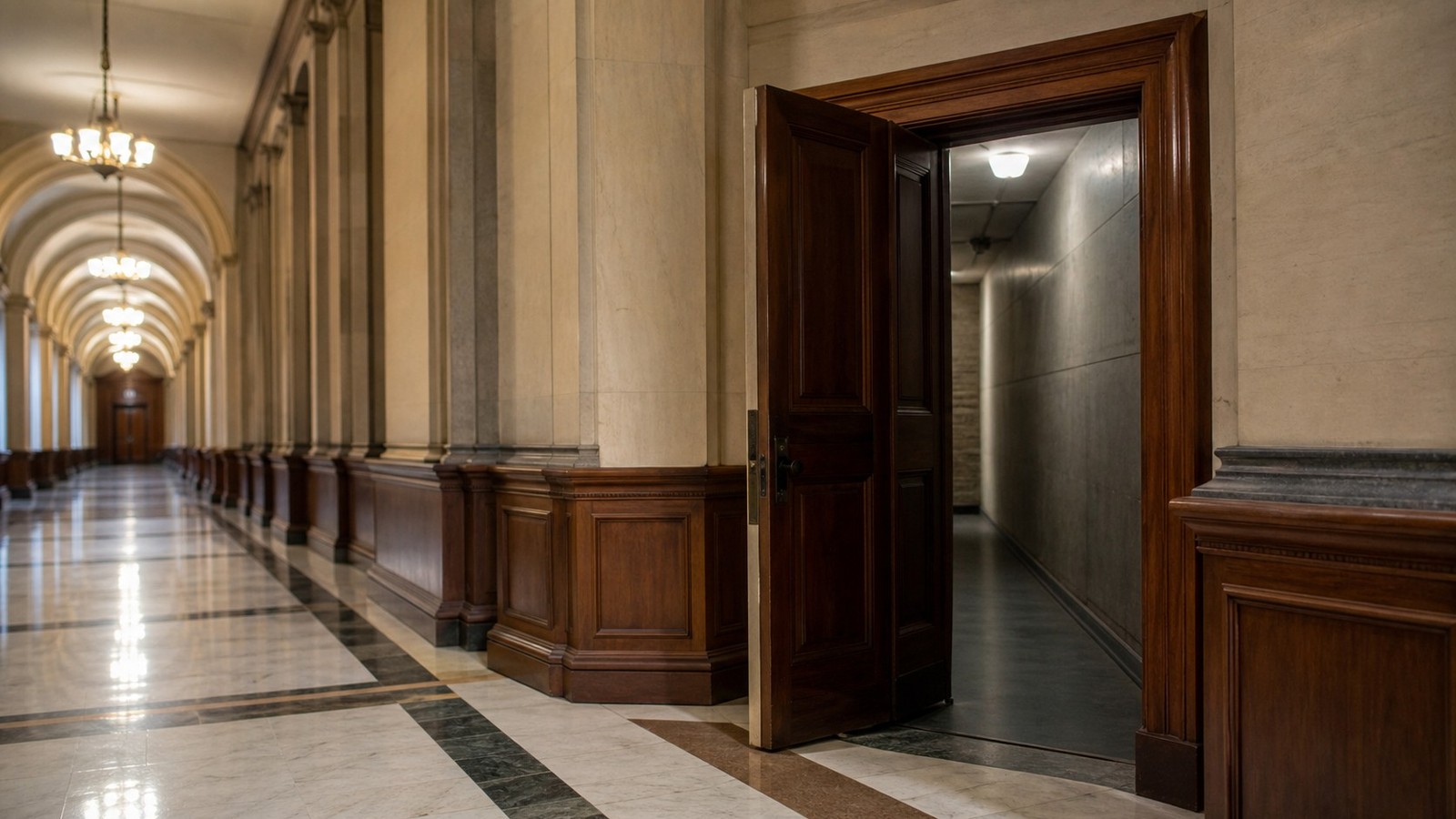
Secret escape routes for world leaders show how architecture, protocol, discretion, and public trust intersect during moments of danger.
Secret doors in ancient temples reveal how sacred buildings controlled access, protected objects, guided ritual movement, and shaped awe.
Underground cities depended on hidden entrances that controlled movement, protected communities, and made below-ground life possible.
Mysterious secret doors become compelling when architecture, evidence, and human motive meet in a discovery that changes how a place is understood.
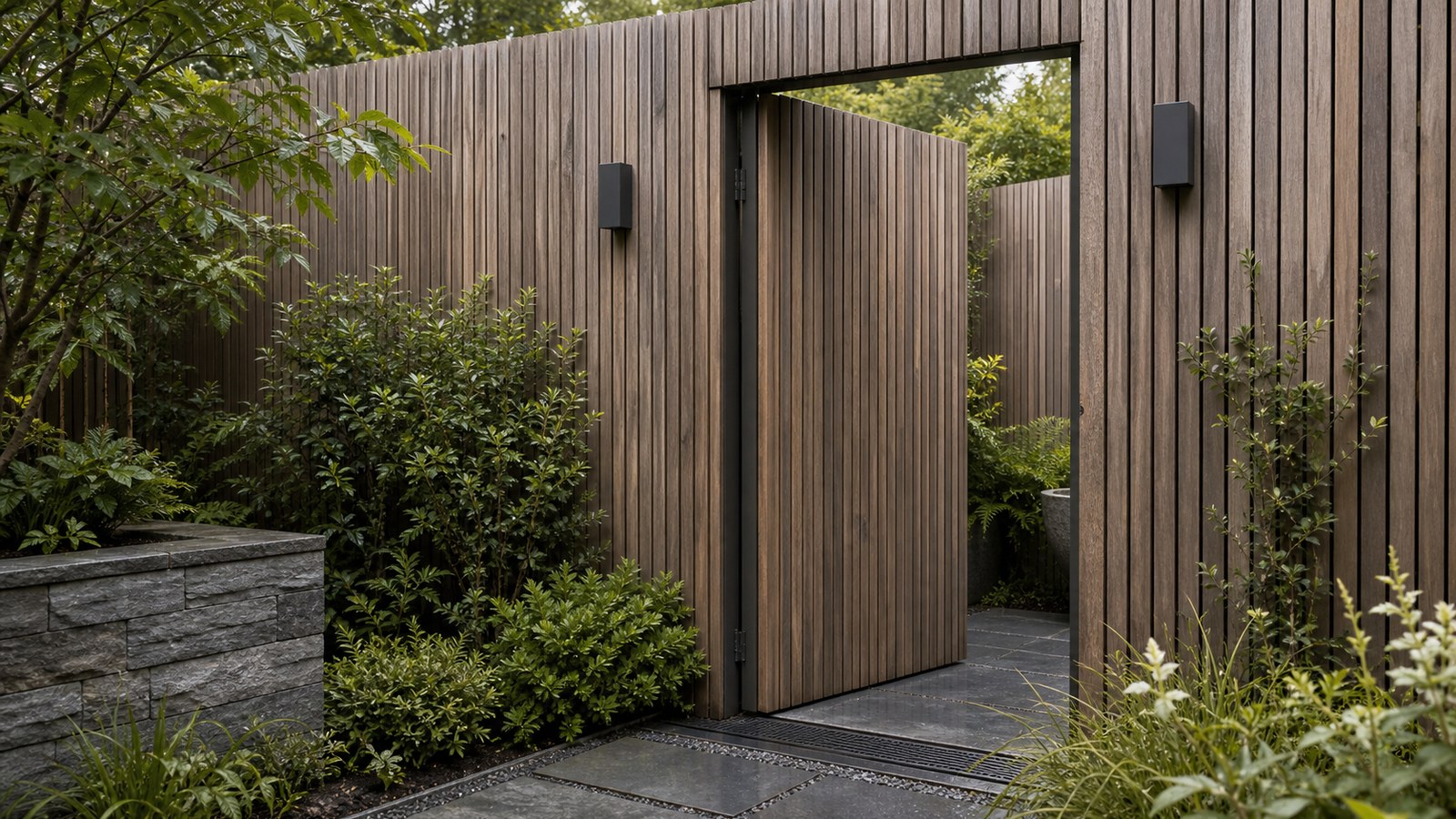
Outdoor secret doors need weatherproof design from the start, including drainage, exterior materials, sealed edges, durable hardware, and seasonal adjustment.
Most secret door problems come from ordinary building mistakes: weak framing, poor reveals, undersized hardware, rushed finishes, and unsafe access.
Secret door locks should balance discretion, daily usability, emergency exit, structural strength, and the real security needs of the room behind the door.
Long-lasting hidden doors depend on square framing, stable panels, strong hardware, protected edges, and careful adjustment more than novelty.