Introduction: Turning a Wall of Books Into a Hidden Entrance
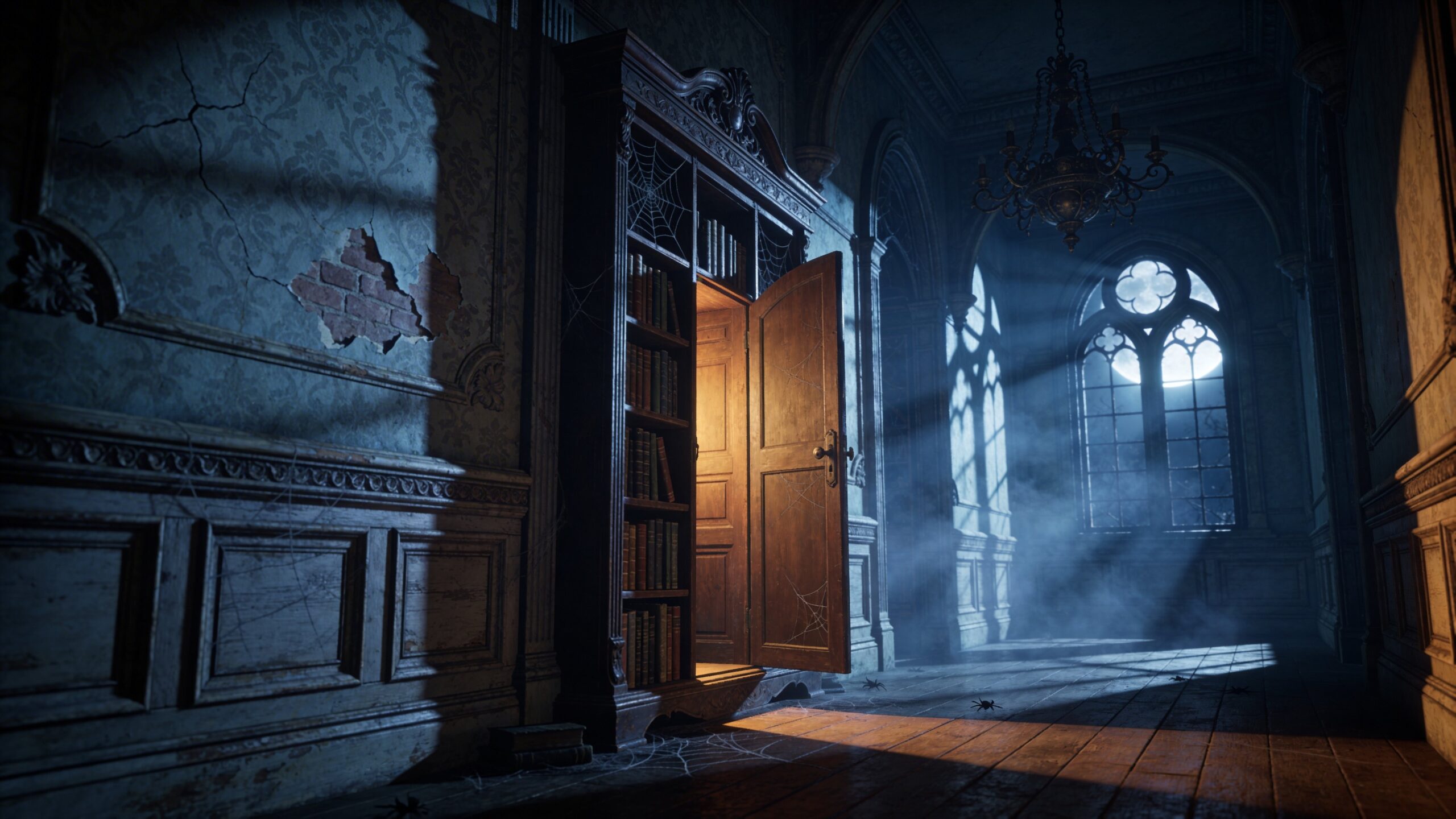
A secret bookshelf door has a special kind of magic. It blends craftsmanship, creativity, and mystery into one unforgettable architectural feature. At first glance, it looks like an ordinary bookcase filled with novels, keepsakes, framed photos, or decorative objects. But with a gentle push, a hidden latch, or a subtle pull on the right shelf, the entire unit swings open to reveal a concealed room, private office, storage area, reading nook, wine cellar, or personal retreat. Building a secret bookshelf door is not just about hiding an opening. It is about creating a believable illusion. The bookshelf must look permanent, balanced, and natural within the room. It must also function like a real door, carrying weight safely, swinging smoothly, and closing with clean alignment. When designed properly, it becomes both furniture and architecture—a dramatic centerpiece that feels practical, clever, and cinematic.
A: Yes, if you are comfortable with measuring, framing, finish carpentry, and installing heavy-duty hardware.
A: Alignment. The door must swing smoothly while keeping the reveal lines small and even.
A: It depends on clearance, room layout, and what is behind the door.
A: Heavy-duty pivot hinges or concealed hinge systems rated for the finished bookcase weight.
A: Yes, but the hardware and frame must be designed for the added weight.
A: Use trim, shadow lines, matching built-ins, careful paint, and consistent shelf styling.
A: Magnetic touch latches, hidden pulls, book levers, and ball catches are common choices.
A: Not always. Many designs use push-to-open hardware or a concealed release.
A: It can be, as long as the room has safe exit access, lighting, ventilation, and code-compliant planning.
A: Focus on square construction, strong hardware, matching trim, even reveals, and a finish that blends with the room.
What Is a Secret Bookshelf Door?
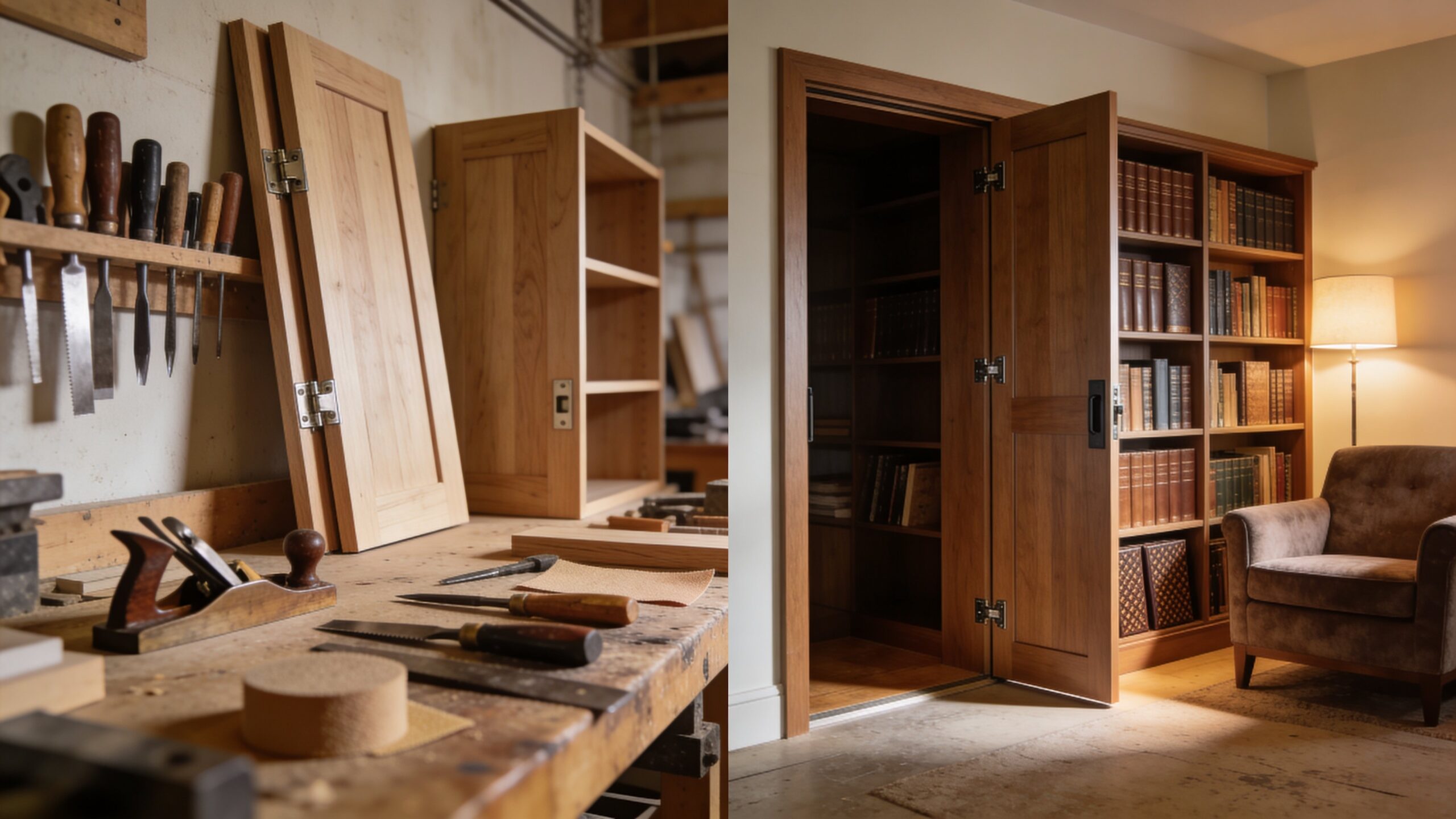
A secret bookshelf door is a disguised door built to look like a fixed bookcase. Instead of using a traditional door slab with visible hinges, knobs, and trim, the opening is concealed behind shelves, cabinet framing, molding, and carefully planned reveal lines. The goal is to make the door disappear into the room while still allowing reliable access. Some bookshelf doors swing inward like a normal door. Others swing outward, pivot from the floor and ceiling, or slide on hidden tracks. The best design depends on the size of the opening, the weight of the shelf unit, the direction of travel, and what sits behind the door. A lightweight decorative bookcase might use heavy-duty concealed hinges, while a tall, fully loaded bookshelf may require a pivot system designed to carry greater weight.
Planning the Project Before You Build
Every successful secret bookshelf door starts with careful planning. Before cutting wood or ordering hardware, measure the existing doorway, surrounding wall, ceiling height, floor clearance, and available swing space. A bookshelf door needs room to move without scraping the floor, hitting furniture, or colliding with nearby walls.
Think about how visible the bookshelf will be from different angles. A hidden door viewed straight on is easier to disguise than one seen from the side. If the bookshelf sits at the end of a hallway, the reveal lines must be especially clean. If it sits among other built-ins, the surrounding shelves can help camouflage the opening. The more the design feels like part of the room, the more convincing the secret becomes.
Choosing the Best Location
The ideal location for a secret bookshelf door is a wall opening that already feels natural for shelving. Hallways, home offices, libraries, basements, bedrooms, entertainment rooms, and under-stair spaces are all strong candidates. A secret door works especially well when it leads to a room that benefits from privacy, such as a study, safe room, media room, closet, storage zone, or tucked-away lounge. Avoid placing a bookshelf door where it blocks a required exit, interferes with electrical panels, or creates a safety issue. If the door leads to a bedroom, basement, or occupied room, make sure it can be opened easily from both sides. A secret door should be fun and discreet, but it should never trap anyone or make emergency access harder.
Step 1: Measure the Opening Accurately
Start by measuring the doorway width, height, depth, and surrounding wall space. Measure at the top, middle, and bottom because older homes often have walls and floors that are not perfectly square. Record the smallest width and height so the bookshelf door will fit without binding.
You also need to measure the diagonal swing path. A bookcase is thicker and heavier than a normal door, so it needs more clearance as it opens. If the shelves will hold real books, the total weight can increase quickly. These measurements will influence the hinge choice, frame design, shelf depth, and latch placement.
Step 2: Decide on Swing Direction
The swing direction affects both the illusion and the usability of the door. An inswing bookshelf door opens into the hidden room, which can keep the main room looking cleaner. An outswing door opens toward the visible room, which can be easier if the hidden space is small or crowded.
Pay attention to baseboards, flooring transitions, furniture, rugs, and ceiling fixtures. A door that swings beautifully on paper may scrape against thick carpet or hit a nearby chair. For the most seamless effect, choose a swing direction that feels natural and gives the shelf enough room to travel smoothly.
Step 3: Select the Right Hardware
Hardware is the hidden engine of the entire project. Standard light-duty hinges are rarely enough for a bookshelf door, especially if the shelves will hold books or décor. Heavy-duty concealed hinges, pivot hinges, or specialized hidden door hinge systems are usually better choices.
A pivot hinge can be an excellent option because it carries weight through the floor and top jamb rather than relying only on side framing. This can make the door feel smoother and more stable. Concealed hinges may work well for smaller or lighter bookshelf doors, but they must be rated for the expected load. Always choose hardware with a weight rating above your estimated final door weight.
Step 4: Build a Strong Door Frame
A secret bookshelf door needs a sturdy internal frame. The frame supports the shelves, controls the shape, and keeps the unit from twisting over time. Plywood, hardwood, or quality cabinet-grade materials are often used because they provide strength and stability.
The frame should be square, rigid, and reinforced at hinge or pivot points. If the structure flexes, the reveal lines will shift and the door may rub or sag. For a heavy bookshelf door, internal blocking is essential. This gives screws and hardware something solid to bite into and helps distribute weight across the unit.
Step 5: Create the Bookshelf Face
Once the frame is planned, design the bookshelf face. Shelf depth matters. Shallow shelves reduce weight and improve clearance, while deeper shelves provide more storage and a more convincing built-in appearance. Many secret bookshelf doors use shelves around 8 to 12 inches deep, depending on the opening and hinge style.
Consider using a mix of fixed shelves and decorative trim to strengthen the unit. Fixed shelves can act as structural braces, while trim helps hide gaps around the door. The bookshelf should look believable, not overloaded. Too many heavy books may strain the hardware, while too few objects might make the secret more obvious.
Step 6: Reinforce the Wall Opening
The hidden door is only as strong as the opening that supports it. If you are installing into an existing doorway, inspect the jambs, studs, header, and floor area. Heavy doors may require additional blocking or reinforcement so the hinge or pivot hardware stays secure.
If the project involves removing drywall, altering framing, or changing a structural wall, consult a qualified professional. A secret bookshelf door can be a DIY-friendly finish carpentry project, but structural changes should be handled carefully. The goal is a door that looks mysterious, not one that becomes unstable.
Step 7: Dry Fit Before Final Assembly
Before painting, staining, or attaching final trim, dry fit the bookshelf door in the opening. This step reveals problems while they are still easy to fix. Check that the door swings freely, clears the floor, lines up with surrounding walls, and closes without rubbing.
Look closely at the gaps around the bookcase. A hidden door usually needs small reveal lines so it can move, but those gaps should feel intentional. Shadow lines, surrounding trim, or matching built-ins can help disguise them. If the door looks too obvious, adjust the trim layout before final finishing.
Step 8: Install the Hinges or Pivot System
Follow the hardware manufacturer’s instructions exactly. Hidden door hardware depends on precise placement, and small errors can create major alignment issues. Mark all mounting points carefully, predrill holes where needed, and use fasteners appropriate for the material and weight.
If using a pivot system, the top and bottom pivot points must align perfectly. If they are off, the door may swing unevenly or bind. If using concealed side hinges, make sure the hinge side has enough strength and clearance. After installation, test the swing several times before loading the shelves.
Step 9: Add a Hidden Latch
The latch is where the secret becomes fun. Some builders use magnetic touch latches that open with a gentle push. Others use a concealed pull, a disguised book lever, a hidden cabinet catch, or a mechanical release tucked beneath a shelf. The best latch is easy for you to use but not obvious to guests.
Safety matters here. If the door leads to an occupied room, install a way to open it from the inside. A hidden door should never rely on a one-way latch that could trap someone. For added convenience, some designs include a soft-close catch or magnetic closure to keep the bookshelf aligned when shut.
Step 10: Finish the Trim and Reveal Lines
Trim is one of the most important parts of the illusion. Crown molding, base trim, side stiles, face frames, and decorative panels can all help disguise the opening. The trim should make the bookshelf look like a fixed built-in, not a movable door.
Pay attention to the hinge side, latch side, top gap, and floor gap. These are the areas most likely to reveal the secret. A small shadow line can look elegant when repeated across nearby cabinetry. Matching the style of the room is key. In a traditional room, use classic molding. In a modern room, use clean lines and minimal reveals.
Step 11: Paint, Stain, or Finish the Bookshelf
The finish should match the surrounding space. A painted bookshelf can blend into wall trim or built-ins, while stained wood can create a rich library effect. Matte and satin finishes often work well because they reduce glare and make slight gaps less noticeable.
If the door is part of a larger wall of shelves, finish everything together for consistency. Different sheen levels, mismatched colors, or uneven trim can draw attention to the hidden opening. A secret bookshelf door succeeds when it feels like it has always belonged there.
Step 12: Load the Shelves Carefully
Once the door is installed, resist the urge to fill every shelf with heavy books. Weight changes how the door behaves. Load the shelves gradually and test the swing after each stage. Place heavier items near the hinge or pivot side when possible, because weight farther from the hinge creates more leverage.
Decorative objects, lightweight books, baskets, and faux book boxes can help create a full appearance without overloading the door. If you want a real library look, use a hardware system rated for the full expected weight. A beautiful secret door should not sag after a few months of use.
Step 13: Test the Door From Both Sides
A secret bookshelf door should open, close, latch, and release reliably from both sides. Test it repeatedly. Check whether the latch catches cleanly, whether the shelves shift, and whether the door drags on the floor. Listen for squeaks, rubbing, or clicking that might reveal the mechanism.
Also test the hidden room experience. Is there enough light? Can someone exit easily? Does the door feel intuitive from inside? If the secret room will be used often, comfort matters as much as concealment. A hidden entrance should feel exciting, not inconvenient.
Design Ideas for a More Convincing Secret Door
The most convincing bookshelf doors use visual misdirection. Surround the opening with other shelves, wall paneling, artwork, or matching trim so the secret door is not isolated. If one bookcase sits alone in the middle of a blank wall, guests may notice the unusual gaps more easily. You can also add asymmetry in a natural way. Place books, plants, small sculptures, and framed objects so the eye focuses on the styling rather than the door lines. Avoid placing a single obvious handle or centered object that gives away the opening. The best secret is hidden in plain sight.
Common Mistakes to Avoid
One common mistake is underestimating weight. Books are heavy, and a shelf door loaded with hardcovers can quickly exceed the capacity of ordinary hinges. Another mistake is building the bookcase too deep, which makes the door harder to swing and easier to detect.
Poor alignment is another issue. If the door sags, rubs, or leaves uneven gaps, the illusion breaks. Rushing the finish work can also make the project look less professional. A secret bookshelf door is part carpentry, part furniture making, and part stagecraft. Precision matters.
Safety and Code Considerations
A secret bookshelf door should never compromise safety. Do not block required exits, hide emergency access in a way that creates danger, or install a latch that cannot be opened from inside. If the hidden room is occupied, it needs safe ventilation, lighting, and a reliable exit path.
Local building codes vary, especially for bedrooms, basements, fire-rated walls, and security rooms. If the project affects egress, electrical work, fire separation, or structural framing, speak with a qualified contractor or building professional. The most impressive hidden door is one that works safely for years.
Final Thoughts: Build the Illusion, Not Just the Door
Building a secret bookshelf door is one of the most rewarding custom home projects because it combines beauty, function, and surprise. The finished result can transform an ordinary doorway into a story. It can make a home office feel like a private study, a storage room feel intentional, or a reading nook feel like a discovery. The key is patience. Measure carefully, choose strong hardware, reinforce the frame, test the swing, and finish every detail with intention. When the bookshelf closes smoothly and disappears into the room, you will have more than a hidden door. You will have a piece of craftsmanship that turns everyday architecture into a moment of wonder.