Throughout history, few architectural features have captured the imagination quite like secret doors. From the fortresses of medieval Europe to the lavish palaces of monarchs, hidden entrances have played crucial roles in politics, defense, and intrigue. They embody both practicality and mystery, serving as escape routes, secret meeting places, and tools of deception. The allure of stepping through an ordinary wall or bookcase into a hidden passage has never faded, inspiring countless legends, novels, and films. Secret doors are more than whimsical curiosities; they reveal the ingenuity of human design in times of necessity. Where secrecy was essential for survival or strategy, architects employed clever concealments that blended flawlessly into their surroundings. As we explore castles, palaces, and hidden tunnels through the ages, we uncover a history where architecture and imagination merged to shape the destinies of rulers, warriors, and societies.
A: Yes—often for escape, private circulation, and surprise tactics, though not in every site.
A: In wall thickness near halls and chambers, behind paneling, within towers, or at water/outer walls.
A: Seamless paneling, tapestry patterns, concealed pivots, and latches disguised as décor.
A: Extended tunnels exist but are less common than short links, stairs, or sally ports.
A: Many sites offer guided tours; access varies with safety and conservation policies.
A: Rare—stage and film popularized them; real triggers were usually architectural elements.
A: Small vents, flues, or borrowed air from adjacent shafts; stays were usually brief.
A: Waxed wood runners, cloth pads, leather washers, and slow, inward swings.
A: Collapse, poor air, rodents, drops—always follow official guidance on historic sites.
A: Yes, with modern codes in mind: safe structure, egress, rated assemblies, and reliable hardware.
Castles and the Need for Secrecy
Medieval castles were not only symbols of power but also centers of defense in turbulent times. They were constantly under threat from rival lords, foreign invaders, and peasant uprisings. In this environment, secret doors and hidden passageways became vital tools of survival.
Castle architects designed concealed exits known as postern gates, often hidden behind foliage, within walls, or leading down into valleys. These doors allowed defenders to escape sieges, send messengers for reinforcements, or launch surprise counterattacks. Hidden passages were also used to smuggle supplies into a besieged stronghold, ensuring survival during long blockades.
Beyond their military use, secret doors allowed rulers to move discreetly through their own castles. Monarchs and lords could access private chambers, avoid detection, or meet allies in secrecy. In a world where betrayal was common and safety precarious, the hidden door was both a shield and a strategic weapon.
The Tower of London and Tudor Intrigue
One of the most famous strongholds in English history, the Tower of London, is steeped in stories of hidden passages and secret doors. During the turbulent Tudor era, the Tower served as both a royal palace and a prison for those accused of treason. Secret doors within its walls facilitated both surveillance and clandestine movement.
Monarchs like Henry VIII relied on these passages to move discreetly through the fortress, away from public eyes. Prisoners rumored to have escaped through hidden routes added to the Tower’s aura of fear and legend. For the Tudors, secrecy was not just convenience but survival in an era rife with plots, conspiracies, and shifting loyalties.
French Palaces and Royal Escape Routes
Across the Channel, French palaces incorporated hidden doors not only as architectural novelties but as essential escape routes during times of unrest. The Palace of Versailles, though renowned for its opulence, included concealed passages that allowed Louis XVI and Marie Antoinette to retreat from public spaces into private chambers.
Most famously, when the French Revolution erupted, Marie Antoinette used a hidden door in her bedchamber to flee from angry mobs storming Versailles in October 1789. Though the escape was temporary, it highlighted the significance of concealed architecture in moments of crisis. The door itself remains a powerful symbol of the fine line between royal luxury and mortal peril.
The Vatican and the Passetto di Borgo
Not all hidden doors were confined to castles and palaces. In Rome, the Vatican developed one of the most storied escape routes in history: the Passetto di Borgo. This elevated passage, concealed within fortified walls, connects the Vatican to Castel Sant’Angelo.
The corridor allowed Popes to flee from danger, particularly during times of invasion. In 1527, during the Sack of Rome, Pope Clement VII famously escaped through the Passetto to safety. This hidden route exemplifies how even the highest religious leaders relied on secret architecture to preserve their lives and power.
The Passetto demonstrates the blending of practicality and symbolism. While its purpose was protective, its very existence reinforced the vulnerability of leaders in tumultuous times, highlighting that even those perceived as untouchable required hidden doors to safeguard their survival.
Scottish Castles and Hidden Chambers
Scotland’s turbulent medieval history produced castles rich in legends of secret doors. Many of these strongholds were built amid wars for independence, feuds between clans, and ongoing conflict with England. Hidden chambers provided safety for lords and their families when direct defense was impossible.
At Crathes Castle, for example, visitors can still explore winding staircases that lead to concealed rooms. Stories suggest these spaces sheltered inhabitants during raids. Other Scottish castles were said to contain trapdoors leading to underground tunnels, allowing nobles to escape or hide from attackers. These architectural features blended with folklore, creating myths of ghosts and hidden treasures that endure to this day.
Secret Tunnels Beneath European Cities
Beyond individual castles and palaces, many medieval and Renaissance cities developed intricate networks of hidden tunnels. These underground passageways connected civic buildings, religious sites, and private residences. They served multiple purposes: smuggling goods, moving troops, and offering escape routes during sieges.
In Prague, for example, legends tell of hidden tunnels beneath the Old Town, said to be used by nobles and merchants. Edinburgh’s Old Town contains mysterious vaults and passages that once housed taverns, secret meetings, and clandestine activity. Across Europe, these tunnels blurred the line between practical necessity and urban legend, inspiring stories of hidden societies and secret gatherings.
Secret Doors in Asian Palaces
While much attention is given to Europe, hidden doors also played significant roles in Asian palaces and fortresses. In China’s Forbidden City, numerous hidden chambers and concealed entrances allowed emperors and officials to move unseen. This architecture was essential in maintaining imperial authority, where secrecy was a tool of governance as much as defense.
Japanese castles similarly employed secret doors and hidden compartments, particularly during the Sengoku period, when feudal lords fought for dominance. Castles like Himeji included deceptive layouts with false walls and concealed staircases designed to confuse attackers and protect rulers. These designs reveal that the concept of hidden doors was a global phenomenon, born from shared human needs for safety, strategy, and control.
Espionage and Hidden Rooms in Modern History
As warfare evolved, so too did the uses of hidden doors. During World War II, secret rooms concealed by disguised entrances became vital for espionage and resistance. In Nazi-occupied Europe, hidden compartments shielded resistance fighters and Jewish families from detection. Perhaps the most famous example is the secret annex in Amsterdam, where Anne Frank and her family hid behind a movable bookcase.
These hidden doors carried immense emotional weight. They were not just architectural curiosities but lifelines for those seeking to survive persecution. Their legacy continues to remind us of the profound human need for concealment in times of danger and oppression.
Symbolism and Storytelling
Secret doors have never been purely functional. They carry deep symbolic weight, representing mystery, hidden knowledge, and the unknown. In literature and folklore, they are portals to other worlds—whether in the form of enchanted wardrobes, magical portals, or forbidden chambers. Their real-life presence in castles and palaces only amplified their mystique, merging history with imagination.
Even today, the idea of a hidden door stirs excitement. It invites us to wonder what lies beyond and to embrace the thrill of discovery. In historical contexts, they remind us of the fragility of power, the ingenuity of architects, and the resilience of those who relied on secrecy to survive.
The Craft of Concealment
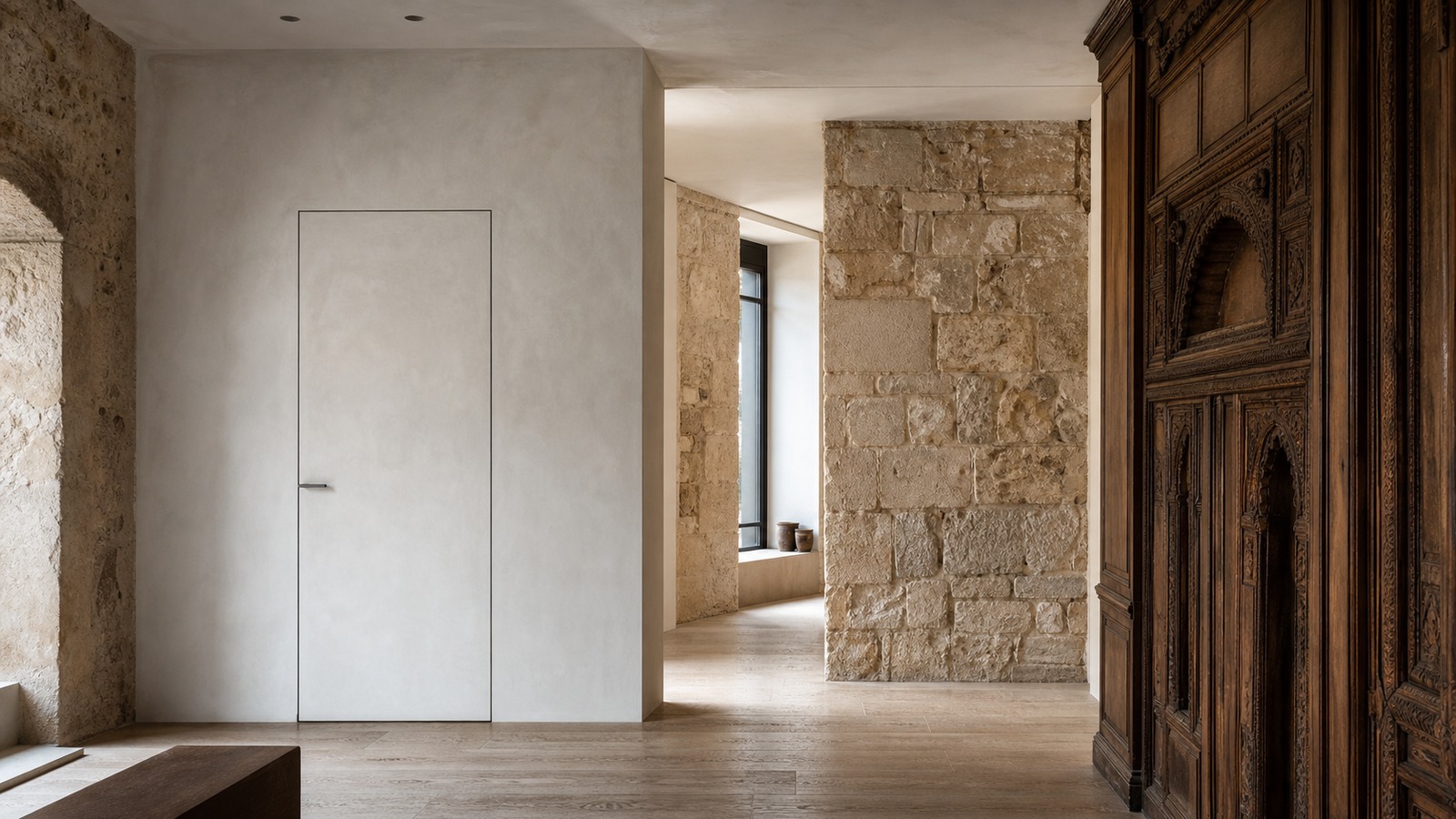
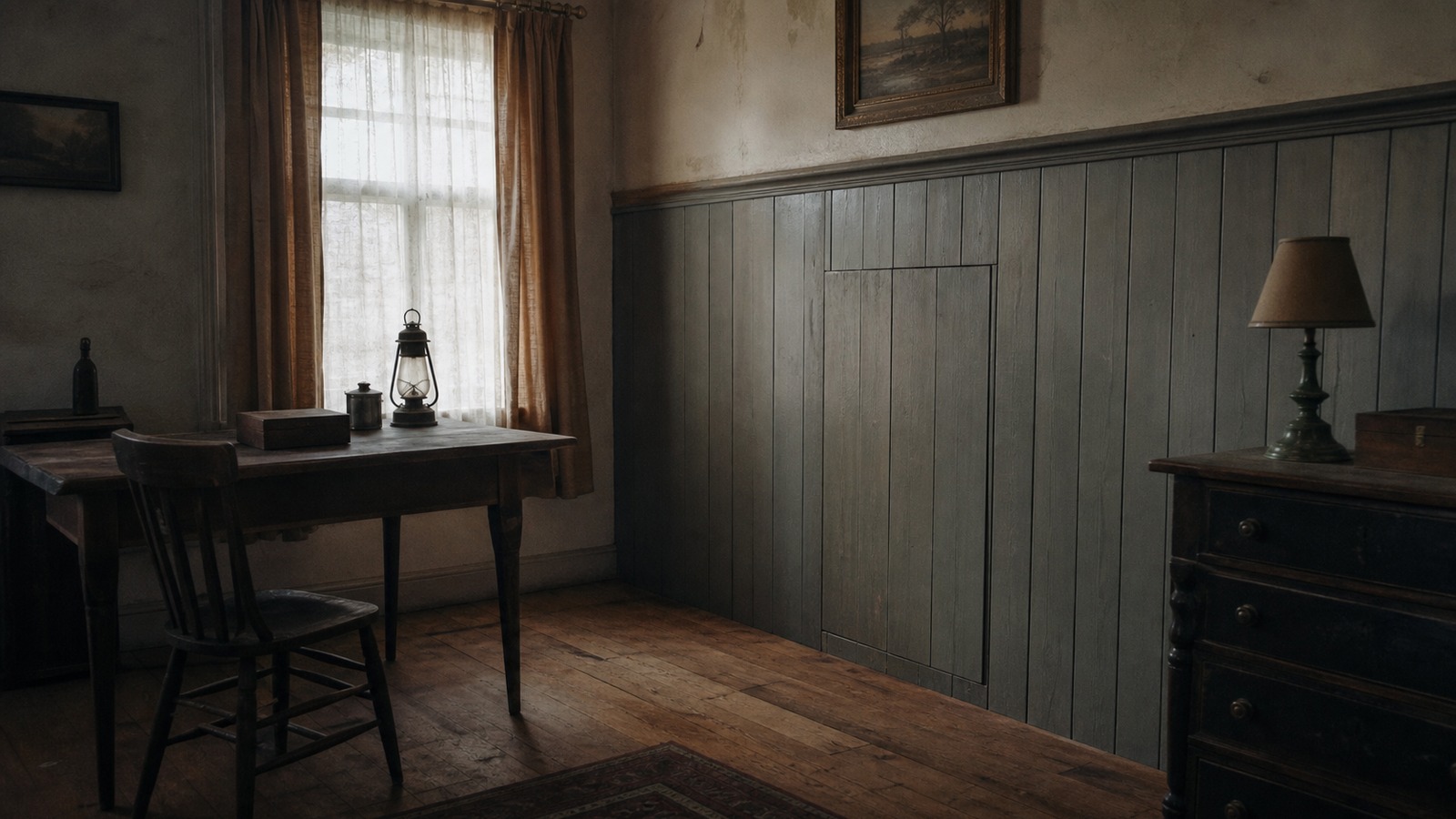
The effectiveness of secret doors throughout history depended on the craftsmanship behind them. Builders employed clever techniques to disguise entrances as part of walls, fireplaces, or bookshelves. False paneling, intricate woodwork, and strategic placement ensured that only those who knew the secret could access the passage.
In many cases, these doors were indistinguishable from their surroundings. To the untrained eye, they were ordinary walls or furnishings. This meticulous attention to detail underscores the artistry of historical architects, whose work was as much about deception as it was about construction.
Hidden Doors and Political Power
Secret doors also served as instruments of political maneuvering. In courts rife with intrigue, they allowed rulers to move unseen, avoiding spies or adversaries. They provided private access to allies, lovers, or counselors, facilitating relationships that shaped the course of history.
In some cases, the mere knowledge of a hidden passage was itself a symbol of trust and privilege. To be granted access to a secret door was to be included in the innermost circles of power. Conversely, exclusion from such knowledge could mean marginalization or suspicion. In this sense, hidden doors were more than architectural features—they were tools of political theater.
From History to Modern Inspiration
While castles and palaces of the past relied on hidden doors for survival, their legacy continues in modern architecture. Today, homeowners incorporate secret entrances not out of necessity but as nods to history and imagination. Luxury residences often feature bookshelf doors, mirror panels, or concealed storage as tributes to the traditions of secrecy and elegance.
Museums and heritage sites preserve historic examples, allowing visitors to experience the thrill of stepping through a hidden door. These sites connect us with the past while reminding us that secrecy has always been part of the human story. The fascination endures because it touches something universal—the desire for privacy, security, and wonder.
Final Reflections: The Legacy of Secrecy
Secret doors in castles, palaces, and hidden tunnels stand as testaments to human creativity and resilience. They were born from necessity, forged in times of conflict and intrigue, yet they transcended their practical uses to become symbols of imagination and power. From medieval lords escaping sieges to monarchs fleeing revolution, from emperors ruling unseen to ordinary families hiding from persecution, hidden doors shaped the narratives of history.
Their enduring legacy lies in their duality. They are both real and symbolic, functional and fantastical. They remind us that architecture is not just about walls and foundations but about the stories we build into our spaces. In every secret door, we see a reflection of human ingenuity, vulnerability, and hope.
As we walk through historic castles, palaces, and tunnels today, we are invited to imagine the footsteps of those who once relied on hidden doors for survival. The thrill of discovery remains the same, connecting us across centuries. Secret doors remind us that behind every wall may lie another world—concealed, waiting, and filled with stories yet to be told.