The Door That Makes the Myth
Few fictional worlds understand the power of an entrance like James Bond. Before the tuxedo, before the Aston Martin, before the mission briefing begins, there is usually a threshold: a concealed door, a guarded corridor, a hidden lift, a quiet passage behind ordinary architecture. In the Bond universe, these entrances do more than move characters from one room to another. They announce that the surface world is only the beginning. “James Bond and the Secret Entrances of MI6” is a phrase that instantly suggests polished steel, coded access, underground command centers, and doors that open only for the right person at the right moment. It belongs to the long tradition of spy fiction where buildings behave like puzzles, rooms contain secrets, and power hides behind clean lines. MI6, as imagined through the Bond films and novels, is not just an intelligence agency. It is a stage for mystery, discipline, technology, and the thrilling idea that the most important doors are the ones most people never notice.
A: Bond’s entrances are fictionalized for drama, though real secure facilities do use controlled access.
A: They instantly create mystery, restricted access, and the feeling of a world beneath the surface.
A: Minimal design, silent movement, controlled lighting, advanced access, and a sense of polished secrecy.
A: In Bond storytelling, Q Branch often feels like a restricted workshop where hidden innovation begins.
A: It combines government authority, secrecy, modern materials, and the drama of classified rooms.
A: Yes—villain entrances are often more theatrical, while MI6 entrances feel controlled and purposeful.
A: A concealed door that begins as an ordinary wall, shelf, lift, corridor, or service route.
A: They suggest that the world is bigger, stranger, and more carefully designed than it appears.
A: Yes—biometrics, sensors, maglocks, secure elevators, and access logs all fit the modern spy aesthetic.
A: It symbolizes clearance, trust, danger, and the moment when ordinary life gives way to the mission.
MI6 as a Symbol of Hidden Power
In real life, intelligence work depends on secrecy, discretion, analysis, and careful procedure. In James Bond’s world, those qualities become cinematic architecture. MI6 becomes a place where hidden entrances, coded lifts, concealed doors, and restricted rooms turn government work into high drama. The building is never just a workplace. It is a fortress of information, a machine of national defense, and a maze of controlled access. This is why secret entrances matter so much in Bond storytelling. A visible door is ordinary. A hidden entrance suggests hierarchy. Someone knows where it is. Someone has permission to enter. Someone else does not. That simple contrast gives the audience an immediate thrill. When Bond passes through a secure entrance into a private area, viewers understand that the mission is moving deeper, closer to danger, closer to the truth.
The Cinematic Language of Secret Access
Secret entrances in James Bond stories are not always literal trapdoors or sliding bookshelves. Sometimes they are sleek elevators, biometric checkpoints, disguised service routes, underground parking bays, or restricted rooms behind minimalist walls. What matters is the feeling of transition. Bond begins in the public world and crosses into a hidden one.
Cinema turns this movement into visual pleasure. A camera follows Bond through a corridor. A door unlocks with a soft mechanical sound. A panel slides open. A lift descends. A guard steps aside. In a few seconds, the audience understands that ordinary London has given way to a private network of intelligence, danger, and authority. The secret entrance becomes a storytelling shortcut, delivering atmosphere faster than explanation ever could.
Why James Bond Needs Hidden Doors
James Bond is built on contrast. He moves through casinos, embassies, hotels, airports, islands, fortresses, laboratories, and government offices. He can charm a room in public, then vanish into a restricted corridor moments later. Hidden entrances support that dual identity. Bond belongs to the glamorous surface world, but he also has permission to enter the machinery underneath it.
A secret entrance also reinforces Bond’s status as an insider. He knows the routes others do not know. He understands codes, signals, and systems. He can read a room, spot the false wall, recognize the guarded elevator, and step into spaces designed to exclude everyone else. In a world of deception, access is power. Bond’s ability to cross hidden thresholds is part of what makes him feel dangerous.
The MI6 Headquarters as a Modern Fortress
The most iconic modern image of MI6 is the headquarters on the Thames, often presented as a bold, fortress-like structure with layered geometry and a strong presence beside the river. In Bond films, this headquarters becomes more than a recognizable landmark. It becomes a symbol of Britain’s intelligence apparatus: visible enough to project authority, secretive enough to suggest that most of its true operations remain hidden.
The tension is fascinating. A building can be famous and still feel mysterious. Everyone can see the exterior, but the interior remains unknowable. This is perfect for James Bond. The audience may recognize the location, yet still imagine secure tunnels, hidden rooms, restricted floors, and private entrances designed for agents who operate beyond public view.
From Street Level to Shadow Level
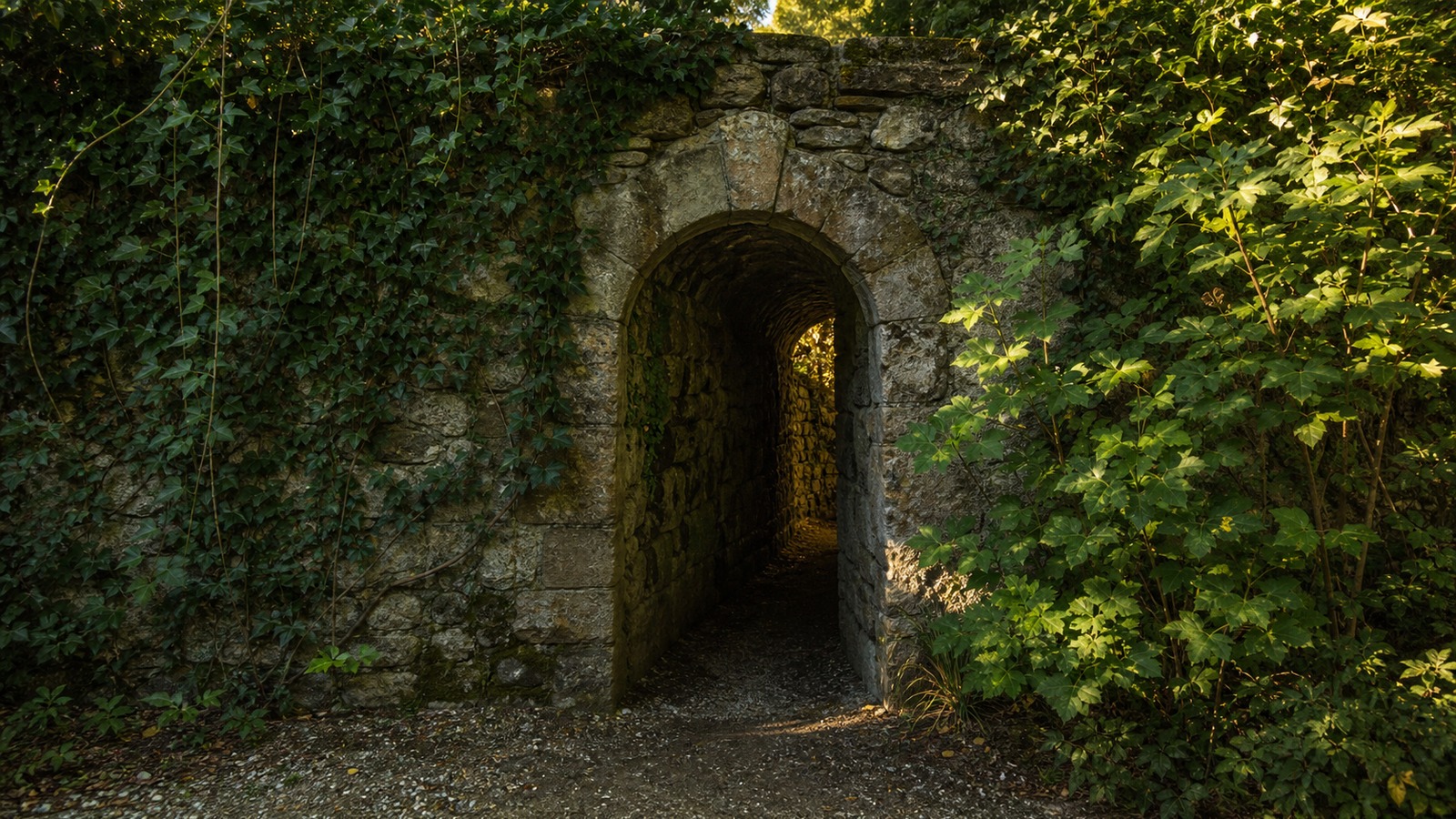
The most exciting secret entrances in spy fiction often begin with something ordinary. A parking garage. A service corridor. A plain door in a quiet hallway. A maintenance lift. A riverside access point. The drama comes from the transformation. What appears mundane becomes extraordinary once the right code, card, fingerprint, or phrase is introduced.
In the Bond universe, this “street level to shadow level” movement is essential. The public city is layered over the secret city. London is not only a capital of politics, finance, and culture. It is also imagined as a place of concealed routes and guarded rooms. The fantasy is not that the secret world exists somewhere far away. It is that it is hidden right behind the places we already know.
Q Branch and the Doors Behind the Doors
No discussion of James Bond and MI6 would be complete without Q Branch, the workshop of impossible tools, elegant gadgets, and technical mischief. Q Branch often feels like the ultimate hidden room: a place where ordinary objects are rebuilt into extraordinary devices. Watches become weapons. Cars become escape systems. Pens, phones, briefcases, and glasses become instruments of espionage.
A secret entrance to Q Branch carries a special kind of excitement because it leads not simply to information, but to invention. This is where Bond’s world reveals its playful side. Behind secure doors, engineers test prototypes, armor vehicles, conceal transmitters, and prepare the clever mechanisms that may save Bond’s life later. Q Branch turns the hidden entrance into a promise: something brilliant is waiting inside.
The Psychology of Concealed Architecture
Secret entrances fascinate people because they satisfy a deep imaginative impulse. A hidden door suggests that the world is larger than it looks. It turns architecture into mystery. It makes a room feel alive with possibility. In Bond stories, this psychology becomes sharper because the stakes are higher. A concealed entrance might lead to a briefing room, an escape route, a weapons lab, a surveillance hub, or a room where a global threat is finally explained.
The pleasure comes from discovery. When a wall panel opens or a secure lift descends, the audience experiences a small revelation. The space has been transformed. What seemed fixed is suddenly flexible. What seemed ordinary is revealed as designed. That is the magic of secret architecture in spy fiction: it makes the physical world feel intelligent.
Secret Entrances as Status Symbols
In James Bond, hidden entrances are not only practical. They are symbols of status. Villains use them to display wealth, paranoia, and control. MI6 uses them to display discipline, order, and institutional power. Bond moves between both worlds, reading each space as a clue. The entrance itself often reveals character.
A villain’s hidden door may be theatrical, excessive, and intimidating. It might open into a private lair, a weapons chamber, or a control room built to impress. MI6 entrances, by contrast, tend to feel efficient, restrained, and purposeful. They are not meant to brag. They are meant to control access. That difference gives the Bond universe a rich design language: secrecy can be stylish, but it can also be deeply revealing.
The River, the Tunnel, and the Escape Route
Because MI6 is so strongly associated with London, water and underground routes naturally fit the imagination. The Thames becomes more than scenery. It becomes a possible boundary, escape path, surveillance zone, or hidden approach. Spy fiction loves rivers because they suggest movement, reflection, and danger. A building on the water always feels like it has more than one way in and more than one way out. Underground routes carry a different energy. They suggest old infrastructure, wartime planning, forgotten passages, and modern systems layered over history. Whether or not a particular route exists in reality is less important to the Bond myth than the atmosphere it creates. The idea of descending beneath the city fits perfectly with espionage: secrets naturally belong below the surface.
The Briefing Room as a Threshold
One of the most important “secret entrances” in Bond is not always a dramatic passage. It is the entrance into the briefing itself. When Bond steps into M’s office or a secure operations room, the story changes gears. The charm and danger of the outside world pause for a moment, replaced by intelligence, urgency, and command.
This threshold gives the mission its shape. Inside MI6, Bond is not just a stylish figure moving through danger. He is an agent with orders, responsibilities, and consequences. The entrance to the briefing room marks the point where intrigue becomes assignment. It is the doorway between rumor and mission, between mystery and objective.
Hidden Entrances and the Bond Villain
Bond villains often mirror MI6 in exaggerated form. They also have secure compounds, hidden access points, disguised laboratories, underwater bays, mountain bases, private islands, and secret doors. Their entrances are usually grander, stranger, and more theatrical. They are designed to make the villain seem untouchable.
This contrast is one of the great pleasures of the series. MI6 represents controlled secrecy in service of national defense. The villain’s lair represents secrecy in service of obsession. Both use hidden architecture, but with different moral energy. Bond must enter the villain’s secret world, understand its logic, survive its traps, and destroy the illusion that hidden power is invincible.
Technology and the Modern Secret Door
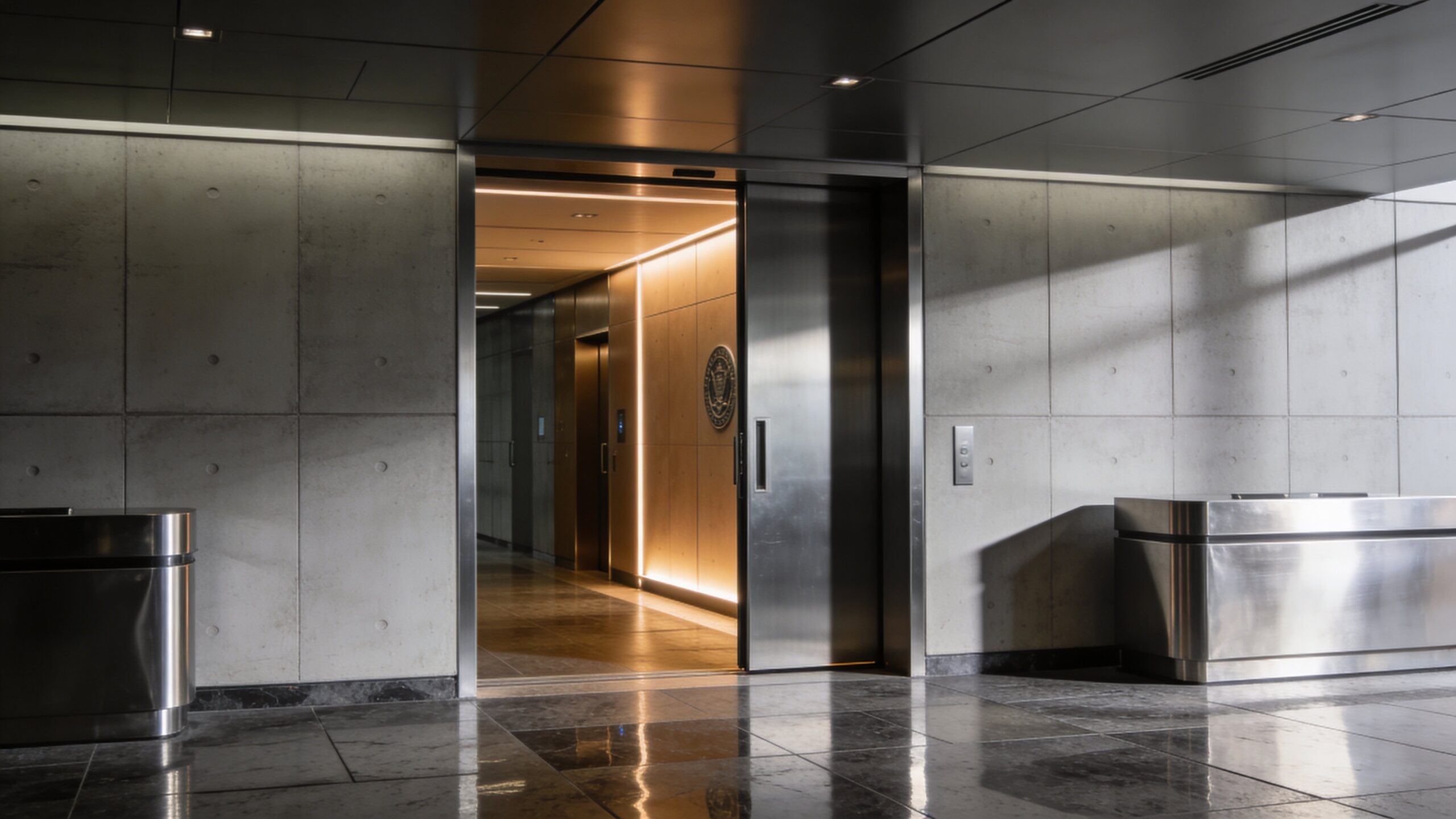
As the Bond franchise has evolved, secret entrances have changed with technology. The classic concealed switch and sliding wall still have charm, but modern espionage suggests encrypted access, facial recognition, biometric locks, silent elevators, surveillance-resistant corridors, and doors controlled by layered security systems. The secret entrance has become less about a trick panel and more about a complete access ecosystem.
This modern approach suits MI6 especially well. A contemporary secret entrance would not simply hide. It would verify, track, isolate, and protect. It might recognize the agent, log the entry, seal behind them, and route them to a secure area without exposing the path to outsiders. The drama is quieter than an old-fashioned trapdoor, but in many ways more intense. The door is not just hidden; it is watching.
Why Audiences Love the Hidden MI6 World
Audiences return to James Bond because the stories offer a fantasy of competence. Bond knows what to wear, what to drive, what to notice, when to speak, and when to act. MI6 secret entrances feed that fantasy by creating a world where everything has a purpose. Doors open because systems recognize authority. Rooms exist for specialized missions. Objects conceal functions. Architecture becomes part of the operation.
This is a deeply satisfying idea. In ordinary life, buildings are often frustrating, cluttered, and obvious. In Bond’s world, spaces are precise. A corridor may lead to a command center. A plain wall may conceal a lift. A restricted entrance may open into a room full of technology. The fantasy is not only about danger. It is about design, order, and the thrill of being admitted into the inner circle.
The Style of Secrecy
Bond’s MI6 entrances are memorable because they balance secrecy with style. They are rarely messy or improvised. They are polished, controlled, and cinematic. Materials matter: glass, stone, steel, dark wood, brushed metal, concrete, and shadow. Lighting matters too. A secret entrance should not look like a haunted-house trick. It should feel inevitable once revealed, as if the building was always waiting to open.
That sense of elegance separates Bond from many other spy worlds. The secret entrance is not merely a device. It is a design statement. It tells the viewer that secrecy can be disciplined, architectural, and beautiful. The best Bond environments make danger feel refined without making it safe.
The Real and the Imagined MI6
It is important to separate the real intelligence service from the fictional world of James Bond. Real intelligence work is not a continuous parade of gadgets, hidden doors, and cinematic reveals. It involves analysis, human judgment, partnerships, legal frameworks, and long-term strategy. The Bond version is heightened entertainment, designed for spectacle and suspense.
Yet fiction often uses exaggeration to express emotional truth. The real world of intelligence is secretive by necessity, so Bond gives audiences a visual language for that secrecy. Hidden entrances become a way to picture restricted knowledge. Secure rooms become symbols of classified decisions. MI6 becomes a dramatic shorthand for the hidden systems that protect national interests beyond public view.
The Ultimate Bond Entrance
The ultimate Bond-style MI6 entrance would not be loud. It would be almost invisible. Perhaps it begins in a quiet London street, behind a door that looks administrative and forgettable. Inside, a narrow corridor leads to a controlled checkpoint. A panel scans credentials without fanfare. A lift opens silently. It descends below the visible city into a clean, secure level of operations, where glass walls, low light, and precise screens reveal a world few people ever see.
That entrance would work because it understands Bond’s deepest appeal. The secret does not need to shout. It only needs to open. The moment the door moves, the audience feels the old thrill again: there is another world behind this one, and James Bond has the clearance to enter.
Conclusion: The Secret Is the Story
“James Bond and the Secret Entrances of MI6” captures one of the most enduring pleasures of spy fiction: the belief that hidden worlds exist just beyond ordinary sight. MI6, as imagined through Bond, is more than an agency. It is a mythology of doors, corridors, codes, and controlled revelation. Every secret entrance promises that the visible world is only the cover story. That is why these entrances remain so powerful. They are not just architectural details. They are invitations into mystery. They tell us that danger has structure, secrecy has style, and the next mission may begin the moment an ordinary wall decides to open.