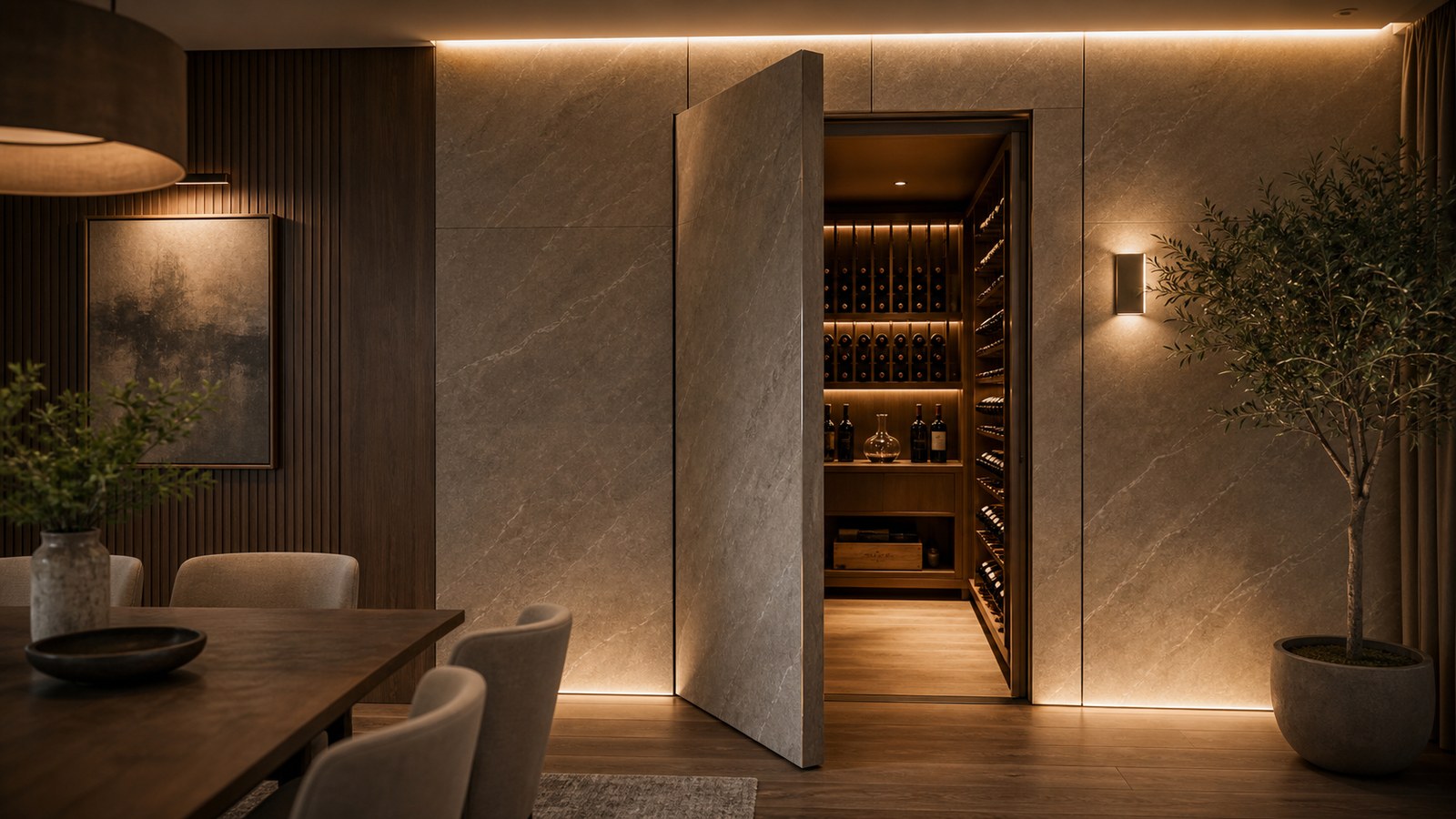
Luxury hotels are designed to feel effortless. Guests glide from lobby to suite, from spa to rooftop bar, rarely questioning how the experience is orchestrated so smoothly. Yet behind polished marble walls and velvet curtains lies a hidden world of hallways, staircases, tunnels, and secret passages that make true luxury possible. These concealed routes are not gimmicks or folklore; they are critical pieces of architectural planning that blend discretion, efficiency, security, and intrigue. In many high-end hotels, the most fascinating spaces are the ones guests are never meant to see. Hidden hallways and secret passages have evolved alongside luxury hospitality itself. Once built for servants, nobility, and security, these concealed routes now support modern operations while adding a layer of mystique that enhances a hotel’s identity. Whether quietly moving staff, protecting privacy, or preserving historical charm, these unseen corridors play a central role in what makes luxury hotels feel magical.
A: Rarely—most are fully concealed from public view.
A: Yes, modern luxury hotels rely on them more than ever.
A: Mostly, but VIP routes are sometimes included.
A: Yes, but they dramatically improve operations and guest experience.
A: Many are adapted for modern safety standards.
A: They enhance it when properly controlled.
A: Often wider to handle carts and equipment.
A: Typically no, unless part of a curated experience.
A: Many are acoustically treated.
A: Mystery and discretion are part of the luxury appeal.
The Origins of Hidden Passageways in Grand Hospitality
The tradition of secret passages predates the modern hotel industry. European palaces, aristocratic estates, and grand townhouses were designed with servant corridors, concealed staircases, and private routes to maintain strict social hierarchies. Staff were expected to appear only when summoned, and architecture enforced that rule. When early luxury hotels emerged in the late nineteenth and early twentieth centuries, they borrowed heavily from this aristocratic blueprint.
Grand hotels modeled themselves after palaces, both in appearance and function. Guests expected elegance without intrusion, and staff required efficient access to every corner of the building. Hidden hallways became a practical necessity. These early designs allowed housekeeping, kitchen staff, and porters to move invisibly, maintaining the illusion that luxury simply existed rather than being constantly maintained. Over time, these architectural features became deeply embedded in hospitality culture. Even as technology advanced, the principle remained unchanged: guests should never see the machinery behind the experience.
Architecture Designed for Invisibility
Luxury hotels are exercises in controlled perception. Architects carefully separate public, private, and operational spaces, often stacking them in layers within the same footprint. Behind ornate walls, narrow corridors run parallel to guest hallways. Service elevators shadow guest elevators. Hidden stairwells connect kitchens, ballrooms, and suites without crossing public sightlines.
These invisible networks are often more complex than the guest-facing areas. Service corridors must accommodate carts, linens, food trays, maintenance equipment, and emergency access. Their design prioritizes efficiency over aesthetics, yet in many historic luxury hotels, even hidden spaces display craftsmanship, from tiled floors to vaulted ceilings. In modern luxury construction, concealment is more subtle. Flush panels, disguised doors, and soundproof partitions blend seamlessly into the architecture. A wall that appears decorative may hide a service entrance. A mirrored panel might conceal a staff corridor. The goal is invisibility without sacrificing accessibility.
The Role of Secret Passages in Guest Privacy
Privacy is one of the most valuable currencies in luxury hospitality. High-profile guests, celebrities, executives, and dignitaries rely on hotels not just for comfort, but for discretion. Hidden hallways play a vital role in protecting that privacy. Private routes allow VIP guests to move between suites, spas, meeting rooms, and secure exits without passing through public spaces. These pathways reduce unwanted attention and provide controlled movement during arrivals and departures. In some cases, entire floors can be serviced exclusively through hidden corridors, ensuring complete separation from general guest traffic. This architectural discretion creates psychological comfort as well. Guests may never consciously notice these features, but the absence of interruption contributes to a sense of calm and exclusivity. Luxury, after all, is often defined by what you don’t see.
Behind-the-Scenes Efficiency and Hotel Operations
Running a luxury hotel is a logistical feat. Thousands of small tasks must happen continuously without disrupting the guest experience. Hidden hallways make this possible. Housekeeping teams rely on concealed corridors to clean rooms efficiently without cluttering guest hallways with carts and equipment. Food service staff transport meals from kitchens to banquet halls and private dining areas through service routes that preserve ambiance. Maintenance crews access mechanical systems, lighting controls, and climate infrastructure without entering guest areas. These hidden systems also improve safety and response time. In emergencies, staff can move quickly and discreetly through service corridors to assist guests, manage evacuations, or resolve technical issues. What appears effortless on the surface is supported by a carefully engineered hidden framework.
Historical Preservation and Secret Routes
In historic luxury hotels, hidden hallways often reflect the social customs and architectural philosophies of their era. Preserving these spaces has become an important part of maintaining authenticity. Restoration projects frequently uncover forgotten corridors, sealed staircases, and abandoned passageways that once played essential roles.
Some hotels choose to restore and preserve these features as part of their heritage, even if they are no longer used daily. Others adapt them for modern purposes, transforming old servant routes into secure access paths, wine storage corridors, or private guest experiences. These preserved passageways tell stories about how luxury has evolved. They reveal the labor, hierarchy, and design ingenuity that shaped hospitality long before automation and digital systems took over.
Mystery, Myth, and Hotel Lore
Hidden hallways naturally inspire curiosity. Over time, they become fertile ground for legends, rumors, and storytelling. Guests and staff alike speculate about where certain doors lead or what lies behind sealed walls. In some hotels, whispered tales of secret tunnels, hidden rooms, or forgotten vaults become part of the property’s identity.
While not all stories are true, the existence of genuine hidden passages lends credibility to the mystique. Hotels often lean into this intrigue subtly, allowing mystery to enhance the guest experience without turning it into spectacle. A sense of the unknown adds emotional depth to a space, making a stay feel memorable rather than merely comfortable. This balance between secrecy and storytelling is uniquely powerful in luxury hospitality. It transforms architecture into narrative.
Modern Technology Meets Hidden Design
Today’s luxury hotels integrate advanced technology into their concealed spaces. Digital security systems, smart climate controls, and automated logistics often operate behind the scenes, accessed through hidden corridors and control rooms. Service hallways now house sophisticated infrastructure that supports personalized guest experiences.
Soundproofing, lighting control, and air circulation systems are carefully engineered within these hidden networks to ensure silence and comfort in guest areas. Some hotels even use concealed passages for robotic delivery systems, allowing amenities to arrive at suites without visible staff interaction. Despite these advancements, the philosophy remains consistent. Technology, like staff, should enhance the experience without drawing attention to itself. Hidden architecture ensures that innovation feels seamless rather than intrusive.
Design Challenges and Creative Solutions
Designing secret passages in luxury hotels presents unique challenges. Architects must balance space constraints, safety codes, accessibility requirements, and aesthetic goals. Hidden hallways cannot feel cramped or unsafe, even if they are rarely seen by guests.
Modern solutions include modular wall systems, multi-use corridors, and adaptive layouts that allow spaces to shift between visible and hidden functions. Fire safety regulations require that concealed routes meet the same standards as public areas, adding complexity to their design. The most successful projects treat hidden spaces as integral components rather than afterthoughts. When designed thoughtfully, these corridors improve both operations and guest satisfaction, even if their presence remains unnoticed.
Psychological Impact of the Unseen
Luxury is as much psychological as it is physical. Hidden hallways contribute to a sense of calm, order, and exclusivity by removing visual clutter and unpredictability. Guests subconsciously register smooth transitions, quiet hallways, and uninterrupted views. The absence of visible labor reinforces the illusion of effortlessness. Guests are free to immerse themselves in the experience without reminders of logistics or maintenance. This psychological effect is one of the defining characteristics of high-end hospitality. Interestingly, when guests do become aware of hidden spaces, often through curated tours or stories, the reaction is fascination rather than discomfort. The unseen becomes a symbol of depth and sophistication.
Curated Experiences and Controlled Revelation
Some luxury hotels have begun offering curated glimpses into their hidden worlds. These controlled reveals might include behind-the-scenes tours, private dining experiences accessed through concealed doors, or themed events that reference historical passageways.
When done carefully, these experiences enhance brand identity without breaking the illusion. Guests feel privileged rather than disillusioned. The key is intention. Hidden spaces remain powerful because they are not always visible. Revelation works best when it is rare and deliberate. This approach reflects a broader trend in luxury: exclusivity through access rather than display.
The Future of Hidden Architecture in Hospitality
As luxury hotels continue to evolve, hidden hallways and secret passages will remain essential. Urban density, heightened security concerns, and rising guest expectations make concealed infrastructure more important than ever. Sustainability goals may also drive innovation, with hidden systems managing energy efficiency and waste reduction.
Future designs are likely to blend invisibility with flexibility. Spaces may shift roles dynamically, serving guests at one moment and operations the next. The boundary between visible and hidden will become more fluid, guided by smart design and adaptive technology. Yet the core principle will endure. True luxury thrives on discretion. The most memorable experiences are often supported by spaces guests never notice.
Why Hidden Hallways Matter More Than Ever
In an age of transparency and constant exposure, the appeal of secrecy has grown stronger. Luxury hotels offer refuge from noise, scrutiny, and complexity. Hidden hallways and secret passages make that refuge possible. They preserve privacy, enable flawless service, protect history, and spark imagination. They remind us that great design is not only about what we see, but also about what is intentionally concealed. In luxury hospitality, the unseen is not absence; it is presence refined to perfection. Hidden hallways may never appear in brochures or booking photos, but they are among the most important spaces in any luxury hotel. Without them, elegance would falter, mystery would fade, and the illusion of effortless comfort would disappear.