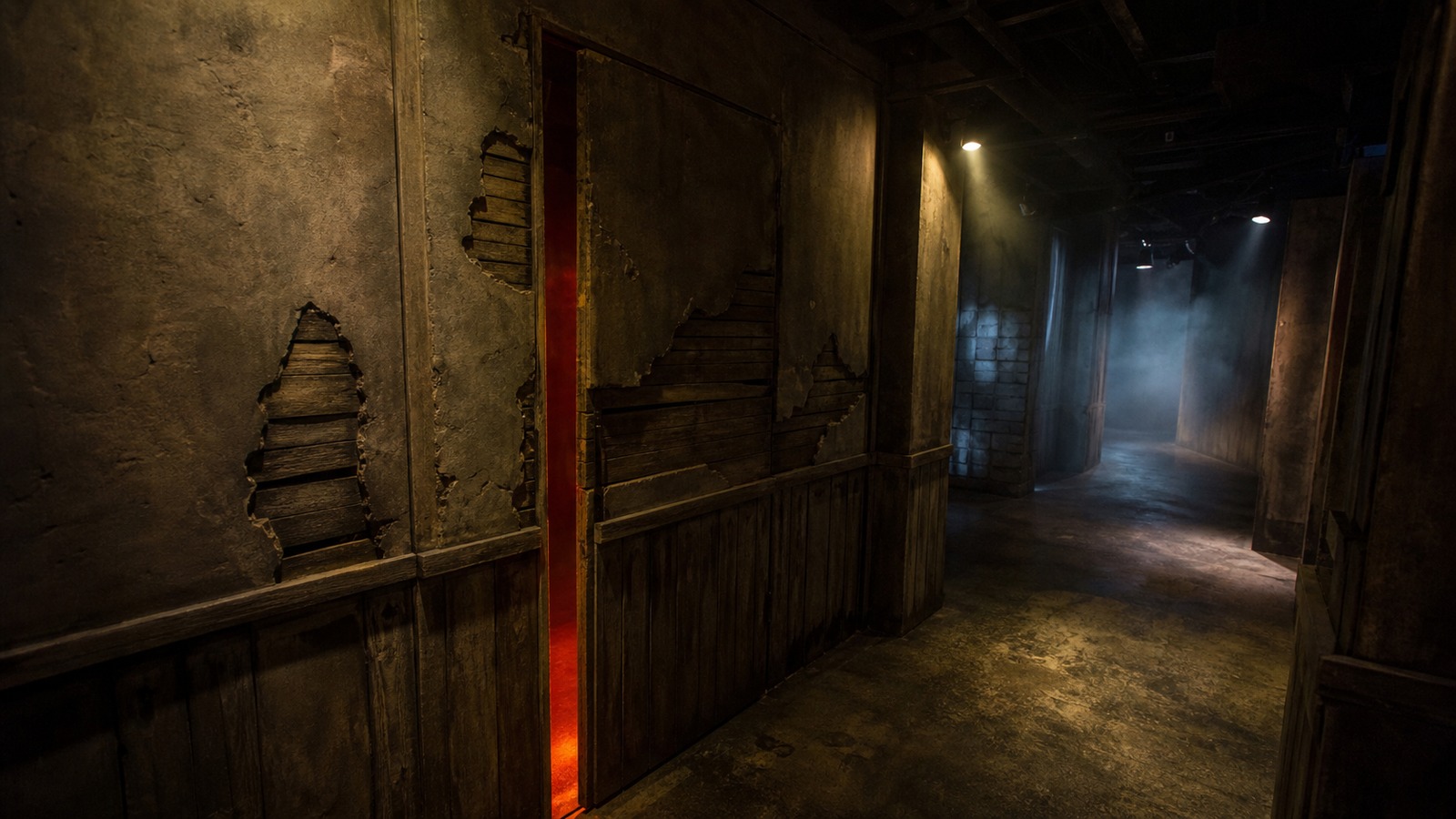
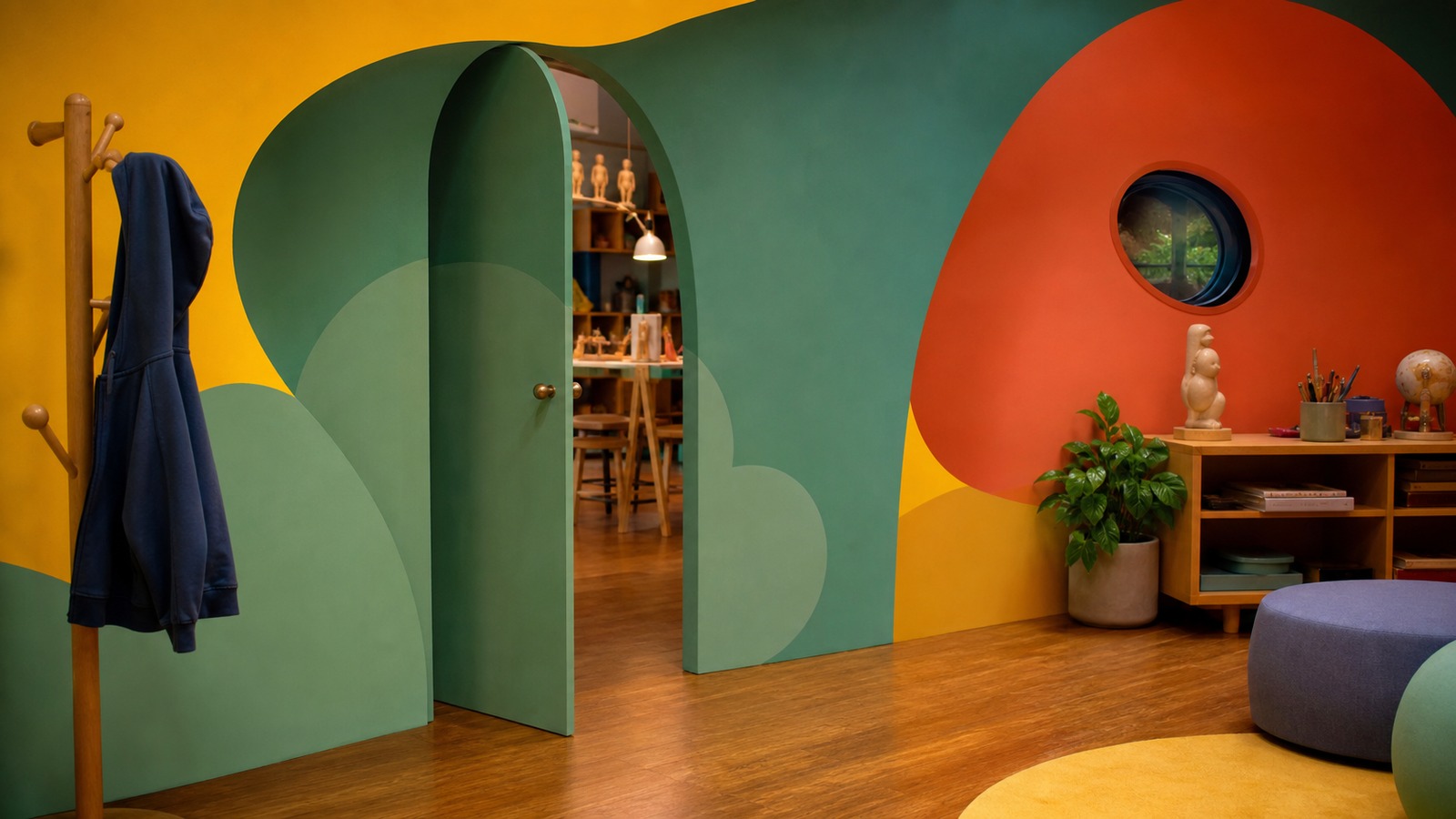
Superhero movies have always loved the thrill of the reveal. Capes, masks, impossible gadgets, hidden headquarters, and double lives all depend on one powerful storytelling device: the secret entrance. It is more than a doorway tucked behind a bookshelf or concealed beneath a waterfall. In superhero cinema, a secret entrance is a promise. It tells the audience that another world exists just out of sight, waiting to open for those who know where to look. These entrances create suspense, shape character identity, and turn ordinary locations into sites of mystery, power, and transformation. The beauty of secret entrances in superhero movies is that they do several jobs at once. They are practical because heroes and villains need hidden routes to protect their technology, loved ones, and missions. They are symbolic because they represent the line between public identity and private truth. They are cinematic because filmmakers can use them to build tension, reveal scale, and trigger wonder. A plain alley can hide a high-tech lab. A family mansion can conceal a legendary command center. A forgotten subway stop can become the gateway to a vigilante’s underground world. The entrance itself becomes part of the mythology. What makes these hidden gateways so memorable is not just their design, but the feeling they create. Some entrances are sleek and futuristic, opening with biometric scanners, silent wall panels, or elevators that descend into glowing chambers. Others feel ancient and mythic, buried in caves, temples, mountain passes, or beneath sacred architecture. Some are playful, built into comic-book style secret rooms and theatrical reveals. Others are dark and ominous, suggesting that power has a cost and secrecy is never entirely safe. In every case, the secret entrance becomes a threshold between worlds: the world of everyday life and the world of extraordinary action.
A: They reinforce hidden identity, protect secret spaces, and create visually exciting reveal moments.
A: No. Villains, antiheroes, secret organizations, and ancient guardians all use them.
A: Strong design, dramatic movement, emotional timing, and a powerful reveal of what lies beyond.
A: Not at all. Some are mechanical, mythic, architectural, or tied to ritual and symbolism.
A: They tap into curiosity, mystery, and the fantasy that ordinary places can hide extraordinary worlds.
A: They reveal who a character trusts, fears, protects, and how they live with secrecy.
A: Yes. It often represents transformation from ordinary life into heroic purpose.
A: They suggest privacy, depth, defense, and the feeling of descending into a hidden reality.
A: Yes. Ancient versions usually rely on myth, ritual, symbols, and stone architecture rather than electronics.
A: In superhero movies, that discovery usually raises the stakes and changes the balance of power.
Why Secret Entrances Matter in Superhero Storytelling
At the heart of the superhero genre is the idea of duality. A hero is often one person in public and another in private. Secret entrances make this duality visible. They allow a character to physically cross from one identity to another. When a reporter steps through a hidden elevator into a command center, or when a billionaire disappears behind a rotating wall into an armored cave, the audience sees transformation happen in real space. The entrance becomes the bridge between mask and self. This matters because superhero movies are built on tension. The world usually does not know everything. Friends may not know the hero’s identity. Governments may not know the location of powerful technology. Enemies may be searching for exactly what lies behind the hidden wall. A secret entrance instantly raises stakes because discovery could change everything. It creates vulnerability and control at the same time. The person who knows the entrance holds power. The person locked out remains on the outside of the truth. These entrances also help establish tone. A cheerful or adventurous superhero story might use secret entrances as playful discoveries, full of gadgets, surprising mechanisms, and childlike wonder. Darker superhero films often frame them as guarded thresholds, designed for defense, paranoia, or survival. In one movie, the hidden access point might feel like a dream. In another, it may feel like a bunker. The design tells us who the character is before they even speak.
The Architecture of Mystery
One reason secret entrances work so well in superhero movies is that they transform architecture into narrative. Walls, floors, statues, bookshelves, subway platforms, staircases, sewer tunnels, and elevator shafts all become potential storytelling tools. These are not just background set pieces. They become active parts of the movie’s tension and visual language. Filmmakers understand that a secret entrance is most effective when it hides in a believable environment. A grand estate might conceal a subterranean operations center because wealth allows for large-scale construction and security. A warehouse might hide a vigilante’s workshop because industrial buildings offer privacy and rough functionality. An abandoned church or historic ruin may hide an ancient chamber because it layers sacred history with modern conflict. The placement matters. A well-designed secret entrance feels surprising, but not random.
Materials play a major role in this illusion. Stone, steel, wood paneling, mirrored surfaces, concrete, and digital screens can all conceal access points in different ways. Some entrances disappear into the architecture through perfect alignment and flush surfaces. Others are disguised through distraction. A decorative object may act as a switch. A statue may pivot. A bookshelf may swing open. A floor panel may lift only after a sequence of codes, voice prints, or biometric scans. These design choices are visual storytelling at its finest because they reveal how a hero thinks. Orderly heroes favor elegant systems. Brutal characters may prefer heavy vault doors and reinforced chambers. Ancient protectors might use symbolic locks tied to ritual, bloodline, or myth.
The Secret Entrance as a Symbol of Identity
Superheroes rarely live simple lives. Their hidden spaces reflect the emotional burden of secrecy, and the entrance is the first sign of that burden. To enter the hidden base, lair, or sanctuary is to leave the visible world behind. In many films, this moment carries emotional weight. It is where a hero can finally be honest, where armor can come off, where plans are made, where grief is hidden, and where solitude becomes possible.
In that sense, the secret entrance is not just about access. It is about permission. Who gets invited in? Who earns trust? Who discovers the truth by accident? This is often one of the most important turning points in a superhero movie. When an ally, love interest, family member, or young apprentice is allowed through the hidden doorway, the relationship changes. They are no longer outside the myth. They are part of it. This is why secret entrances often appear in emotionally charged scenes. The entrance may be shown during recruitment, confession, betrayal, or inheritance. A mentor may reveal the hidden chamber to a successor. A hero may bring a wounded ally through a concealed route because there is nowhere else to turn. A villain may breach a hidden entrance, proving that private safety has collapsed. Each version transforms the secret entrance from clever set design into emotional architecture.
Technology, Myth, and the Mechanics of Revelation
Superhero films tend to fall into a few major styles when designing secret entrances. One is the technological reveal. Here, hidden entrances emerge through advanced systems: retinal scans, coded panels, pressure-sensitive surfaces, magnetic locks, touchless triggers, voice activation, or holographic camouflage. These entrances feel polished, fast, and efficient. They reinforce themes of innovation, surveillance, intelligence, and control. Another style is the mythic reveal. In these films, secret entrances may be connected to prophecy, lineage, forgotten kingdoms, hidden maps, celestial alignment, relics, or ancient symbols. The doorway may open only for a chosen person or through a ritual act. This approach gives secret entrances a sense of destiny. The audience is not simply watching a mechanical function; they are watching history wake up.
There is also the hybrid reveal, which is especially popular in modern superhero cinema. A hidden base might combine ancient stone structures with futuristic interfaces, or an old family manor might contain a state-of-the-art command center under its foundations. These combinations are especially compelling because they merge legacy and progress. They suggest that heroism is both inherited and reinvented. The actual mechanics matter because the best secret entrances do not just open. They perform. They rise, rotate, slide, descend, split, unlock, or glow in ways that feel cinematic. The movement becomes part of the memory. Audiences remember not just where the entrance was hidden, but how it revealed itself. That moment of transition is often the emotional spark of the scene.
Secret Entrances and World-Building
A great superhero movie must convince the audience that its world extends beyond the immediate plot. Secret entrances are a powerful tool for doing exactly that. They imply layers of hidden infrastructure, private histories, and unseen routes beneath the city or inside institutions. A hero does not simply exist in the world; they have carved out spaces inside it. This deepens the universe. Hidden laboratories suggest years of experimentation. Concealed training rooms imply discipline and preparation. Underground hangars suggest scale and resources. Secret passageways hint at contingency plans and previous battles. Even when the audience sees only one chamber beyond the entrance, they often imagine much more. That is the magic. A single hidden doorway can make a fictional world feel much larger. This is especially important in franchises. Secret entrances help connect sequels, spin-offs, and expanding cinematic worlds because they can be rediscovered, reimagined, or inherited. A hidden route introduced in one movie may later become the site of an ambush, a rescue, or a long-awaited return. These repeating spaces create continuity and emotional resonance. The audience develops a relationship with the location because it represents history.
Villains, Antiheroes, and the Dark Mirror of the Hidden Door
Secret entrances are not reserved for heroes. Villains and antiheroes use them too, and often in ways that reveal a darker relationship with secrecy. A villain’s hidden entrance may emphasize dominance, fear, and exclusion. It might be located in a fortress, buried beneath a corporate tower, hidden in a laboratory, or disguised within a respectable public facade. This contrast can be extremely effective because it shows how both heroes and villains understand the value of concealment, but use it for very different ends. For villains, a secret entrance often suggests manipulation. It allows them to move unseen, hide dangerous plans, and operate beneath the surface of ordinary life. In visual terms, these entrances may feel colder, harsher, more fortified, or more theatrical. Their purpose is not comfort or refuge, but control.
Antiheroes occupy an even more fascinating middle ground. Their hidden entrances often feel improvised, gritty, and practical. They may be tucked into abandoned stations, shadowy corridors, condemned buildings, rooftops, or service tunnels. These spaces feel less polished than a classic heroic headquarters, yet more believable and intimate. They fit characters who operate outside institutions and trust very few people. In these stories, the secret entrance becomes a sign of isolation as much as survival.
Why Audiences Love the Reveal
Part of the enduring appeal of secret entrances in superhero movies is simple: they are fun. They deliver a childlike thrill that never quite disappears, no matter how old the audience gets. The idea that an ordinary room could contain something extraordinary is irresistible. It invites imagination. It makes viewers look differently at staircases, walls, basements, subway stations, elevator panels, and empty corners of buildings. The genre teaches us that mystery might be closer than we think.
But there is something deeper at work too. Secret entrances satisfy a universal human desire for hidden meaning. They suggest that reality contains layers. That behind the visible surface of life, there are truths, powers, histories, and possibilities waiting to be discovered. Superhero films thrive on that feeling because superheroes themselves are hidden layers made flesh. They are people whose outer lives conceal inner worlds. The reveal scene is so satisfying because it combines curiosity with reward. First there is the question: what is behind that wall, under that floor, through that shadowed corridor? Then comes the answer, usually in a burst of visual delight. A staircase rotates. A vault opens. A hidden platform descends. A wall splits silently apart. Suddenly the world becomes larger, and the audience gets to step into it.
The Future of Secret Entrances in Superhero Cinema
As superhero movies continue to evolve, secret entrances are evolving with them. Advances in production design, visual effects, and sound design have made hidden spaces more immersive than ever. Filmmakers can now create entrances that blend physical sets with digital environments, allowing transitions to feel seamless, massive, or impossible. This opens the door to even more imaginative design. At the same time, audiences have become more visually literate. They expect entrances to reflect character, world, and tone, not just provide a cool moment. The best future examples will likely be those that combine visual spectacle with emotional meaning. A hidden entrance should not exist only because it looks impressive. It should tell us something about the person using it and the world they are trying to protect or control.
We may also see more variation in how secrecy is presented. Not every superhero story needs a giant underground headquarters. Some of the most compelling future entrances may be small, subtle, and deeply personal: a hidden memorial room, a coded apartment passage, a concealed archive, or a disguised rooftop access point that means everything to one character. Scale is not always the key. Intention is.
Conclusion
Secret entrances in superhero movies are far more than cool visual gimmicks. They are storytelling engines, emotional thresholds, and symbols of hidden identity. They shape tone, deepen world-building, and turn ordinary architecture into portals of wonder. Whether they open into a glowing command center, an ancient chamber, a grim vigilante hideout, or a villain’s secret laboratory, these concealed passageways capture one of the genre’s core ideas: that the extraordinary often hides just beneath the surface. That is why they remain unforgettable. A secret entrance is the moment when mystery becomes space. It is the instant a movie invites us to cross from the visible world into the hidden one. In superhero cinema, that crossing never loses its magic. It reminds us that every hero protects more than a city or a mission. They protect a hidden truth, and somewhere behind a wall, beneath a floor, or beyond a coded door, that truth is waiting to be revealed.