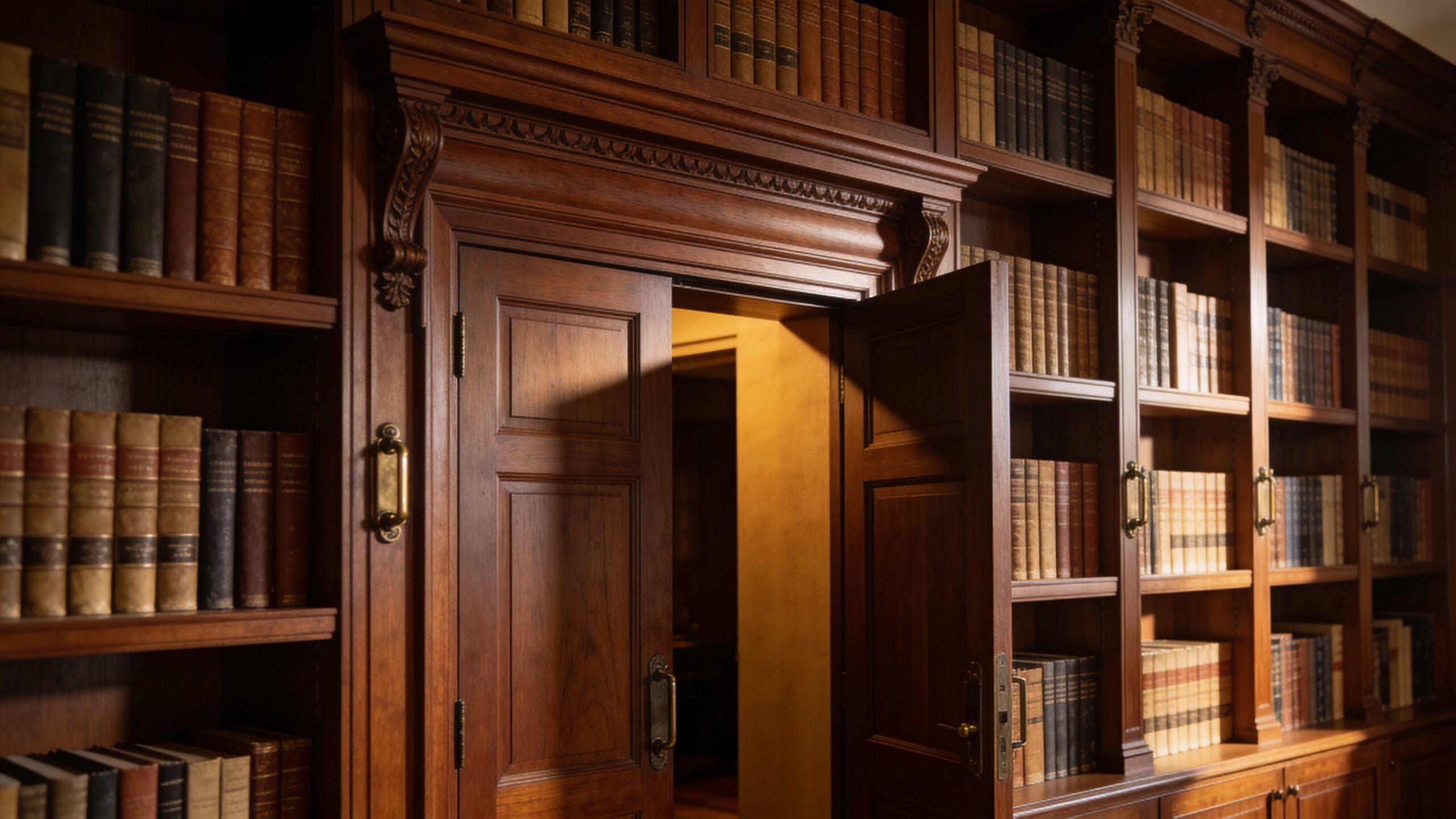
There is something undeniably captivating about a secret door. It sparks curiosity, ignites imagination, and transforms ordinary architecture into a stage for discovery. For centuries, concealed entrances have been built into castles, monasteries, and mansions, serving as both practical escape routes and symbols of intrigue. In modern homes, this fascination has not disappeared—it has simply evolved. Among the most compelling applications of hidden design today are secret doors that lead to wine cellars and basements. These entrances combine practicality with enchantment. They allow homeowners to preserve elegance in their main living spaces while maintaining discreet access to storage, entertainment areas, or safety zones below ground. Whether installed in a sleek minimalist loft or a rustic countryside estate, secret doors to wine cellars and basements elevate design into something unforgettable. They create stories, add value, and embody the perfect union of function and fantasy.
A: An insulated, gasketed swing door with multi-point latching seals better than most pocket options.
A: Not if it’s insulated, air-sealed, and properly latched; monitor with a temp/RH logger.
A: Use low-E insulated glass, warm-edge spacers, correct interior RH, and thermal-break frames.
A: Yes—plan for added framing/blocking, sill pan, and matching finishes for seamless concealment.
A: From a few hundred (DIY panel/hinge) to several thousand for custom insulated pivots and millwork.
A: Choose humidity-rated gear; keep power supplies accessible and protected.
A: A low-profile threshold plus drop seal improves airtightness and reduces light infiltration.
A: Align seams with panel joints, wrap finishes across the leaf, and use edge pulls or touch latches.
A: Check gasket compression seasonally, re-torque hardware, and clean drains/filters on cooling units.
A: Possible, but needs weatherproofing, rated hardware, and robust thermal design; interior locations are simpler.
Why Wine Cellars and Basements Benefit from Hidden Doors
Wine cellars and basements are two spaces uniquely suited to concealment. They often hold items best kept discreet, whether rare vintages, seasonal storage, or emergency supplies. Basements may also serve as multi-functional zones—housing laundry rooms, gyms, home theaters, or safe rooms—that homeowners prefer to keep separate from the rest of the home. Wine cellars, meanwhile, are sanctuaries for collectors, designed to preserve bottles with precision while presenting them with artistry.
Concealing these areas behind hidden doors enhances both practicality and atmosphere. A wine cellar accessed through a disguised entrance feels more exclusive, like stepping into a private world. A basement hidden behind a seamless wall or floor panel reinforces a sense of security and privacy. These design choices transform spaces often overlooked into focal points of the home’s story.
Classic Inspirations for Modern Designs
Hidden entrances to wine cellars and basements borrow heavily from historic precedents. Medieval castles used trapdoors and concealed staircases to access underground chambers. European estates incorporated disguised doors into libraries or studies, leading to cellars where wine and food were stored in cool, consistent climates.
Today, designers reinterpret these traditions with modern materials and mechanisms. A swinging bookcase may conceal a stairway leading to a basement wine collection. A flush panel in a dining room may open silently to reveal a spiral staircase descending into a climate-controlled cellar. These echoes of history connect modern homeowners with centuries of ingenuity while creating features that feel timelessly sophisticated.
Wine Cellars with a Sense of Theater
A wine cellar is more than a storage space—it is a stage for storytelling, hospitality, and tradition. When accessed through a secret door, its sense of drama multiplies. Imagine leading dinner guests into a dining room, then revealing a mirrored panel or bookcase that swings open to expose a softly lit cellar below. The reveal becomes part of the ritual, transforming the act of sharing wine into a performance of hospitality.
This theatricality is not just about spectacle; it enhances the appreciation of the collection itself. The hidden door elevates the cellar into a sanctuary, where every bottle feels like part of a treasured gallery. Collectors often describe their wine cellars as personal museums, and a secret entrance reinforces this perception. It adds to the sense that what lies inside is rare, intimate, and worthy of reverence.
Basement Entrances that Blend Seamlessly
While basements may not have the romantic aura of wine cellars, they are equally suited to secret doors. Many homeowners use basements for practical purposes—storing seasonal items, housing HVAC systems, or accommodating laundry facilities. Others transform them into entertainment hubs, fitness centers, or private offices. Regardless of their function, basements often benefit from discreet access that does not interrupt the design of the main floor.
Secret doors achieve this effortlessly. A flush wall panel may open into a stairwell, preserving the elegance of a living room or hallway. A door disguised as cabinetry in a kitchen might lead to a basement pantry. For larger homes, basements hidden behind secret entrances can also serve as secure areas, adding peace of mind along with functionality. By concealing the entrance, homeowners maintain the visual purity of minimalist design while ensuring practical spaces remain fully accessible.
Materials and Finishes for Discreet Integration
The success of secret doors lies in how well they integrate into their surroundings. For wine cellars and basements, this often means choosing materials and finishes that match or complement existing décor. In rustic homes, wood-paneled doors stained to match surrounding walls create convincing disguises. In contemporary spaces, sleek composite panels painted in the same shade as the wall create seamless concealment.
Mirrored doors offer another option, particularly in dining rooms or living spaces. They not only hide the entrance but also expand the room visually by reflecting light. In kitchens, hidden doors are often built into cabinetry, with matching hardware and finishes ensuring the door disappears into the overall design. The artistry lies in making the extraordinary invisible until revealed.
Behind every successful secret door lies a careful balance of engineering and design. For wine cellars and basements, where doors may need to handle heavy use, sturdy mechanisms are essential. Concealed hinges ensure smooth swinging motion while maintaining invisibility when closed. Pivot systems allow doors to rotate effortlessly, distributing weight evenly. Sliding panels, built on tracks, are ideal for spaces with limited clearance.
For wine collectors who prioritize both security and style, hidden doors may also incorporate locking mechanisms. These range from traditional key locks to modern biometric systems, ensuring that only authorized individuals can access the cellar. The magic lies in the precision: doors must not only operate smoothly but also maintain the illusion of being something other than a door.
The Role of Lighting and Atmosphere
Wine cellars and basements hidden behind secret doors often rely on atmosphere to heighten the sense of discovery. Lighting plays a pivotal role in this transformation. A hidden door that opens to reveal a softly illuminated staircase descending into a cellar evokes feelings of drama and anticipation. Spotlights on wine racks or architectural accents create the impression of a curated gallery.
For basements, lighting helps distinguish spaces once considered purely utilitarian. A concealed door may open into a basement transformed into a home theater, where dim ambient lighting sets the stage. Or it may reveal a wellness retreat, where natural light from light wells blends with serene artificial illumination. The transition from the hidden entrance to the revealed space is as much about emotion as design, and lighting orchestrates this experience.
Security and Peace of Mind
One of the most practical benefits of secret doors to basements and wine cellars is enhanced security. For valuable wine collections, concealment adds a critical layer of protection. A hidden entrance ensures that casual visitors remain unaware of what lies beyond, reducing the risk of theft. In some cases, cellars double as vaults, housing not only wine but also artwork, documents, or heirlooms.
Basements concealed behind hidden doors can also serve as panic rooms or secure shelters during emergencies. By disguising the entrance, homeowners ensure these spaces remain unnoticed by intruders. Unlike overt security features that may draw attention, hidden doors maintain discretion, offering peace of mind without compromising design.
Contemporary Innovations in Hidden Door Design
Today’s hidden doors benefit from advancements in technology and design. Smart home integration allows doors to open with voice commands, smartphone apps, or biometric scans. Motorized systems ensure smooth operation even for large or heavy panels. These innovations make hidden doors not only more secure but also more convenient, aligning them with the lifestyle expectations of modern homeowners.
At the same time, sustainable materials and energy-efficient designs are becoming priorities. For basements, this means doors that provide insulation while remaining hidden. For wine cellars, climate-controlled seals can be incorporated without disrupting the illusion. Modern hidden doors are as much about performance as aesthetics, proving that concealment can be cutting-edge.
The Emotional Power of Discovery
Perhaps the greatest reason to incorporate secret doors for wine cellars and basements is the emotional experience they create. There is a unique thrill in stepping through an unassuming wall, mirror, or bookshelf into a hidden space. It evokes childlike wonder, sparks conversation, and creates memories that linger long after the reveal.
For wine lovers, unveiling a hidden cellar turns the act of sharing a bottle into a ritual. For families, discovering a hidden basement door adds excitement to daily routines. For guests, the surprise of an unexpected entrance becomes a highlight of any visit. Hidden doors remind us that homes can be more than functional—they can be magical.
Challenges and Considerations
While secret doors are enchanting, they are not without challenges. Engineering must be precise to ensure doors function smoothly and align perfectly with surrounding surfaces. Weight is a significant concern, particularly for doors disguised as bookshelves or cabinetry. High-quality materials and professional craftsmanship are essential to prevent sagging or malfunction.
Cost is another factor. While prefabricated options exist, truly seamless hidden doors often require custom design and installation. Homeowners must balance vision with budget, considering both the complexity of the mechanism and the quality of finishes. Despite these challenges, the rewards—both practical and emotional—make hidden doors one of the most worthwhile investments in home design.
The use of hidden doors in hospitality and commercial design has inspired many residential applications. Upscale restaurants often use concealed entrances to wine cellars or private dining rooms, creating memorable experiences for guests. Hotels may disguise staff areas behind mirrored panels or paneled walls to preserve elegance in lobbies and corridors. Homeowners adopt these ideas, translating them into personal spaces. A dining room with a hidden wine cellar feels as sophisticated as a five-star restaurant. A basement concealed behind a flush wall panel echoes the refinement of boutique hotels. By borrowing from hospitality design, homes become places of both comfort and performance.
Future Directions for Hidden Wine Cellar and Basement Doors
As design trends evolve, hidden doors will continue to adapt. The minimalist movement favors flush panels and invisible mechanisms that disappear entirely into architecture. Meanwhile, smart technology will make operation easier and more secure. Materials will become lighter, stronger, and more sustainable, ensuring that hidden doors remain both stylish and environmentally conscious.
For wine cellars, expect greater integration of climate control and smart monitoring within concealed entrances. For basements, hidden doors will likely expand in use, concealing multipurpose spaces from gyms to wellness retreats. The future of hidden doors is not just about secrecy but about versatility, proving that concealment can adapt to changing lifestyles.
Final Reflections: The Art of Concealed Living
Secret doors for wine cellars and basements embody the perfect balance of elegance, functionality, and imagination. They conceal what is practical, protect what is valuable, and elevate everyday living into an experience of discovery. Whether disguised as bookshelves, mirrors, or flush panels, they prove that design can be both understated and extraordinary. In a modern world where efficiency often overshadows wonder, hidden doors remind us that homes can still surprise us. They invite us to step into the unknown, to experience the thrill of discovery, and to embrace the artistry of concealment. For homeowners who wish to blend practicality with enchantment, secret doors for wine cellars and basements are more than architectural features—they are portals to stories waiting to be told.