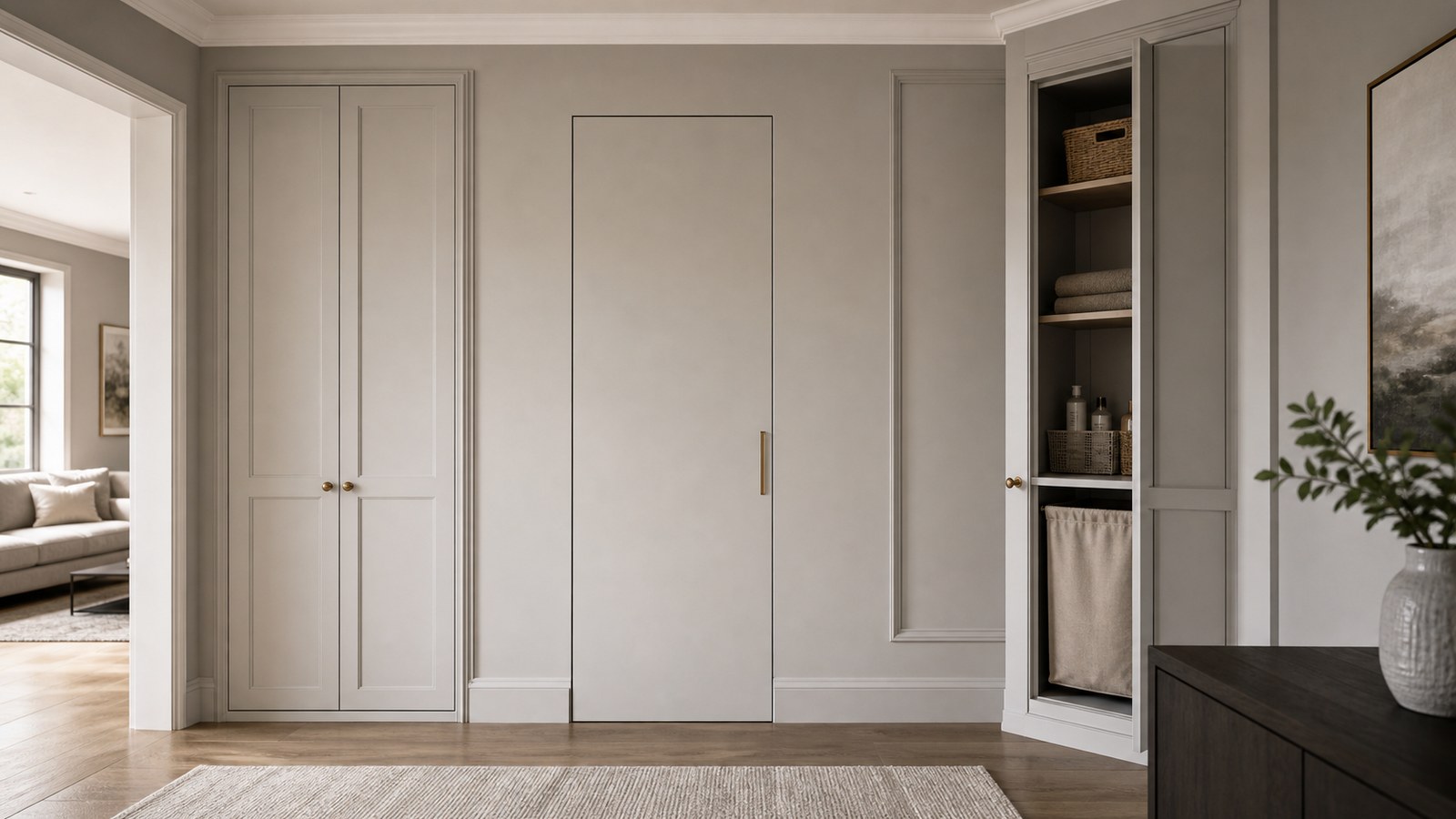
Interior design has always been about more than just function—it is a statement of style, atmosphere, and creativity. In recent years, invisible doors have become one of the most sought-after architectural elements for homeowners who want their spaces to feel sleek, modern, and uncluttered. Nowhere is this design philosophy more impactful than in pantries and kitchens. These are the most frequently used spaces in any home, yet they are also the areas where clutter and chaos can quickly become a visual distraction. Invisible doors, also called hidden doors or flush doors, create a seamless transition between walls and doorways by disguising entrances so well they almost vanish. When applied to pantries and kitchens, these doors elevate the functionality of storage areas while preserving a minimalist, high-end design aesthetic. This article explores everything you need to know about invisible doors for pantries and kitchens—from their design principles and materials to installation methods, styles, and long-term benefits. We’ll also dive into creative applications, the psychology of concealed spaces, and the practicalities of maintenance and cost. By the end, you’ll understand why invisible doors are not just a fleeting trend but a permanent fixture in modern interior design.
A: Keep 9–12″ buffer from heat sources and specify stable cores/finishes.
A: Align reveals to panel joints/grout lines; use matte finishes and shadow gaps.
A: Yes—add blocking, upgrade hinges, and re-skin faces to match grain and sheen.
A: Heavy-duty concealed hinges with push-latch for single tall doors; pockets for narrow kitchens.
A: Use perimeter gaskets and an undercut or hidden vent tied to the HVAC return.
A: Door jamb reed switch + LED strips with diffuser for even shelf illumination.
A: Magnetic/electric latches triggered by keypad/NFC inside a stile or jamb.
A: Choose durable cabinet-grade topcoats (2K poly) and avoid deep grooves on the face.
A: $400–$1,500 DIY hardware/skins; $2,500–$10,000+ custom pivot/pocket systems and millwork.
A: Retrofits: half to full day; custom paneling and pivot/pocket: 2–5 days depending on finishes.
What Exactly Are Invisible Doors?
An invisible door is engineered to blend perfectly with its surrounding wall. Unlike traditional doors, which rely on frames, trims, and visible hinges, invisible doors are designed with concealed hardware and a flush surface finish. This allows the door to disappear into the wall when closed, giving the illusion that no doorway exists at all. For pantries and kitchens, invisible doors are often installed with finishes that match cabinetry, wall paint, or even textured wall panels. Imagine a pantry that looks like just another panel in your kitchen wall, or a storage room that vanishes behind a wall of matte paint. Invisible doors provide functionality without compromising the clean visual lines of a modern kitchen. They are the perfect solution for homeowners who love organization but dislike the sight of constant kitchen traffic or pantry clutter.
The Design Philosophy Behind Invisible Doors in Kitchens
The kitchen has evolved from a purely utilitarian space to the central hub of modern homes. Open-concept designs, which merge kitchens with dining and living areas, have only increased the need for uncluttered aesthetics. Yet kitchens require abundant storage, which often means bulky cabinets, large pantry doors, and awkward walk-in spaces. Invisible doors reconcile these competing needs by allowing storage and utility areas to remain fully accessible while visually fading into the background. This design principle follows the philosophy of “functional minimalism.” Instead of displaying everything openly, invisible doors conceal what doesn’t need to be seen—like bags of flour, stacks of cereal boxes, or seldom-used appliances—while giving priority to curated surfaces, natural light, and intentional decor. The effect is subtle luxury. Your guests may not even realize where your pantry is until you reveal it with a seamless push.
Materials and Finishes: Matching the Kitchen’s DNA
One of the strengths of invisible doors is their adaptability. They can be finished in materials that mirror the kitchen’s existing surfaces, creating a consistent and harmonious appearance. Popular finishes include matte or glossy paint, laminated panels, wood veneers, and even mirrored glass for a reflective, space-expanding effect. In kitchens with sleek cabinetry, invisible pantry doors are often clad in the same material as the cabinets, creating a monolithic wall where the pantry appears as a continuation of storage. For rustic or farmhouse kitchens, wood veneers or shiplap can disguise the door so effectively it looks like part of the structural paneling. Some designers even apply textured concrete finishes or wallpaper across an invisible door, turning the entire wall into a unified design statement. The choice of finish plays a crucial role not only in aesthetics but also in durability. Kitchens are high-traffic, high-moisture areas, so finishes must resist heat, grease, and cleaning chemicals. Advanced laminates and protective coatings ensure the invisible door retains its pristine appearance over time.
Concealed Hinges and Hardware: The Engineering Behind the Magic
The success of an invisible door lies in its hardware. Specialized concealed hinges allow the door to open and close smoothly while remaining hidden from view. These hinges are engineered for durability, capable of supporting heavy panels without warping. Magnetic or push-to-open latch systems are often used in place of handles, ensuring the door surface remains completely flush. Some invisible doors also feature pivot mechanisms, allowing the door to swing open dramatically from a central axis rather than a traditional hinge point. In kitchens, pivot doors can create a bold design feature while still maintaining the flush appearance when closed. For pantries, soft-close hinges prevent slamming and reduce wear, preserving both the door and the frame.
Types of Invisible Pantry Doors
Invisible pantry doors can be customized to suit different kitchen layouts and homeowner preferences. Some common styles include:
- Single Flush Door: A simple, clean, wall-integrated door that opens into a walk-in pantry.
- Double Invisible Doors: Perfect for larger pantries, opening wide for easy access while closing seamlessly to disappear.
- Sliding Hidden Panels: Instead of swinging open, the door slides into a wall cavity, saving space in compact kitchens.
- Pivot Pantry Doors: A statement choice that rotates on a central axis, ideal for modern kitchens.
- Cabinet-Style Invisible Doors: These resemble oversized cabinetry panels, allowing pantries to mimic regular kitchen storage.
The choice depends on the balance between design intent, available space, and how frequently the pantry will be accessed.
The Practical Benefits of Invisible Pantry and Kitchen Doors
While invisible doors carry obvious design appeal, their benefits go far beyond aesthetics. One of the main advantages is clutter concealment. In everyday life, kitchens are rarely as tidy as design magazines suggest. Invisible doors allow you to hide grocery bags, small appliances, or recycling bins at a moment’s notice. They also maximize usable wall space. Since there are no visible trims or protruding frames, the surrounding wall can be used more efficiently for artwork, shelving, or cabinetry. Invisible doors also enhance acoustics by creating a tighter seal, helping to muffle the clatter of dishes or the hum of appliances stored in the pantry. Another subtle benefit is psychological. The human mind responds positively to orderly spaces, and a seamless wall is perceived as calmer and more expansive than one with multiple visible doors. In kitchens, where activity is constant, this visual calm can make a noticeable difference in comfort and mood.
Invisible Doors for Kitchens Beyond Pantries
Although pantries are the most common application, invisible doors can serve multiple purposes within kitchens. They can conceal utility rooms, laundry spaces, wine storage, or even secondary prep kitchens, also known as “butler’s pantries.” Some designers use invisible doors to hide built-in refrigerators or appliance garages, ensuring that even functional elements like microwaves or dishwashers remain hidden when not in use. In open-concept homes, invisible doors can also separate the kitchen itself from dining or living areas without breaking the visual continuity. When closed, the kitchen blends into the wall; when open, the door reveals the social heart of the home.
Installation Considerations: What Homeowners Should Know
Installing invisible doors requires more planning than a standard door. Because they lack visible trims, precision is critical. Walls and frames must be perfectly aligned, and professional carpenters or installers with experience in hidden systems are usually required. Concealed hinges need proper reinforcement, and wall finishes must be continuous across the door panel. For kitchens, ventilation is another key factor. Pantries hidden behind airtight doors need proper airflow to prevent humidity buildup, which could spoil food. LED lighting, motion sensors, and automatic door closers can also enhance the functionality of invisible pantry doors. Homeowners should also consider the opening mechanism. Push-to-open systems work well in minimalist kitchens, but they may not be ideal for households with young children who could accidentally trigger the mechanism. Handle-free pivot doors, on the other hand, provide drama and durability but require more floor clearance.
Cost and Value: Are Invisible Doors Worth It?
Invisible doors typically cost more than traditional doors due to specialized hardware, custom finishes, and professional installation. Prices vary widely depending on size, material, and complexity. A basic flush invisible door may cost several hundred dollars, while a high-end pivot or sliding hidden panel system can run into the thousands. However, the return on investment is more than aesthetic. Invisible doors increase perceived home value by aligning your kitchen with high-end architectural trends. Potential buyers are often impressed by the novelty and sophistication of hidden storage solutions, making invisible doors a strong selling point in luxury markets. Moreover, their durability and low maintenance costs make them a long-term investment in both functionality and design.
The Future of Invisible Doors in Modern Homes
Invisible doors are more than a passing design trend. They represent a shift toward intentional, minimalist living where less is displayed, and more is experienced. As smart homes evolve, invisible doors may integrate with automation systems, opening with a voice command or biometric sensor. Imagine saying “open pantry” as the wall itself slides aside, revealing your neatly organized storage space. In future kitchens, invisible doors will likely become a standard feature in high-end construction, just as open shelving and kitchen islands once did. They embody the modern desire for clean lines, hidden storage, and multifunctional design.
A Hidden Gateway to Style and Function
Invisible doors for pantries and kitchens perfectly capture the balance between practicality and beauty. They are more than architectural tricks; they are design statements that elevate the way we experience everyday spaces. By blending seamlessly into their surroundings, they allow kitchens to remain the stylish, social centers of the home while keeping the functional clutter of storage tucked away. Whether you are renovating a compact apartment kitchen or building a luxury open-concept home, invisible doors offer a unique way to combine elegance, efficiency, and surprise. They remind us that the best design often lies not in what is shown, but in what is cleverly concealed. And in the heart of the home, where function meets hospitality, this quiet sophistication is what truly transforms a kitchen from ordinary to extraordinary.