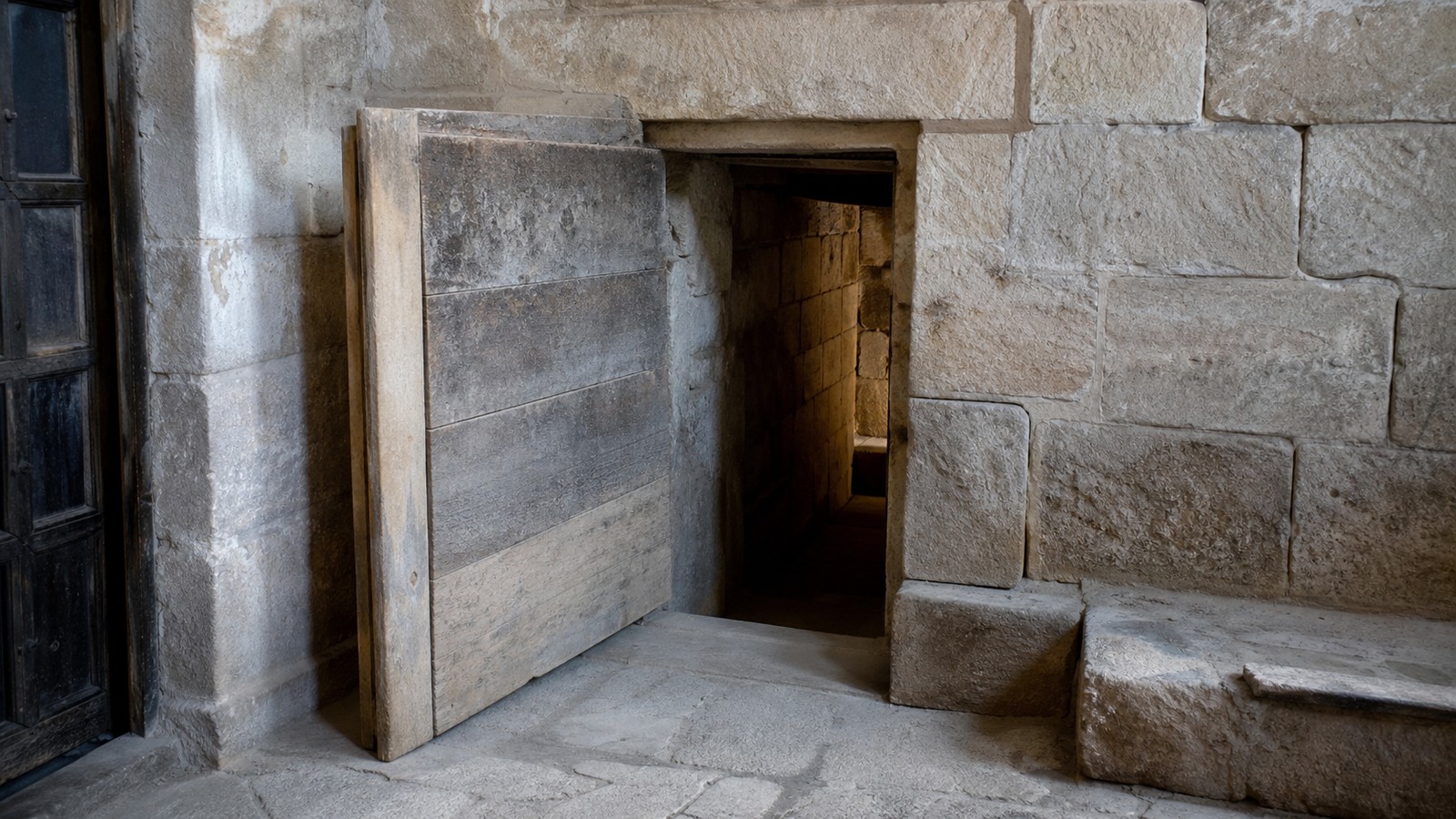
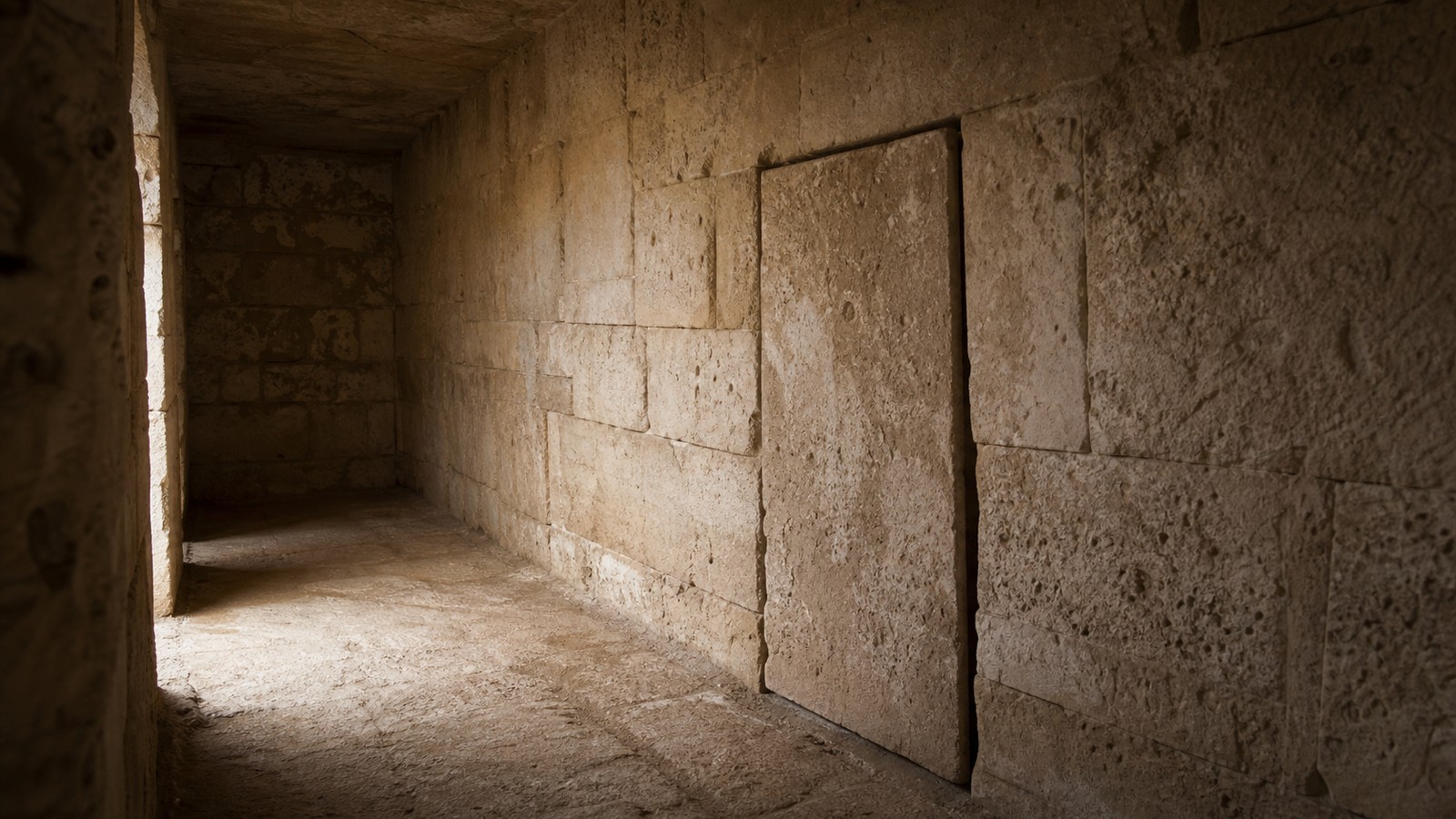
Clutter Needs a Place, Not Just a Cover
Concealed storage doors are most useful when they make everyday life easier, not when they simply hide a pile of things. Homes need places for toys, shoes, coats, cords, cleaning supplies, games, linens, tools, pet items, seasonal decor, and the objects that never seem to belong anywhere. A concealed storage door can turn those busy categories into a quiet wall, cabinet, stair panel, or built-in feature. The design works best when it begins with the clutter itself: what needs to be stored, how often it is used, who needs it, and what kind of access will keep the system from becoming another hidden mess.
A: Start with clutter categories that repeatedly land in visible places.
A: They work for some panels, but frequent storage often needs a clearer pull.
A: Place it near the routine that creates the clutter.
A: Yes, when panel lines, lighting, and pull-out access are planned together.
A: Depth should match the objects, not just the available wall space.
A: Labels can stay inside so the room remains clean while the system stays usable.
A: Clear categories, reachable shelves, and easy resets matter more than the door face.
A: Yes, if handles, heights, and bins are designed for them.
A: It can match the wall or read as built-ins depending on the room.
A: A beautiful door hiding an unplanned pile is still an unplanned pile.
Sort the Clutter Before Designing the Door
The first step is not choosing a panel style. It is naming what needs to disappear. Daily shoes, board games, charging cables, wrapping paper, cleaning tools, sports gear, files, and spare linens all require different storage shapes. A concealed door should be sized around real categories, not vague hopes for tidiness.
Once the categories are clear, decide which items need fast access and which can be deeper in the system. A hidden door for holiday decor can be more discreet than a cabinet used every morning. Convenience should match frequency.
Use Built-Ins to Make Storage Feel Architectural
Built-ins are one of the cleanest ways to hide clutter because they make storage look intentional. A wall of painted panels, wood cabinets, media millwork, bench storage, or hallway cupboards can conceal many small doors behind one calm composition. The room reads as designed rather than overfilled.
Good built-ins use consistent lines. Door edges can align with shelves, wall panels, bench seams, or ceiling trim. When the rhythm makes sense, the storage doors do not need to vanish completely. They simply become part of the architecture.
Depth matters. Shallow storage works for keys, mail, chargers, and cleaning cloths. Deeper compartments can handle games, small appliances, bulk supplies, or seasonal bins. Matching depth to contents prevents wasted volume.
Choose the Right Room for Each Hidden Zone
Concealed storage should live where the clutter begins. Mudroom storage belongs near the entry. Media storage belongs near screens and speakers. Toy storage works best near play areas. Cleaning storage should sit close to the rooms being cleaned.
If hidden storage is placed too far away, people will not use it. The door may look beautiful, but the clutter will still land on counters, floors, or chairs. Storage design is behavioral as much as visual.
Think about who uses each item. Children need lower doors and simple pulls. Guests need obvious places for coats or bedding. Adults may want deeper hidden cabinets for supplies that should stay out of sight. The concealed door should serve the people using it.
Room-specific planning also avoids overloading one storage wall. A house feels calmer when clutter is handled in several logical places instead of one giant hidden cabinet that becomes impossible to maintain.
Make Hardware Subtle but Grabbable
Storage doors are touched often. Push latches, finger pulls, recessed handles, edge pulls, magnetic catches, and touch-release systems can all work, but they should fit the contents and the users. A storage door full of heavy objects needs hardware that feels secure.
Overly hidden hardware can make people avoid the storage. If opening the door is annoying, clutter will sit outside it. Subtle pulls often keep a room calm while still inviting use.
Hardware should also protect the finish. A hidden door that everyone opens by pressing the same painted corner will quickly develop smudges and wear. Make the intended touch point clear enough to save the surface.
Turn Awkward Spaces Into Useful Storage
Under-stair areas, knee walls, window benches, fireplace side walls, hallway niches, and sloped ceilings often become wasted space. Concealed storage doors can make those awkward zones useful without making the room feel chopped up.
The trick is honest access. A deep under-stair cabinet may need pull-out shelves, labeled bins, or lights. A knee-wall door may need a low handle and a clear floor area. Hidden storage is only clever if people can reach what is inside.
Plan the Inside Like a System
The inside of concealed storage deserves as much design as the door face. Adjustable shelves, drawers, hooks, bins, charging outlets, vertical dividers, baskets, and labeled zones can keep hidden spaces from becoming disorderly. A door can hide clutter from the room, but it cannot organize it by itself.
Use the first layer for frequent items and deeper zones for occasional ones. In a media wall, remotes and chargers should be easy to reach, while spare cables can sit farther back. In a mudroom cabinet, daily shoes and bags need quicker access than seasonal gear.
Lighting can help inside larger compartments. A concealed closet or deep cabinet can become frustrating if the contents are dark. Simple LED strips or motion lights can make the hidden zone more usable.
Keep Visible Rooms From Feeling Like Lockers
Concealed storage should not turn a living room, hallway, or bedroom into a wall of anonymous doors. Even when the purpose is hiding clutter, the visible room still needs proportion, breathing space, and a sense of hospitality. Storage should support the room, not become the room.
Break large runs with shelves, seating, art, lighting, or material changes where appropriate. A storage wall can feel elegant when it has rhythm and restraint. Without those choices, it may look like utility cabinetry moved into a social space.
Consider what remains visible when the doors are closed. A bench, lamp, plant, framed artwork, or open shelf can keep the room feeling lived in rather than sealed off. Concealment works best when it leaves space for personality.
This balance is especially important in family rooms. The goal is not to hide every trace of life. It is to give high-use objects a quick, calm place to go.
Let the Door Match the Room’s Mood
Some storage doors should disappear into paint. Others should look like fine cabinetry, wood paneling, a mirror, or a quiet bookcase. The right disguise depends on the room. A family room may welcome warm built-ins, while a narrow hallway may need flush painted panels.
Do not make every hidden door a feature. If the purpose is calm, the door should support the room rather than compete with furniture, art, or windows. Clutter is already visually loud; the storage solution should not become another loud object.
Scale matters here. Oversized panels can feel elegant in a large room but heavy in a small one. Fine cabinet divisions may suit a mudroom but look busy across a living room wall.
Material tone matters as much as material type. A glossy storage wall may show fingerprints and reflections, while a matte painted surface can recede. Warm wood may make storage feel built-in and welcoming, but it needs grain planning so door seams do not look accidental.
The room’s mood should also guide how visible the access point feels. A relaxed family room can tolerate slightly more obvious pulls, while a formal hallway may need cleaner reveals and quieter hardware.
Build for Weight and Movement
Storage doors often carry or protect heavier contents than ordinary cabinet doors. Pull-out shelves, bins, books, tools, and appliances can add weight and strain hardware. Hinges, slides, pivots, and frames should be selected for real use.
If the door itself is large, keep it stable. Wide panels can warp or sag without proper cores and hardware. Concealed does not mean delicate.
Keep Maintenance Simple
Hidden storage is successful only if it stays easy to reset. Shelves should be adjustable, bins should slide out, and doors should be easy to clean. If the system requires perfection, it will eventually fail in a normal household.
Choose finishes that can handle fingerprints and bumps. Storage doors near entries, playrooms, and kitchens need more durability than decorative wall panels. A little resilience keeps the concealed surface from looking tired.
Review the system after a few weeks of use. If one compartment overflows while another stays empty, adjust the layout. Concealed storage should adapt to the household rather than forcing the household to serve the cabinetry.
Avoid Turning Every Wall Into a Door
Concealed storage can be powerful, but too many hidden openings can make a room feel confusing. Leave some walls simple. Let art, windows, seating, and circulation breathe. The best storage disappears because the room has a clear hierarchy.
Use hidden doors where they solve a problem. A single well-planned storage wall can do more for a home than many small secret panels scattered without purpose.
Review the System as Life Changes
Storage needs change with seasons, hobbies, children, work, pets, and household routines. A concealed door that works perfectly one year may need a different interior layout later. Adjustable shelves, removable bins, and flexible hooks keep the system useful over time.
Schedule occasional resets. Open the doors, remove what no longer belongs, and see whether the hidden space is still serving the room. Concealed storage can hide clutter so well that old habits remain invisible until the cabinet is full.
Future flexibility should influence the build. Permanent dividers may look tidy at first, but adjustable components often age better. The door face can remain calm while the inside changes with real life.
This is where concealed storage becomes more than a design move. It gives the home a way to absorb change without making every new object visible.
Let Clutter Have a Quiet Exit
Concealed storage doors give clutter a quiet exit from the visible room. They do not eliminate the objects of daily life, and they do not ask a household to become unrealistically minimal. They create places where useful things can live close to where they are needed.
That is why the best designs start with routines. Where do shoes land, where do cords gather, where do blankets pile up, and where do cleaning supplies get used? When the door answers those questions, the storage feels natural.
A clever concealed storage door is not just a hidden panel. It is an agreement between the room and the people who use it: the home can hold real life without showing all of it at once.
That agreement only works when the system is easy to keep. If the door opens smoothly, the bins make sense, and the contents return to obvious homes, the hidden storage becomes part of the household rhythm.
Good concealment can even make people more willing to tidy up because the reward is immediate. Close the panel, and the room regains its calm without pretending the household owns nothing.
The best version feels forgiving. It gives busy rooms a reset button while still keeping everyday objects close enough that people will actually put them away. That practical closeness is what separates useful concealed storage from a beautiful cabinet nobody wants to open at the end of a long day. The door succeeds when tidying feels like one natural motion, not another household project with extra steps.